


In this guide, you’ll learn what MIG and TIG welding are, their main differences, and how to choose the right welding method for your needs. Whether you’re a beginner or experienced, understanding these techniques helps you make better decisions and produce quality welds.
What Is the Difference Between MIG and TIG Welding
Welding is a versatile skill used in many industries, from construction to art. But if you’re new to welding, you might wonder about the different methods available. Two popular types are MIG (Metal Inert Gas) and TIG (Tungsten Inert Gas) welding. This guide will explain what each method is, how they differ, and how to choose the right one for your project.
Key Takeaways
- MIG welding uses a continuous wire feed and is faster, making it ideal for quick projects. It’s easier for beginners and suitable for thicker materials.
- TIG welding uses a tungsten electrode and offers more precision and cleaner welds. It’s best for detailed work and thin materials.
- Both methods require different equipment and safety precautions. Choosing the right one depends on the project type and your skill level.
- MIG welding is more forgiving and easier to learn. It’s often used in manufacturing and auto repair.
- TIG welding produces high-quality, aesthetically pleasing welds. It’s favored for artistic and delicate applications.
- Understanding the differences helps in selecting the best welding process for your specific needs.
Introduction
When it comes to welding, your choice depends on factors like material type, thickness, desired finish, and your skill level. Both MIG and TIG welding have their strengths and weaknesses. Knowing these differences can save you time, money, and frustration. By the end of this guide, you’ll understand the key features of each method and be better equipped to pick the right welding process for your needs.
What Is MIG Welding?
Definition and Overview
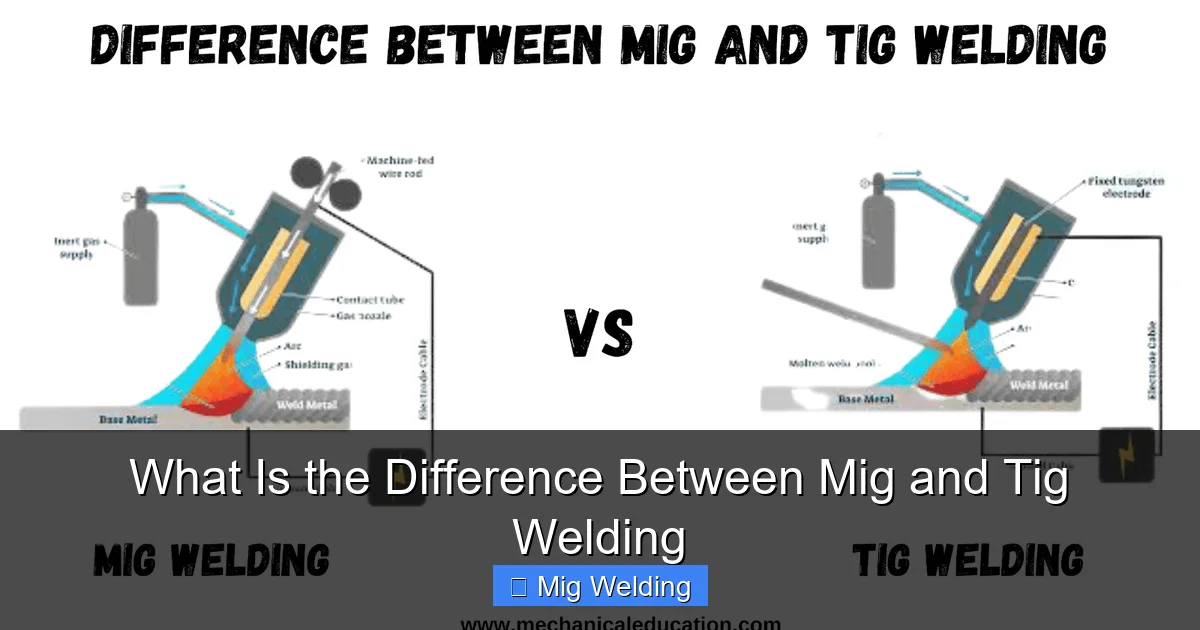
MIG welding, also known as Gas Metal Arc Welding (GMAW), uses a continuous wire electrode fed through a welding gun. An inert gas, usually argon or a mix of gases, shields the weld from contamination. It’s one of the easiest welding techniques for beginners due to its simplicity and speed.
Visual guide about What Is the Difference Between Mig and Tig Welding
Image source: mechanicaleducation.com
How MIG Welding Works
During MIG welding, the welder pulls a trigger, which feeds the wire electrode into the weld puddle. The electric arc melts the wire, which fuses with the base metal. The inert gas shields the weld area, preventing oxidation and ensuring a clean weld.
Tools and Materials Needed
- Welding machine: MIG welder
- Wire electrodes: Solid wire, usually 0.023 to 0.045 inches in diameter
- Shielding gas: Typically argon, CO2, or a mix
- Welding gun and consumables
- Protective gear: Helmet, gloves, apron
When to Use MIG Welding
- Quick projects requiring fast results
- Thick materials like steel or stainless steel
- Automotive repairs and manufacturing
- Beginners learning to weld
What Is TIG Welding?
Definition and Overview
TIG welding, or Gas Tungsten Arc Welding (GTAW), uses a non-consumable tungsten electrode to produce the weld. A separate filler rod can be added for added strength. TIG welding is known for its precision and clean, high-quality welds.

Visual guide about What Is the Difference Between Mig and Tig Welding
Image source: americantorchtip.com
How TIG Welding Works
The welder holds a tungsten electrode in a torch, which creates an electric arc. The welder manually feeds a filler rod into the weld pool if needed. Shielding gas, usually pure argon, protects the weld from contamination. TIG welding requires more skill but offers superior control.
Tools and Materials Needed
- TIG welder: Usually more advanced machines
- Tungsten electrode: Different types depending on material
- Filler rod: Usually aluminum, steel, or other metals
- Shielding gas: Typically pure argon
- Protective gear: Helmet, gloves, proper clothing
When to Use TIG Welding
- Precise, high-quality welds required
- Thin materials like aluminum or sheet metal
- Artistic projects or detailed work
- Welding materials that need a clean finish
Major Differences Between MIG and TIG Welding
Speed and Ease of Use
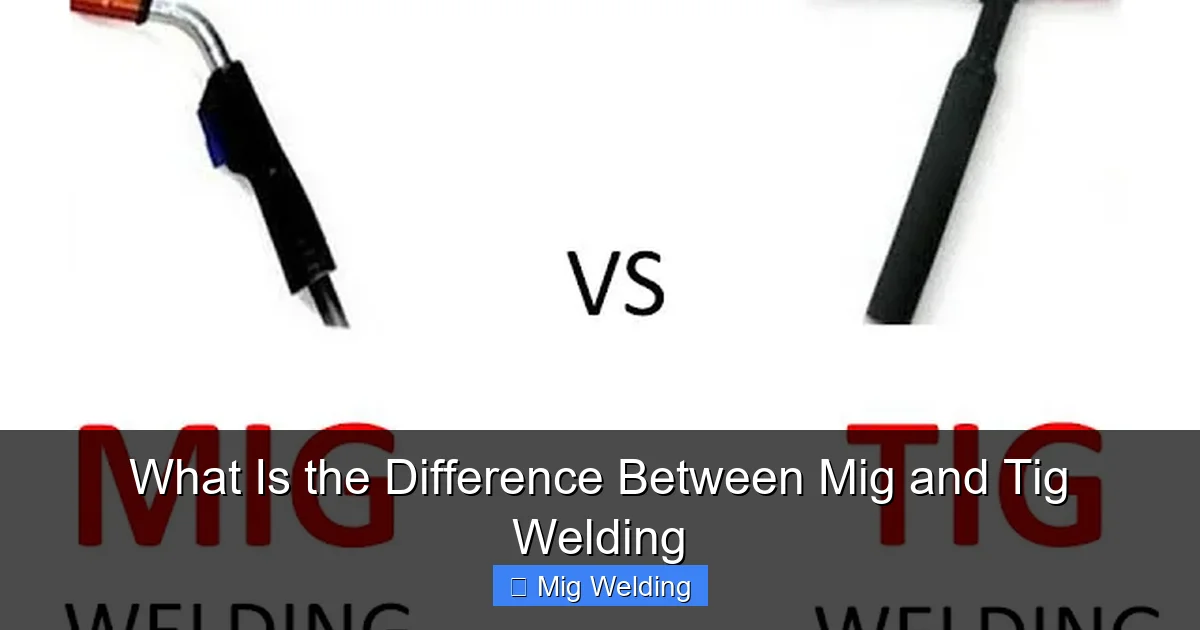
MIG welding is faster and easier to learn. It’s ideal for quick, large-scale projects. TIG welding takes more time and skill but offers greater control and precision.
Visual guide about What Is the Difference Between Mig and Tig Welding
Image source: mech4study.com
Material Compatibility
MIG works well with steel, stainless steel, and aluminum. TIG is better for thin metals, aluminum, and non-ferrous metals.
Weld Quality and Finish
TIG produces cleaner, more precise welds with minimal spatter. MIG welds may require grinding or finishing but are faster to complete.
Application Types
- MIG: Manufacturing, auto body, farm equipment
- TIG: Art, aerospace, bicycle frames, jewelry
Equipment and Cost
MIG welders are generally less expensive and easier to operate. TIG welders are more costly and require more training and skill.
Practical Tips for MIG and TIG Welding
Tips for MIG Welding
- Keep the gun at a consistent angle (~10-15 degrees)
- Maintain the correct wire feed speed and voltage
- Use the appropriate shielding gas for your material
- Practice on scrap metal before working on your project
Tips for TIG Welding
- Maintain a steady hand and consistent travel speed
- Use the correct tungsten type for your metal
- Keep the filler rod in a comfortable position
- Practice controlling the heat to avoid warping or burn-through
Troubleshooting Common Problems
MIG Welding Issues
- Porosity or holes: Check gas flow and cleanliness of surfaces
- Porous welds: Use fresh shielding gas and clean materials
TIG Welding Issues
- Welds are weak or cracked: Adjust heat settings and filler rod feed
- Welds are inconsistent: Practice with steady hand and proper torch angle
Conclusion
Understanding the main differences between MIG and TIG welding helps you pick the right method for your project. MIG is faster and easier, perfect for beginners and large jobs. TIG offers precision and a clean finish, ideal for detailed work and thin materials. With practice and the right tools, you can produce professional-quality welds in either method.
Remember to always prioritize safety, wear protective gear, and practice on scrap before starting your main project. Happy welding!
