

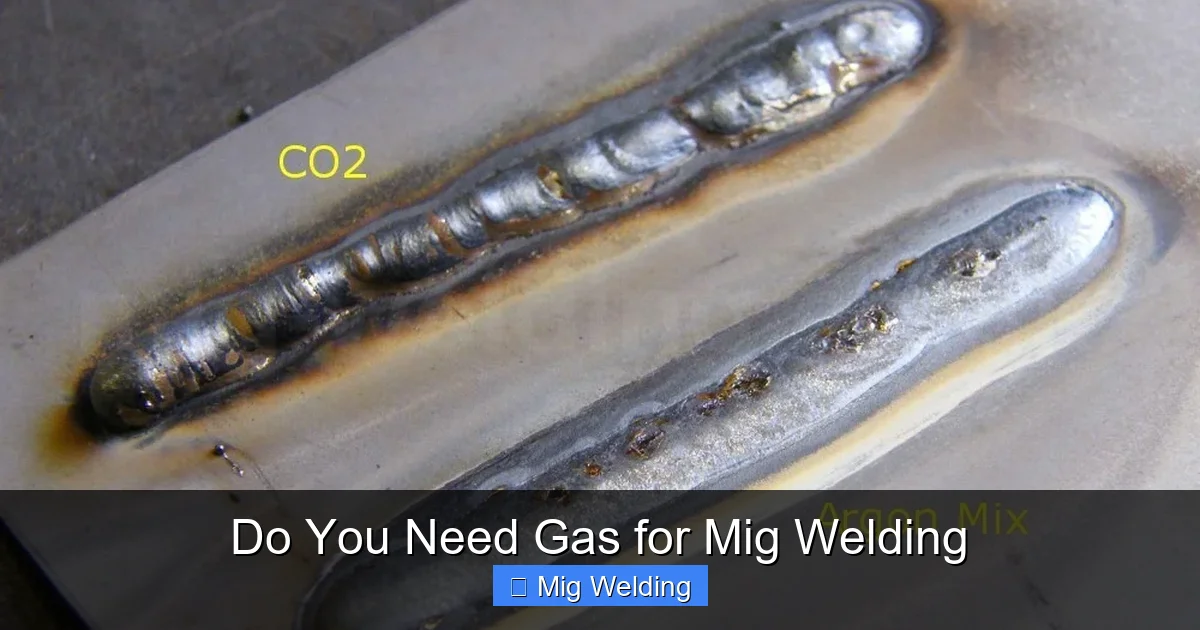
MIG welding often requires shielding gas to produce clean, strong welds. This guide explains when and why you need gas, the types of shielding gases available, and how to choose the right one for your project.
Do You Need Gas for MIG Welding?
If you’re new to MIG welding, one of the first questions you might ask is, “Do I need gas for MIG welding?” The answer depends on the type of MIG welding you plan to do. This comprehensive guide will explain everything you need to know about gas use in MIG welding, including when it’s necessary, what types of gases are available, and how to set up your equipment for optimal results.
Key Takeaways
- MIG welding typically requires shielding gas to protect the weld pool from contamination.
- Gasless MIG welding uses flux-cored wire, eliminating the need for external shielding gas.
- Common shielding gases include Argon, CO2, and blends, each suited for different metals and finishes.
- Choosing the right gas depends on the material, thickness, and desired weld quality.
- Proper setup and safety precautions are essential for effective gas use and safe welding practices.
Understanding MIG Welding and Shielding Gas
MIG welding, or Metal Inert Gas welding, is a popular welding method that uses a continuous wire feed as an electrode. The process involves creating an electric arc between the wire and the metal workpiece, melting both to form a weld. But to keep the weld clean and free from contamination, a shielding gas is usually used.
The shielding gas surrounds the weld pool, protecting it from the atmosphere, especially oxygen, nitrogen, and moisture. Without this protection, the weld can become porous, weak, or oxidized, leading to poor quality welds.
Do You Need Gas for MIG Welding?
When is gas necessary?
In most cases, yes, you need shielding gas for MIG welding to achieve strong, clean welds. Gas helps control the weld pool, reduce spatter, and improve appearance. It’s especially important when welding thin materials or when high-quality welds are required.
Visual guide about Do You Need Gas for Mig Welding
Image source: mig-welding.co.uk
When can you weld without gas?
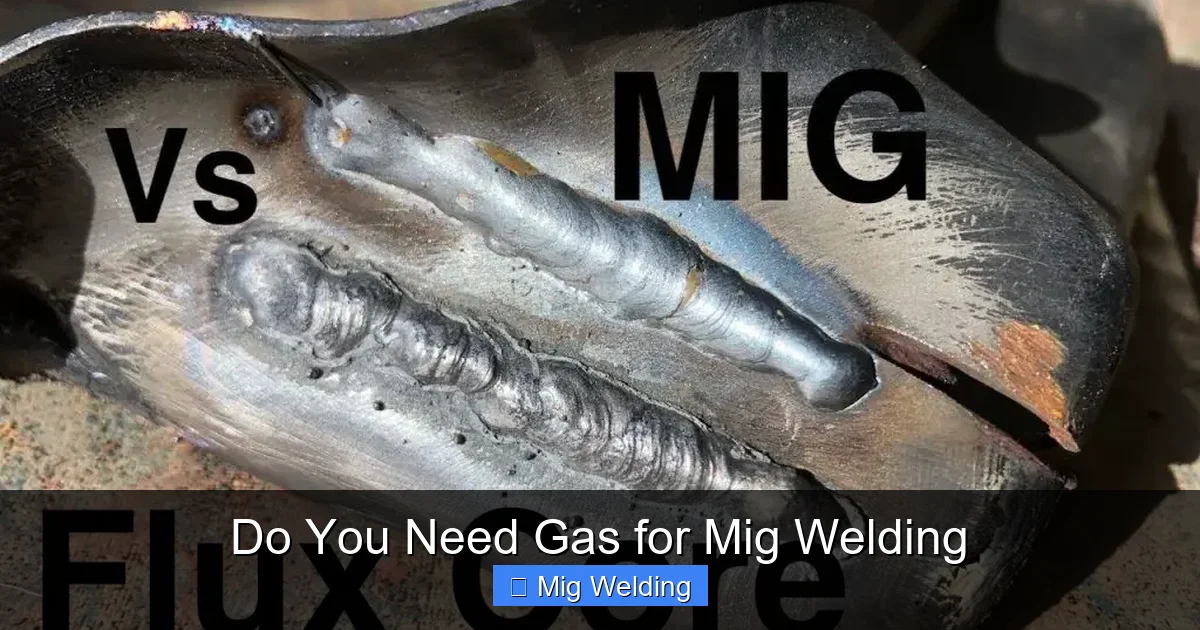
There are exceptions. Some MIG welders use flux-cored wire that contains a flux core. This flux acts as a shield, eliminating the need for external gas. This method, called gasless MIG or flux-cored arc welding (FCAW), is common for outdoor work and thicker metals.
Types of Shielding Gases for MIG Welding
Choosing the right shielding gas is vital for the quality of your weld. Here are the most common types:
Visual guide about Do You Need Gas for Mig Welding
Image source: thetoolreviews.com
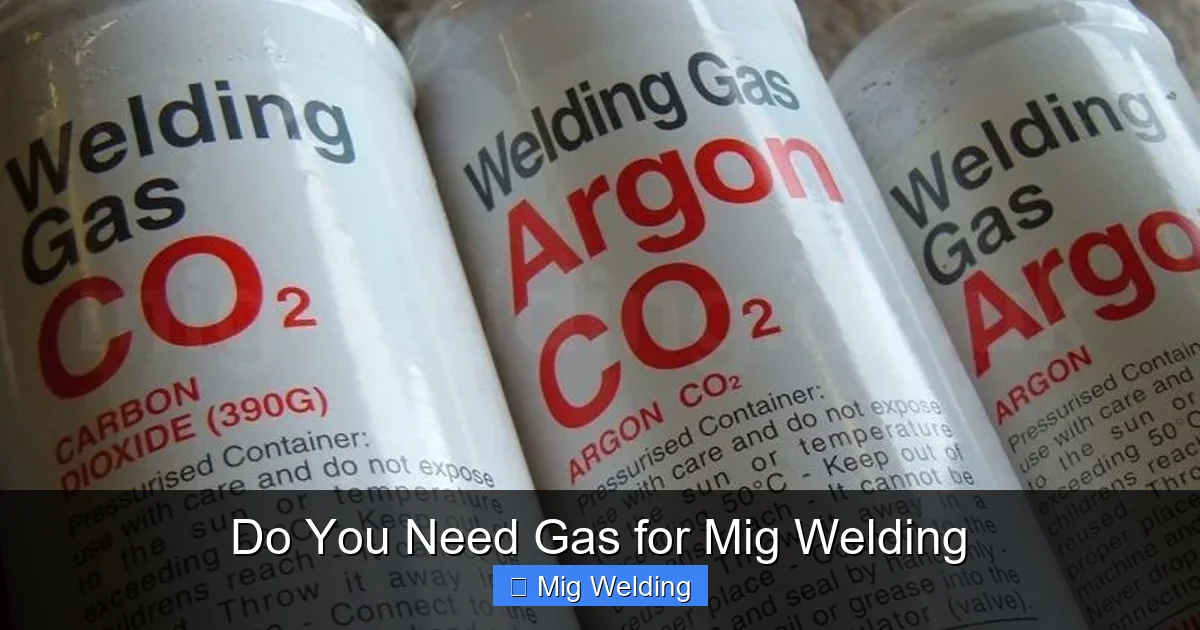
- Argon (Ar): An inert gas that provides a smooth, stable arc. Ideal for welding aluminum and other non-ferrous metals.
- Carbon Dioxide (CO2): A cheaper, active gas that offers deep penetration. Commonly used for mild steel.
- Argon-CO2 Blends: Mixtures such as 75% Argon / 25% CO2 or 90% Argon / 10% CO2 combine benefits of both gases, providing smooth welds with good penetration.
- Other blends: Helium and oxygen mixes are also used for specialized applications but are less common in basic MIG welding setups.
How to Set Up Your MIG Welding Gas System
Step 1: Choose the right gas
Based on your material and desired weld quality, select an appropriate shielding gas. For example, use pure Argon for aluminum or Argon-CO2 blends for steel.
Visual guide about Do You Need Gas for Mig Welding
Image source: beginnerweldingguide.com
Step 2: Attach the gas cylinder
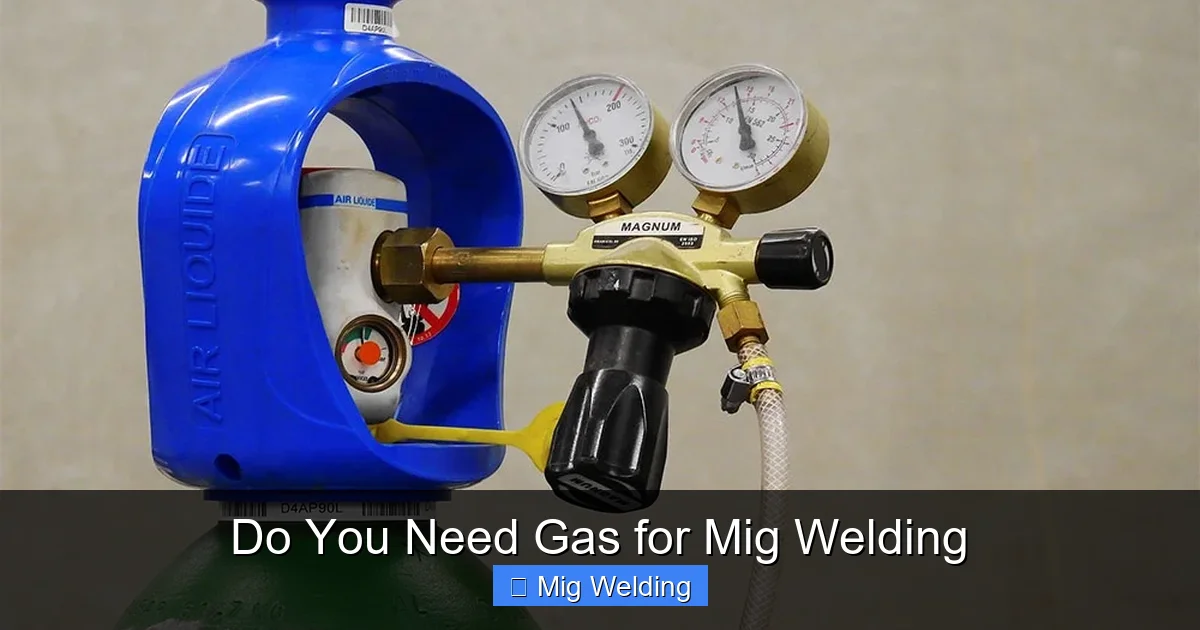
Secure the gas cylinder to your welding cart. Attach the regulator and check for leaks by opening the cylinder valve slightly and listening for hissing sounds.
Step 3: Connect the gas hose
Connect the hose from the regulator to the MIG gun. Make sure all connections are tight and secure.
Step 4: Adjust the flow rate
Set the flow rate on the regulator, typically between 20-30 cubic feet per hour (CFH). Use the flow meter to ensure consistent shielding during welding.
Step 5: Test the setup
Open the gas valve and observe the flow. Do a test weld on scrap metal and check for signs of proper shielding—no excessive spatter or oxidation.
Practical Tips for Using Gas in MIG Welding
- Use the right nozzle: A clean, appropriate-sized nozzle helps direct the gas flow effectively.
- Maintain proper distance: Keep the welding gun at the recommended distance (about 1/4 inch) from the workpiece to ensure proper shielding.
- Avoid drafts: Wind or air currents can disrupt the shielding gas, so weld indoors or in a sheltered area.
- Regularly check for leaks: Periodically inspect hoses and connections for leaks, which can compromise weld quality.
- Use the correct wire and voltage: Match your wire type and size to your project, and set the voltage and wire feed speed according to manufacturer recommendations.
Using Gasless MIG Welding (Flux-Cored Arc Welding)
For outdoor projects or thicker materials, many welders opt for gasless MIG welding using flux-cored wire. This method doesn’t require a gas supply, making it more portable and less sensitive to wind. However, it may produce more smoke and spatter and might not produce as clean a finish as gas-shielded welding.
Troubleshooting Common Gas MIG Welding Issues
- Porosity or holes in the weld: Usually caused by insufficient shielding gas flow or leaks in the system.
- Spatter and rough welds: Can result from incorrect gas type, flow rate, or contaminated nozzles.
- Inconsistent arc: Check for leaks, proper gas flow, and correct gun-to-work distance.
- Oxidation or discoloration: Indicates inadequate shielding or drafts disrupting the gas coverage.
Conclusion
In most MIG welding applications, gas is essential to produce high-quality, strong welds. While flux-cored wire offers a gasless alternative, understanding the types of shielding gases and proper setup can greatly enhance your welding results. Remember to prioritize safety, choose the correct gas for your project, and maintain your equipment regularly for the best outcomes.
Whether you’re a hobbyist or a professional, mastering the use of gas in MIG welding will open up more possibilities and ensure your welds are clean, durable, and visually appealing.
