

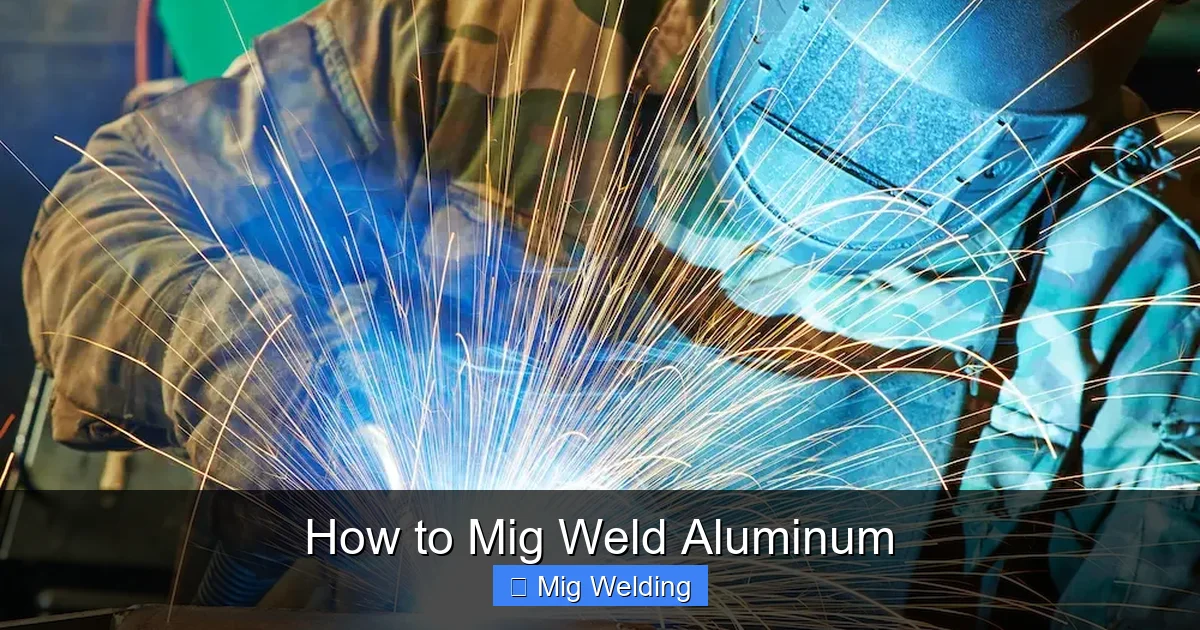
Learning how to MIG weld aluminum can open up new possibilities for your projects. This guide walks you through the essential steps, equipment, and tips needed to achieve strong, clean welds on aluminum using MIG welding techniques. Whether you’re a beginner or looking to improve your skills, you’ll find practical advice to succeed.
Key Takeaways
- Use the right welding equipment: Select a MIG welder capable of handling aluminum and use a spool gun for better control.
- Prepare your workspace and materials: Clean the aluminum thoroughly to remove dirt, oil, and oxidation before welding.
- Choose the correct shielding gas: Use 100% argon or a mix recommended for aluminum to ensure proper shielding.
- Set proper welding parameters: Adjust voltage, wire feed speed, and travel speed based on aluminum thickness.
- Practice good welding technique: Keep a steady hand, maintain proper torch angle, and use short, controlled welds.
- Troubleshoot common issues: Address porosity, weak welds, and burn-through with proper settings and prep.
How to MIG Weld Aluminum
Welding aluminum with a MIG welder might seem challenging at first, but with the right equipment, preparation, and technique, you can produce strong, clean welds. This guide will walk you through each step, from understanding the basics to troubleshooting common problems. Whether you’re a DIY enthusiast or a professional, mastering aluminum MIG welding will expand your capabilities and improve your projects.
Understanding the Basics of MIG Welding Aluminum
MIG (Metal Inert Gas) welding involves feeding a continuous wire through a welding gun while shielding it with an inert gas. Aluminum presents unique challenges due to its high thermal conductivity and oxide layer. To weld aluminum successfully, you need specialized equipment, proper prep, and specific settings.
Visual guide about How to Mig Weld Aluminum
Image source: millerwelds.com
Equipment Needed for MIG Welding Aluminum
MIG Welder
Choose a MIG welder capable of handling aluminum wire and high-frequency start features. A spool gun is highly recommended for aluminum, as it helps feed soft aluminum wire smoothly.

Visual guide about How to Mig Weld Aluminum
Image source: americanindustrialsupl.com
Wire and Spool
- Wire Type: Use 4043 or 5356 aluminum MIG wire. 4043 is easier to work with, while 5356 offers higher strength.
- Wire Diameter: Common sizes are 0.035″ or 0.045″. Thinner wire is suitable for thinner materials, thicker wire for heavier gauge.
Shielding Gas
- Gas Type: 100% argon is ideal for aluminum. Some setups use a mix of argon and helium for increased penetration and better arc stability.
Additional Tools
- Spool gun: For feeding aluminum wire easily.
- Grinder and wire brush: To clean aluminum surfaces before welding.
- Clamps and fixtures: To hold materials securely.
Preparing Your Workspace and Materials
Cleaning the Aluminum
Aluminum forms a tough oxide layer that prevents proper welding. Use a stainless steel wire brush or grinder to clean the area thoroughly. Remove dirt, oil, and any paint or coatings. For best results, clean the surface immediately before welding.
Visual guide about How to Mig Weld Aluminum
Image source: materialwelding.com
Choosing the Right Aluminum Material
Use pure aluminum or specific alloys designed for welding. Avoid aluminum with corrosion or damage. For structural projects, select appropriate alloy grades.
Setting Up Your MIG Welder for Aluminum
Adjusting the Settings
- Wire feed speed: Set according to the wire diameter and material thickness. Typically, 300-600 inches per minute.
- Voltage: Start with manufacturer recommendations based on material thickness. Thinner aluminum needs lower voltage.
- Shielding gas: Use a flow rate of around 20-30 CFH (cubic feet per hour).
Using a Spool Gun
The spool gun feeds the soft aluminum wire directly into the weld area, reducing tangling and improving feed consistency. Connect the spool gun to your MIG welder, load the aluminum wire spool, and set the appropriate parameters.
Welding Technique for Aluminum
Starting the Weld
Hold the gun at a 15-20 degree angle to the workpiece. Keep the contact tip close to the work surface, about 1/4 inch, but avoid touching the aluminum directly.
Welding Speed and Motion
- Maintain a consistent travel speed—too slow causes burn-through; too fast leads to weak welds.
- Use short, overlapping welds for better control and penetration.
Maintaining the Arc
Keep a steady hand to maintain a smooth arc. Use a slight weaving motion if needed to fill wider gaps. Avoid stopping the arc abruptly, which can cause porosity.
Practicing and Improving Your Welds
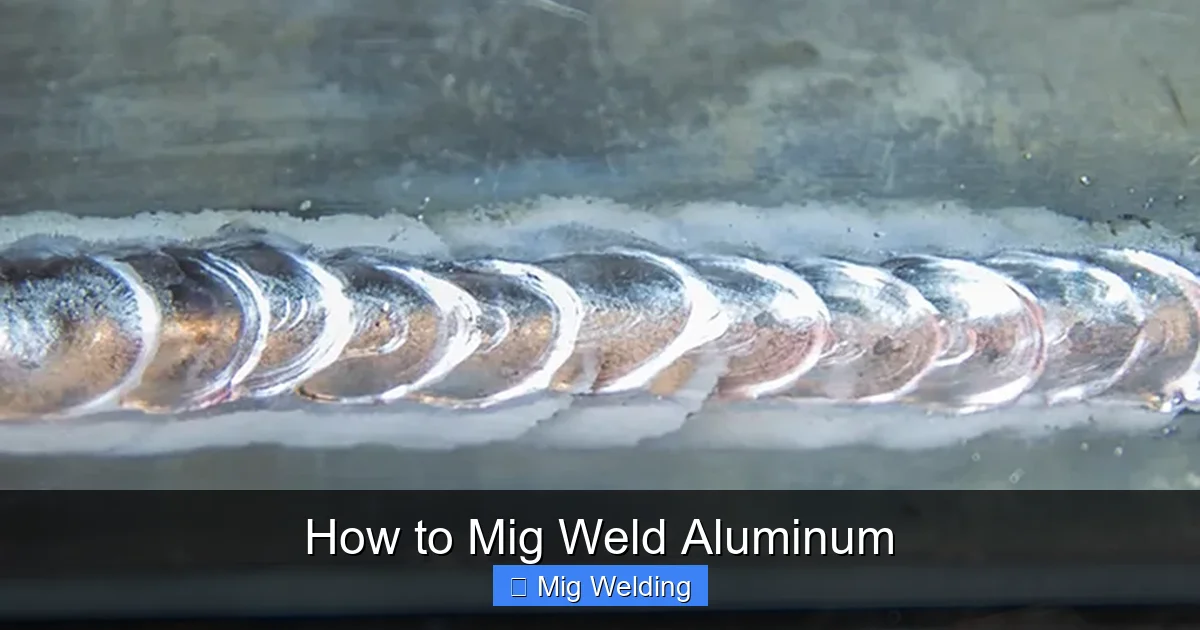
Practice on scrap aluminum sheets to refine your technique. Adjust your settings as needed and observe the weld quality. Look for uniform, shiny beads without holes or excessive spatter.
Troubleshooting Common Issues
Porosity
This happens when shielding gas coverage is insufficient. Ensure proper gas flow and clean the aluminum thoroughly.
Weak or Porous Welds
Check your wire feed speed and voltage. Make sure the aluminum is clean and the shielding gas is flowing properly.
Burn-Through
Reduce heat input by lowering voltage or increasing travel speed. Use thinner wire for delicate work.
Conclusion
Mastering MIG welding aluminum takes practice, but with the right equipment and techniques, you can produce strong, clean welds for many projects. Remember to always prioritize safety, keep your workspace clean, and experiment with settings to find what works best for your specific aluminum thickness and alloy.
Additional Tips
- Always wear proper safety gear, including gloves, mask, and protective clothing.
- Work in a well-ventilated area to avoid inhaling fumes.
- Take your time—rushing can lead to mistakes and poor welds.
