

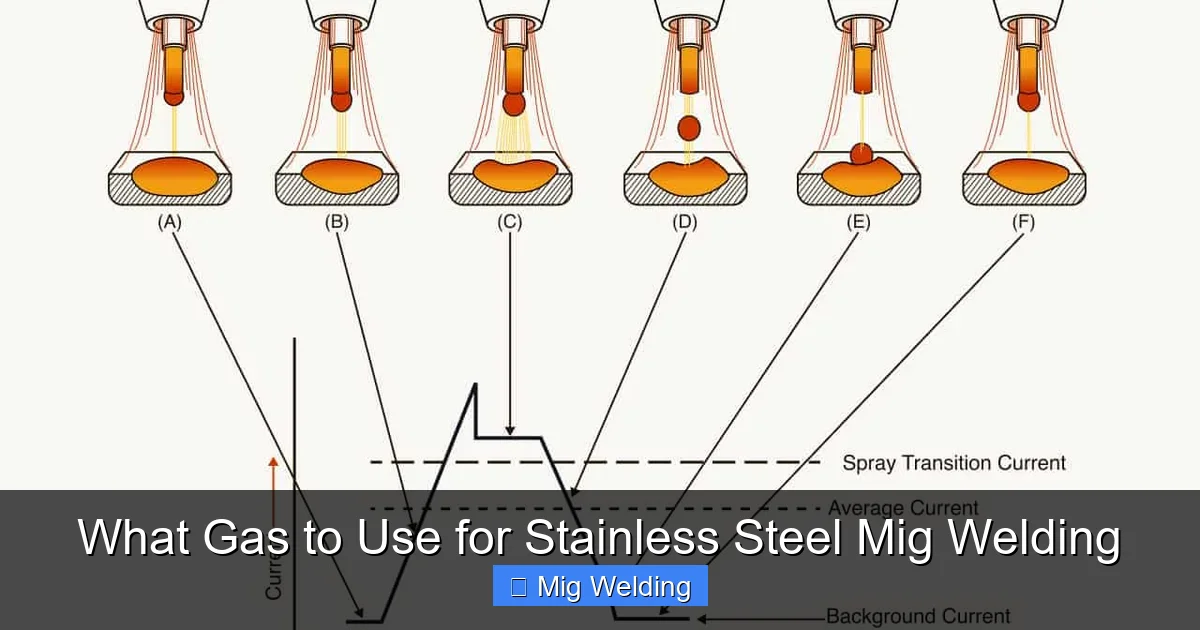
In this guide, you’ll learn what gas to use for stainless steel MIG welding. We’ll cover different shielding gases, their advantages, and how to choose the right one for your project to ensure high-quality welds.
Key Takeaways
- Identify the primary shielding gases: Argon, CO2, and mixtures are commonly used for stainless steel MIG welding.
- Pure Argon: Provides a smooth, clean weld with minimal spatter but less penetration.
- Argon-CO2 mixtures: Offer good penetration and weld quality, often used for stainless steel.
- 99% Argon with small amounts of Oxygen or CO2: Enhances arc stability and weld appearance.
- Choose the right gas based on your weld type: Thin materials vs. thicker sections require different gas mixtures.
- Safety first: Always handle shielding gases with care and use proper equipment for safe welding.
Introduction
If you’re diving into stainless steel MIG welding, one of the most important choices you’ll make is selecting the right shielding gas. This gas protects the molten weld pool from atmospheric contamination, ensuring strong, clean, and corrosion-resistant welds. But with options like pure argon, CO2, and various blends, it can be confusing to know which gas is best for your project. In this guide, we’ll walk you through the different gases suitable for stainless steel MIG welding, their benefits, and how to choose the right one for your needs.
Understanding Shielding Gases in MIG Welding
Shielding gases are invisible gases that envelop the weld area during MIG welding. They prevent oxidation, porosity, and other defects by displacing atmospheric gases like oxygen and nitrogen. The choice of shielding gas impacts the weld’s appearance, strength, and corrosion resistance, especially for stainless steel.
Common Gases for Stainless Steel MIG Welding
1. Pure Argon
Pure argon is often the default shielding gas for MIG welding stainless steel. It creates a smooth arc, produces minimal spatter, and results in a clean, shiny weld appearance. However, pure argon alone offers less penetration compared to other mixtures, so it’s best suited for thin stainless steel sheets or decorative welds.
2. Argon-CO2 Mixtures
Blends like 90% argon / 10% CO2 or 95% argon / 5% CO2 are popular for stainless steel. These mixtures balance arc stability, penetration, and weld quality. They produce a slightly more aggressive arc than pure argon but still deliver a clean weld with good corrosion resistance.
3. 98% or 99% Argon with Small Additions of Oxygen or CO2
Adding small amounts of oxygen (around 1-2%) or CO2 improves arc stability and weld bead appearance. These gases help reduce spatter and improve weld consistency, especially on thicker stainless steel sections.
How to Choose the Right Gas for Your Stainless Steel MIG Welding Project
Consider Material Thickness
If you’re welding thin stainless steel sheets (<1/8 inch), pure argon or low-percentage argon blends are ideal. For thicker materials, a higher percentage of argon with small amounts of CO2 or oxygen provides better penetration.
Desired Weld Appearance
For decorative or visible welds, pure argon produces a bright, smooth finish. For structural welds requiring strength and corrosion resistance, argon-CO2 blends work best.
Welding Position and Technique
Vertical or overhead welding may benefit from more stable arcs, which are offered by argon-rich mixtures. Practice and testing can help determine the best gas for your specific setup.
Practical Tips for Using Shielding Gases in Stainless Steel MIG Welding
- Use the correct flow rate: Typically 20-30 CFH (cubic feet per hour). Too high can cause turbulence; too low may lead to contamination.
- Check for leaks: Ensure all connections are tight to prevent atmospheric contamination.
- Stay consistent: Use the same gas mixture throughout your project for uniform results.
- Use a dedicated gas cylinder: To avoid cross-contamination with other gases or processes.
Common Troubleshooting Tips
- Porosity or holes in welds: Check for leaks in the gas line or insufficient shielding gas flow.
- Spatter issues: Adjust the shielding gas flow or try a different gas mixture for better arc stability.
- Poor weld appearance: Ensure your torch angle and travel speed are correct, and the gas flow is proper.
Conclusion
Choosing the right gas for stainless steel MIG welding is crucial for achieving durable, corrosion-resistant welds. Pure argon offers a smooth, clean finish for thin or decorative work, while argon-CO2 blends provide strength and good appearance for structural projects. Always consider your material thickness, weld type, and desired finish when selecting your shielding gas. With the right choice and proper technique, you’ll produce high-quality stainless steel welds that stand the test of time.
Additional Resources
- Consult your welding equipment manufacturer for specific gas recommendations.
- Practice on scrap material before working on your final project.
- Always wear appropriate safety gear and work in a well-ventilated area.
