

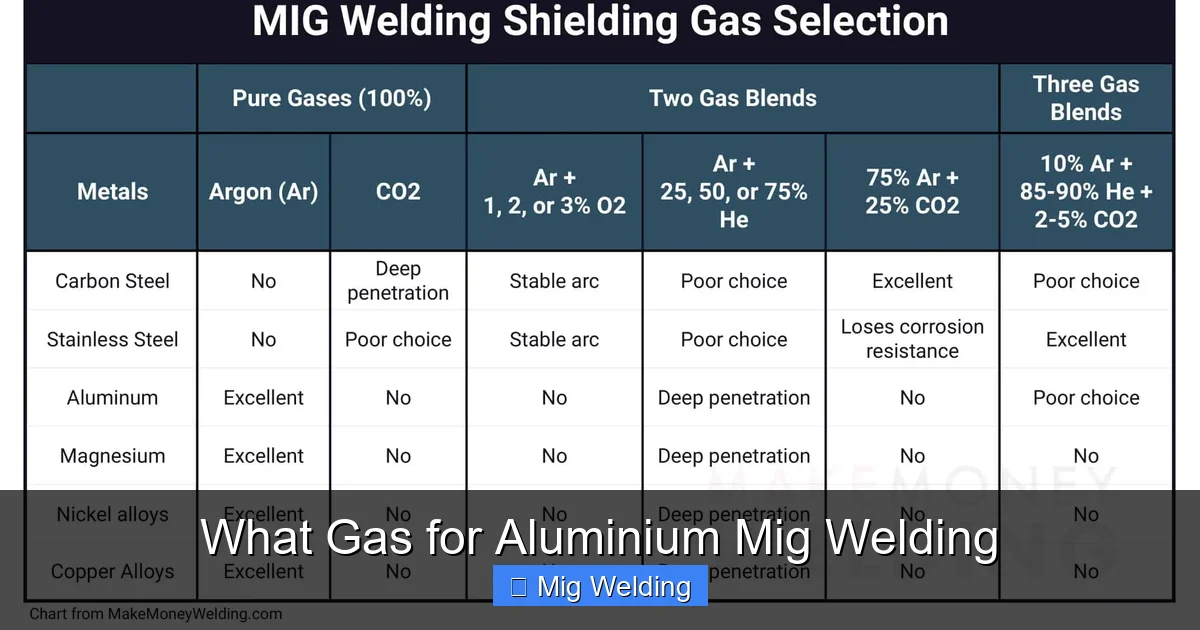
Aluminium MIG welding requires the right shielding gas to ensure strong, clean welds. This guide explores the most suitable gases, how to choose them, and tips for optimal results. Whether you’re a beginner or experienced welder, understanding gas selection is key to success.
What Gas for Aluminium MIG Welding
If you’re diving into aluminium MIG welding, one of the most important decisions you’ll make is choosing the right shielding gas. The gas you select influences weld quality, penetration, appearance, and ease of welding. In this comprehensive guide, we’ll cover the best gases for aluminium MIG welding, how to choose them, and tips for achieving perfect welds every time.
Key Takeaways
- Pure Argon: The most common shielding gas for aluminium MIG welding, providing excellent arc stability and a smooth weld.
- Argon/Helium Mixes: Enhances weld penetration and improves weld bead appearance, especially on thicker aluminium.
- Pure Helium: Offers high heat input but is less common due to cost; used for specific applications requiring deep penetration.
- Choosing the Right Gas: Depends on aluminium thickness, desired weld quality, and budget.
- Practical Tips: Always use clean, dry gas cylinders and check for leaks to ensure weld quality.
- Troubleshooting: Incorrect gas choice can lead to porosity, weak welds, or excessive spatter. Adjust gas type accordingly.
Introduction: Why Gas Choice Matters in Aluminium MIG Welding
Aluminium is a popular but challenging metal to weld. Its high thermal conductivity and oxide layer require precise techniques and the right shielding gas. The right gas protects the molten weld pool from contamination, ensures stability, and influences the final weld quality. Using the wrong gas can cause issues like porosity, weak welds, or excessive spatter.
Let’s explore the most suitable gases for aluminium MIG welding and how to select the best one for your project.
Understanding the Basics of Shielding Gases
Shielding gases are inert or semi-inert gases that surround the weld pool, preventing oxidation and contamination. For aluminium, inert gases are preferred because they do not react with the metal during welding. The two main gases used are argon and helium, often mixed for specific benefits.
Visual guide about What Gas for Aluminium Mig Welding
Image source: weldguru.com
Best Gases for Aluminium MIG Welding
1. Pure Argon
Overview: Argon is the most popular shielding gas for aluminium MIG welding. It’s inexpensive, readily available, and easy to use. Pure argon provides a stable arc and produces smooth, clean welds, especially on thin aluminium sheets.
Visual guide about What Gas for Aluminium Mig Welding
Image source: weldguru.com
Advantages:
- Excellent arc stability
- Good for thin and medium thickness aluminium
- Produces minimal spatter and porosity
Limitations: Might not provide enough penetration on thicker aluminium.
2. Argon/Helium Mixture
Overview: Mixing helium with argon enhances the weld’s heat input and penetration. Typical mixes are 75% argon / 25% helium or 50/50, depending on the application.
Advantages:
- Deeper penetration
- Wider weld beads
- Improved weld appearance
Limitations: Slightly more expensive and may require adjustments in welding parameters.
3. Pure Helium
Overview: Helium alone is used mainly for very thick aluminium or specialized applications. Helium offers high heat input, leading to deep penetration.
Advantages:
- High heat input
- Deep weld penetration
Limitations: Costly and can cause unstable arcs if not managed properly.
How to Choose the Right Gas for Your Aluminium MIG Welding Project
Choosing the best shielding gas depends on several factors:
Visual guide about What Gas for Aluminium Mig Welding
Image source: weldguru.com
- Aluminium Thickness: Thin sheets benefit from pure argon, while thicker material may need argon/helium mixes for better penetration.
- Weld Quality: For a smooth, clean weld, pure argon is ideal. For stronger, deeper welds, consider argon/helium mixes.
- Budget: Pure argon is more affordable, while mixes and helium are more expensive but offer performance benefits.
- Equipment Compatibility: Ensure your MIG welder can handle the gas mix and adjust settings accordingly.
Step-by-Step Guide to MIG Welding Aluminium with the Correct Gas
Step 1: Preparing Your Equipment
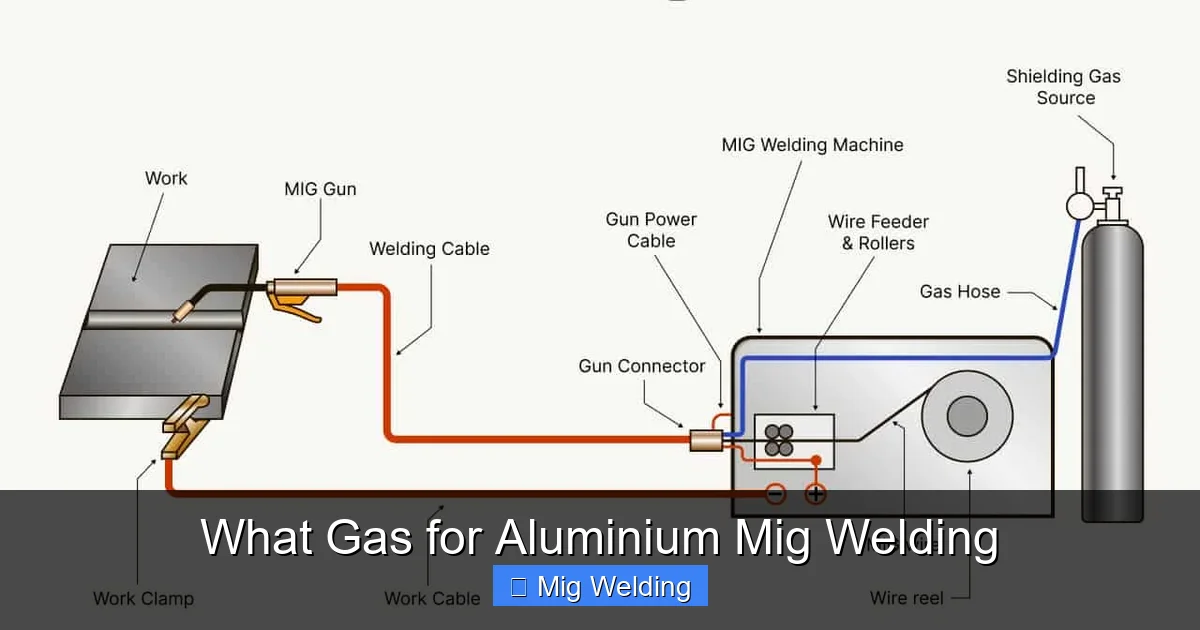
Before starting, ensure your MIG welder is equipped for aluminium welding:
- Use a spool gun or a dedicated aluminium wire feed system
- Check the gas regulator and hoses for leaks
- Use a clean, dry cylinder of the selected shielding gas
Step 2: Selecting the Right Gas
Based on your project needs, select the appropriate gas:
- Thin aluminium sheets? Use pure argon.
- Thicker aluminium or requiring greater penetration? Opt for argon/helium mix.
Step 3: Setting Up Your Welder
Adjust your welder settings:
- Wire type and size: Use a dedicated aluminium MIG wire (e.g., 4043 or 5356)
- Wire feed speed: Set according to wire diameter and material thickness
- Voltage and amperage: Follow manufacturer recommendations for aluminium
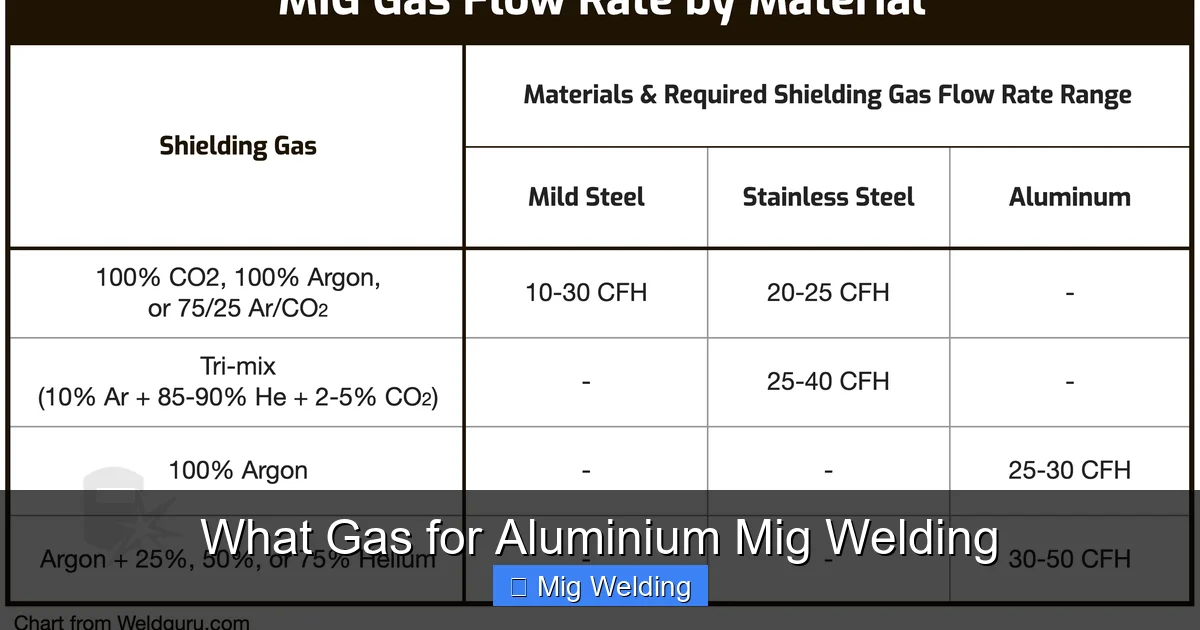
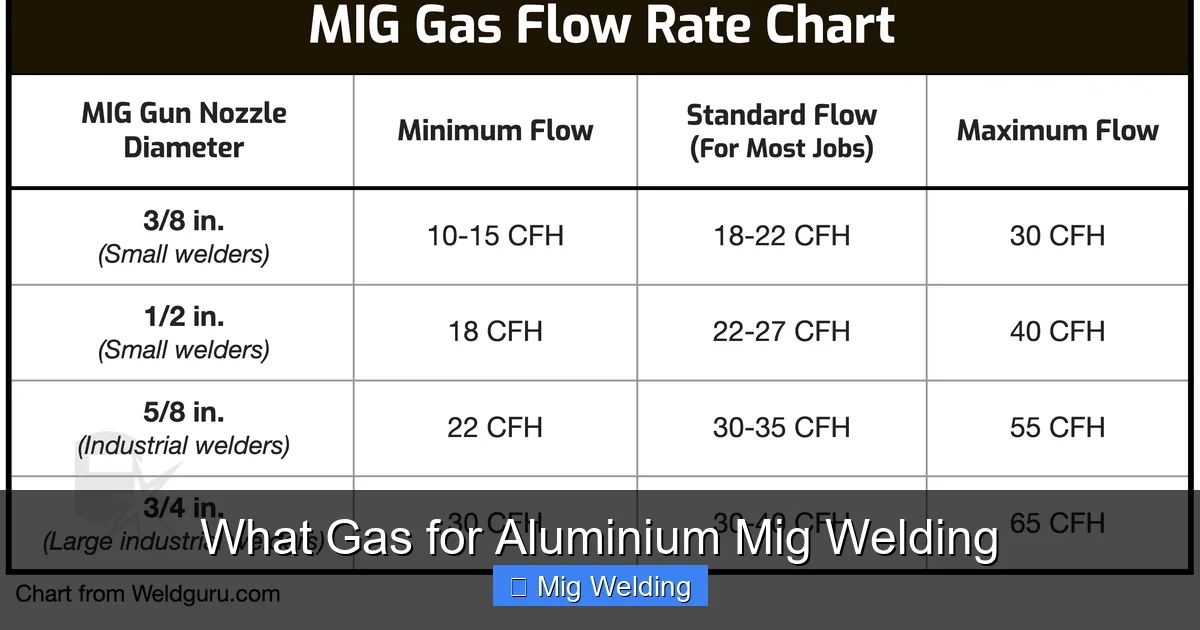
- Gas flow rate: Typically 20-30 CFH (cubic feet per hour), but check your equipment specs
Step 4: Preparing the Aluminium Surface
Clean the aluminium thoroughly to remove oxide layers and contaminants:
- Use a stainless steel brush dedicated to aluminium
- Wipe with a solvent or acetone to remove oils and dirt
Step 5: Welding Technique
Follow these tips for quality welds:
- Maintain a steady travel speed
- Keep a consistent arc length
- Use proper shielding gas coverage, ensuring adequate flow
- Weld in a clean, draft-free environment
Practical Tips for Better Aluminium MIG Welds
- Always use a clean and dry gas cylinder to prevent contamination.
- Adjust your gas flow rate if you notice porosity or spatter.
- Use a spool gun for better feedability and less wire contamination.
- Practice on scrap pieces to dial in settings before working on your main project.
- Weld in a well-ventilated area to prevent inhalation of fumes.
Troubleshooting Common Issues
Porosity in Welds
This is often caused by contaminated or improper shielding gas. Ensure the gas cylinder is clean, connections are tight, and the flow rate is correct.
Weak or Cracked Welds
Could be due to insufficient heat or wrong gas mixture. Increase voltage or use a mix with helium for better penetration.
Excessive Spatter
Check your gas flow rate and ensure the tip is clean. Use a proper shielding gas and maintain consistent travel speed.
Conclusion: Achieving Perfect Aluminium MIG Welds
Choosing the right gas for aluminium MIG welding is crucial for high-quality results. Pure argon is the go-to choice for most applications, especially for thin materials, while argon/helium mixes excel in thicker work requiring deeper penetration. Always prepare your surface, set your equipment correctly, and practice good welding habits. With the right gas and technique, you can produce strong, clean aluminium welds with ease.
Additional Resources
For more detailed information, consult your welding equipment manual or speak with a professional supplier. Continuous practice and proper safety protocols will help you master aluminium MIG welding efficiently.
