

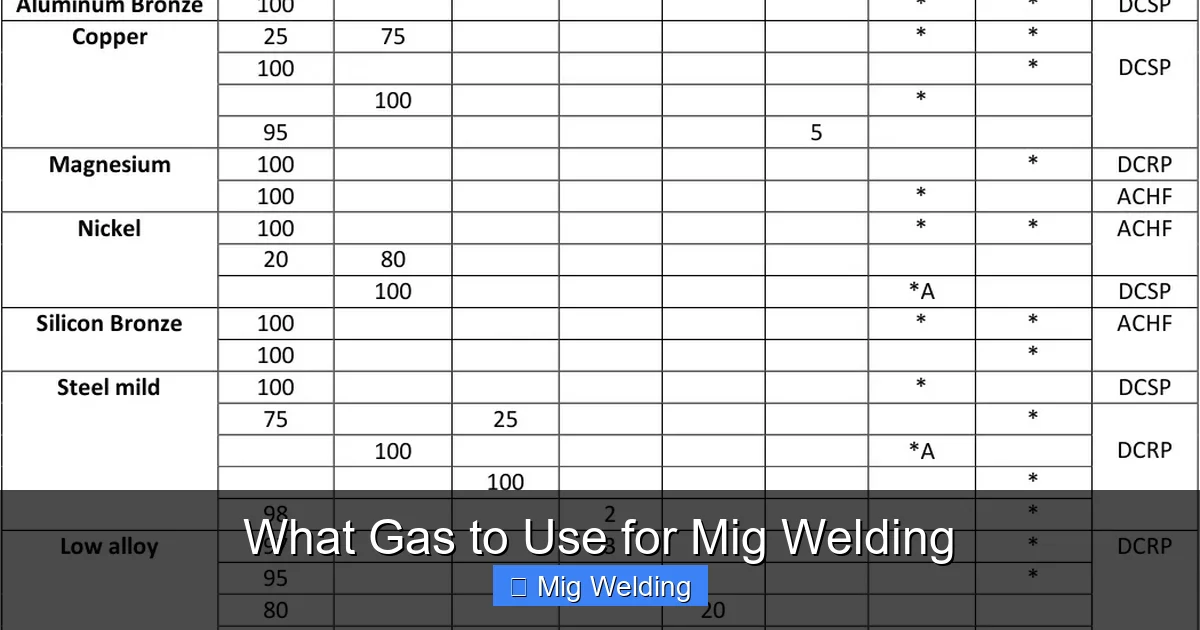
Choosing the right gas for MIG welding is essential for achieving strong, clean welds. This guide covers common shielding gases, their uses, and tips to help you select the best option for your project.
Key Takeaways
- Different gases serve different purposes: Choosing the right shielding gas depends on the metal type and welding conditions.
- Common MIG shielding gases include: Argon, CO2, and blends like Argon/CO2 mixtures.
- Pure argon is ideal for: Welding aluminum and other non-ferrous metals for smooth, clean welds.
- CO2 offers: Good penetration and affordability, making it popular for steel welding.
- Gas blends improve results: Mixtures like 75% Argon/25% CO2 balance weld quality and cost.
- Safety and equipment considerations: Always ensure proper ventilation and compatible equipment when using gas cylinders.
- Experiment and adjust: Testing different gases helps find the best for your specific welding needs.
Introduction
If you’re new to MIG welding or looking to improve your weld quality, understanding what gas to use for MIG welding is crucial. The right shielding gas protects your weld pool from contamination, influences the weld bead, and affects overall results. This guide will walk you through the most common gases, their benefits, and how to choose the best one for your project.
What is MIG Welding and Why Does Gas Matter?
MIG (Metal Inert Gas) welding, also known as GMAW (Gas Metal Arc Welding), uses a continuous wire feed as an electrode and a shielding gas to protect the weld from atmospheric contamination. The shielding gas creates an inert or semi-inert atmosphere around the weld pool, preventing oxidation and ensuring a clean, strong weld.
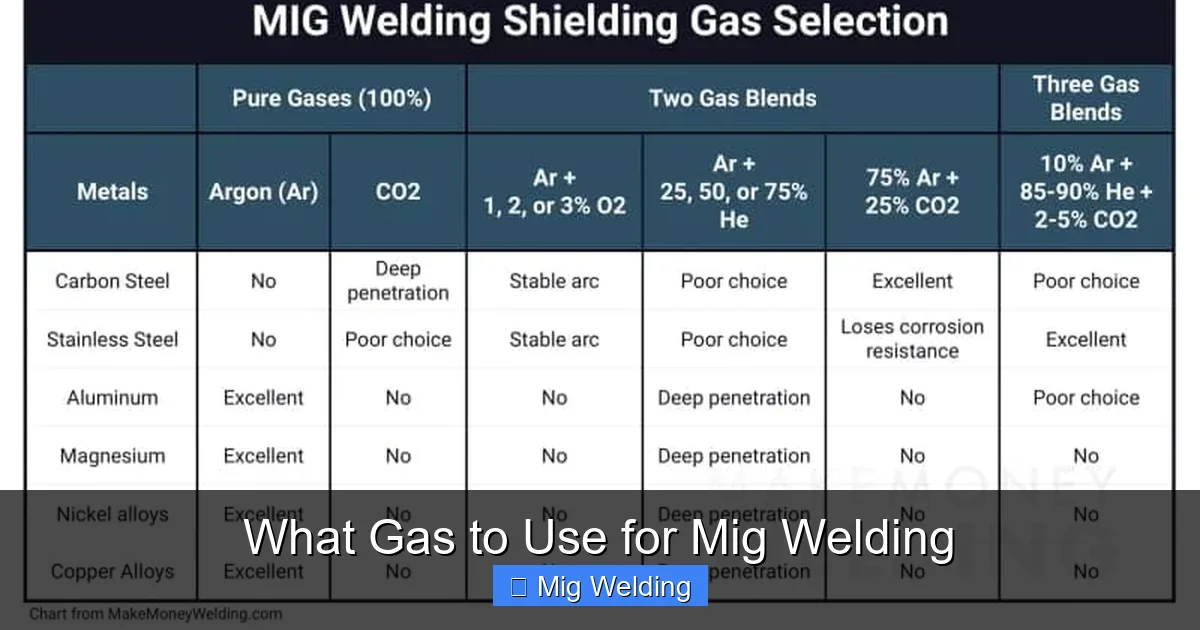
Visual guide about What Gas to Use for Mig Welding
Image source: makemoneywelding.com
Choosing the correct gas impacts the weld’s appearance, strength, penetration, and stability. Different metals and applications require different gases for optimal results.
Types of Gases Used in MIG Welding
1. Pure Argon
Argon is a noble gas that provides excellent shielding and is very stable. It produces smooth, clean welds with minimal spatter. It’s mainly used for welding non-ferrous metals like aluminum, magnesium, and copper.
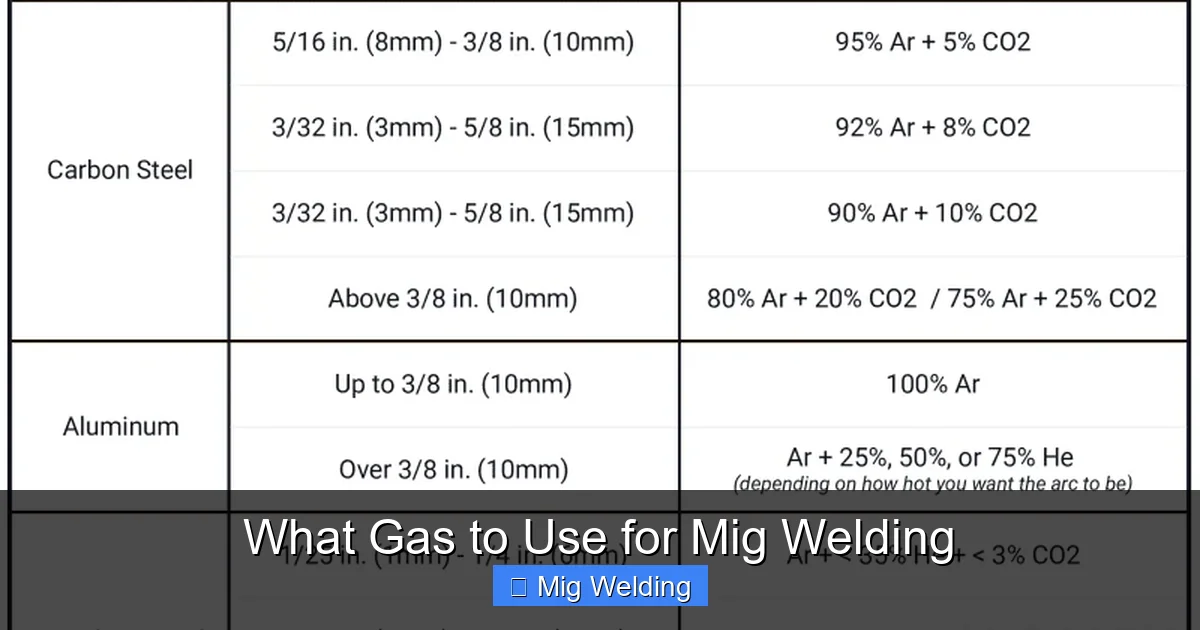
Visual guide about What Gas to Use for Mig Welding
Image source: makemoneywelding.com
2. Carbon Dioxide (CO2)
CO2 is an affordable and effective shielding gas for steel. It provides good penetration and deep welds but may result in more spatter and a less smooth finish compared to argon.
3. Argon/CO2 Blends
These mixtures combine the benefits of both gases. Common blends include 75% Argon/25% CO2 or 90% Argon/10% CO2. They offer a balance of good weld quality, penetration, and cost-effectiveness.
4. Other Mixtures
Sometimes, other gases like helium or oxygen are added to create specialized blends for specific applications, but these are less common in typical MIG welding.
How to Choose the Right Gas for Your MIG Welding Project
Step 1: Identify Your Metal Type
The type of metal you’re welding heavily influences your choice of shielding gas. For example, aluminum requires pure argon, whereas steel often benefits from CO2 or argon blends.
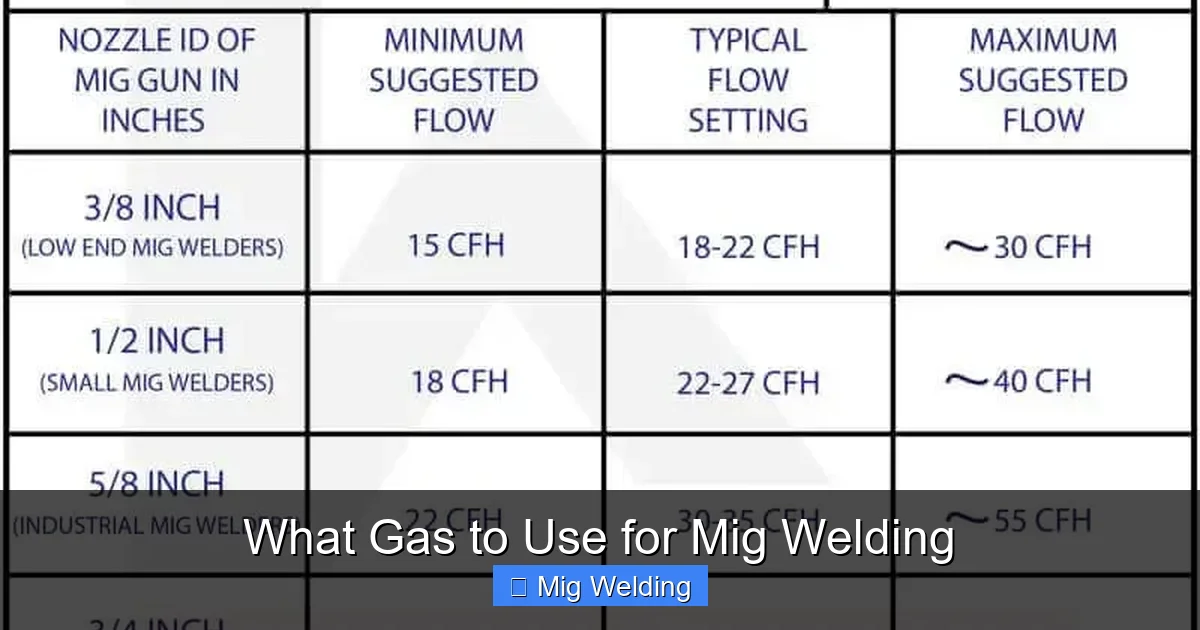
Visual guide about What Gas to Use for Mig Welding
Image source: workshopinsider.com
Step 2: Consider the Welding Environment
If you’re working outdoors, a more stable gas like an argon blend helps prevent weld defects caused by wind or drafts. Indoor welding conditions are more forgiving.
Step 3: Evaluate Your Budget and Quality Needs
CO2 is cheaper but may produce more spatter and less aesthetic welds. Argon and blends cost more but provide cleaner, smoother results.
Step 4: Match Gas to Equipment
Ensure your MIG welder and gas regulator are compatible with the chosen shielding gas. Some machines are optimized for specific gases or blends.
Practical Tips for Using Shielding Gases Effectively
- Maintain proper gas flow: Typically between 20-30 CFH (cubic feet per hour).
- Check for leaks: Regularly inspect hoses and connections.
- Use the right nozzle and tip: Ensure they are clean and compatible with your gas and wire.
- Adjust your welding parameters: Gas type influences voltage, wire feed speed, and travel speed.
- Store gases safely: Keep cylinders upright, secure, and away from heat sources.
Common MIG Welding Gas Mixture Examples
- 100% Argon: Excellent for aluminum and non-ferrous metals.
- 80% Argon / 20% CO2: Popular for steel, offering a balance of weld quality and affordability.
- 75% Argon / 25% CO2: Often used for general-purpose steel welding, providing good weld bead appearance.
- 90% Argon / 10% CO2: Slightly better weld appearance with good penetration.
Troubleshooting Common Problems Related to Welding Gas
- Porosity in welds: Usually caused by contaminated or insufficient shielding gas. Check for leaks and proper gas flow.
- Spatter: Excessive spatter can result from too high gas flow or incompatible gas. Adjust flow rate or change gas mixture.
- Poor bead appearance: May be due to incorrect gas selection. Switch to a more suitable blend or pure gas.
- Weld cracking or brittleness: Inadequate shielding or contaminated gas can cause defects. Ensure clean gas and proper technique.
Conclusion
Choosing the right gas for MIG welding is vital for achieving high-quality welds. Your choice depends on the metal type, environment, budget, and desired finish. Whether you’re welding steel, aluminum, or other metals, understanding the differences between argon, CO2, and blends helps you make informed decisions for better results.
Experiment with different gases and settings to find what works best for your specific needs. Proper handling and safety precautions are equally important for a successful welding experience.
Final Tips
- Always use fresh, uncontaminated gas cylinders.
- Follow manufacturer recommendations for your welding machine.
- Practice on scrap pieces before working on your main project.
- Keep safety gear handy, including masks, gloves, and ventilation.
