


Can you MIG weld galvanized steel? Yes, you can, but it requires proper preparation and safety precautions. This guide walks you through the steps, tips, and troubleshooting to weld galvanized steel effectively and safely.
Key Takeaways
- MIG welding galvanized steel is possible: With the right techniques, you can weld galvanized steel successfully.
- Proper safety precautions are essential: Use adequate ventilation, wear protective gear, and avoid inhaling fumes.
- Preparation is key: Remove the zinc coating where welding to prevent harmful fumes and improve weld quality.
- Use the correct settings: Adjust your MIG welder’s voltage and wire feed for galvanized steel to get optimal results.
- Post-weld cleanup is important: Clean the weld area and check for any issues or zinc residues.
- Practice makes perfect: Practice on scrap pieces to refine your technique before working on your main project.
- Know when to seek professional help: For thick or structural galvanized steel, consulting an expert might be best.
Introduction
If you’re a DIY enthusiast or professional welder, you might wonder if you can MIG weld galvanized steel. The answer is yes, but it comes with some important considerations. Galvanized steel is coated with zinc to prevent rusting, which presents unique challenges during welding. The fumes from zinc vapor can be harmful, and the coating can affect the quality of your weld. In this comprehensive guide, you’ll learn how to safely and effectively MIG weld galvanized steel, from preparation to finishing touches. We’ll cover everything you need to know to get strong welds while protecting your health.
Understanding Galvanized Steel and MIG Welding
What is Galvanized Steel?
Galvanized steel is steel coated with a layer of zinc. This coating protects the steel from corrosion and rust, making it ideal for outdoor or moist environments. However, zinc has a melting point lower than steel, which influences the welding process.
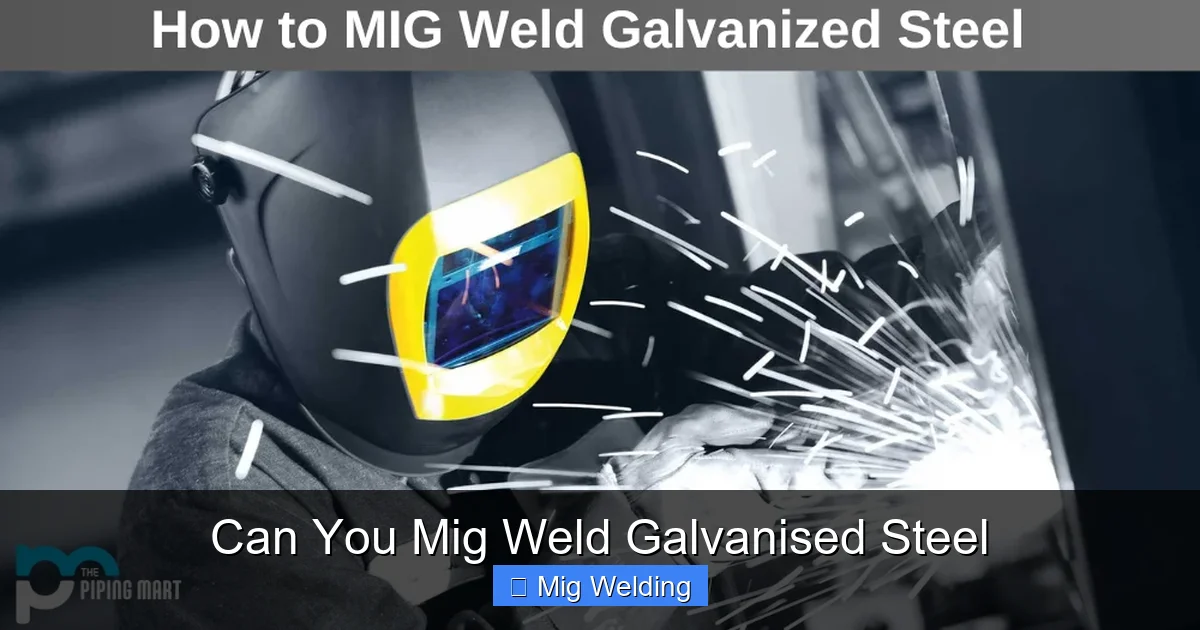
Visual guide about Can You Mig Weld Galvanised Steel
Image source: cdn.thepipingmart.com
What is MIG Welding?
MIG (Metal Inert Gas) welding is a popular welding method that uses a continuous wire electrode fed through a welding gun. It’s favored for its speed and ease of use. However, welding galvanized steel requires specific adjustments and safety measures.
Preparation Before Welding Galvanized Steel
Gather the Right Equipment
- MIG welder: Ensure your machine is suitable for steel welding.
- Shielding gas: Usually a mix of Argon and CO2 (e.g., 75% Argon / 25% CO2).
- Wire electrode: Use a solid wire compatible with steel, such as ER70S-6.
- Protective gear: Welding helmet, gloves, respirator, and protective clothing.
Remove the Zinc Coating
Since zinc fumes are hazardous and can weaken your weld, it’s essential to remove the zinc coating from the area to be welded. Use a grinder, wire brush, or chemical stripper to strip the zinc from the weld zone. Keep the area well-ventilated during this process.

Visual guide about Can You Mig Weld Galvanised Steel
Image source: weldingproperty.com
Clean the Metal Surface
After removing the zinc, clean the steel surface thoroughly to remove oil, dirt, and rust. Use a wire brush or a clean rag with a degreaser.
Set Up Your Welding Area
Ensure good ventilation, especially if working indoors. Keep a fire extinguisher nearby, and make sure your workspace is free of flammable materials.
Step-by-Step MIG Welding Process on Galvanized Steel
Step 1: Adjust Your Welding Machine
Set your MIG welder to the appropriate parameters for steel. Typical settings are:
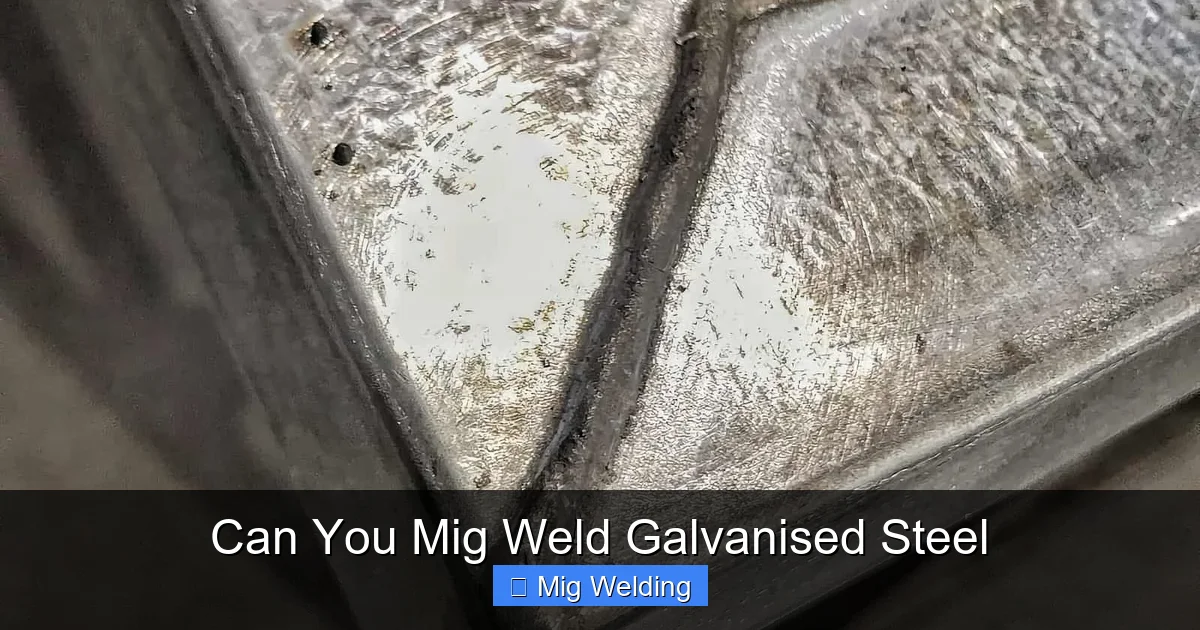
Visual guide about Can You Mig Weld Galvanised Steel
Image source: weldguru.com
- Voltage: Adjust based on thickness (start around 16-18V for thinner steel)
- Wire feed speed: Set according to manufacturer recommendations
- Shielding gas: Use a mixture like 75% Argon / 25% CO2
Consult your machine’s manual for specific settings based on the steel thickness.
Step 2: Use Proper Welding Technique
Start with a Test Run
Practice on scrap galvanized steel to get a feel for the process. Observe how the weld pool forms and adjust settings as needed.
Welding Position
Maintain a steady hand and keep the weld gun at a 15-20 degree angle. Use smooth, consistent motions to ensure even welds.
Welding Speed
Move at a steady pace; rushing can cause weak welds, while moving too slow may cause excess heat and burn-through.
Step 3: Manage the Zinc Fumes
To minimize zinc vapor inhalation:
- Weld in well-ventilated areas or outdoors.
- Use a local exhaust system or fume extractor if indoors.
- Wear a respirator with a zinc or metal fumes filter.
Step 4: Complete the Weld
Once you’ve made your welds, allow the area to cool naturally. Avoid over-heating the steel, which can cause warping or weakening.
Post-Weld Cleanup and Inspection
Clean the Weld Area
After welding, clean the weld bead with a wire brush or grinder to remove slag and zinc residues. This improves corrosion resistance and weld appearance.
Inspect the Welds
Check for signs of porosity, cracks, or weak spots. A good weld should be smooth, but not overly convex or concave.
Optional: Apply Protective Coatings
If the welded steel will be exposed to the elements, consider applying a rust-inhibiting primer or paint for extra protection.
Practical Tips for Successful MIG Welding on Galvanized Steel
- Work quickly: Minimize the time the zinc-coated surface is exposed to heat.
- Adjust settings carefully: Too high voltage can burn through; too low can cause weak welds.
- Use the right shielding gas: A good mix ensures stable arc and good weld quality.
- Practice safety: Never compromise on safety gear when welding galvanized steel due to the fumes.
Common Troubleshooting Tips
- Porosity or holes in weld: Check for proper shielding gas flow and clean the surface thoroughly.
- Weak welds or incomplete fusion: Increase heat slightly or check wire feed speed.
- Burn-through or warping: Reduce heat input or weld in shorter passes.
Conclusion
MIG welding galvanized steel is entirely feasible with the right preparation and precautions. Removing the zinc coating in the weld area, ensuring proper ventilation, and adjusting your settings are key to a successful weld. Practice makes perfect, so take your time and prioritize safety. With these tips, you’ll be able to weld galvanized steel effectively, whether for repairs, fabrication, or creative projects.
Final Words
Remember, safety always comes first. Always wear protective gear, work in a well-ventilated space, and never inhale zinc fumes. With patience and care, MIG welding galvanized steel can be a straightforward and rewarding process.
