

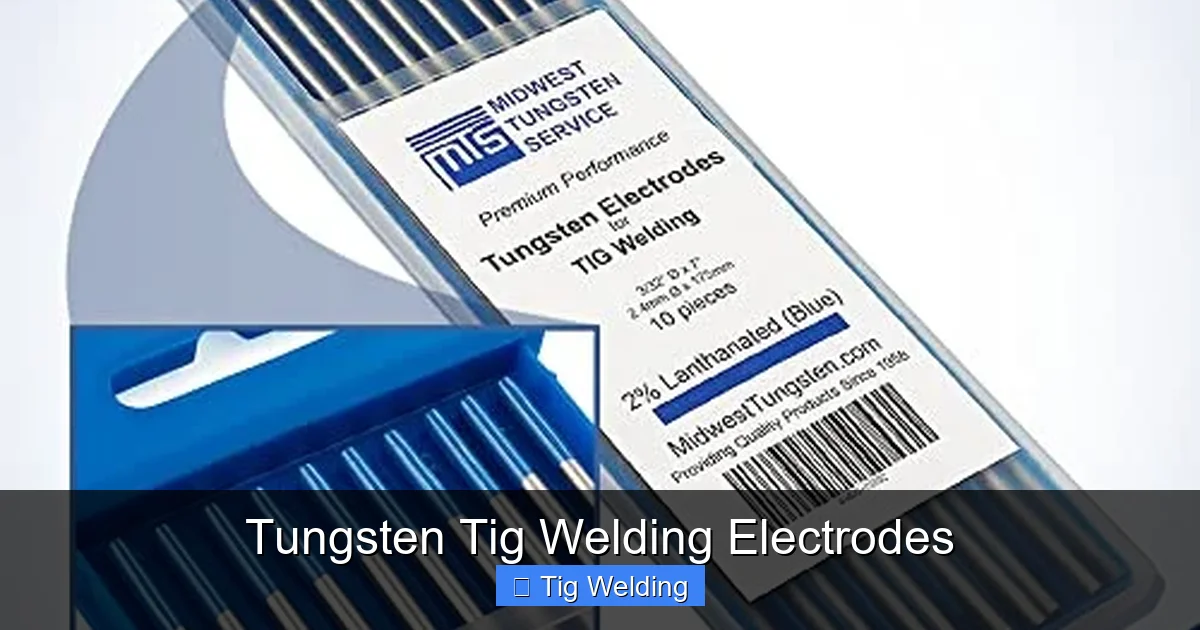
Welding with tungsten TIG electrodes is essential for achieving precise and clean welds on various metals. Choosing the right tungsten electrode type and understanding its properties can significantly improve your welding results and efficiency. Whether you’re a beginner or a seasoned welder, this guide covers all you need to know about tungsten TIG welding electrodes, from types and applications to tips for optimal performance.
Key Takeaways
- Types of Tungsten Electrodes: Different types like pure tungsten, thoriated, ceriated, lanthanated, and zirconiated suit various applications and metals.
- Material Compatibility: Selecting the right tungsten type ensures good arc stability and weld quality for specific metals like aluminum, steel, or stainless steel.
- Electrode Preparation: Proper tip grinding and cleaning are crucial for consistent arc performance and weld quality.
- Safety Considerations: Some tungsten electrodes contain radioactive materials; safety measures are necessary when handling and disposing of them.
- Cost and Longevity: Tungsten electrode lifespan varies with type and usage; investing in quality electrodes can save time and money.
- Practical Tips: Use appropriate current settings, maintain a steady hand, and replace electrodes when they become contaminated or worn out.
Quick Answers to Common Questions
Question 1?
What is the primary purpose of tungsten electrodes in TIG welding?
They serve as a non-consumable electrode that creates the electric arc needed to melt and fuse metals precisely.
Question 2?
Which tungsten electrode is best for welding aluminum with AC?
Zirconiated or lanthanated electrodes are ideal for aluminum because of their stability during AC welding.
Question 3?
Are thoriated tungsten electrodes safe to use?
Thoriated electrodes contain radioactive thorium, so they require careful handling and disposal, making alternatives like ceriated or lanthanated more popular today.
Question 4?
How do you prepare a tungsten electrode before welding?
Grind it to a sharp point using a dedicated grinding wheel to ensure a concentrated, stable arc.
Question 5?
How often should tungsten electrodes be replaced?
Replace electrodes when they become contaminated, cracked, or worn down to maintain good arc stability and weld quality.
📑 Table of Contents
Introduction to Tungsten TIG Welding Electrodes
Tungsten TIG welding electrodes are the heart of the TIG welding process, also known as Gas Tungsten Arc Welding (GTAW). They create the electric arc that melts the base metal, allowing for precise and clean welds. Unlike other welding methods, TIG welding uses a non-consumable electrode, which means the tungsten electrode itself doesn’t melt into the weld pool but guides the arc.
If you’re looking for high-quality, professional-grade welds—especially on thin materials or metals requiring fine detail—understanding tungsten electrodes is essential. Choosing the right type of tungsten electrode can make the difference between a smooth, strong weld and a frustrating project with poor results.
Types of Tungsten TIG Welding Electrodes
Pure Tungsten (Green Tip)
Pure tungsten, also called 2% thoriated tungsten, is the traditional choice for many TIG welding applications. It offers excellent current-carrying capacity and good arc stability. However, pure tungsten can be prone to contamination and is less suitable for high-amperage work or aluminum welding.
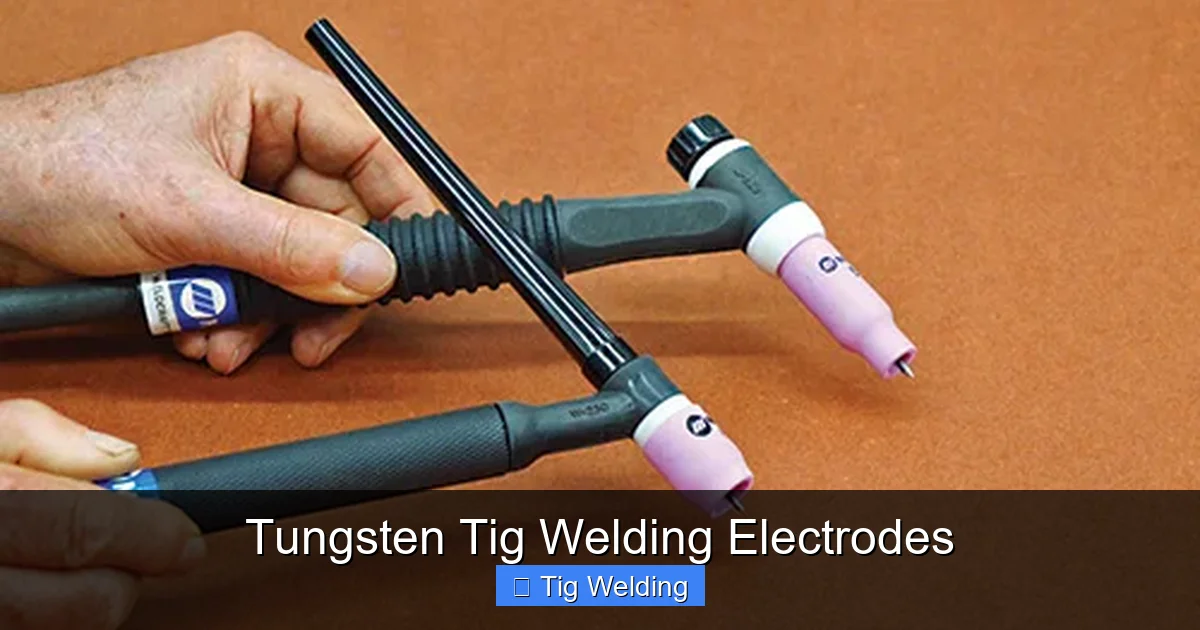
Visual guide about Tungsten Tig Welding Electrodes
Image source: millerwelds.com
Best for: Low to medium amperage welding of steel and stainless steel.
Thoriated Tungsten (Red Tip)
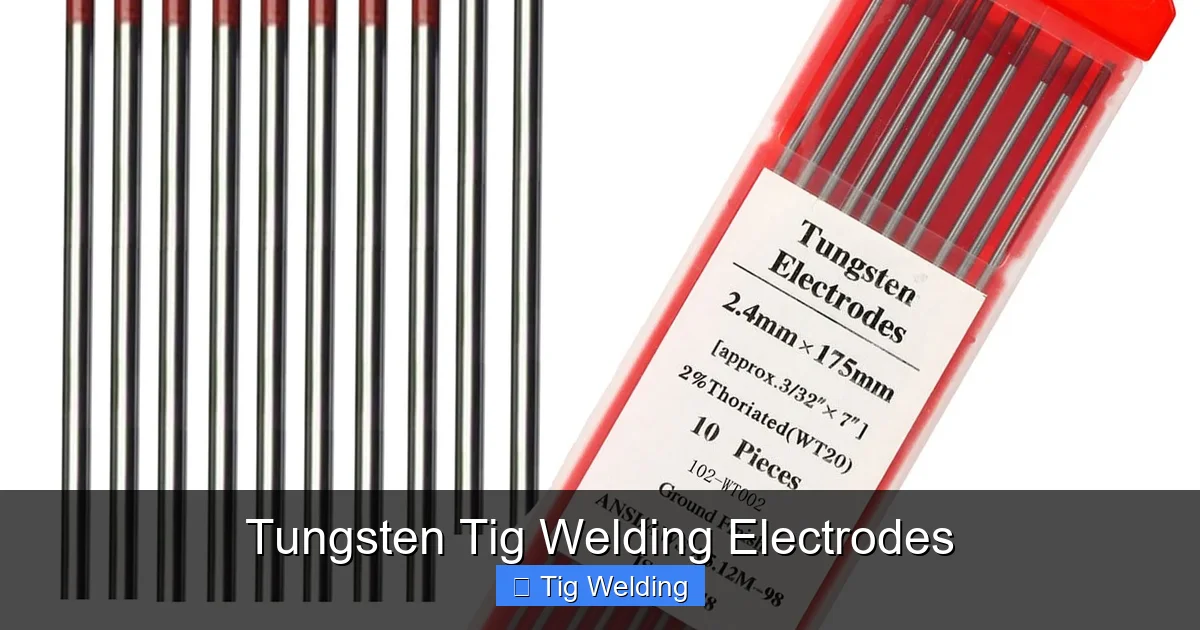
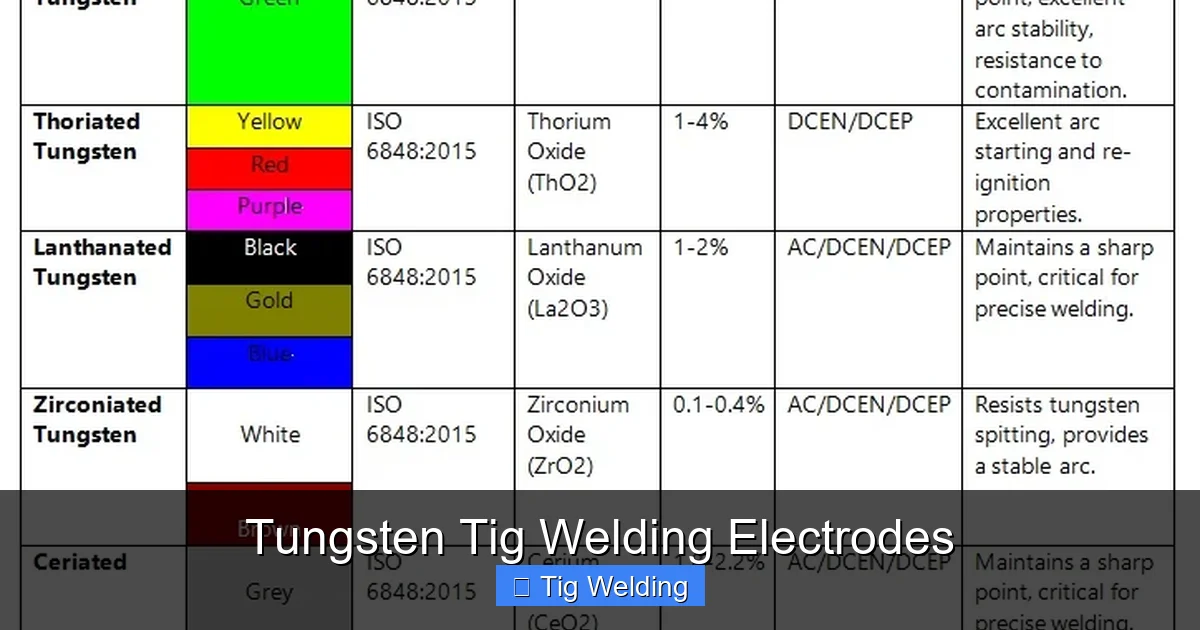
This is the most common tungsten electrode, containing about 2% thorium oxide. It provides excellent arc stability and is durable at higher currents. But, since thorium is radioactive, proper handling and disposal are necessary.
Best for: Steel, stainless steel, and other ferrous metals.
Ceriated Tungsten (Gold or Orange Tip)
Ceriated tungsten offers good arc stability at lower currents and is less radioactive than thoriated electrodes. It’s versatile and popular for welding various metals, especially aluminum and stainless steel.
Best for: Aluminum, stainless steel, and mixed-metal projects.
Lanthanated Tungsten (Yellow Tip)
Lanthanated electrodes are similar to ceriated but with improved longevity and performance at higher current levels. They are non-radioactive and excellent for a wide range of materials.
Best for: Aluminum, steel, and other non-ferrous metals.
Zirconiated Tungsten (Brown Tip)
Zirconiated electrodes are highly resistant to contamination and are excellent for AC welding, especially aluminum. They are also non-radioactive and provide stable arcs over extended periods.
Best for: Aluminum and other non-ferrous metals requiring AC welding.
Choosing the Right Tungsten Electrode
Consider the Metal
The type of metal you’re welding largely determines which tungsten electrode is best. For example, pure tungsten works well for steel, while zirconium-based electrodes excel with aluminum.
Visual guide about Tungsten Tig Welding Electrodes
Image source: m.media-amazon.com
Think About the Current and Power
High-current welding calls for durable electrodes like thoriated or lanthanated, which can handle the heat without deteriorating quickly. Lower currents may only need pure tungsten or ceriated electrodes.
AC vs. DC Welding
For AC welding, especially on aluminum, zirconium or lanthanated electrodes are recommended because of their stability during alternating current cycles. For DC welding, thoriated and ceriated electrodes are popular choices.
Proper Usage and Maintenance of Tungsten Electrodes
Electrode Preparation
Always grind your tungsten to a sharp point using a dedicated grinding wheel. This ensures a concentrated arc and reduces contamination. Avoid using a grinding wheel for other metals to prevent cross-contamination.
Visual guide about Tungsten Tig Welding Electrodes
Image source: weldingofwelders.com
Electrode Cleaning
Keep the electrode tip clean and free from contamination. Replace electrodes when they become contaminated, cracked, or worn down to maintain arc stability and weld quality.
Handling and Storage
Store electrodes in a dry, airtight container. Handle with care to prevent contamination from oils or dirt, which can cause arc instability.
Practical Tips for Effective TIG Welding with Tungsten Electrodes
- Set the Correct Amperage: Match your current to the electrode type and metal thickness. Too high can cause electrode melt-off; too low may result in an unstable arc.
- Maintain a Steady Hand: Smooth, consistent motion yields better welds and minimizes contamination.
- Use a Proper Gas Shield: 100% argon or a suitable shielding gas prevents oxidation and porosity.
- Maintain Electrode Distance: Keep the right gap between the electrode and the workpiece for a stable arc.
- Replace Electrodes When Needed: Don’t hesitate to change an electrode if it shows signs of contamination, cracking, or excessive wear.
Conclusion: Mastering Tungsten TIG Welding Electrodes
Choosing the right tungsten TIG welding electrode is crucial for achieving high-quality, precise welds. Understanding the differences between types—such as thoriated, ceriated, lanthanated, and zirconiated—helps you select the best electrode for your specific project. Proper preparation, handling, and maintenance further ensure optimal performance and safety.
With a little practice and the right knowledge, you can unlock the full potential of your TIG welding setup. Remember, investing in quality electrodes and following best practices will pay off in stronger, cleaner welds and more professional results.
Frequently Asked Questions
What is the difference between pure tungsten and thoriated tungsten?
Pure tungsten offers good current-carrying capacity but less arc stability, while thoriated tungsten provides enhanced stability and durability but contains radioactive thorium, requiring safety precautions.
Can I use the same tungsten electrode for AC and DC welding?
Some electrodes, like zirconiated or lanthanated, are suitable for both AC and DC welding. Others, like thoriated, are better suited for DC only. Always check the electrode specifications.
What are the safety concerns when handling tungsten electrodes?
Handling electrodes containing thorium requires protective measures due to radioactivity. Additionally, grinding tungsten produces dust that should be handled with proper respiratory protection.
How does electrode shape affect welding quality?
A sharp point concentrates the arc and improves precision, while a rounded tip can be used for different welding techniques. Proper shaping enhances arc stability and weld quality.
Can I weld different metals with the same tungsten electrode?
It’s best to select the electrode type based on the specific metal. For example, aluminum often requires zirconium or lanthanum, while steel can work well with thoriated or ceriated electrodes.
What is the typical lifespan of a tungsten electrode?
The lifespan varies depending on usage and type, but generally, a tungsten electrode can last from several welds to several hours of continuous use before replacement is necessary.
