

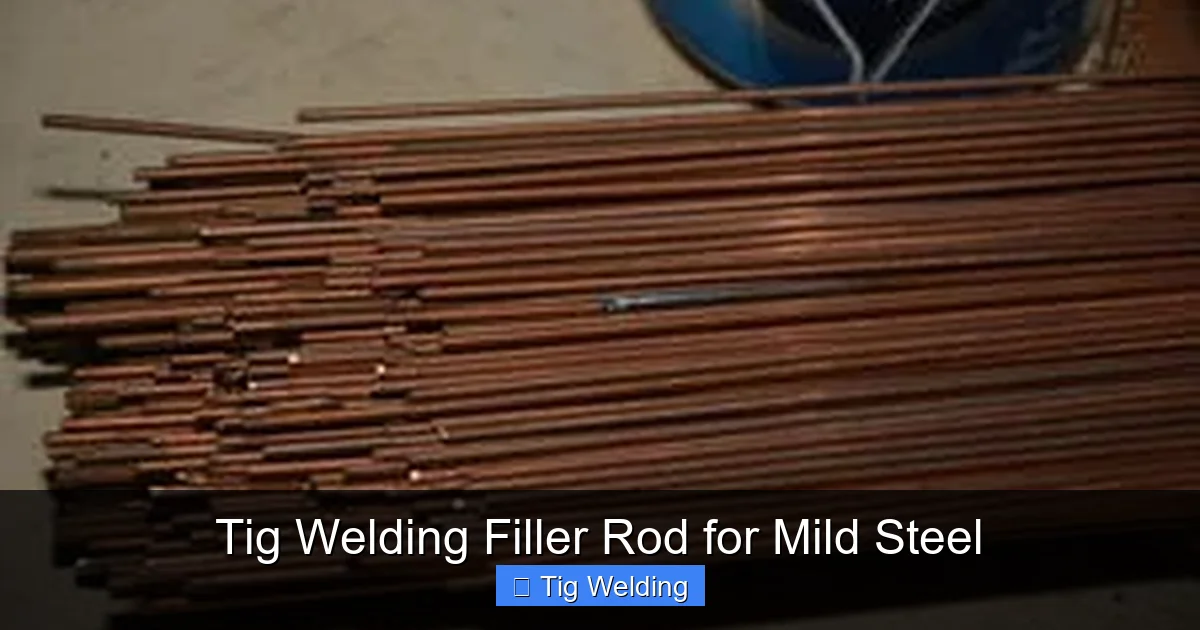
Choosing the right TIG welding filler rod for mild steel is essential for achieving strong, clean welds. This guide covers types, tips, and best practices to help you weld with confidence. Whether you’re a beginner or experienced welder, understanding filler rod options will improve your results and ensure your projects last.
Key Takeaways
- Types of Filler Rods: The most common filler rods for mild steel are ER70S-2 and ER70S-6, each offering different properties for various welding needs.
- Material Compatibility: Always select filler rods that match the base metal to ensure strong bonds and prevent corrosion.
- Diameter Choices: Filler rod diameter varies from 0.023″ to 1/8″; choose based on your project size and weld thickness.
- Preparation is Key: Clean the mild steel thoroughly to remove rust, oil, or paint for optimal welding results.
- Welding Tips: Maintain proper torch angle, consistent speed, and correct amperage for smooth, high-quality welds.
- Safety First: Use protective gear and work in well-ventilated areas to stay safe during welding.
Quick Answers to Common Questions
Question 1?
What is the best TIG welding filler rod for mild steel?
The most common and versatile choice is ER70S-2, which works well for most mild steel welding applications.
Question 2?
How do I choose the right diameter of filler rod?
Select a diameter based on your steel thickness and project needs, typically 0.023″ to 0.045″ for mild steel.
Question 3?
Can I weld rusty or contaminated steel with TIG?
Yes, using ER70S-6 filler rod provides better deoxidization, making it suitable for welding rusty or contaminated steel.
Question 4?
How do I prepare mild steel before TIG welding?
Clean the surface thoroughly with a wire brush or grinder to remove rust, oil, and paint for the best results.
Question 5?
What safety precautions should I take when TIG welding?
Always wear protective gear, work in a ventilated area, and ensure your equipment is properly maintained.
📑 Table of Contents
- Introduction to TIG Welding and Filler Rods for Mild Steel
- Understanding TIG Welding Filler Rods for Mild Steel
- Choosing the Right Filler Rod Diameter
- Preparing Mild Steel for TIG Welding
- Tips for Welding Mild Steel with Filler Rods
- Safety Tips and Best Practices
- Conclusion: Picking the Right Filler Rod for Your Mild Steel Projects
Introduction to TIG Welding and Filler Rods for Mild Steel
TIG welding, or Tungsten Inert Gas welding, is a precise and versatile method often used for thin materials and detailed work. When welding mild steel with TIG, the filler rod plays a crucial role in creating strong, durable joints. Selecting the right filler rod ensures your welds are not only strong but also visually appealing.
Many enthusiasts and professionals prefer TIG for its control and clean results. But to get the best out of this process, understanding the different types of TIG welding filler rods for mild steel, their sizes, and applications is essential. This guide will walk you through everything you need to know to choose the perfect filler rod for your projects.
Understanding TIG Welding Filler Rods for Mild Steel
What is a TIG Filler Rod?
The TIG filler rod is a metal wire added to the weld pool during the TIG welding process. It melts and fuses with the base metal, creating a seamless joint. The filler rod must be compatible with the type of steel being welded to ensure strength and corrosion resistance.
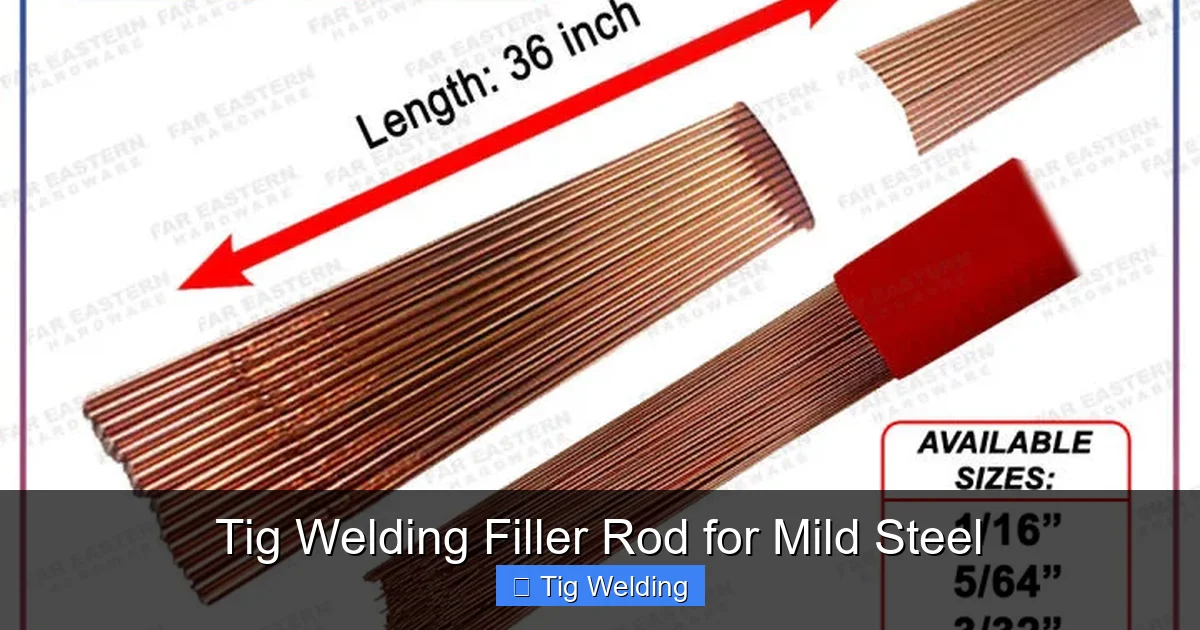
Visual guide about Tig Welding Filler Rod for Mild Steel
Image source: img.lazcdn.com
Common Types of Filler Rods for Mild Steel
- ER70S-2: This is the most popular filler rod for mild steel TIG welding. It contains small amounts of deoxidizers like manganese and silicon, making it suitable for welding slightly contaminated or rusty steel.
- ER70S-6: Contains higher levels of deoxidizers. Ideal for welding dirty or rusty steel where better contamination control is needed.
- ER70S-3: Used for welding galvanized steel or steel with zinc coatings, but less common for mild steel.
Choosing the right type depends on your project’s requirements and the condition of the steel.
Choosing the Right Filler Rod Diameter
Standard Sizes and Their Uses
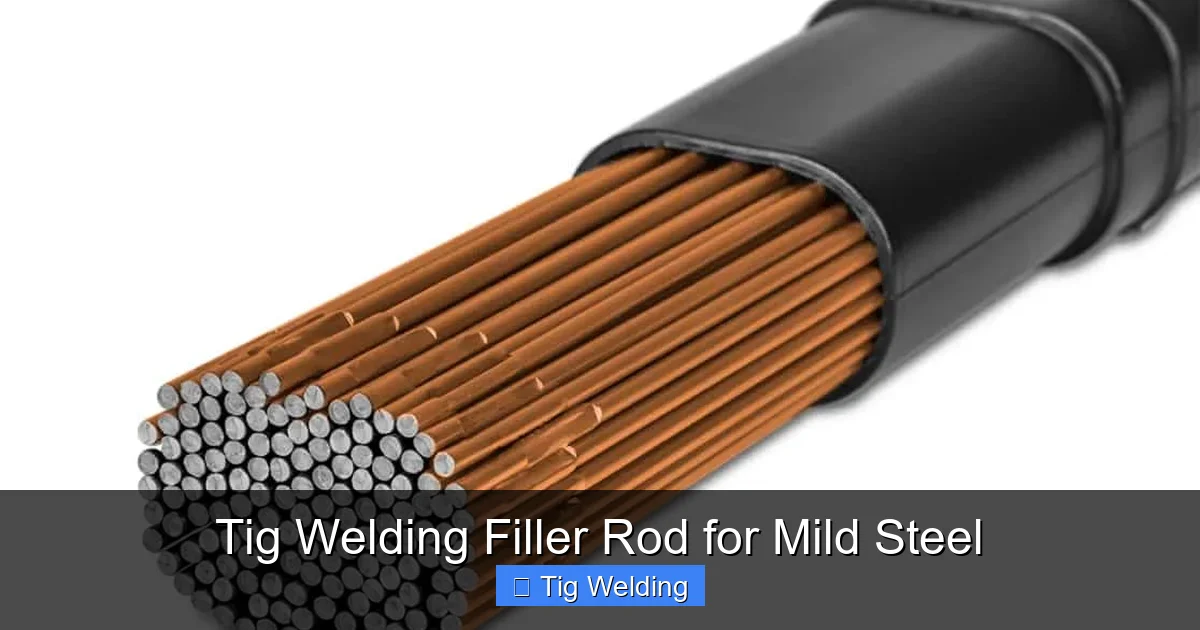
- 0.023″ to 0.030″: Best for thin sheet metal, delicate or detailed work, and thin gauge steel.
- 0.045″: Common for general mild steel welding, suitable for most projects with moderate thickness.
- 1/16″ (0.0625″) and 3/32″: Used for thicker steel, structural work, or heavy-duty applications.
Using the correct diameter helps control heat input and prevents burn-through or weak welds. For typical mild steel projects, 0.045″ is often a good choice.
Visual guide about Tig Welding Filler Rod for Mild Steel
Image source: collinstools.com.au
Preparing Mild Steel for TIG Welding
Cleaning and Surface Preparation
Before welding, always clean your steel thoroughly. Remove rust, oil, paint, or mill scale. Use a wire brush, grinder, or chemical cleaner to prepare the surface. Clean metal ensures better weld penetration and reduces porosity, resulting in a cleaner, stronger weld.
Visual guide about Tig Welding Filler Rod for Mild Steel
Image source: 5.imimg.com
Proper preparation also minimizes contamination of the filler rod, which is critical for high-quality TIG welds.
Choosing the Right Shielding Gas
Pure argon or a mix like 90% argon/10% CO2 is typically used for mild steel TIG welding. The gas protects the weld pool from atmospheric contamination, ensuring a clean, high-quality weld.
Maintain a steady flow rate (around 15-20 CFH) to prevent oxidation and porosity.
Tips for Welding Mild Steel with Filler Rods
Maintain Proper Technique
- Torch Angle: Keep the torch at about 15-20 degrees from vertical, pointing into the weld pool.
- Filler Rod Position: Feed the filler rod into the leading edge of the weld pool at a steady pace.
- Travel Speed: Use a consistent, moderate speed to avoid weak or excess weld metal.
- Heat Control: Adjust amperage according to the filler rod size and steel thickness to prevent warping or burn-through.
Practical Example: Welding a Steel Frame
Suppose you’re welding a mild steel frame for a gate. Use a 0.045″ ER70S-2 filler rod, clean the steel thoroughly, and set your TIG welder to the appropriate amperage (around 80-100A). Maintain a steady hand, keep the torch at the right angle, and feed the filler rod smoothly into the weld pool. The result will be a clean, strong weld that withstands outdoor conditions.
Safety Tips and Best Practices
- Protective Gear: Always wear a welding helmet, gloves, and protective clothing.
- Ventilation: Work in a well-ventilated area to avoid inhaling harmful fumes.
- Electrical Safety: Check your equipment regularly and avoid contact with live parts.
- Fire Precautions: Keep flammable materials away from your workspace.
Following safety protocols ensures a safe, enjoyable welding experience and high-quality results.
Conclusion: Picking the Right Filler Rod for Your Mild Steel Projects
Choosing the correct TIG welding filler rod for mild steel is essential for strong, durable, and visually appealing welds. Whether you opt for ER70S-2 or ER70S-6, matching the filler rod type and diameter to your project’s needs will greatly improve your results. Remember to prepare your steel properly, use the right shielding gas, and practice good technique.
With the right materials and practices, TIG welding can produce professional-quality welds suited for everything from artistic projects to structural repairs. Happy welding!
Frequently Asked Questions
What is a TIG welding filler rod?
A TIG welding filler rod is a metal wire that melts into the weld pool during TIG welding, helping form a strong joint. It’s crucial to select the right type and size for the base metal to ensure quality welds.
How do I choose the right filler rod for mild steel?
For mild steel, ER70S-2 is generally recommended. Consider the steel’s condition, thickness, and your project requirements when selecting the type and diameter of the filler rod.
Can I use the same filler rod for different types of steel?
It’s best to match the filler rod to the specific steel type. Using incompatible rods can compromise weld quality and corrosion resistance.
What are common diameters of TIG filler rods for steel?
Common sizes include 0.023″, 0.030″, 0.045″, and 1/16″. The choice depends on the project’s thickness and detail level.
How does filler rod quality affect welds?
High-quality filler rods produce cleaner, stronger welds with better mechanical properties and corrosion resistance. Always choose reputable brands.
Is cleaning necessary before welding?
Yes, cleaning the steel surface of rust, oil, and paint ensures better weld quality by reducing porosity and contamination.
