

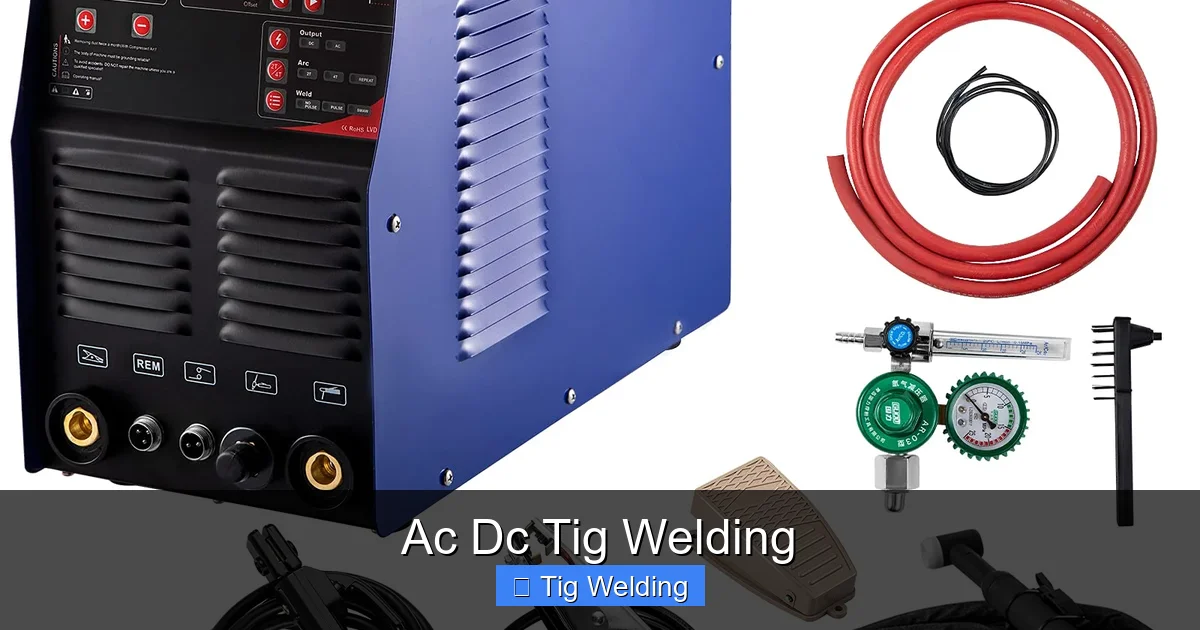
AC/DC TIG welding combines the benefits of both alternating and direct current to deliver superior control and flexibility. It’s ideal for welding various metals with precision and efficiency, making it a popular choice among professionals and hobbyists alike. Whether you’re working with aluminum, stainless steel, or other metals, understanding AC/DC TIG welding can significantly enhance your welding projects.
Key Takeaways
- Versatility: AC/DC TIG welding can handle a wide range of metals, including aluminum, stainless steel, and copper alloys.
- Precision Control: Offers excellent control over heat and weld pool, resulting in cleaner, more accurate welds.
- Metal Compatibility: Alternating current is especially useful for welding non-ferrous metals like aluminum, while direct current is preferred for ferrous metals.
- Equipment Features: Modern AC/DC TIG welders often include features like adjustable waveforms and pre-set programs for optimal performance.
- Skill Level: AC/DC TIG welding requires some practice but offers high-quality results once mastered.
- Applications: Widely used in aerospace, automotive, and artistic fabrication for its precision and clean finish.
Quick Answers to Common Questions
Question 1?
What is AC/DC TIG welding?
AC/DC TIG welding combines alternating and direct current to provide versatility in welding different metals with better control and quality.
Question 2?
Which metals are best suited for AC TIG welding?
Aluminum, magnesium, and other non-ferrous metals benefit most from AC TIG welding due to oxide removal and cleaning capabilities.
Question 3?
Why choose DC TIG welding over AC?
DC provides a stable arc, better penetration, and is ideal for welding ferrous metals like steel and stainless steel.
Question 4?
Can I weld aluminum with a DC-only TIG welder?
While possible, it’s less effective because DC doesn’t clean oxide layers as efficiently as AC. Using a machine with AC/DC capability is preferable for aluminum.
Question 5?
Is AC/DC TIG welding difficult to learn?
It requires some practice, especially in adjusting settings, but once mastered, it offers excellent control and high-quality results.
📑 Table of Contents
- Introduction to AC/DC TIG Welding
- What is AC/DC TIG Welding?
- The Differences Between AC and DC in TIG Welding
- Why Use AC/DC TIG Welding?
- Practical Applications of AC/DC TIG Welding
- Choosing the Right AC/DC TIG Welder
- Practical Tips for Successful AC/DC TIG Welding
- Conclusion: Mastering AC/DC TIG Welding
Introduction to AC/DC TIG Welding
When it comes to welding metals with precision and finesse, TIG welding stands out as one of the most versatile techniques. TIG, which stands for Tungsten Inert Gas, uses a non-consumable tungsten electrode to produce high-quality welds. Among its various forms, AC/DC TIG welding combines the advantages of both alternating and direct current, making it suitable for a wide range of metals and applications.
Understanding the differences between AC and DC, and how their combination can elevate your welding projects, is essential for both beginners and seasoned welders. Whether you’re working on delicate art pieces or heavy-duty industrial jobs, AC/DC TIG welding offers the control, flexibility, and results you need.
What is AC/DC TIG Welding?
Definition and Basic Principles
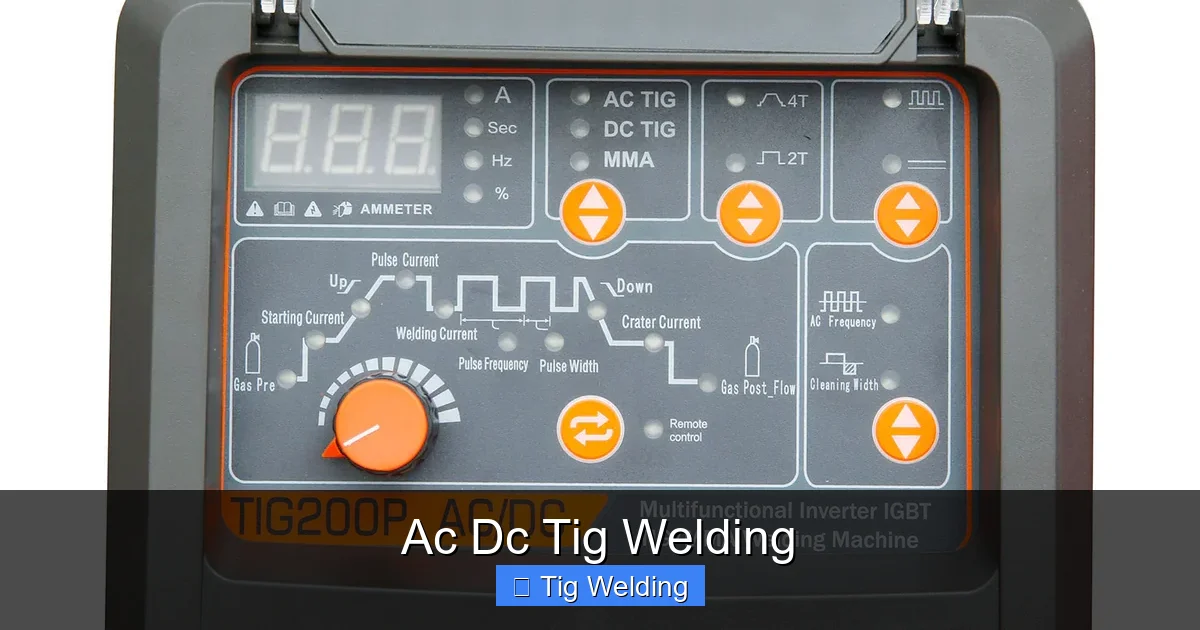
AC/DC TIG welding involves using a power supply that can switch between alternating current (AC) and direct current (DC). This flexibility allows welders to adapt to different metals and welding conditions. In essence, AC provides a balanced waveform that is excellent for welding non-ferrous metals like aluminum, while DC delivers a steady arc suited for ferrous metals such as steel and stainless steel.
Visual guide about Ac Dc Tig Welding
Image source: doughtywelder.com
The TIG torch directs the current to the tungsten electrode, which creates an arc that melts the base metal. An inert gas, usually argon or a mixture, shields the weld from contamination, ensuring a clean, high-quality finish.
The Differences Between AC and DC in TIG Welding
Advantages of AC Welding
- Metal Cleaning: The alternating nature helps remove oxide layers, especially on aluminum, leading to better weld quality.
- Suitable for Non-Ferrous Metals: Ideal for welding aluminum, magnesium, and other non-ferrous metals that form oxide layers quickly.
- Improved Penetration: AC cycles can be adjusted for better control over penetration and weld appearance.
Advantages of DC Welding
- Steady Arc: Provides a stable, smooth arc that is perfect for welding steel, stainless steel, and other ferrous metals.
- Deeper Penetration: Delivers consistent heat, allowing for strong, deep welds.
- Easier to Learn: Typically simpler for beginners due to its stable arc and straightforward operation.
Why Use AC/DC TIG Welding?
Combining the Strengths of Both Currents
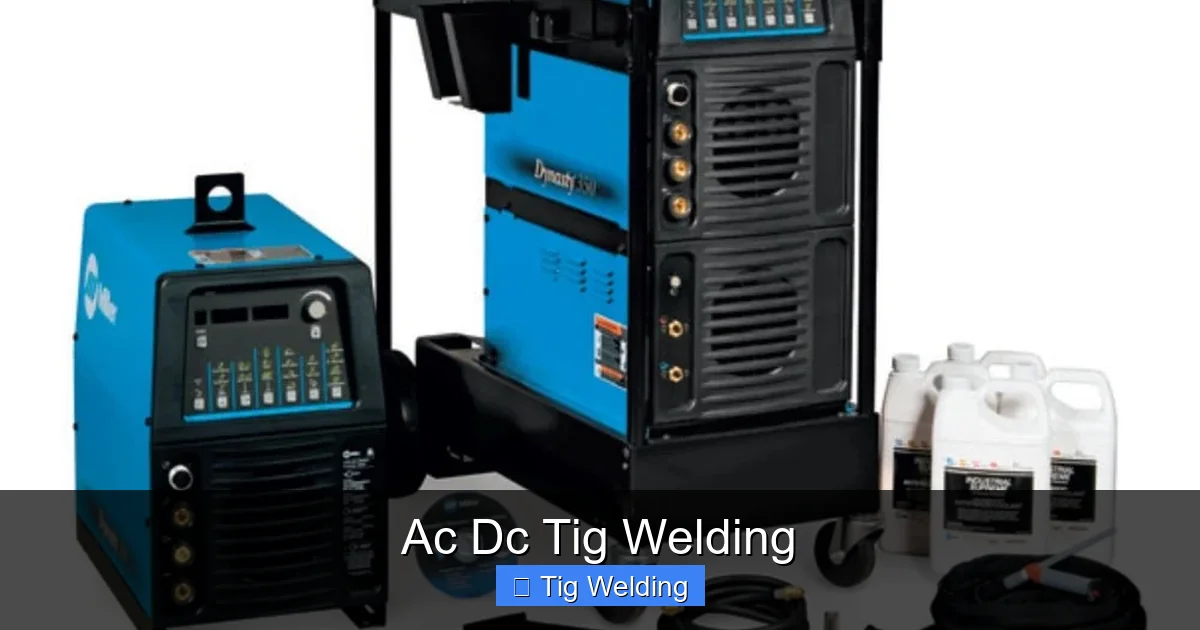
Using both AC and DC in one machine allows welders to tackle diverse projects with a single setup. For instance, you can start a weld on aluminum with AC for cleaning and then switch to DC for finishing touches on steel. This flexibility saves time, equipment costs, and increases productivity.
Visual guide about Ac Dc Tig Welding
Image source: 3.imimg.com
Visual guide about Ac Dc Tig Welding
Image source: perfectwelders.com
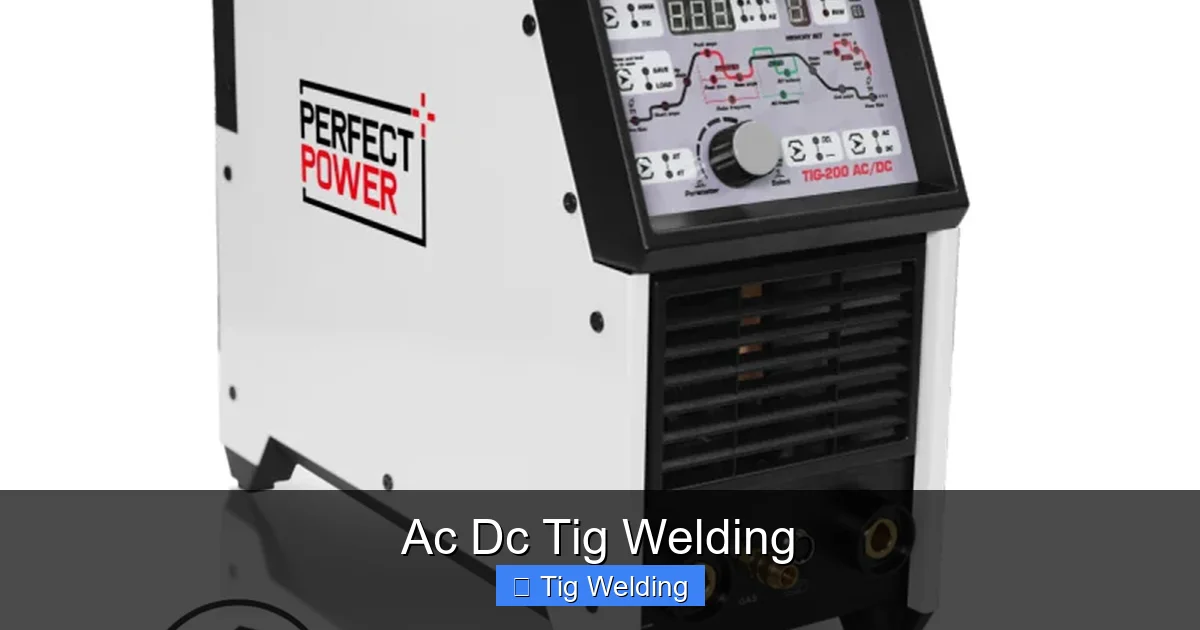
Modern AC/DC TIG welders often include features like adjustable waveforms, balance control, and preset modes, which optimize the benefits of both currents depending on the task at hand.
Practical Applications of AC/DC TIG Welding
Industrial and Artistic Uses
- Aerospace and Automotive: Precise welding of thin, complex metals.
- Art and Sculpture: Creating detailed, clean welds on artistic projects.
- Repair and Maintenance: Welding on different metals with ease, thanks to versatile current options.
Home and Hobbyist Projects
Many hobbyists prefer AC/DC TIG welding for DIY projects involving aluminum furniture, bicycle frames, or artistic metalwork. The ability to switch between currents gives them the control needed for high-quality results at home.
Choosing the Right AC/DC TIG Welder
Key Features to Consider
- Power Output: Match the welder’s amperage capacity to your typical projects.
- Waveform Control: Look for machines with adjustable waveforms and balance controls for fine-tuning.
- Portability: Consider weight and size if you need mobile equipment.
- Ease of Use: User-friendly interfaces and preset modes make operation simpler.
- Additional Features: Gas pre-flow, post-flow, and pulse control can enhance weld quality.
Practical Tips for Successful AC/DC TIG Welding
- Preparation is Key: Clean your metals thoroughly to remove dirt, oil, and oxide layers.
- Adjust Your Settings: Use AC for aluminum and non-ferrous metals; switch to DC for steel and stainless steel.
- Maintain Your Equipment: Regularly inspect your torch, cables, and regulator to ensure optimal performance.
- Practice Proper Technique: Keep a steady hand, maintain the correct torch angle, and control your travel speed.
- Use the Correct Filler Rod: Match your filler material to the base metal for the best welds.
Conclusion: Mastering AC/DC TIG Welding
AC/DC TIG welding is a powerful technique that offers unmatched flexibility and control. By understanding when and how to use both currents, you can achieve high-quality, clean welds across a variety of metals. Whether you’re a professional fabricator or a passionate hobbyist, mastering AC/DC TIG welding opens up new possibilities for your projects.
Invest in a good welder, practice regularly, and experiment with different settings. With time, you’ll appreciate the precision, versatility, and professional finish that AC/DC TIG welding provides.
Frequently Asked Questions
What are the main benefits of AC/DC TIG welding?
It offers versatility to weld a wide range of metals, provides excellent control over the weld pool, and produces clean, precise welds suitable for various applications.
Can I switch between AC and DC during a weld?
Yes, many modern AC/DC TIG welders allow you to switch seamlessly between currents, enabling you to adapt to different metals and welding conditions easily.
What equipment do I need for AC/DC TIG welding?
You need a TIG welder capable of AC/DC output, a compatible tungsten electrode, shielding gas (like argon), and appropriate safety gear.
What are common issues faced in AC/DC TIG welding?
Common problems include poor arc stability, contamination, or improper settings. Proper machine setup and technique help minimize these issues.
How do I maintain my AC/DC TIG welding equipment?
Regularly clean the torch, check for loose connections, replace worn parts, and ensure the gas supply is pure and uncontaminated.
Is AC/DC TIG welding suitable for beginners?
While it offers excellent control, it can be challenging for beginners. Practice, proper training, and starting with simple projects help build proficiency.
