

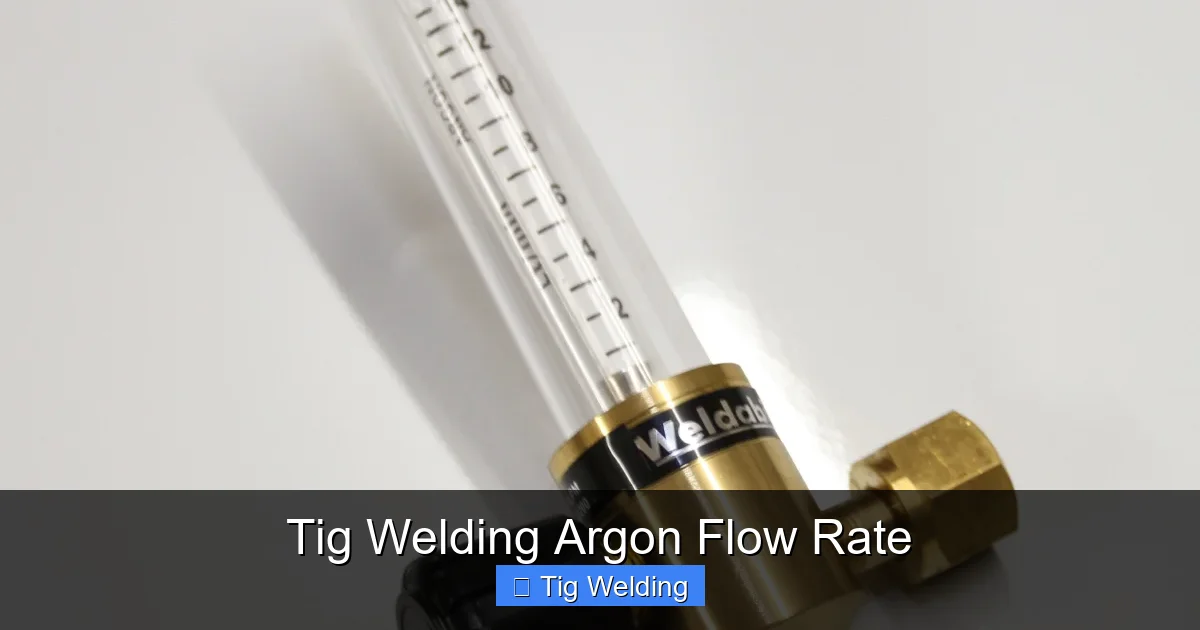
TIG welding argon flow rate is crucial for achieving high-quality welds. Proper flow ensures protection from contamination and creates a clean finish. Understanding how to set the correct flow rate can make a significant difference in your welding results.
Key Takeaways
- Optimal flow rate varies: Typically between 10-20 CFH (cubic feet per hour), depending on the application.
- Too low flow: Inadequate shielding, leading to contamination and weak welds.
- Too high flow: Waste of gas and potential turbulence, which can cause weld defects.
- Material and thickness matter: Thicker materials may require higher argon flow rates.
- Consistency is key: Always set and maintain a steady flow rate during welding.
- Equipment influences flow rate: Check your regulator and torch setup for accurate settings.
Quick Answers to Common Questions
Question 1?
What is the typical argon flow rate for TIG welding?
Answer 1?
Most TIG welding applications use a flow rate between 10-20 CFH, depending on material thickness and environment.
Question 2?
Why is setting the correct argon flow rate important?
Answer 2?
Correct flow ensures proper shielding of the weld area, preventing contamination and producing high-quality, clean welds.
Question 3?
What happens if the argon flow rate is too high?
Answer 3?
Excessive flow can cause turbulence, disrupt the arc, waste gas, and potentially lead to weld defects.
Question 4?
How can environmental conditions affect the argon flow rate?
Answer 4?
Windy or outdoor conditions often require higher flow rates to maintain adequate shielding, whereas indoor settings may need less.
Question 5?
Can I adjust the argon flow rate during welding?
Answer 5?
Yes, small adjustments can be made as needed based on weld appearance, but maintaining a steady flow is ideal for consistency.
📑 Table of Contents
- Introduction to TIG Welding Argon Flow Rate
- What Is Argon Flow Rate in TIG Welding?
- Factors Influencing the Proper Argon Flow Rate
- How to Set the Correct Argon Flow Rate
- Common Mistakes and How to Avoid Them
- Practical Examples of Argon Flow Rate Settings
- Conclusion: Achieving the Perfect Argon Flow Rate
Introduction to TIG Welding Argon Flow Rate
If you’re into TIG welding, you probably already know that shielding gas plays a vital role. It surrounds the weld area, protecting it from atmospheric contamination like oxygen and nitrogen. Argon is the most common shielding gas used in TIG welding because of its inert properties and affordability.
One of the most overlooked but important factors is the argon flow rate. Set it too low, and you risk weld contamination; set it too high, and you waste gas or create turbulence. Getting it just right can make your welds cleaner, stronger, and more professional-looking. But what exactly is the ideal flow rate, and how do you determine it? That’s what we’ll explore in this guide.
What Is Argon Flow Rate in TIG Welding?
Understanding the Basics
The argon flow rate refers to how much shielding gas is delivered over a period of time, usually measured in cubic feet per hour (CFH) or liters per minute (L/min). This rate determines how well the weld area is protected from atmospheric contaminants.
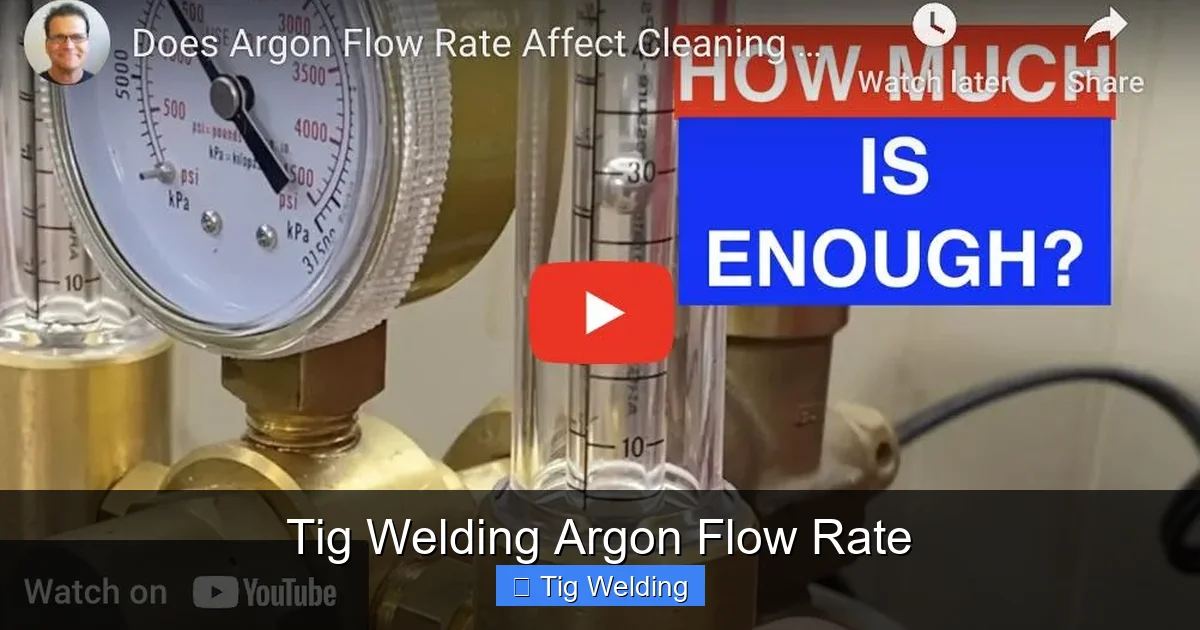
Visual guide about Tig Welding Argon Flow Rate
Image source: weldingtipsandtricks.com
In TIG welding, maintaining a consistent and appropriate argon flow rate is essential for a clean, high-quality weld. Too little, and the weld surface can oxidize; too much, and you might create turbulence that disrupts the arc.
Factors Influencing the Proper Argon Flow Rate
Material Type and Thickness
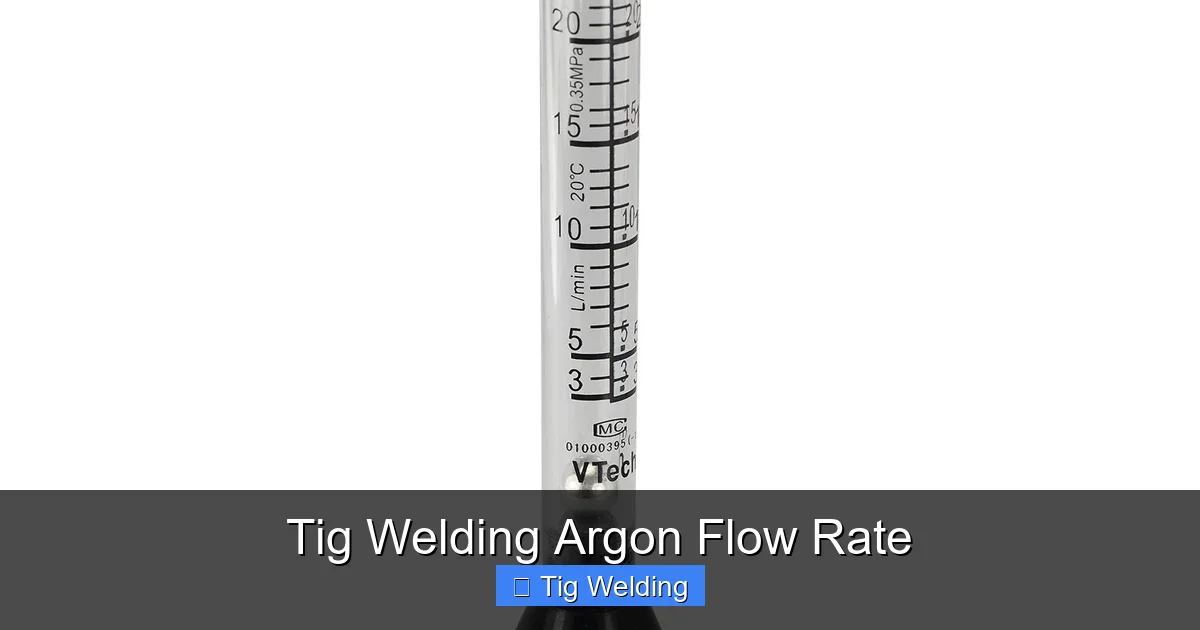
Different materials require different shielding gas settings. Thin metals like aluminum or stainless steel often need lower flow rates, around 10-15 CFH, to prevent turbulence. Thicker metals may require higher flow rates, up to 20-25 CFH, to ensure proper coverage.
Visual guide about Tig Welding Argon Flow Rate
Image source: m.media-amazon.com
Welding Environment
Outdoor welding or windy conditions demand higher flow rates to compensate for gas dispersal. Indoors or in calm environments, lower flow rates are typically sufficient.
Welding Torch and Equipment Setup
A well-maintained torch with a snug-fitting nozzle helps prevent gas leaks and ensures even flow. The regulator and flow gauge should be checked regularly for accuracy.
How to Set the Correct Argon Flow Rate
Step-by-Step Guide
- Start with a baseline: Set your regulator to 15 CFH for most typical TIG welding tasks.
- Adjust based on conditions: Increase if you’re welding outdoors or on thicker materials. Decrease if you notice turbulence or excessive gas consumption.
- Observe the weld: Look for a clean, consistent weld bead with no oxidation or porosity.
- Test and refine: Make small adjustments in flow rate and observe the results on scrap metal before welding your actual piece.
Practical Tips
- Use a flow meter or built-in gauge to monitor gas flow accurately.
- Always start with a conservative setting, then increase if necessary.
- Ensure your torch nozzle is clean and properly fitted to prevent leaks and turbulence.
Common Mistakes and How to Avoid Them
Setting the Flow Rate Too High
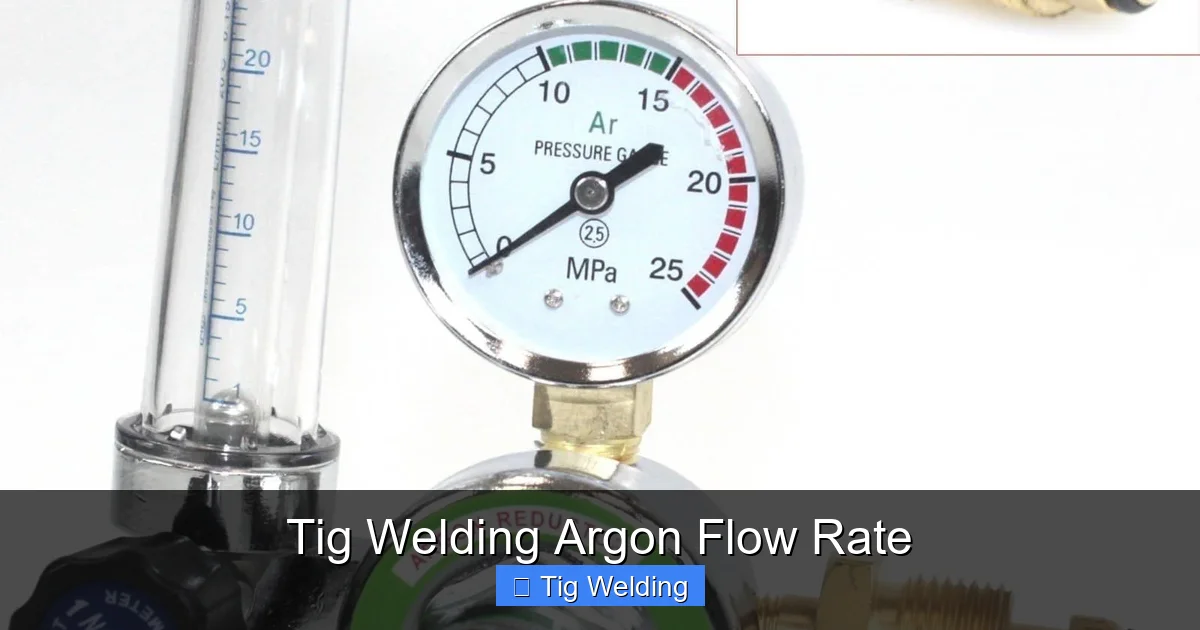
Excessive argon flow can cause turbulence, disrupting the arc and leading to poor weld quality. It also wastes gas and increases costs.
Visual guide about Tig Welding Argon Flow Rate
Image source: econosuperstore.com
Setting the Flow Rate Too Low
Insufficient shielding allows atmospheric gases to contaminate the weld, resulting in porosity, oxidation, and weak welds.
Ignoring Environmental Conditions
Windy or outdoor environments may require higher flow rates. Always adjust accordingly rather than sticking to a fixed setting.
Practical Examples of Argon Flow Rate Settings
- Indoor aluminum welding: 15-20 CFH to ensure good coverage without turbulence.
- Outdoor stainless steel welding: 20-25 CFH to prevent contamination from wind.
- Thin sheet metal: 10-15 CFH to avoid blowing out the weld pool.
Conclusion: Achieving the Perfect Argon Flow Rate
Mastering the argon flow rate in TIG welding is a simple but critical step toward professional-quality results. Remember, the ideal setting depends on multiple factors like material, environment, and equipment. Start with a baseline, observe your welds, and adjust accordingly. With practice, you’ll find that setting the perfect flow rate becomes second nature, leading to cleaner, stronger, and more consistent welds every time.
Invest a little time in tuning your gas flow, and you’ll see a noticeable improvement in your TIG welding projects. Happy welding!
Frequently Asked Questions
What is the ideal argon flow rate for TIG welding?
The ideal flow rate typically ranges from 10 to 20 CFH, depending on material type, thickness, and environment. Always start with a baseline and adjust as needed.
How do I know if my argon flow rate is correct?
Look for a clean, smooth weld with minimal oxidation. If the weld shows signs of contamination or porosity, adjust the flow rate accordingly.
Should I increase the argon flow rate for outdoor welding?
Yes, outdoor or windy conditions often require higher flow rates, around 20-25 CFH, to prevent wind from disrupting the shielding gas coverage.
What are the risks of setting the argon flow rate too low?
Low flow rates can lead to insufficient shielding, which causes oxidation, porosity, and weak welds, compromising the weld quality.
How can I ensure consistent argon flow during welding?
Use a reliable flow meter or regulator gauge, regularly check your equipment, and keep the torch nozzle clean and well-fitted to maintain consistent gas delivery.
Does the type of shielding gas affect the flow rate setting?
Yes, different gases or gas mixtures may require adjustments. Pure argon is common, but mixtures like argon-helium may need different flow rates for optimal performance.
