

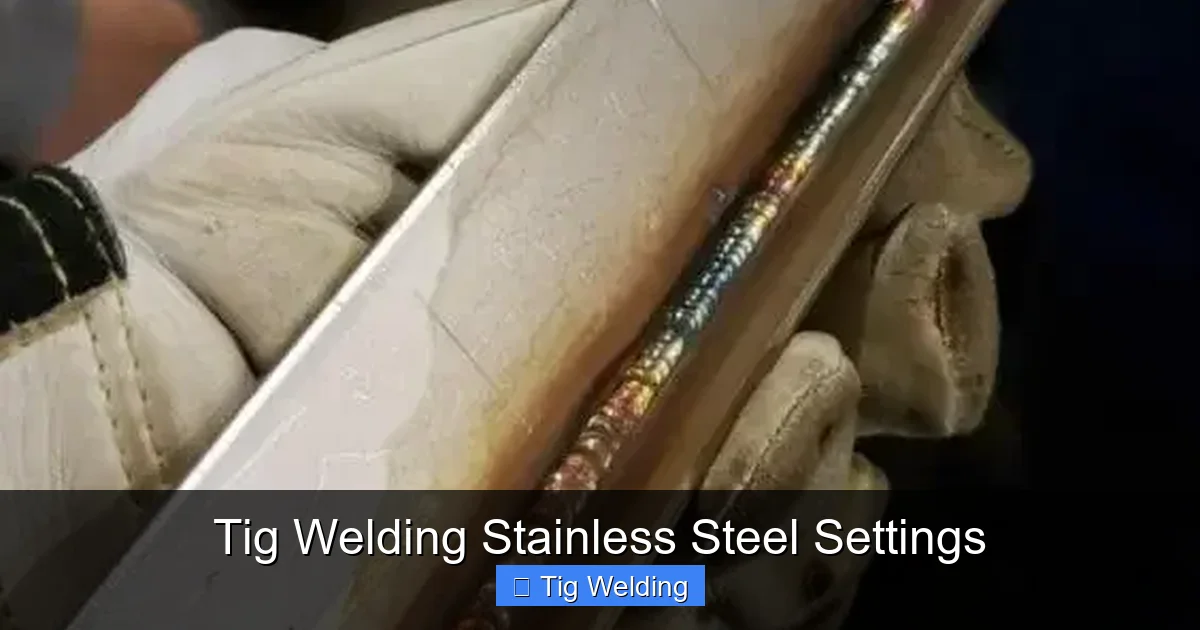
TIG welding stainless steel requires precise settings to achieve strong, clean welds. Understanding the right amperage, shielding gas, and technique is essential for quality results. In this article, you’ll find detailed guidance on setting up your TIG welder, practical tips, and troubleshooting advice for welding stainless steel effectively.
Key Takeaways
- Amperage Control: Use appropriate amperage based on the thickness of stainless steel to ensure strong, smooth welds.
- Shielding Gas: Pure argon is preferred for TIG welding stainless steel to prevent contamination and oxidation.
- Filler Metal Selection: Choose compatible filler rods such as ER308L or ER316L depending on the stainless steel grade.
- Travel Speed: Maintain a steady, moderate travel speed to avoid burn-through or weak welds.
- Tungsten Electrode: Use a 2% thoriated or lanthanated tungsten for stability and precision.
- Practice and Technique: Consistent technique, including proper torch angle and steady hand movement, is key to quality welds.
Quick Answers to Common Questions
Question 1?
What is the ideal amperage for welding 1/8-inch stainless steel with TIG?
Typically, around 80-100 amps is suitable, but adjust based on your specific setup and weld quality.
Question 2?
Which shielding gas should I use for stainless steel TIG welding?
Pure argon is the best choice for most stainless steel TIG welding applications due to its stability and purity.
Question 3?
What type of tungsten electrode is best for stainless steel TIG welding?
A 2% thoriated or lanthanated tungsten electrode provides good stability and precision for stainless steel welding.
Question 4?
How important is filler metal selection in stainless steel TIG welding?
Very important. Match the filler to the base metal (e.g., ER308L for 304) to ensure corrosion resistance and proper fusion.
Question 5?
What are common issues when TIG welding stainless steel, and how can I fix them?
Common issues include porosity, cracking, and uneven beads. Fix these by ensuring proper shielding, controlling heat, and practicing steady technique.
📑 Table of Contents
- Introduction: The Art of TIG Welding Stainless Steel
- Understanding the Basics of TIG Welding Stainless Steel
- Essential TIG Welding Stainless Steel Settings
- Practical Tips for TIG Welding Stainless Steel
- Common Challenges and How to Troubleshoot
- Conclusion: Mastering TIG Welding Stainless Steel Settings
Introduction: The Art of TIG Welding Stainless Steel
Welding stainless steel with TIG (Tungsten Inert Gas) is a skill that combines precision, technique, and the right settings. Whether you’re a hobbyist or a professional fabricator, knowing the optimal TIG welding stainless steel settings can make all the difference in your results. Stainless steel is popular for its corrosion resistance, strength, and aesthetic appeal, making it ideal for everything from kitchen appliances to structural components.
But stainless steel isn’t the easiest metal to weld. It requires careful control of heat, shielding, and filler metal to avoid issues like warping, oxidation, or weak welds. In this guide, we’ll walk you through the essential TIG welding stainless steel settings, share practical tips, and help you achieve high-quality welds every time.
Understanding the Basics of TIG Welding Stainless Steel
What Makes TIG Welding Different?
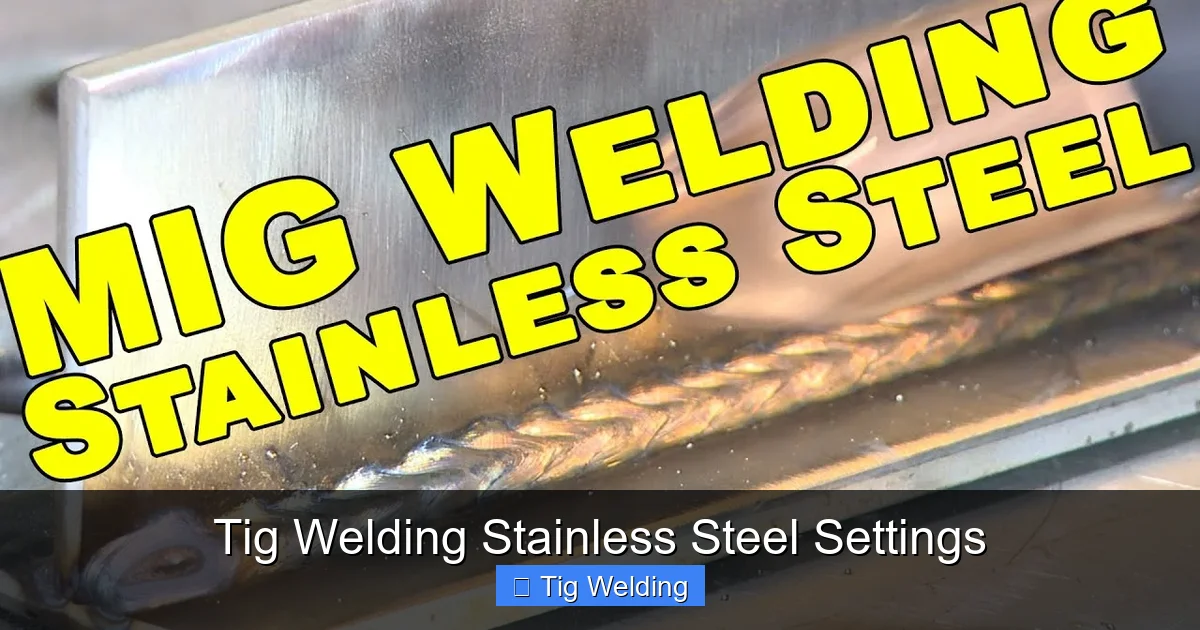
TIG welding uses a non-consumable tungsten electrode to produce the weld. It offers excellent control, producing clean, precise welds with minimal spatter. When welding stainless steel, TIG allows the welder to fine-tune heat input and shielding gas, making it the preferred method for critical or aesthetic welds.
Visual guide about Tig Welding Stainless Steel Settings
Image source: i.ytimg.com
Why Proper Settings Matter
Choosing the right settings affects the weld quality, strength, and appearance. Too much heat can cause warping or burn-through, while too little leads to weak joints. Correct settings ensure proper fusion, minimal oxidation, and a professional finish.
Essential TIG Welding Stainless Steel Settings
1. Amperage (Current)
Amperage is a key factor in TIG welding stainless steel. It depends primarily on the thickness of the material:
Visual guide about Tig Welding Stainless Steel Settings
Image source: i.ytimg.com
- Thin stainless steel (less than 1/8 inch): Use 40-80 amps.
- Medium thickness (1/8 to 1/4 inch): Use 80-150 amps.
- Thicker stainless steel (over 1/4 inch): Use 150-250 amps or more.
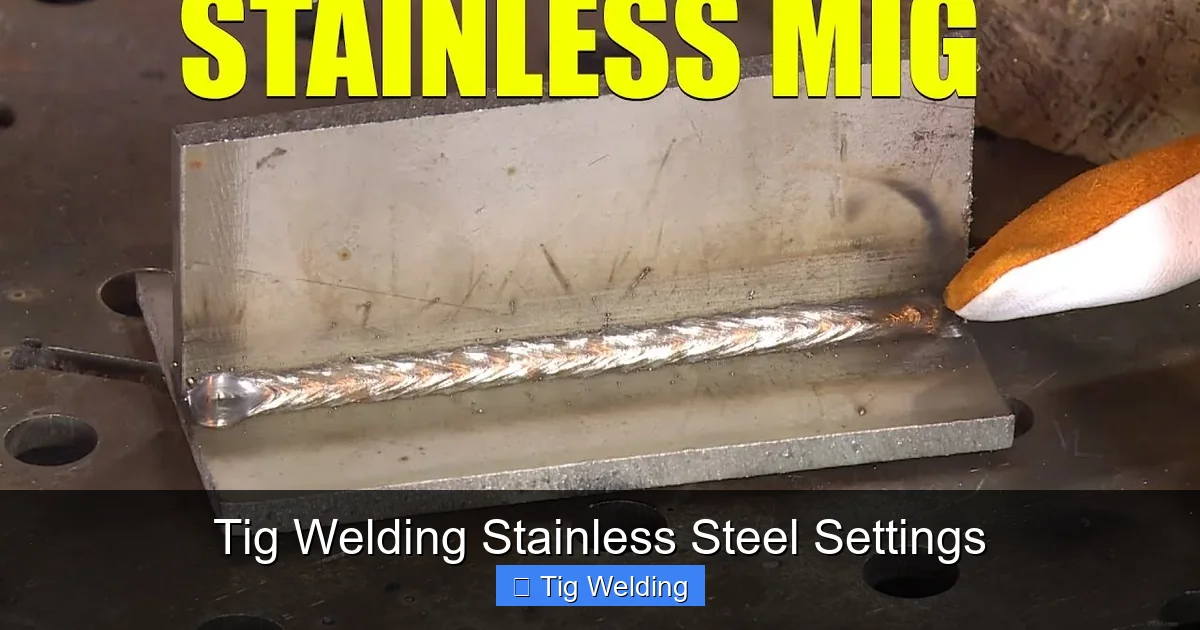
For example, welding a 1/8-inch sheet typically requires around 80-100 amps. Always start on the lower end and increase gradually to avoid overheating the metal.
2. Shielding Gas
Pure argon is the standard shielding gas for TIG welding stainless steel. It provides a stable arc and prevents oxidation. For thicker materials or specific applications, a mixture of argon and helium (up to 75% helium) can improve heat input and penetration.
Ensure the gas flow rate is between 15-20 CFH (cubic feet per hour) for consistent shielding. Proper shielding is vital to prevent contamination and achieve a shiny, clean weld bead.
3. Filler Metal Selection
Choosing the right filler rod is crucial. Common options include:
- ER308L: For 304 stainless steel, providing excellent corrosion resistance.
- ER316L: For 316 stainless steel, offering enhanced corrosion resistance especially in chloride environments.
- ER310: For high-temperature or dissimilar metal welding.
Match the filler metal to the base metal for optimal fusion and corrosion resistance.
4. Tungsten Electrode Type and Size
Use a 2% thoriated or lanthanated tungsten electrode for stability and longevity. The electrode size depends on the amperage:
- 1/16 inch (1.6 mm) for low amperage (<150 amps).
- 3/32 inch (2.4 mm) for medium amperage (150-250 amps).
- 1/8 inch (3.2 mm) for high amperage (>250 amps).
Maintain a pointed or slightly rounded tip for precise control and to prevent contamination.
Practical Tips for TIG Welding Stainless Steel
1. Maintain Proper Torch Angle and Distance
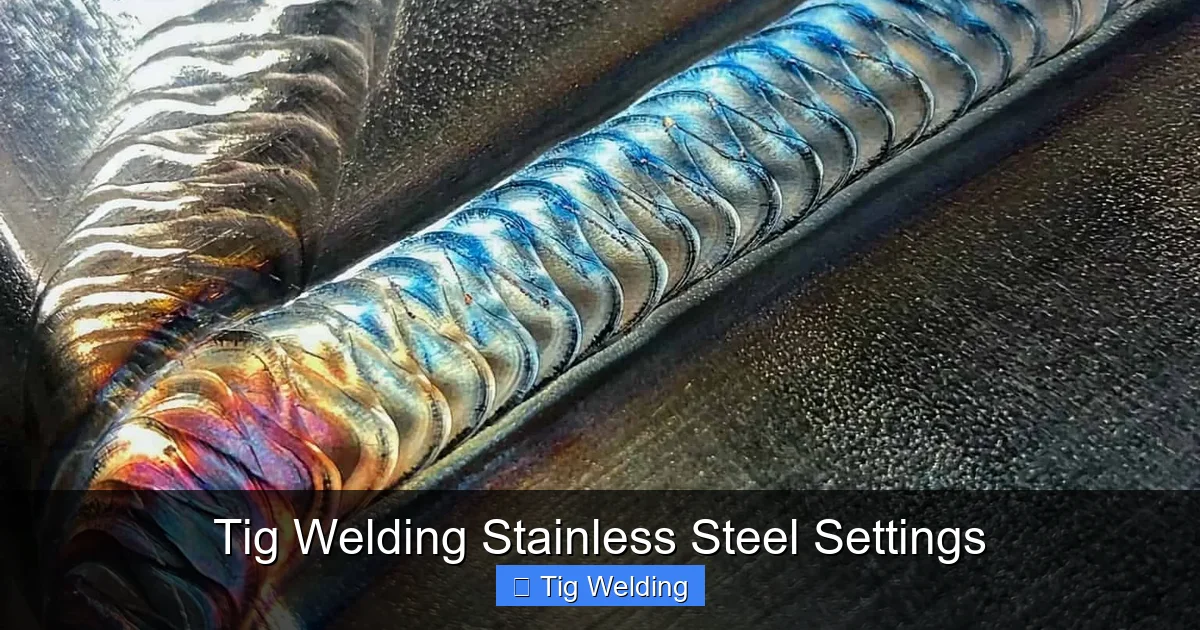
Hold the torch at about 70-80 degrees angle to the workpiece. Keep the tungsten close to the weld pool—around 1/8 inch—to ensure good arc stability and heat transfer.
Visual guide about Tig Welding Stainless Steel Settings
Image source: weldguru.com
2. Use Consistent Travel Speed
Steady, moderate speed prevents burn-through and ensures a uniform weld bead. Practice makes perfect—start slowly and increase speed as you gain confidence.
3. Preheat When Necessary
For thicker stainless steel or complex welds, preheating to around 200°F (93°C) can reduce thermal stress and improve weld quality. Use a heat gun or oven to preheat if needed.
4. Clean the Metal Thoroughly
Remove any oil, grease, or oxidation with a stainless steel brush or chemical cleaner. Clean surfaces lead to better welds and less contamination.
5. Practice Proper Filler Feeding Technique
Feed the filler rod smoothly and consistently into the weld pool at a slight angle. Avoid excessive filler addition to prevent defects.
Common Challenges and How to Troubleshoot
Porosity in the Weld
Porosity occurs when oxygen or moisture contaminates the weld. Fix this by ensuring proper shielding gas flow and working in a clean environment.
Cracks or Weak Joints
Excessive heat or rapid cooling can cause cracks. Use appropriate amperage, avoid overheating, and preheat if necessary.
Uneven Weld Bead
Maintain steady torch movement and consistent filler addition. Practice torch angle and travel speed for uniform beads.
Conclusion: Mastering TIG Welding Stainless Steel Settings
Achieving high-quality TIG welds on stainless steel hinges on understanding and applying the correct settings. From selecting the right amperage and shielding gas to choosing proper filler metals and technique, each factor plays a vital role. With patience, practice, and attention to detail, you can produce professional-looking, corrosion-resistant welds that stand the test of time.
Remember, every project is unique. Adjust your settings based on material thickness and specific requirements. Keep practicing, stay clean, and always prioritize safety. Happy welding!
Frequently Asked Questions
What is the best gas flow rate for TIG welding stainless steel?
Use a flow rate of 15-20 CFH to ensure good shielding without excessive turbulence, which can cause contamination.
Can I weld stainless steel without preheating?
Yes, but preheating can help with thicker materials and reduce the risk of cracking. Use preheat carefully to avoid overheating.
How do I prevent oxidation and discoloration in stainless steel welds?
Maintain proper shielding gas coverage throughout the weld and keep the work area clean to prevent oxidation and discoloration.
Is a higher amperage always better for thicker stainless steel?
Higher amperage provides better penetration, but too much can cause burn-through or warping. Adjust gradually and use the appropriate settings.
How long does it take to master TIG welding stainless steel?
Mastery depends on experience, but consistent practice over weeks or months will significantly improve your skills and weld quality.
What safety precautions should I take when TIG welding stainless steel?
Always wear protective gear, including a welding helmet, gloves, and proper ventilation. Stainless steel fumes can be hazardous, so work in a well-ventilated area.
