

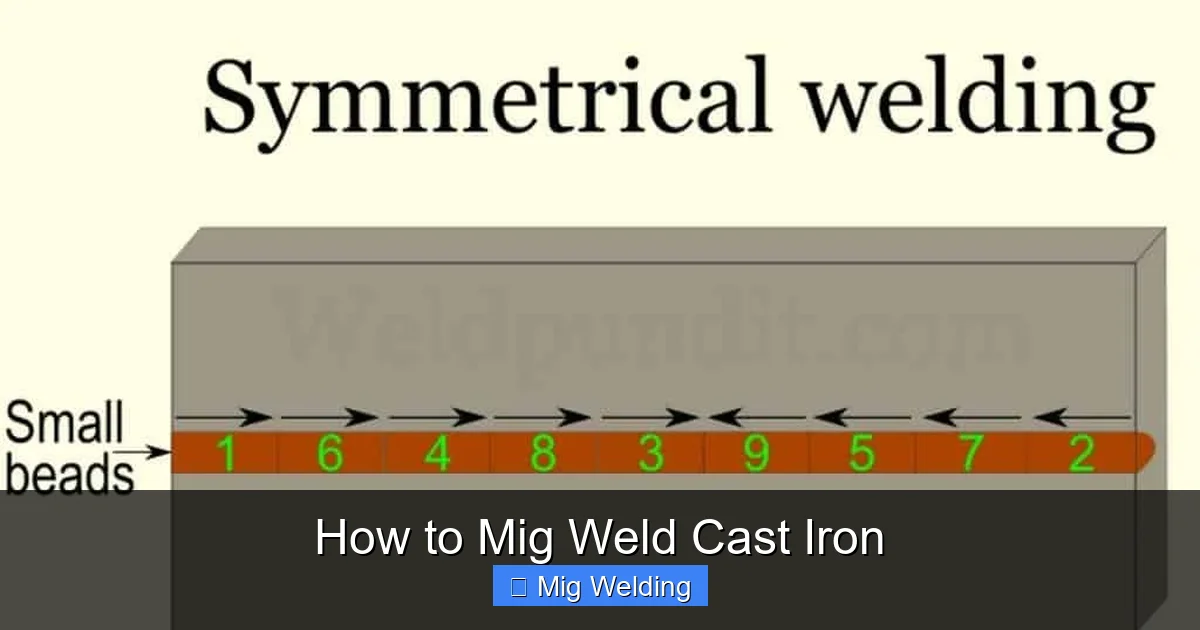
Welding cast iron can be challenging, but with the right techniques and safety precautions, you can achieve solid results using MIG welding. This guide walks you through the process, from preparing your materials to finishing your weld. Whether you’re repairing a broken part or creating a new piece, mastering MIG welding on cast iron is a valuable skill for any welder or DIY enthusiast.
Key Takeaways
- Proper preparation: Clean and prepare the cast iron surface thoroughly to ensure good weld adhesion.
- Use the right consumables: Select compatible filler wire and shielding gas tailored for cast iron welding.
- Preheat the material: Preheating reduces thermal stress and helps prevent cracking during welding.
- Control heat input: Maintain steady travel speed and appropriate amperage to avoid overheating.
- Post-weld cooling: Cool the weld slowly to minimize cracking and ensure strength.
- Practice and patience: MIG welding cast iron takes practice; start with scrap pieces before working on your project.
Introduction
Welding cast iron with a MIG welder might seem intimidating at first, but with the right approach, it’s entirely achievable. Cast iron is a brittle, high-carbon material prone to cracking due to rapid cooling or uneven heating. However, MIG welding offers a controlled, efficient way to repair or join cast iron components. In this guide, you’ll learn how to prepare, execute, and finish a cast iron weld successfully, ensuring your repair is strong and durable.
Understanding Cast Iron and MIG Welding
Cast iron is a popular material used in engines, pipes, and cookware. Its high carbon content makes it strong but also brittle. MIG welding (Metal Inert Gas welding) involves feeding a continuous wire electrode into the weld pool while shielding it with inert gases. While MIG welding on cast iron is possible, special considerations must be taken to prevent cracking and ensure a quality weld.
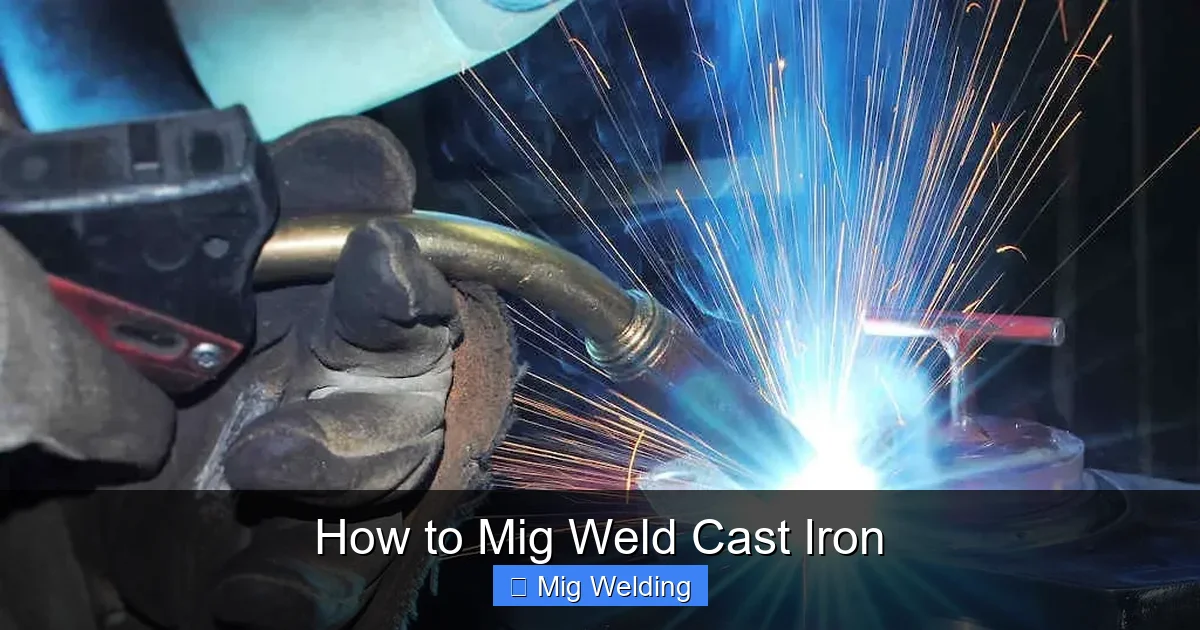
Visual guide about How to Mig Weld Cast Iron
Image source: weldpundit.com
Tools and Materials Needed
- MIG welder: Capable of high amperage settings suitable for cast iron.
- Filler wire: Nickel-based filler wire (e.g., ERNi55 or ERNiFe-CI) is recommended for cast iron.
- Shielding gas: 100% argon or a mixture of argon and CO2 (usually 75-25).
- Preheat source: Propane torch or oxy-acetylene setup.
- Cleaning tools: Wire brush, grinder, and acetone or cleaner.
- Protective gear: Welding helmet, gloves, safety glasses, and protective clothing.
Step 1: Preparing the Cast Iron Surface
Clean the Area
Start by cleaning the cast iron thoroughly. Remove dirt, grease, oil, and rust using a wire brush or grinder. Use acetone or a degreaser to ensure the surface is free of contaminants. A clean surface is crucial for proper weld adhesion.
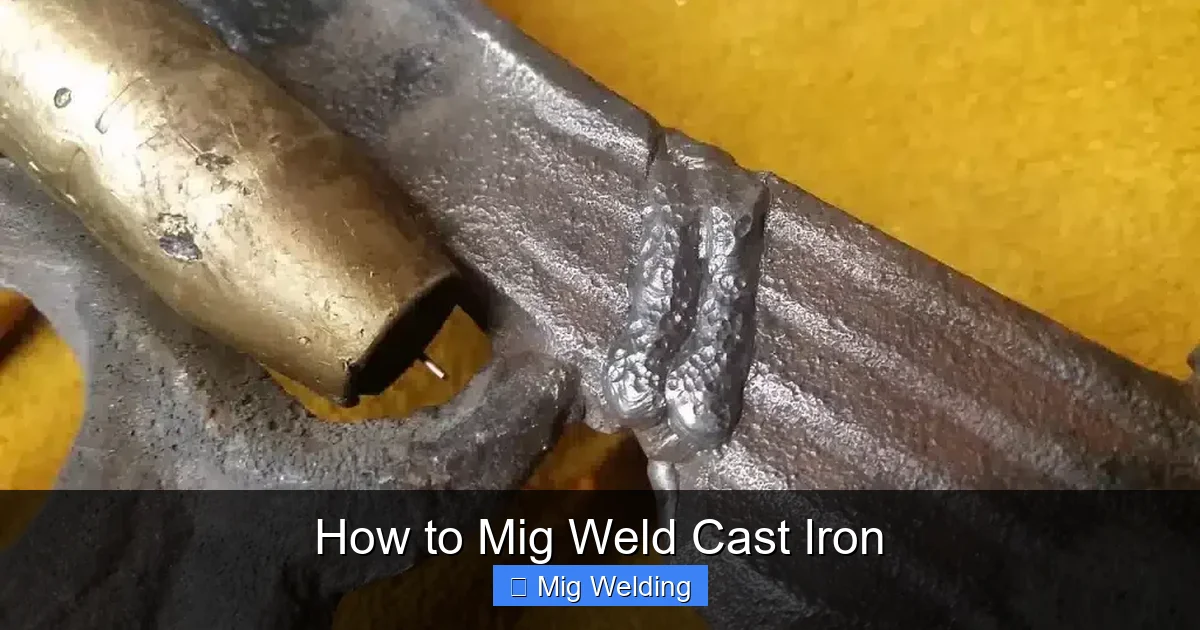
Visual guide about How to Mig Weld Cast Iron
Image source: weldingpros.net
Visual guide about How to Mig Weld Cast Iron
Image source: whatiswelding.com
Remove Old Paint or Coatings
If the cast iron has paint or coatings, strip them away completely. These can interfere with the weld and cause issues like porosity or cracking.
Step 2: Preheating the Cast Iron
Why Preheat?
Preheating cast iron reduces the risk of cracking by minimizing thermal shock. It helps the weld and base metal expand evenly, leading to a stronger joint.
How to Preheat
- Use a propane torch or oxy-acetylene torch to evenly heat the area around the weld zone.
- Preheat to about 600°F (315°C). Use an infrared temperature gun for accuracy.
- Keep the area heated throughout the welding process.
Tip: Preheat slowly and avoid overheating, which can cause warping or additional stress.
Step 3: Setting Up Your MIG Welder
Choose the Right Filler Wire
Use a nickel-based filler wire specifically designed for cast iron, like ERNi55. This wire provides better ductility and reduces cracking risk compared to steel wires.
Adjust Welding Parameters
- Set the amperage appropriately—generally high for cast iron, around 150-200 amps.
- Use a slow travel speed to allow proper heat input.
- Set the shielding gas to 100% argon or a suitable mixture to protect the weld pool.
Step 4: Welding the Cast Iron
Start Welding
- Begin at a low amperage to prevent overheating.
- Maintain a steady hand and consistent travel speed.
- Use short, overlapping welds (stringer beads) to distribute heat evenly.
Control Heat Input
Keep heat input low to prevent cracking. Avoid excessive weaving; a straight bead is preferable.
Welding Technique Tips
- Preheat the entire area to reduce thermal gradients.
- Weld in small passes to control heat.
- Pause between passes to allow the metal to cool slightly.
Step 5: Post-Weld Cooling and Finishing
Cooling Process
After completing the weld, cool the cast iron slowly. Wrap the component in insulating material or leave it to cool gradually in the shop. Rapid cooling can cause cracking.
Finishing the Weld
- Use a wire brush or grinder to clean the weld bead.
- Inspect for cracks, porosity, or incomplete fusion.
- If necessary, perform additional passes to fill any gaps.
Troubleshooting Common Issues
- Cracking during welding: Ensure proper preheating, use the correct filler wire, and control heat input.
- Porosity in weld: Check shielding gas flow, clean surfaces thoroughly, and avoid moisture.
- Incomplete fusion: Increase heat slightly, verify wire feed speed, and ensure proper technique.
Conclusion
Welding cast iron with a MIG welder requires patience, preparation, and the right materials. By properly cleaning, preheating, selecting the right consumables, and controlling heat, you can produce strong, durable welds. Practice on scrap pieces first, and don’t rush the cooling process. With time and experience, MIG welding cast iron can become a reliable method for repairs and fabrication.
Additional Tips
- Practice on scrap cast iron to refine your technique.
- Always wear proper safety gear to protect yourself from fumes and sparks.
- Consider using a thermal blanket or heat shield to manage heat.
