

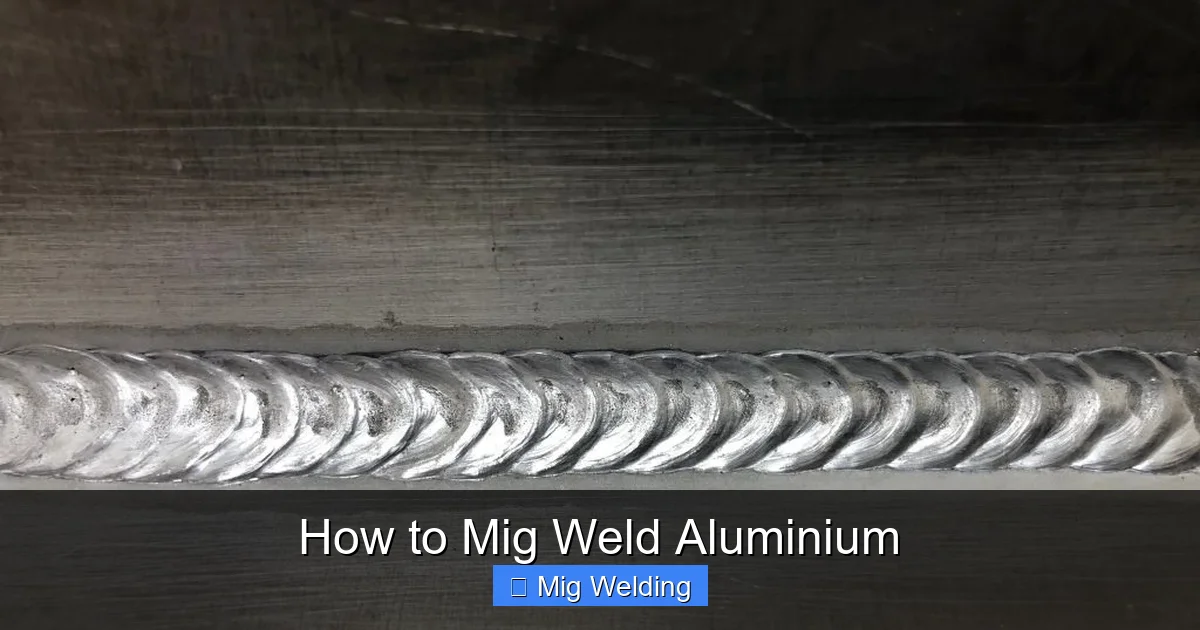
Mastering MIG welding aluminium can open new possibilities for your projects. This guide covers everything from equipment setup to welding techniques, ensuring you achieve strong, clean welds on aluminium with confidence.
How to MIG Weld Aluminium
If you’re looking to expand your welding skills, learning how to MIG weld aluminium is a great choice. Aluminium is lightweight, corrosion-resistant, and widely used in industries like aerospace, automotive, and marine. However, welding aluminium requires some specific techniques and equipment adjustments compared to steel. In this guide, we’ll walk you through everything you need to know to MIG weld aluminium successfully — from selecting the right materials to troubleshooting common issues. Whether you’re a hobbyist or a professional, this guide will help you achieve strong, clean aluminium welds.
Key Takeaways
- Use the right wire: Use a spool of aluminium-specific MIG wire, typically 4043 or 5356 alloy for best results.
- Set proper parameters: Adjust your wire feed speed and voltage according to aluminium thickness and machine specifications.
- Use shielding gas: Use pure argon or a mix of argon and helium to prevent oxidation and ensure a clean weld.
- Prepare your materials: Clean aluminium thoroughly to remove oxides and contaminants before welding.
- Maintain proper technique: Use a steady, consistent motion and keep the contact tip close to avoid porosity.
- Practice safety: Wear protective gear and ensure good ventilation when welding aluminium.
Understanding the Basics of MIG Welding Aluminium
MIG welding (Metal Inert Gas welding) uses a continuous wire feed and shielding gas to create strong welds. When it comes to aluminium, the process has unique challenges:
- Oxidation: Aluminium forms a tough oxide layer that melts at a higher temperature, making welds prone to porosity if not properly cleaned.
- Material properties: Aluminium is softer and more ductile than steel, requiring adjusted settings and techniques.
- Special equipment: You need a MIG welder capable of handling aluminium wire and an appropriate shielding gas.
In this guide, we’ll help you navigate these challenges and master aluminium MIG welding step by step.
Step 1: Gather Your Equipment and Materials
1.1 Choose the Right MIG Welder
Not all welders are suitable for aluminium. Look for a MIG welder that:
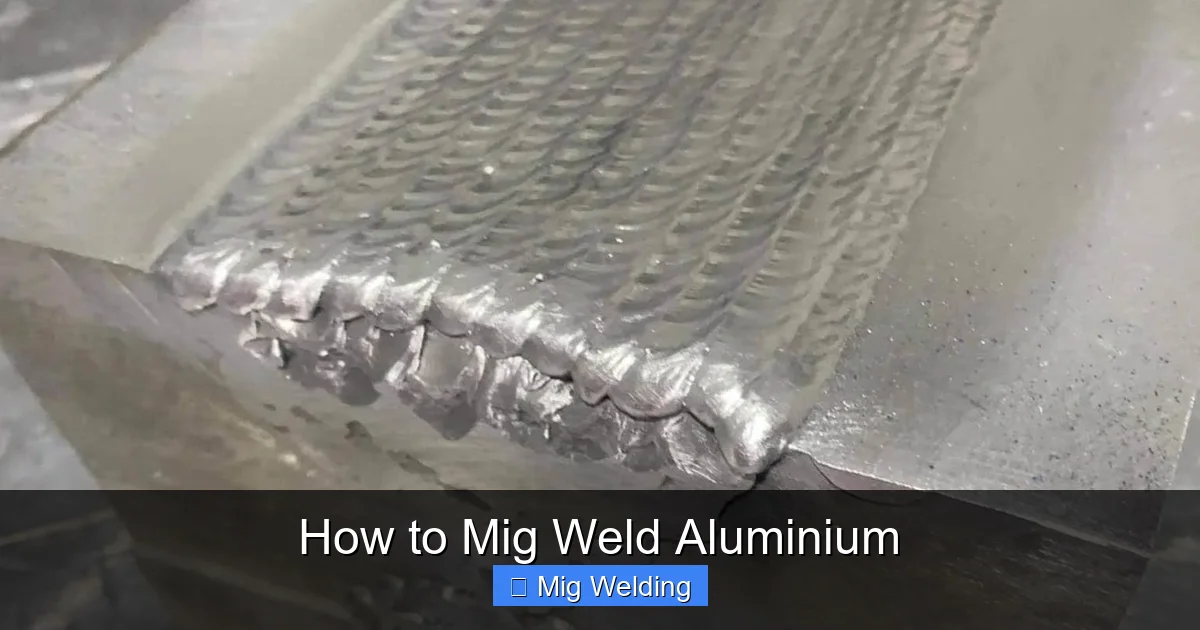
Visual guide about How to Mig Weld Aluminium
Image source: weldingmastermind.com
- Supports spool guns or has a high-quality wire feed system
- Allows for adjustable voltage and wire speed
- Can handle aluminium wire (usually 0.023” or 0.030” diameter)
1.2 Select the Appropriate Wire
Use aluminium-specific MIG wire, typically 4043 or 5356 alloy. 4043 is easier to weld and offers better color match, while 5356 provides higher strength.
1.3 Use the Correct Shielding Gas
Pure argon is ideal for MIG welding aluminium. For better penetration, you can mix argon with helium (e.g., 75% argon / 25% helium). Avoid using CO2 or other gases.
1.4 Prepare Safety Gear
- Welding helmet with appropriate shade
- Protective gloves and clothing
- Proper ventilation or fume extraction
Step 2: Prepare the Aluminium Surface
Cleaning is critical for successful aluminium welding. Oxides and contaminants prevent proper fusion and cause porosity.
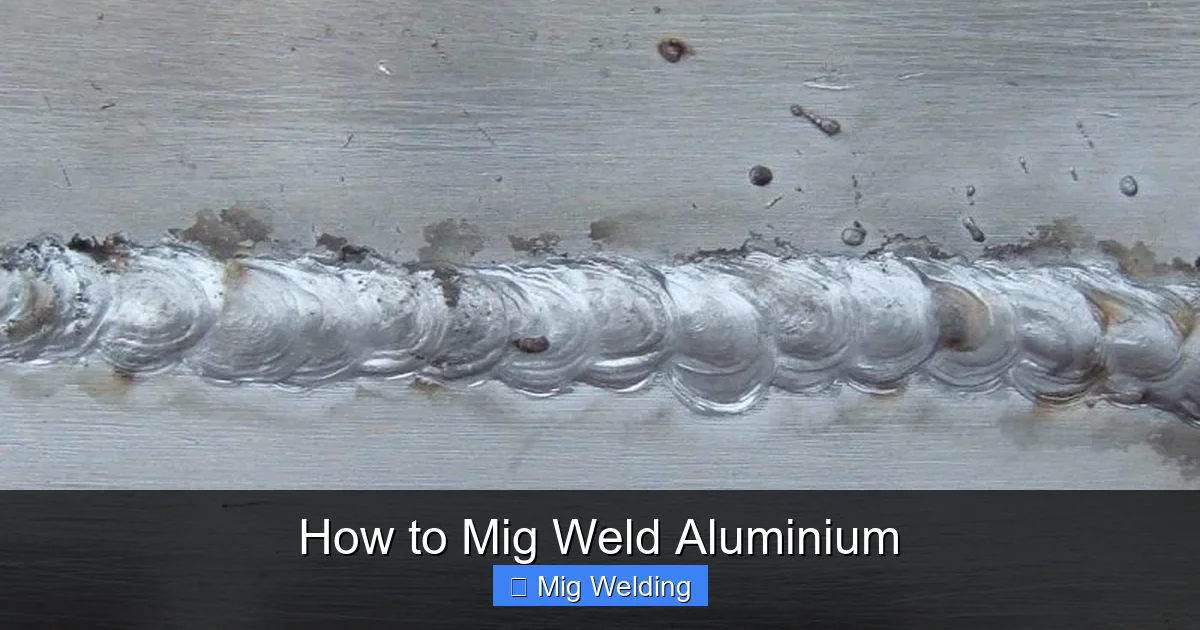
Visual guide about How to Mig Weld Aluminium
Image source: mig-welding.co.uk
2.1 Clean the Surface
- Use a stainless steel wire brush dedicated to aluminium.
- Remove all oxide layers, dirt, and grease.
- For stubborn oxidation, use chemical cleaners or abrasive pads.
2.2 Avoid Contamination
Keep the aluminium clean until welding to prevent re-oxidation. Use clean gloves and tools.
Step 3: Set Up Your MIG Welder
3.1 Install the Wire and Set the Spool
Use a spool gun if available, especially for thin materials. Set the spool to feed smoothly without tangles.
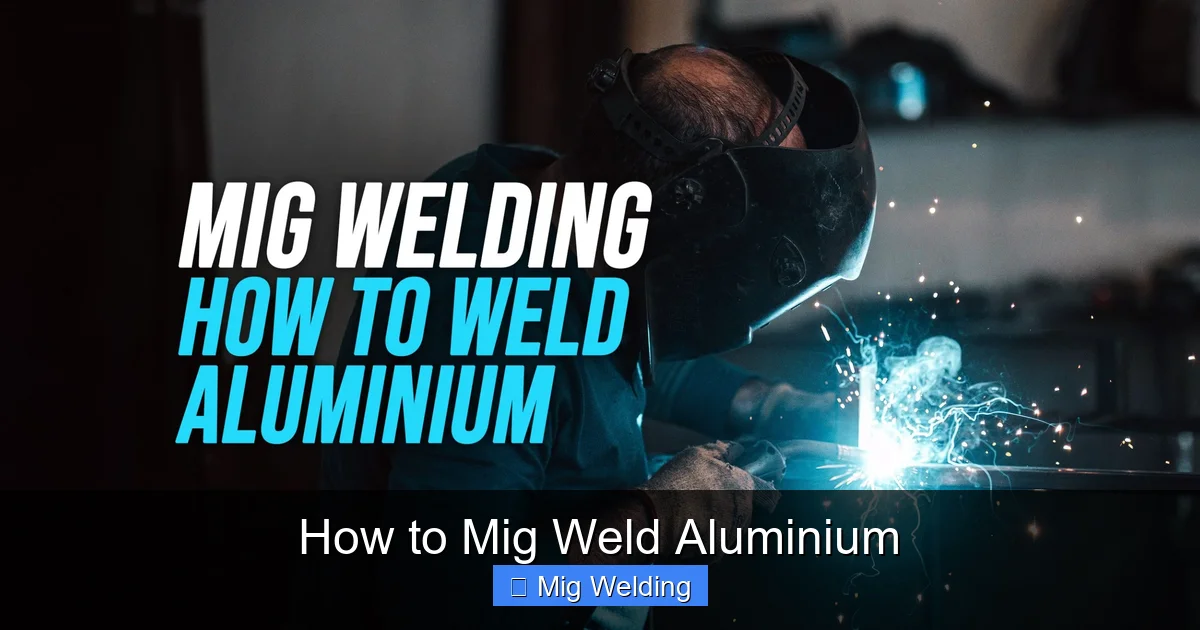
Visual guide about How to Mig Weld Aluminium
Image source: weldingwatch.com
3.2 Adjust the Welding Parameters
- Voltage: For aluminium, start with lower voltage settings and adjust based on weld quality.
- Wire Speed: Increase wire feed speed for thicker materials; decrease for thinner aluminium.
- Amperage: Ensure your machine provides enough power for the aluminium thickness.
3.3 Set the Shielding Gas
Ensure the gas flow rate is between 15-25 CFH (cubic feet per hour). Check for leaks in the gas line.
Step 4: Practice Welding Technique
4.1 Position and Tackle
Maintain a steady hand and comfortable stance. Keep the contact tip close (about 1/8 inch) to the workpiece.
4.2 Start Welding
- Begin with short, controlled welds to get a feel for the settings.
- Use a consistent, weaving or straight-line motion depending on the joint.
- Maintain a steady travel speed; too slow causes burn-through, too fast results in weak welds.
4.3 Use a Spool Gun If Necessary
For thin aluminium or complex shapes, a spool gun helps reduce wire feeding issues and improves weld quality.
Step 5: Finishing and Post-Weld Care
5.1 Inspect the Weld
Look for uniformity, proper fusion, and minimal porosity. The weld bead should be smooth and consistent.
5.2 Clean the Weld
- Remove any oxidation or spatter with a wire brush.
- If needed, apply a protective coating to prevent corrosion.
5.3 Troubleshooting Common Issues
- Porosity: Ensure proper cleaning and shielding gas coverage.
- Cracks or weak welds: Adjust welding parameters and reduce heat input.
- Irregular bead: Maintain consistent travel speed and electrode angle.
Conclusion
Learning how to MIG weld aluminium opens up new possibilities for your projects. It requires the right equipment, thorough preparation, and practice. By following these step-by-step instructions, you can achieve strong, clean welds that stand the test of time. Remember, patience and continuous practice are key to mastering aluminium MIG welding. Happy welding!
Additional Tips for Success
- Practice on scrap pieces before working on your main project.
- Maintain a short arc length for better control and weld quality.
- Use a dedicated spool gun to improve feed consistency for thin aluminium sheets.
- Stay cool — aluminium welds can heat up quickly, so take breaks to avoid warping.
Safety Reminder
Always wear appropriate safety gear and work in a well-ventilated area. Aluminium welding fumes can be harmful, so prioritize safety at all times.
