

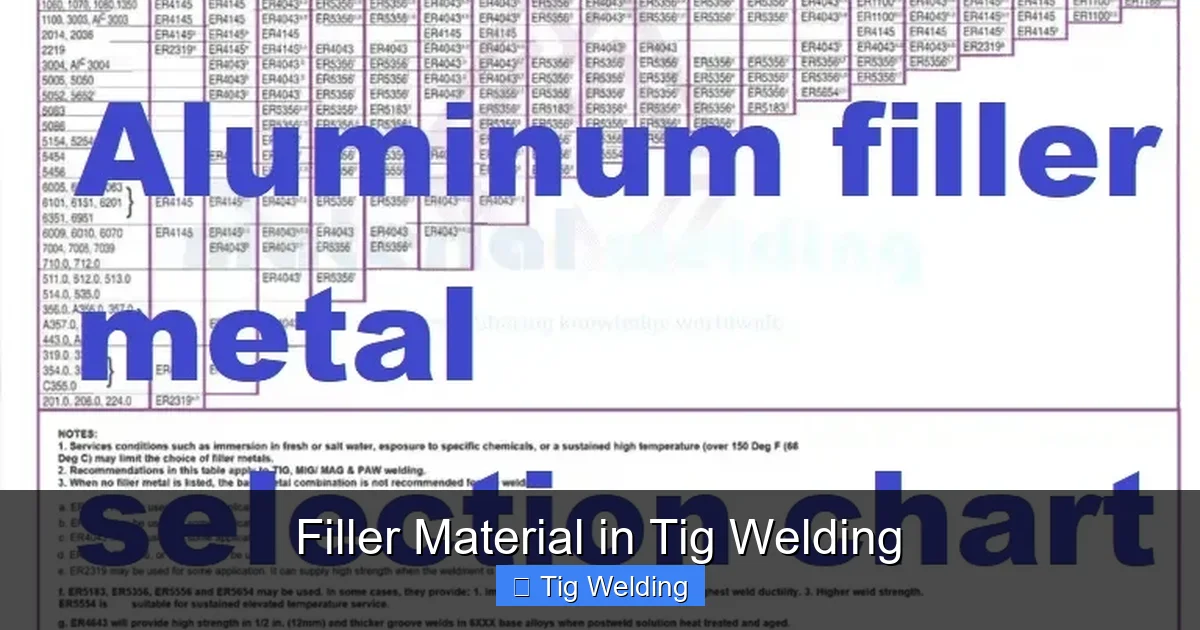
Filler material in TIG welding plays a crucial role in creating strong, high-quality welds. Choosing the right filler rod depends on the base material and desired properties, making it essential for welders to understand their options and techniques. Whether you’re a beginner or an experienced welder, mastering filler material selection can significantly improve your TIG welding results.
Key Takeaways
- Filler material in TIG welding: Is essential for joining metals and influences the strength and appearance of the weld.
- Material compatibility: Selecting the right filler rod depends on the base metal to ensure compatibility and optimal results.
- Types of filler rods: Include various alloys like stainless steel, aluminum, and magnesium, each suited for specific applications.
- Rod diameter: Affects the weld pool size and heat input; choose based on material thickness and weld type.
- Preparation and technique: Proper cleaning and technique are key to achieving strong, defect-free welds with the right filler material.
- Safety considerations: Handle filler rods carefully and store them properly to avoid contamination and ensure safety.
Quick Answers to Common Questions
Question 1?
What is the most common filler material used in TIG welding of stainless steel?
Typically, 308L or 316L stainless steel filler rods are used for TIG welding stainless steel, providing excellent corrosion resistance and weld strength.
Question 2?
How do you choose the right filler rod diameter?
Choose a diameter based on the material thickness and weld type. Thicker materials generally require larger diameter rods for proper heat input and weld strength.
Question 3?
Can I use aluminum filler rods on steel?
No, aluminum filler rods are incompatible with steel. Always match the filler material to the base metal for best results.
Question 4?
What are common issues caused by using the wrong filler material?
Using incompatible fillers can lead to weak welds, cracking, porosity, or corrosion problems. Always select the correct alloy for your base metal.
Question 5?
Is it necessary to clean filler rods before welding?
Yes, cleaning filler rods to remove oxidation, oil, or dirt ensures better weld quality and reduces contamination issues.
📑 Table of Contents
- Introduction to Filler Material in TIG Welding
- What Is Filler Material in TIG Welding?
- Types of Filler Rods Used in TIG Welding
- Factors to Consider When Selecting Filler Material
- Practical Tips for Working with Filler Material in TIG Welding
- Common Challenges and Solutions
- Conclusion: Mastering Filler Material in TIG Welding
Introduction to Filler Material in TIG Welding
TIG welding, or Tungsten Inert Gas welding, is renowned for its precision and clean welds. One of the key elements that determine the quality of a TIG weld is the filler material. While TIG welding is often performed without filler for thin or specific applications, most real-world projects require adding filler rods to build up or join metals.
Choosing the right filler material isn’t just about matching the base metal; it involves understanding the properties of different filler rods, their compatibility, and how they influence the final weld. Whether you’re working with steel, aluminum, or exotic alloys, mastering filler material selection will elevate your TIG welding game.
What Is Filler Material in TIG Welding?
Definition and Role
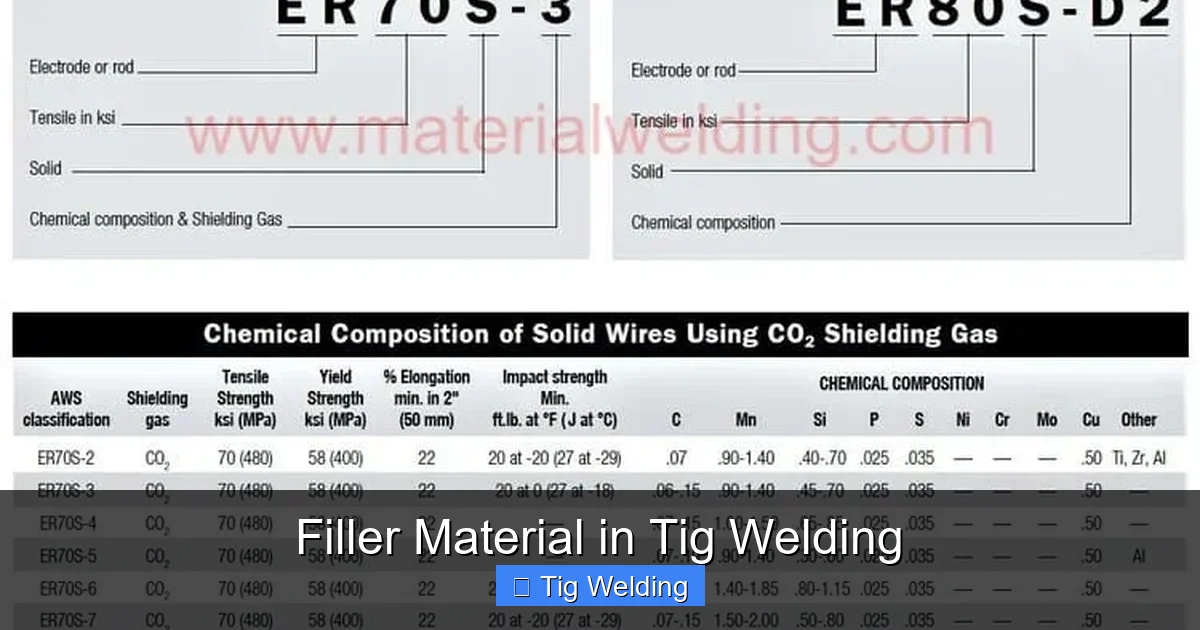
The filler material in TIG welding refers to the metal rod or wire added during welding to fill the joint gap and create a strong bond between the base metals. It melts and fuses with the base metal, forming a seamless, durable weld.
Visual guide about Filler Material in Tig Welding
Image source: materialwelding.com
In TIG welding, the filler rod is precisely fed into the weld pool, which is maintained by an electric arc struck between the tungsten electrode and the workpiece. The filler material’s composition directly affects weld strength, corrosion resistance, and aesthetic appearance.
Types of Filler Rods Used in TIG Welding
Common Materials and Alloys
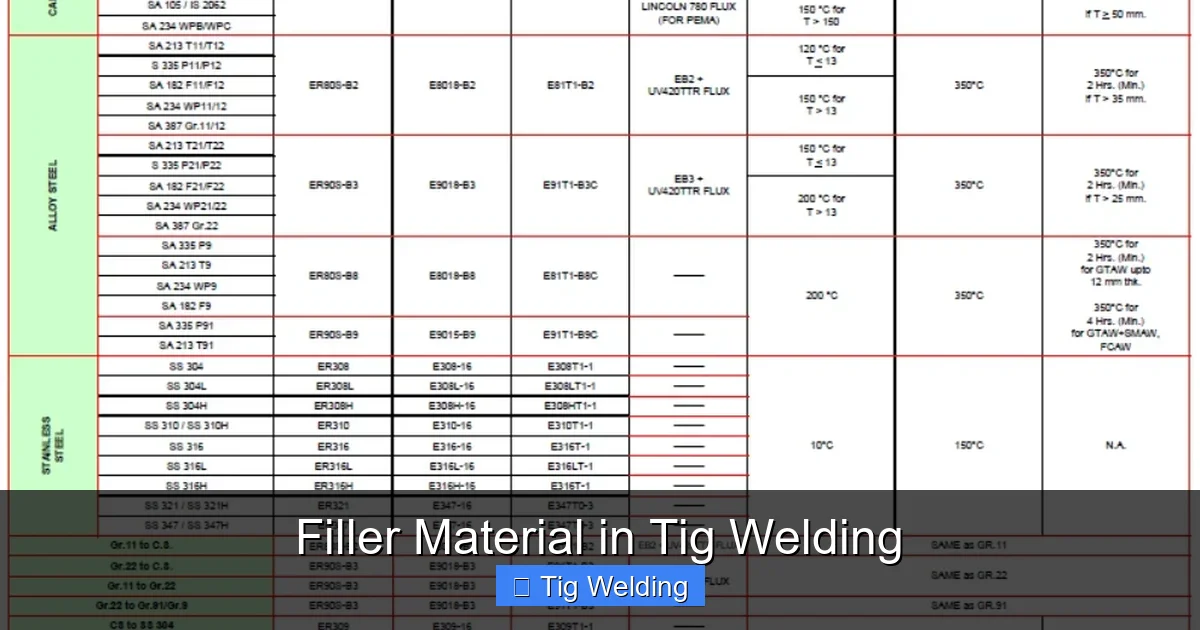
The choice of filler material depends largely on the type of base metal. Here are some common types:
Visual guide about Filler Material in Tig Welding
Image source: materialwelding.com
- Stainless Steel Filler Rods: Usually 308L, 309L, or 316L, ideal for joining stainless steel components. They offer corrosion resistance and strength.
- Aluminum Filler Rods: Typically 4043 or 5356 alloys, used for aluminum and its alloys. They provide good corrosion resistance and excellent weldability.
- Carbon Steel Filler Rods: Generally ER70S-6 or ER70S-3, suitable for mild and low-alloy steels. They are versatile and cost-effective.
- Nickel Alloys: Such as Inconel 625, used for high-temperature and corrosion-resistant applications.
Each alloy has its specific advantages and is selected based on the requirements of the project, including strength, corrosion resistance, and compatibility.
Factors to Consider When Selecting Filler Material
1. Compatibility with Base Metal
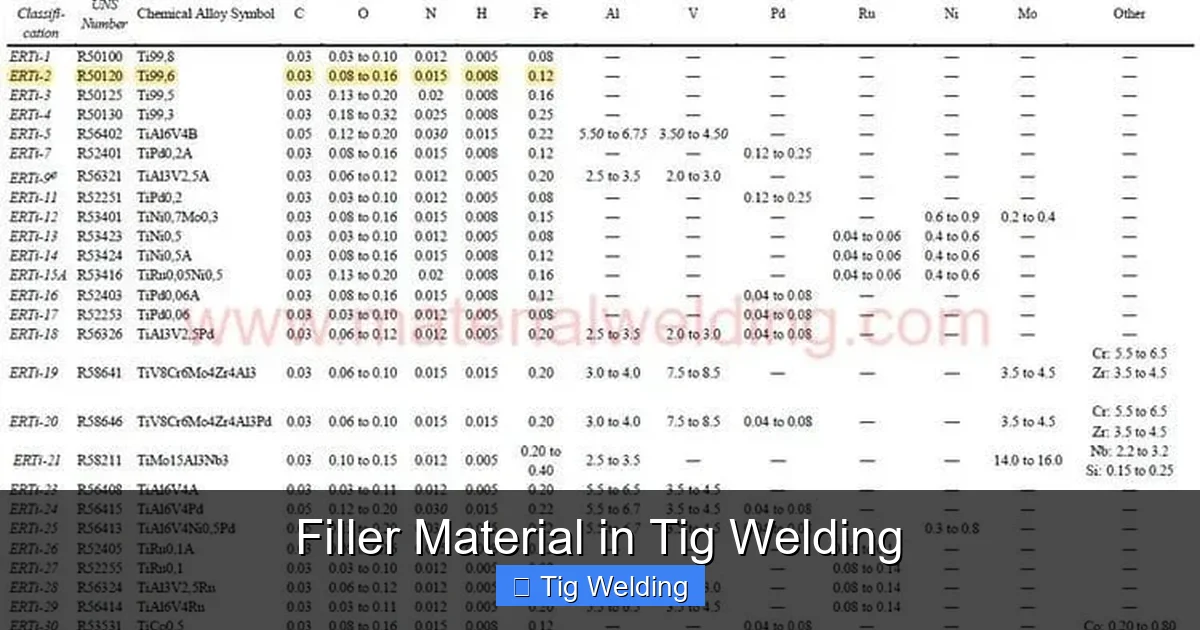
The most critical factor is ensuring the filler material is compatible with the base metal. Using mismatched fillers can lead to weak welds, cracking, or corrosion issues. For example, a stainless steel filler should be used with stainless steel base metals.
Visual guide about Filler Material in Tig Welding
Image source: materialwelding.com
2. Mechanical Properties
Consider the strength, ductility, and toughness needed for your application. For structural components, choose a filler with higher strength; for decorative or thin materials, flexibility and appearance might be more important.
3. Corrosion Resistance
If your welds will be exposed to harsh environments, select a filler alloy that offers excellent corrosion resistance, such as stainless steel or nickel-based alloys.
4. Welding Position and Thickness
Filler rod diameter and composition should match the welding position and material thickness. Thicker materials may require larger diameter rods and higher heat input.
5. Ease of Welding
Some filler materials are easier to work with, especially for beginners. For example, 4043 aluminum filler rods are known for their good flow and weldability.
Practical Tips for Working with Filler Material in TIG Welding
- Proper Storage: Keep filler rods in dry, clean environments to prevent contamination and oxidation.
- Preparation: Always clean base metals and filler rods to remove dirt, grease, or oxidation.
- Consistent Feeding: Maintain a steady hand to feed the filler rod smoothly into the weld pool for uniform welds.
- Matching Filler and Base Metal: Use the recommended filler alloy for your specific base metal to ensure compatibility and strength.
- Adjusting Parameters: Modify amperage and travel speed based on the filler rod and material thickness for optimal results.
Common Challenges and Solutions
Porosity and Contamination
Contaminants like oil, rust, or moisture can cause porosity in the weld. Always clean your workpieces and filler rods thoroughly.
Cracking or Weak Joints
Mismatched filler material or improper heat input can lead to cracks. Ensure compatibility and adjust your welding parameters accordingly.
Porcelain or Excessive Spatter
Use the correct filler rod diameter and proper shielding gas flow to minimize spatter and ensure a clean weld.
Conclusion: Mastering Filler Material in TIG Welding
Choosing the right filler material in TIG welding is essential for achieving strong, clean, and reliable welds. Understanding the properties of different filler rods, compatibility with base metals, and proper techniques will help you produce professional-quality results. Remember, a well-selected filler material not only enhances weld strength but also improves appearance and corrosion resistance, making your projects durable and visually appealing.
Practice, proper preparation, and continuous learning about filler materials will make you a more confident and skilled TIG welder. Keep exploring different alloys and techniques to broaden your expertise and tackle even the most challenging welding tasks with ease.
Frequently Asked Questions
What is filler material in TIG welding?
Filler material in TIG welding is the metal rod or wire added to the weld joint to fill gaps and enhance strength. It melts during welding and fuses with the base metal.
How do I select the right filler material for my project?
Choose a filler that is compatible with your base metal, considering factors like alloy type, strength, corrosion resistance, and weldability. Always follow manufacturer recommendations.
Can I use different filler materials for different parts of the same project?
Yes, but only if the base metals are compatible with each filler type. Mixing incompatible fillers can compromise weld quality and durability.
What are the benefits of using high-quality filler rods?
High-quality filler rods ensure better weld integrity, appearance, and corrosion resistance. They also reduce defects like porosity and cracking.
How should filler rods be stored?
Store filler rods in a dry, clean environment away from moisture and contaminants to prevent oxidation and ensure optimal weldability.
Is filler material necessary for all TIG welds?
No, some thin or specific TIG welds can be performed without filler material, but most applications require it to ensure strength and proper joint filling.
