

Many welders wonder if they can weld aluminium with a MIG welder. The answer is yes, but it requires specific equipment, settings, and techniques. In this guide, you’ll learn how to weld aluminium with a MIG welder safely and effectively.
Can I Weld Aluminium with a MIG Welder?
If you’re into welding, you might have wondered whether a MIG welder can handle aluminium. The short answer is yes, but it’s not as straightforward as welding steel. Aluminium has unique properties that require specific equipment, settings, and techniques. In this comprehensive guide, we’ll explore how to weld aluminium with a MIG welder successfully. Whether you’re a hobbyist or a professional, this step-by-step approach will help you get the best results.
Key Takeaways
- Aluminium welding is possible with a MIG welder: It requires a suitable machine and proper settings.
- Use a spool gun or push-pull torch: These tools help feed soft aluminium wire smoothly.
- Change your wire and gas: Use aluminum-specific wire and a pure argon or argon-helium mix for best results.
- Adjust your welder settings: Use lower voltage and wire feed speeds tailored for aluminium.
- Clean and prep materials: Remove oxide layers and contaminants for strong welds.
- Practice and troubleshoot: Experiment with settings and techniques to improve your welds.
Understanding the Basics of MIG Welding and Aluminium
MIG (Metal Inert Gas) welding, also known as GMAW (Gas Metal Arc Welding), uses a continuously fed wire and shielding gas to create a weld. It’s popular because it’s fast, versatile, and relatively easy to learn. However, welding aluminium presents unique challenges due to its softness, thermal properties, and oxide layer.
Aluminium is lightweight, corrosion-resistant, and highly conductive. These qualities make it ideal for many applications but also mean that welding it requires specific considerations, especially when using a MIG welder. The key factors include the type of wire, shielding gas, equipment, and technique.
Can You Weld Aluminium with a Standard MIG Welder?
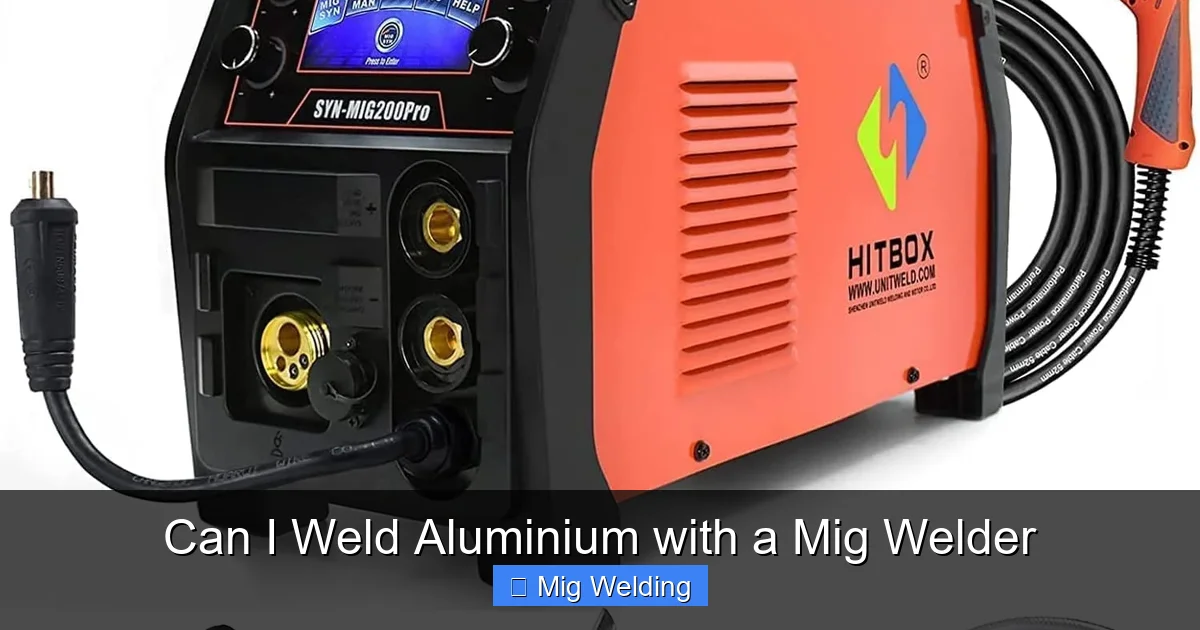
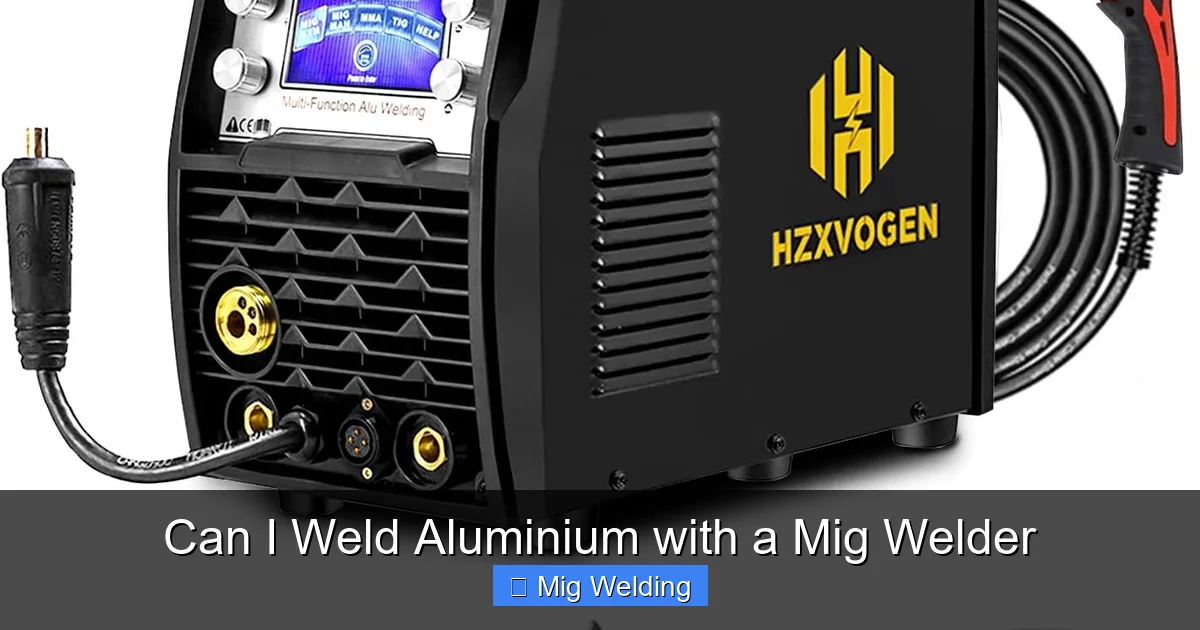
Many standard MIG welders are designed for steel and may not be suitable for aluminium. If your machine is capable of welding thinner materials, has adjustable voltage and wire feed, and supports a spool gun, you can attempt aluminium welding. However, for best results, a dedicated or upgraded MIG welder with spool gun capabilities is recommended.
Visual guide about Can I Weld Aluminium with a Mig Welder
Image source: m.media-amazon.com
In short, not all MIG welders are suitable for aluminium. Check your machine specs first, and consider investing in a spool gun if you plan to weld aluminium regularly.
Equipment Needed to Weld Aluminium with a MIG Welder
1. A Suitable MIG Welder
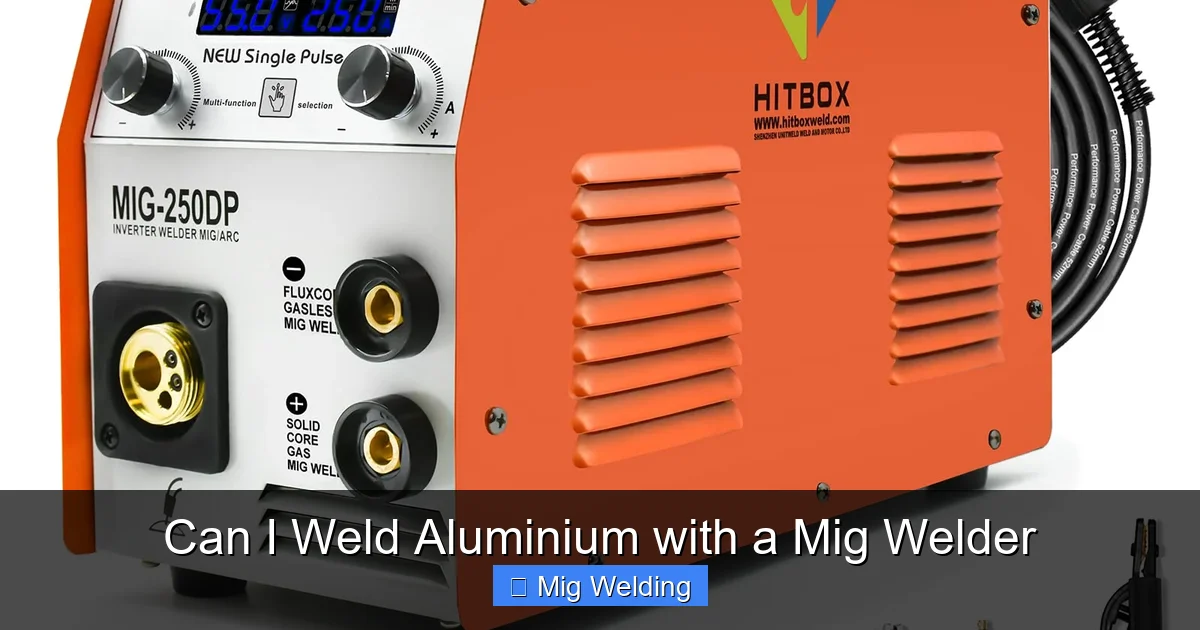
Look for a MIG welder with adjustable settings, capable of low voltage and wire feed speeds. A machine that supports spool guns is ideal.
Visual guide about Can I Weld Aluminium with a Mig Welder
Image source: m.media-amazon.com
2. Spool Gun or Push-Pull Torch
Aluminium wire is softer and tends to jam or birdnest in standard guns. A spool gun or push-pull torch feeds the wire smoothly and reduces feeding issues.
3. Aluminium-Specific Welding Wire
Use ER4043 or ER5356 aluminum wires. These are common and suitable for different applications.
4. Shielding Gas
Pure argon (99%) is the best choice for welding aluminium. You can also use a mix of argon-helium for better penetration and bead appearance.
5. Safety Gear
Always wear proper PPE, including a welding helmet, gloves, and protective clothing.
Preparing for Welding Aluminium
Before welding, preparation is crucial:
Visual guide about Can I Weld Aluminium with a Mig Welder
Image source: blog.red-d-arc.com
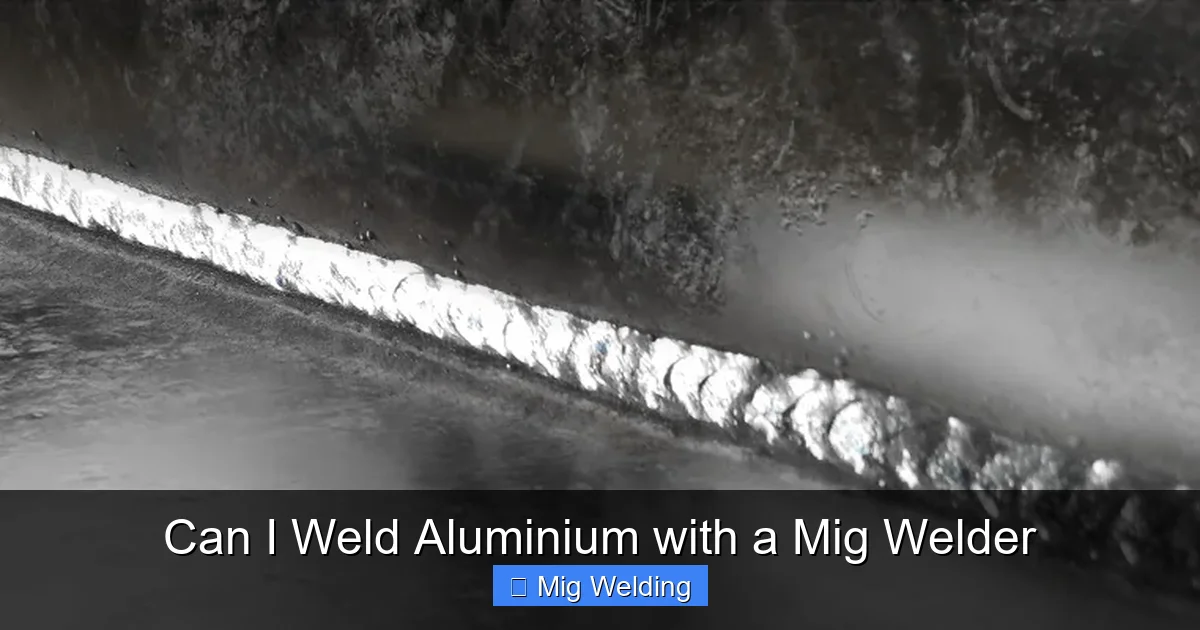
- Clean the material: Remove oxide layers, dirt, and grease using a stainless steel brush or chemical cleaner.
- Cut and fit pieces: Ensure proper fit-up for strong welds.
- Set up your equipment: Attach the spool gun, load the aluminium wire, and connect the shielding gas.
Step-by-Step Guide to Welding Aluminium with a MIG Welder
Step 1: Set Up Your Equipment Correctly
Start by connecting your spool gun to the MIG welder. Load the aluminium wire spool into the gun, ensuring it spins freely. Attach the ground clamp securely to your workpiece or work table. Connect the shielding gas cylinder and set the flow rate to approximately 20-30 CFH (cubic feet per hour).
Step 2: Adjust Your Welder Settings
Set your welder to a low voltage, around 15-18 volts, and a wire feed speed of 2-4 m/min, depending on thickness. Use a push technique, keeping the gun close to a 15-degree angle to the workpiece.
Step 3: Prepare the Aluminium Surface
Use a dedicated stainless steel wire brush or a chemical cleaner to remove oxides and contaminants. Clean a small area at a time to maintain cleanliness during welding.
Step 4: Practice on Scrap Material
Before welding your actual workpieces, practice on scrap aluminium to fine-tune your settings and technique. This helps prevent costly mistakes and improves your weld quality.
Step 5: Start Welding
Hold the gun firmly and maintain a steady travel speed. Keep the gun tip about 1/4 inch from the workpiece. Use a push angle to direct shielding gas into the weld pool, which helps prevent oxidation. Move steadily along the joint, overlapping slightly with each pass.
Step 6: Monitor and Adjust
Watch your weld bead closely. If it’s too wide or spattery, adjust voltage or wire speed. Keep the shielding gas flowing consistently.
Practical Tips for Welding Aluminium with a MIG
- Use proper shielding gas: Pure argon gives the best results for thin aluminium sheets.
- Maintain cleanliness: Oxide layers form quickly; clean regularly during welding.
- Use the right wire: ER4043 for general-purpose welding, ER5356 for higher strength.
- Practice good technique: Keep a steady hand and consistent speed.
- Control heat input: Too much heat can cause warping or burn-through.
Troubleshooting Common Problems
- Porosity or spatter: Check shielding gas flow, clean surface, and ensure proper gas coverage.
- Poor penetration: Increase heat settings slightly or adjust torch angle.
- Wire feeding issues: Use a spool gun, ensure wire is properly loaded, and check for jams.
- Oxidation or weld cracking: Clean the surface thoroughly and consider using a different shielding gas or wire.
Conclusion
Welding aluminium with a MIG welder is achievable with the right equipment, preparation, and technique. While it requires some practice and adjustments, the results can be strong, clean welds suitable for many projects. Remember to use a spool gun or push-pull torch, select the correct wire and gas, and keep your workpiece clean. With patience, you’ll master aluminium welding and expand your skills.
Final Tips
- Invest in quality equipment: A dedicated spool gun makes a big difference.
- Practice safety: Always wear PPE and work in a well-ventilated area.
- Experiment and learn: Every aluminium alloy may require slight adjustments.
