

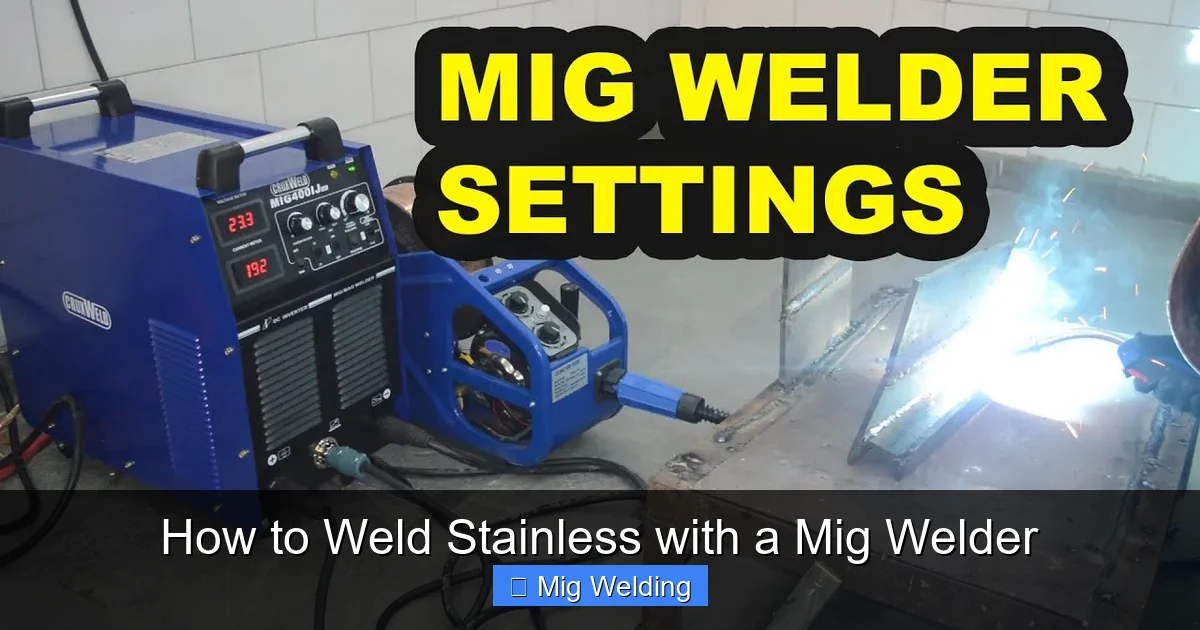
Welding stainless steel with a MIG welder is a skill that combines proper technique, suitable equipment, and safety awareness. In this guide, you’ll learn everything from selecting materials to troubleshooting common issues, ensuring strong and clean welds for your projects. Whether you’re a beginner or looking to refine your skills, this step-by-step approach will help you weld stainless confidently and effectively.
How to Weld Stainless with a MIG Welder
If you’re looking to weld stainless steel with a MIG welder, you’re in the right place. MIG welding is popular because it’s fast, versatile, and produces clean, strong welds. But stainless steel requires some specific techniques and settings to get the best results. In this guide, you’ll learn everything you need — from choosing the right materials to troubleshooting common problems. By the end, you’ll be able to weld stainless steel confidently and safely.
Key Takeaways
- Use the right wire: Choose a stainless steel MIG wire (like ER308L or ER316L) for best results.
- Set proper welding parameters: Use the correct voltage, wire feed speed, and shielding gas (usually 98% argon, 2% CO2).
- Prepare your materials: Clean the stainless steel thoroughly to remove dirt, oil, and rust for a smooth weld.
- Maintain proper technique: Keep a steady hand, maintain the right travel speed, and control heat input.
- Practice safety precautions: Wear protective gear and work in a well-ventilated area to avoid fumes and injuries.
- Troubleshoot common issues: Address porosity, warping, or weak welds by adjusting settings and cleaning materials.
Understanding the Basics of MIG Welding Stainless Steel
MIG (Metal Inert Gas) welding, also known as Gas Metal Arc Welding (GMAW), uses a continuously fed wire electrode and a shielding gas to protect the weld from contamination. When welding stainless steel, it’s crucial to select the right wire, gas, and settings to prevent corrosion and achieve strong, clean welds.
Stainless steel is more sensitive to heat than mild steel. Too much heat can cause warping, discoloration, or even burn-through. Proper technique and equipment are essential to minimize these issues.
Preparing for Welding Stainless Steel
1. Gather the Right Equipment and Materials
- MIG welder: Ensure your machine supports stainless steel welding and has adjustable voltage and wire feed controls.
- Wire: Use a stainless steel wire such as ER308L, ER309L, or ER316L, depending on the type of stainless steel you’re welding.
- Shielding gas: Use 98% argon with 2% CO2 or pure argon for a cleaner weld and better bead appearance.
- Safety gear: Wear welding helmet, gloves, protective clothing, and respiratory protection if needed.
2. Prepare Your Materials
- Clean the surface: Remove dirt, oil, grease, and rust using a wire brush, grinder, or chemical cleaner.
- Fit-up the parts: Ensure proper alignment and tight fit to minimize gaps.
- Clamp securely: Keep the pieces stable to prevent movement during welding.
Setting Up Your MIG Welder for Stainless Steel
1. Select the Correct Wire and Gas
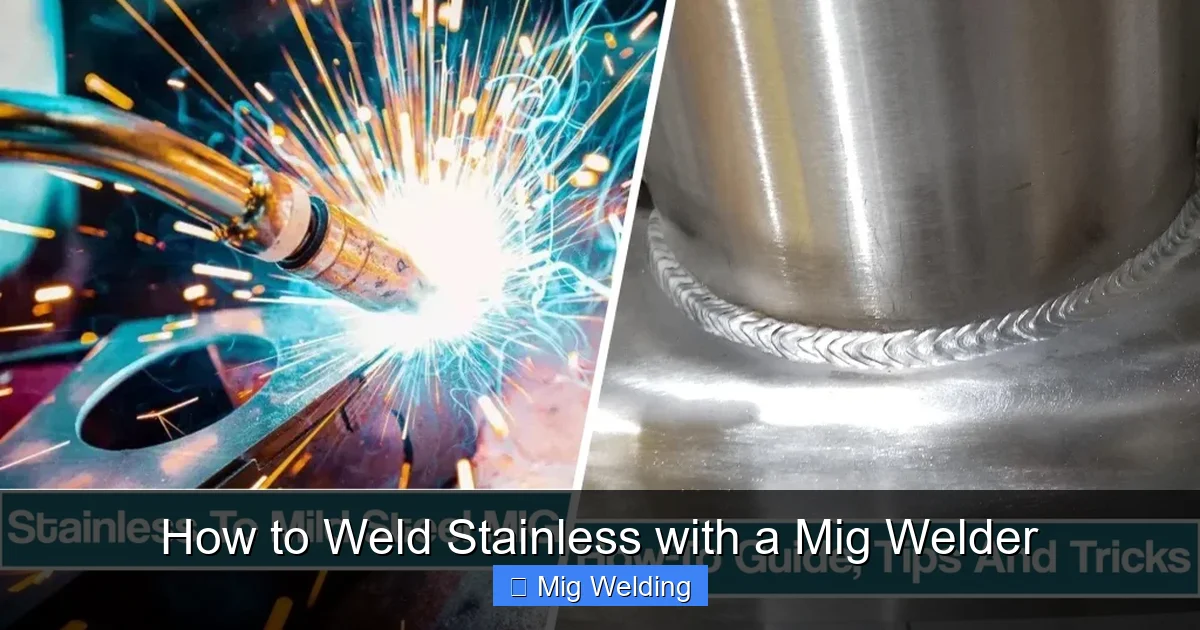
Choose a stainless steel MIG wire compatible with your project. ER308L is common for 304 stainless, while ER316L suits 316 stainless. Use a shielding gas of 98% argon and 2% CO2 for a smooth, clean weld.
Visual guide about How to Weld Stainless with a Mig Welder
Image source: weldingpros.net
Visual guide about How to Weld Stainless with a Mig Welder
Image source: weldguru.com
2. Adjust Welding Parameters
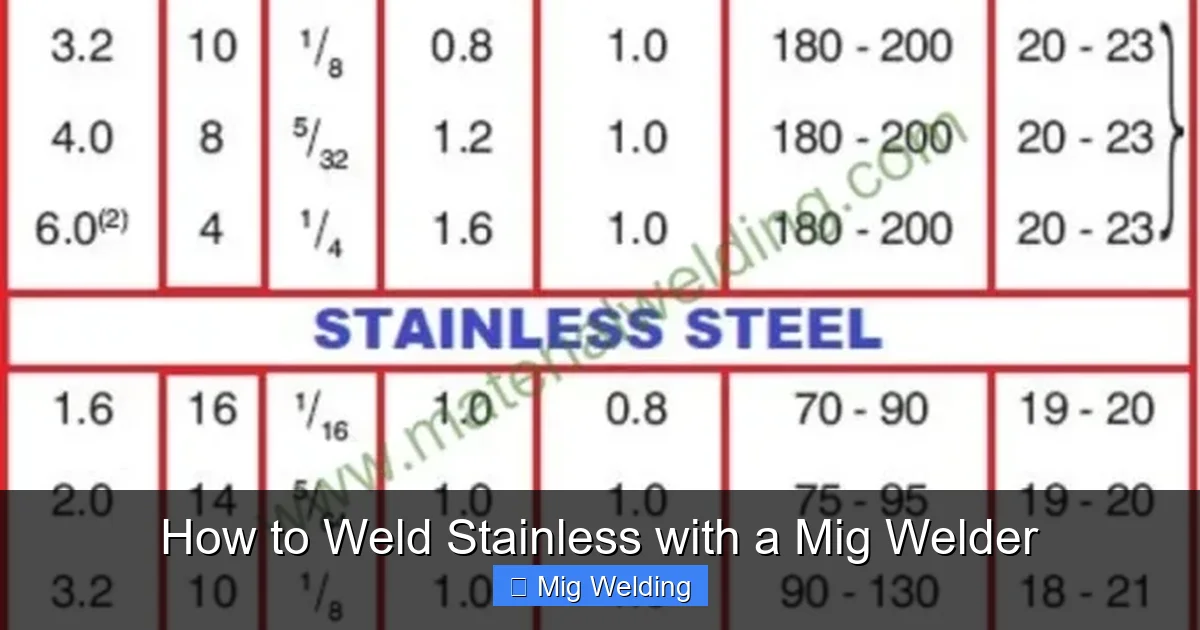
- Voltage: Typically between 18-22 volts, depending on the thickness of material.
- Wire feed speed: Start around 200-300 inches per minute (ipm) and adjust for smooth, steady welds.
- Travel speed: Maintain a consistent, moderate speed—too slow causes excessive heat, too fast results in poor penetration.
3. Set Up the Shielding Gas
Connect your gas cylinder and ensure the regulator is working properly. Use a gas nozzle that fits your torch and set the flow rate to about 20-30 cubic feet per hour (CFH).
Welding Technique for Stainless Steel with MIG
1. Positioning and Comfort
Stand in a comfortable position, with a steady hand. Maintain a 10-15 degree angle of the MIG gun pointing into the weld pool.
Visual guide about How to Weld Stainless with a Mig Welder
Image source: materialwelding.com
2. Striking the Arc
Start with a gentle touch to avoid sticking the wire to the metal. Once the arc is established, maintain consistent contact and keep a steady hand.
3. Travel Speed and Heat Control
- Keep a steady, moderate speed: Too slow causes excessive heat and warping, too fast leads to weak welds.
- Maintain proper arc length: Keep the tip about 1/8 inch (3 mm) from the workpiece for stable arc and good penetration.
4. Making the Weld
Start at one end of the joint and move smoothly along the seam. Use overlapping passes if needed, and ensure even bead appearance.
Tips for Achieving High-Quality Stainless Steel Welds
- Clean as you go: Keep the area free of contaminants during welding.
- Use proper shielding gas: Avoid drafts and ensure good gas coverage.
- Control heat input: Use lower voltage and wire feed if warping or discoloration occurs.
- Practice: Test on scrap pieces to perfect your technique before working on your main project.
Common Challenges and Troubleshooting
1. Porosity
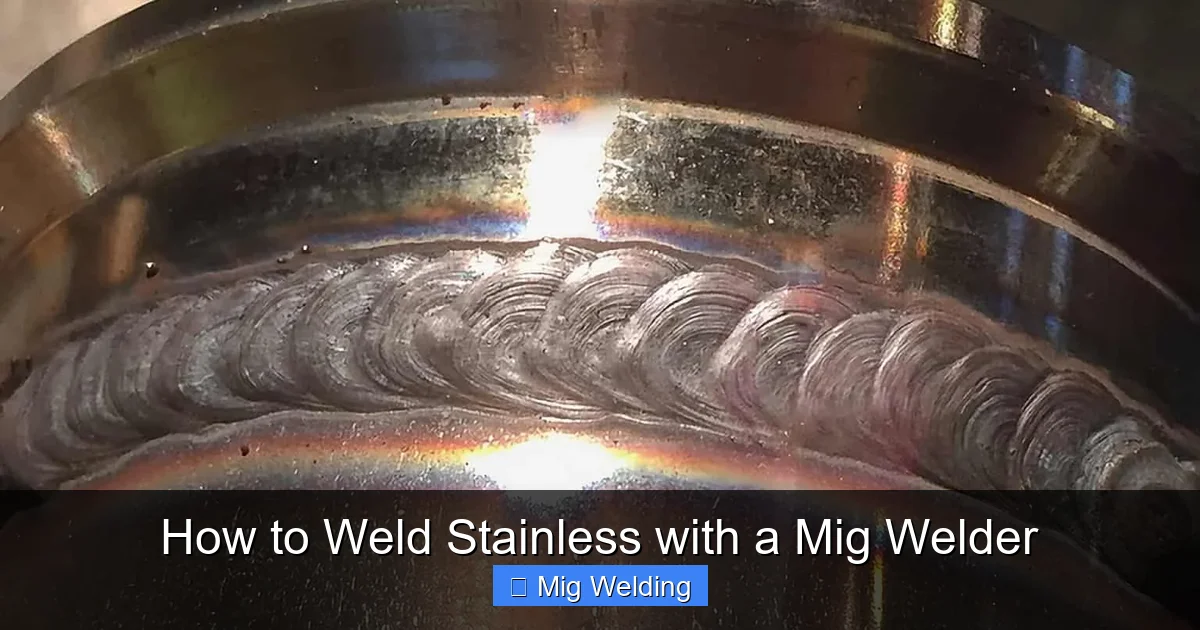
Porosity appears as small holes or cavities in the weld. It’s caused by contamination or insufficient shielding gas. Ensure your work area is clean, and check for leaks in your gas setup.
2. Discoloration and Rust
Excessive heat or contamination can cause discoloration. Use proper heat settings and clean the surface thoroughly before welding.
3. Warping and Distortion
Stainless steel heats quickly. Use lower heat settings, avoid excessive heat buildup, and consider welding in shorter passes.
4. Poor Penetration
Increase voltage slightly, or adjust travel speed to allow better fusion.
Conclusion
Welding stainless steel with a MIG welder is accessible once you understand the materials, settings, and technique. Proper preparation, the right equipment, and steady practice will lead to strong, clean welds that last. Remember to prioritize safety at all times, and don’t be afraid to experiment on scrap pieces to perfect your process. With patience and practice, you’ll master stainless steel MIG welding in no time.
Additional Resources
- Watch tutorial videos on stainless steel MIG welding
- Join online forums for tips and feedback
- Practice on scrap pieces before your main project
