

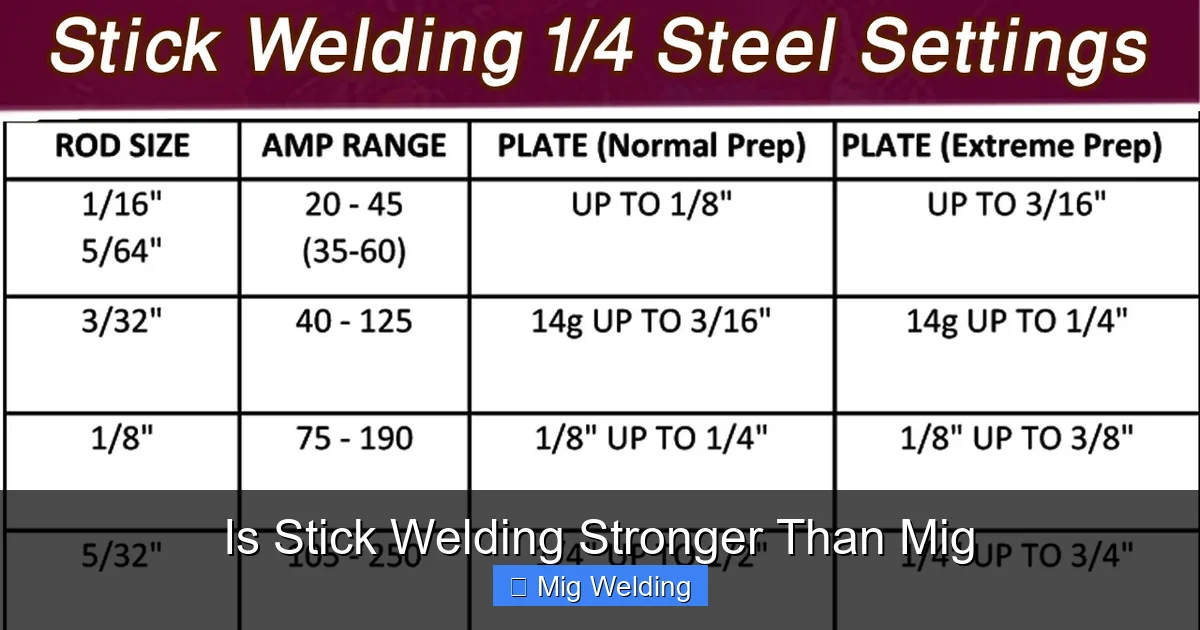
In this guide, we explore whether stick welding is stronger than MIG welding. You’ll learn about the strengths, weaknesses, and ideal applications of each method, helping you make an informed choice for your welding needs.
Is Stick Welding Stronger Than MIG?
If you’re new to welding or even a seasoned professional, you might wonder which welding method is stronger—stick welding or MIG welding. Both have their place in the world of fabrication, repair, and construction. This guide will help you understand the differences, strengths, weaknesses, and ideal applications of each, so you can decide which technique suits your project best.
Key Takeaways
- Strength Comparison: Both stick welding and MIG welding produce strong welds, but their strength depends on the application and technique used.
- Stick Welding: Known for its durability in outdoor and rough conditions, it creates high-strength welds on thick metals.
- MIG Welding: Offers faster, cleaner welds ideal for thin materials and precision work, with strength comparable to stick welding when done correctly.
- Material Compatibility: Stick welding works well on rusted or dirty metals, whereas MIG welding requires cleaner surfaces for optimal strength.
- Ease of Use: MIG welding is generally easier for beginners, while stick welding demands more skill and experience.
- Cost and Equipment: MIG welding equipment is typically more expensive but allows for quicker work; stick welding equipment is affordable and portable.
- Conclusion: The choice depends on the project, environment, and material, but both methods can produce strong, reliable welds when properly performed.
Understanding the Basics of Stick and MIG Welding
Before comparing strength, it’s important to understand what each welding process involves.
What Is Stick Welding?
Stick welding, also known as Shielded Metal Arc Welding (SMAW), uses a consumable electrode coated in flux. When struck, it creates an electric arc that melts the electrode and the base metal, forming a weld. The flux coating produces a shielding gas to protect the weld from contamination.
What Is MIG Welding?
MIG welding, or Gas Metal Arc Welding (GMAW), uses a continuous wire feed as an electrode. An inert or active shielding gas protects the weld pool from atmospheric contamination. The process is often favored for its speed, cleanliness, and ease of learning.
Factors That Affect Weld Strength
Several factors influence how strong a weld will be, regardless of the method used:
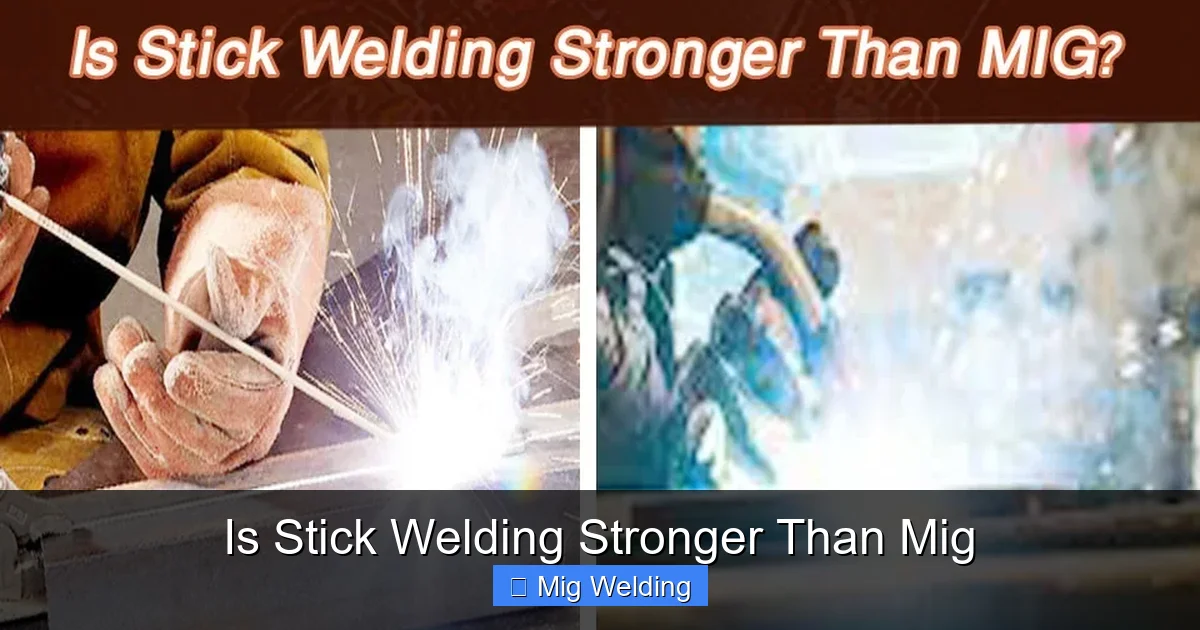
Visual guide about Is Stick Welding Stronger Than Mig
Image source: weldingproperty.com
- Material Type: The type and thickness of metal impact the welding process and strength.
- Welding Technique: Proper technique ensures penetration and fusion, directly affecting strength.
- Equipment Quality: High-quality equipment produces more consistent and stronger welds.
- Experience Level: Skilled welders create stronger, more reliable welds.
- Environmental Conditions: Wind, moisture, and dirt can weaken welds if not managed properly.
Is Stick Welding Stronger Than MIG? A Comparison
Strength of Stick Welding
Stick welding is renowned for its high-strength welds. It’s often used in construction, pipeline work, and outdoor repairs. The welds tend to penetrate deeply into the base metal, creating a robust joint.
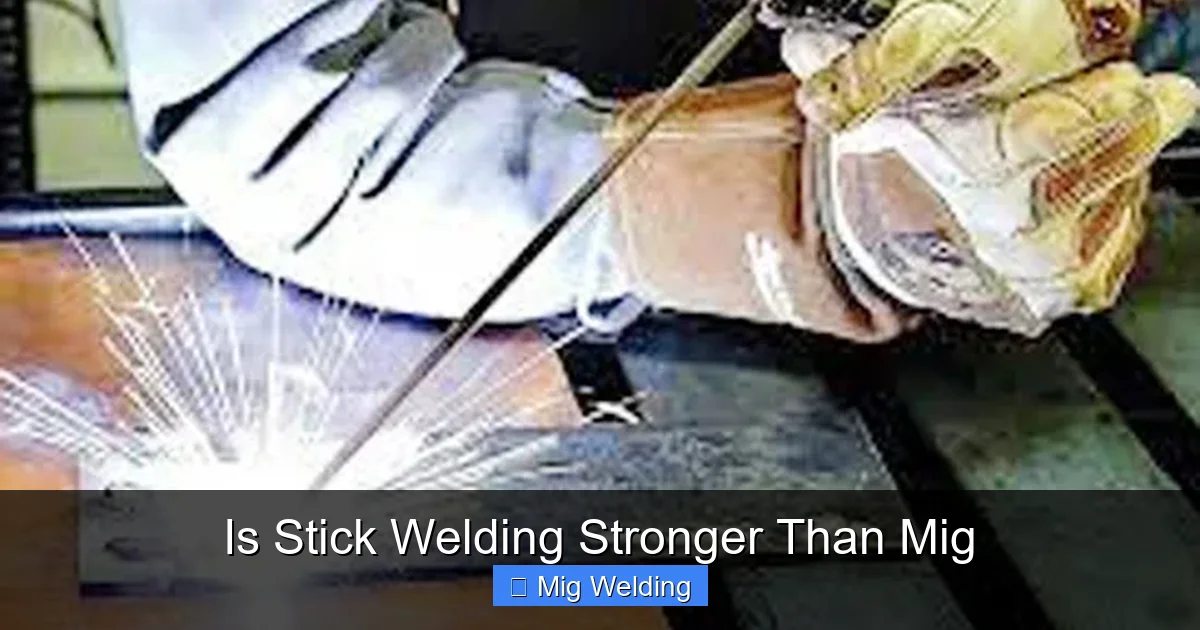
Visual guide about Is Stick Welding Stronger Than Mig
Image source: arcweldingpro.com
Strength of MIG Welding
MIG welding produces clean, precise welds with excellent strength, especially on thin or medium-thickness materials. When performed correctly, the weld strength is comparable to that of stick welding.
Which Is Stronger?
In terms of ultimate tensile strength, there is no clear winner. Both methods can produce welds that meet or exceed the strength requirements for most applications. The key is proper technique and suitable equipment. However, in challenging outdoor conditions or on rusted metals, stick welding often provides more reliable, stronger welds due to its ability to handle contaminants.
Practical Considerations in Choosing Between Stick and MIG
Application Environment
- Outdoor or dirty environments: Stick welding is preferred because it handles rust, dirt, and wind better.
- Indoor, clean, or precision work: MIG welding offers cleaner, neater welds with less spatter.
Material Thickness
- Thick metals: Stick welding excels on thicker materials due to its deep penetration.
- Thin metals: MIG welding provides better control and less burn-through on thinner sheets.
Speed and Productivity
- MIG welding: Faster and more suited for production work.
- Stick welding: Slower but more versatile for complex or heavy-duty tasks.
How to Achieve Strong Welds in Both Techniques
Tips for Stick Welding
- Use the correct electrode: Match electrode type and size to the material and thickness.
- Maintain proper arc length: Keep a steady arc to ensure good penetration and minimal defects.
- Control heat input: Adjust amperage to prevent burn-through or weak welds.
Tips for MIG Welding
- Set appropriate voltage and wire feed speed: Follow manufacturer recommendations.
- Use clean, dry materials: Prevent porosity and weak welds.
- Maintain proper torch angle and travel speed: Ensure even bead and good fusion.
Troubleshooting Common Welding Issues
For Stick Welding
- Porosity or holes: Caused by contamination or improper shielding. Use clean metal and correct electrode.
- Weak penetration: Increase amperage or proper electrode angle.
For MIG Welding
- Spattering: Adjust voltage, check gas flow, and ensure proper wire feed.
- Porosity: Use dry, clean materials and proper shielding gas.
Conclusion: Which Welding Method Is Stronger?
Both stick welding and MIG welding can produce strong, durable welds. The choice depends on your specific project requirements, environment, and materials. When done correctly, each method can achieve welds that meet or exceed safety and strength standards. Remember, mastering technique and understanding material needs are key to ensuring the strength of your welds.
Visual guide about Is Stick Welding Stronger Than Mig
Image source: theweldguru.com
Ultimately, there is no definitive answer as to which is stronger—both are capable of producing top-quality welds. Your decision should be based on practical factors like environment, material, and your skill level.
Final Tips
- Practice regularly to improve your welding skills.
- Use the right equipment and consumables for your project.
- Always prioritize safety and proper technique to ensure strong, reliable welds.
