

Shielding gas for TIG welding aluminum is crucial for achieving clean, strong welds. Choosing the right gas ensures proper protection from contamination and enhances weld quality. Whether you’re a beginner or an experienced welder, understanding the best shielding gases can make a big difference in your aluminum projects.
Key Takeaways
- Pure Argon is the most common shielding gas for TIG welding aluminum, providing excellent arc stability and weld quality. It protects the molten aluminum from oxidation and contamination.
- Mixtures like Argon-Helium can improve weld penetration and heat transfer, useful for thicker aluminum materials. They also influence arc characteristics and weld appearance.
- Using pure Argon is generally recommended for thin aluminum sheets and delicate welds, while mixed gases suit thicker or more demanding applications.
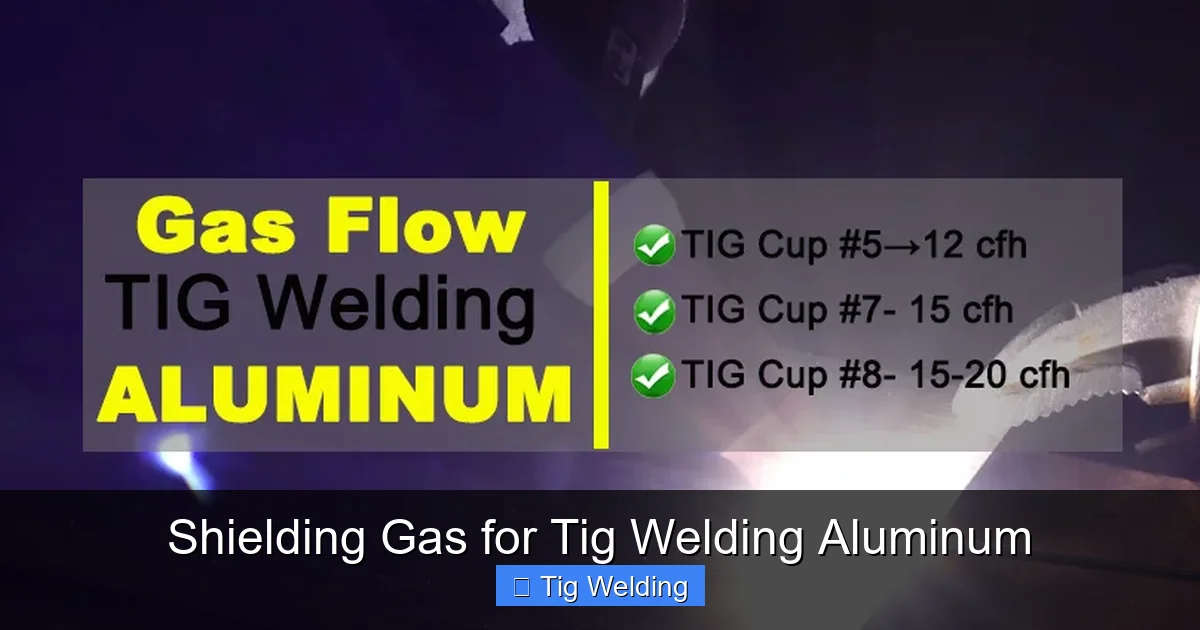
- Proper gas flow rate (typically 15-20 CFH) is essential to prevent porosity and ensure a clean weld. Too little gas causes contamination, too much can cause turbulence.
- Ensure your welding setup is gas-tight and free of leaks for optimal shielding gas performance. Regularly check hoses and connections.
- Additional shielding methods or gas mixes may be necessary in special cases, such as aluminum with painted or oxidized surfaces.
Quick Answers to Common Questions
Question 1?
What is the best shielding gas for TIG welding aluminum?
Pure argon is generally the best choice for most aluminum TIG welding projects due to its stability and weld quality.
Question 2?
Can I use helium instead of argon for TIG welding aluminum?
Helium can be used, often in combination with argon, to improve penetration and heat transfer, especially on thicker aluminum.
Question 3?
What flow rate should I use for shielding gas?
Typically, 15-20 CFH is recommended, but it depends on your setup and environment. Adjust as needed for optimal coverage.
Question 4?
Why is shielding gas important in TIG welding aluminum?
It protects the weld pool from oxidation and contamination, ensuring strong, clean welds with good appearance.
Question 5?
What should I do if I see porosity in my welds?
Check for proper gas flow, leaks, and surface cleanliness. Increasing shielding gas coverage or flow rate may help prevent porosity.
📑 Table of Contents
Introduction
If you’re into TIG welding aluminum, you already know that the right shielding gas can make or break your welds. Aluminum is a tricky metal to weld because it easily oxidizes when exposed to air. That’s why shielding gas is essential — it creates a protective barrier around the weld pool, preventing contamination and ensuring a clean, strong finish.
Choosing the correct shielding gas isn’t just about picking any gas and starting to weld. It involves understanding different gas types, their properties, and how they influence your weld quality. Whether you’re working on a small repair or an intricate aerospace project, knowing which shielding gas to use for TIG welding aluminum helps you achieve professional results every time.
In this article, we’ll explore the best shielding gases for TIG welding aluminum, discuss their benefits, and offer practical tips to improve your welding experience.
Why Shielding Gas Matters in TIG Welding Aluminum
Protection from Oxidation
Aluminum has a natural oxide layer that forms quickly when exposed to air. During welding, this oxide can contaminate the weld pool, leading to weak, porous, or discolored welds. Shielding gas acts as a shield, preventing oxygen and other contaminants from reaching the molten aluminum.
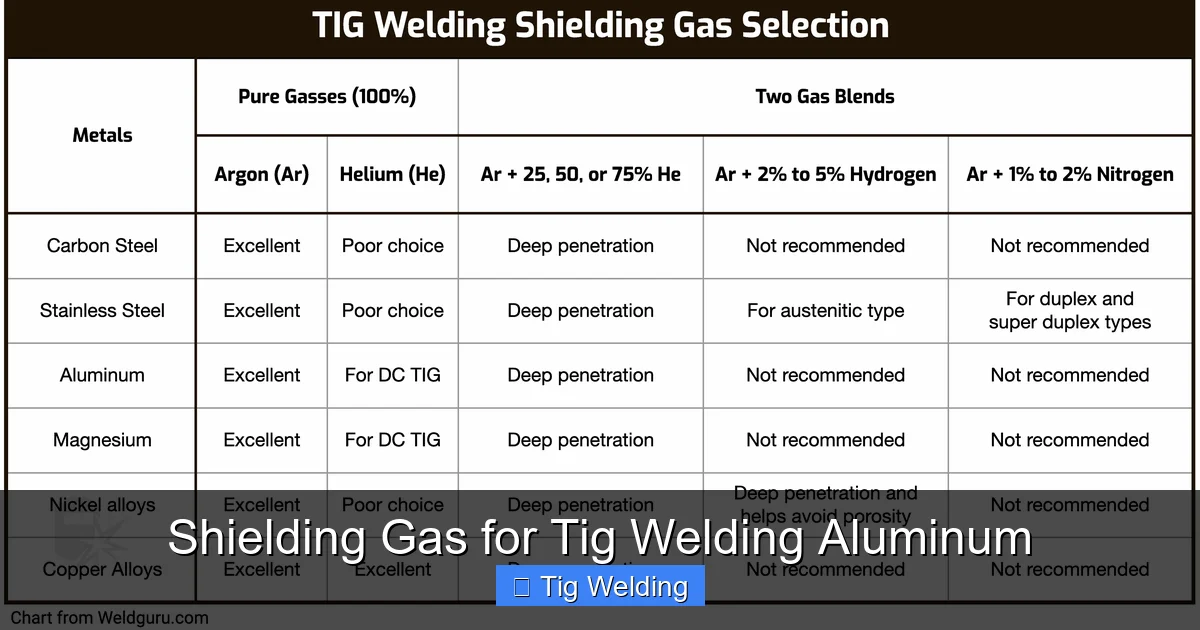
Visual guide about Shielding Gas for Tig Welding Aluminum
Image source: weldguru.com
Influence on Weld Quality
The type of shielding gas affects arc stability, heat input, weld appearance, and penetration. A good shield promotes a smooth arc, reduces spatter, and produces a clean, shiny weld bead. It also helps control the heat input, which is vital for thin materials.
Common Shielding Gases for TIG Welding Aluminum
Pure Argon
Most TIG welders prefer pure argon for aluminum. It’s an inert, colorless gas that provides excellent arc stability and a clean weld environment. Argon is suitable for most aluminum welding tasks, especially for thin sheets and delicate joints.
Visual guide about Shielding Gas for Tig Welding Aluminum
Image source: perfectwelders.com
Argon-Helium Mixtures
Adding helium to argon creates a mixture that increases heat input and improves penetration. Helium has a higher thermal conductivity, which helps in welding thicker aluminum sections and achieving deeper welds. Typical mixes are 75% argon / 25% helium or 50/50, depending on the application.
Other Gases and Mixtures
- Argon + Hydrogen: Rarely used, but can improve weld fluidity for specific applications.
- Pure Helium: Less common due to high cost, but useful for deep penetration on thick aluminum.
Choosing the Right Shielding Gas for Your Aluminum TIG Welding Project
Consider Material Thickness
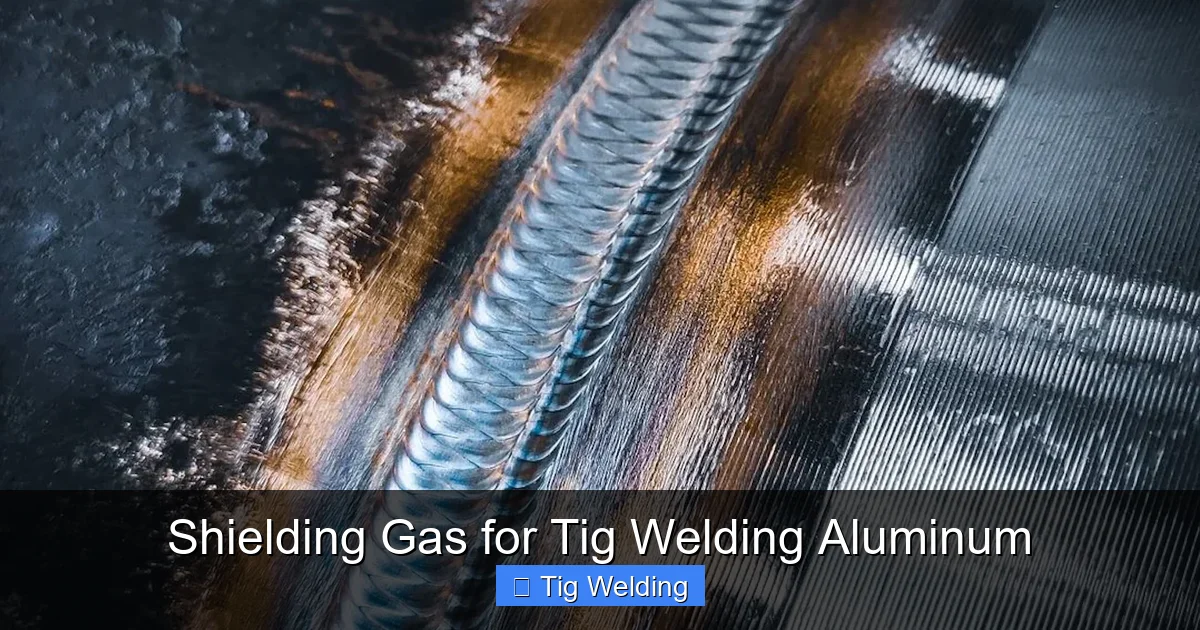
For thin aluminum sheets (less than 1/8 inch), pure argon is usually sufficient. It provides a stable arc and prevents oxidation without excessive heat input. For thicker materials, argon-helium mixes can improve penetration and weld strength.
Visual guide about Shielding Gas for Tig Welding Aluminum
Image source: tooliom.com
Project Type and Finish
If you need a high-quality, clean finish with minimal spatter, stick with pure argon. For applications requiring deeper welds or faster welding speeds, consider adding helium to your gas mix.
Cost and Availability
Pure argon is widely available and affordable. Helium mixes are more expensive but can save time and improve weld quality on demanding projects. Balance your budget with your project needs.
Practical Tips for Using Shielding Gas Effectively
Set the Correct Gas Flow Rate
Typically, a flow rate of 15-20 CFH (cubic feet per hour) works well. Too little gas can cause porosity; too much may cause turbulence, affecting arc stability. Adjust based on your setup and environment.
Ensure Proper Gas Coverage
Keep the torch nozzle close to the workpiece (about 1/8 to 3/16 inch) to maximize coverage. Use a gas lens if available for better flow distribution.
Check for Leaks and Proper Connections
Regularly inspect hoses, fittings, and the torch for leaks. A leak can compromise the shielding and lead to weld defects.
Weld in a Clean Environment
Remove any dirt, oil, or oxidation from the aluminum surface before welding. Proper preparation enhances the effectiveness of the shielding gas.
Special Considerations and Advanced Techniques
Welding Painted or Oxidized Aluminum
Painted or oxidized surfaces require more shielding or cleaning methods before welding. Sometimes, a slightly higher helium content in the gas mix helps penetrate these layers.
Using Back Purging
For critical welds, back purging with shielding gas ensures the entire weld area remains protected from oxidation, especially in enclosed or complex parts.
Welding on Aluminum Alloys
Different alloys may respond differently to various gases. Always check the manufacturer’s recommendations for your specific aluminum alloy and adjust your shielding gas accordingly.
Conclusion
Choosing the right shielding gas for TIG welding aluminum is essential for achieving quality welds. Pure argon remains the most popular and versatile choice, especially for thin materials and delicate work. For thicker aluminum or demanding applications, argon-helium mixtures can provide better penetration and heat control.
Remember, proper gas flow, equipment maintenance, and surface preparation are equally important. With the right shielding gas and techniques, you can produce clean, strong, and professional-looking aluminum welds every time.
Experiment with different gases and settings to find what works best for your specific project. Happy welding!
Frequently Asked Questions
Can I use different gases for different aluminum alloys?
Yes, some aluminum alloys respond better to certain gases or mixtures. Always refer to the manufacturer’s recommendations for best results.
Is it necessary to use a gas lens or diffuser?
Using a gas lens helps improve gas flow and coverage, especially on larger or complex welds. It can lead to cleaner, more consistent welds.
What are common problems caused by improper shielding gas?
Improper gas shielding can cause porosity, oxidation, poor weld appearance, and weak weld strength. Ensuring proper flow and equipment maintenance is key.
Can I weld aluminum outdoors with shielding gas?
Yes, but outdoor welding requires higher gas flow rates to combat wind and drafts. Using a wind shield or enclosure can improve results.
How does surface preparation affect shielding gas effectiveness?
Cleaning aluminum thoroughly before welding removes contaminants and oxide layers, allowing the shielding gas to function effectively and produce better welds.
