

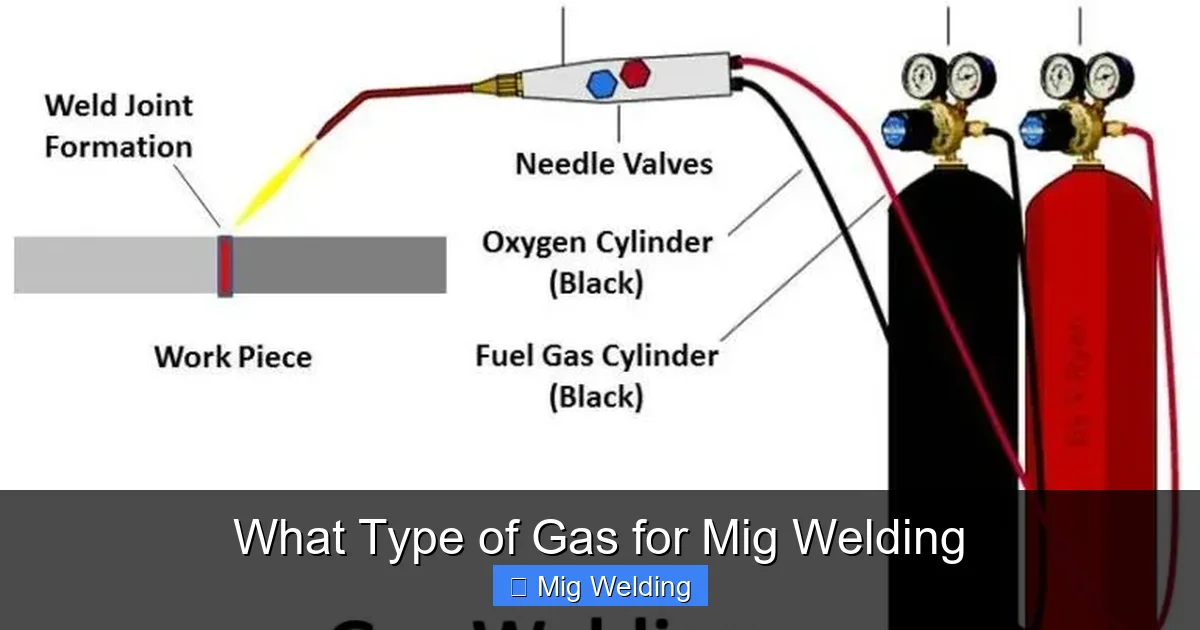
In this guide, you’ll learn what types of gas are used for MIG welding and how to select the right one for your needs. We’ll cover different gas options, their benefits, and practical tips to ensure strong, clean welds every time.
Key Takeaways
- Choose the right shielding gas: The type of gas affects weld quality, penetration, and appearance.
- Common gases used: Argon, CO2, and blends are the most popular for MIG welding.
- Pure Argon: Ideal for welding non-ferrous metals like aluminum and copper.
- Carbon Dioxide (CO2): Cost-effective and provides deep penetration but may produce more spatter.
- Gas Blends: Mixtures like Argon-CO2 or Argon-Helium optimize performance for various metals and applications.
- Safety first: Always handle shielding gases with care and ensure proper ventilation.
Introduction
If you’re getting into MIG welding, one of the most important choices you’ll make is selecting the right shielding gas. This gas protects the weld pool from contamination, influences the quality of your weld, and affects how easy the welding process is. But with several options available, which gas should you choose? In this comprehensive guide, you’ll learn about the different types of gases for MIG welding, their benefits, and how to pick the best one for your project.
Understanding MIG Welding and the Role of Shielding Gas
MIG (Metal Inert Gas) welding is a popular welding process that uses a continuous wire electrode fed through a welding gun. The key to a successful MIG weld is preventing contamination from the atmosphere, especially oxygen and nitrogen. That’s where shielding gases come in. They envelop the weld area, creating a protective barrier that results in clean, strong welds.
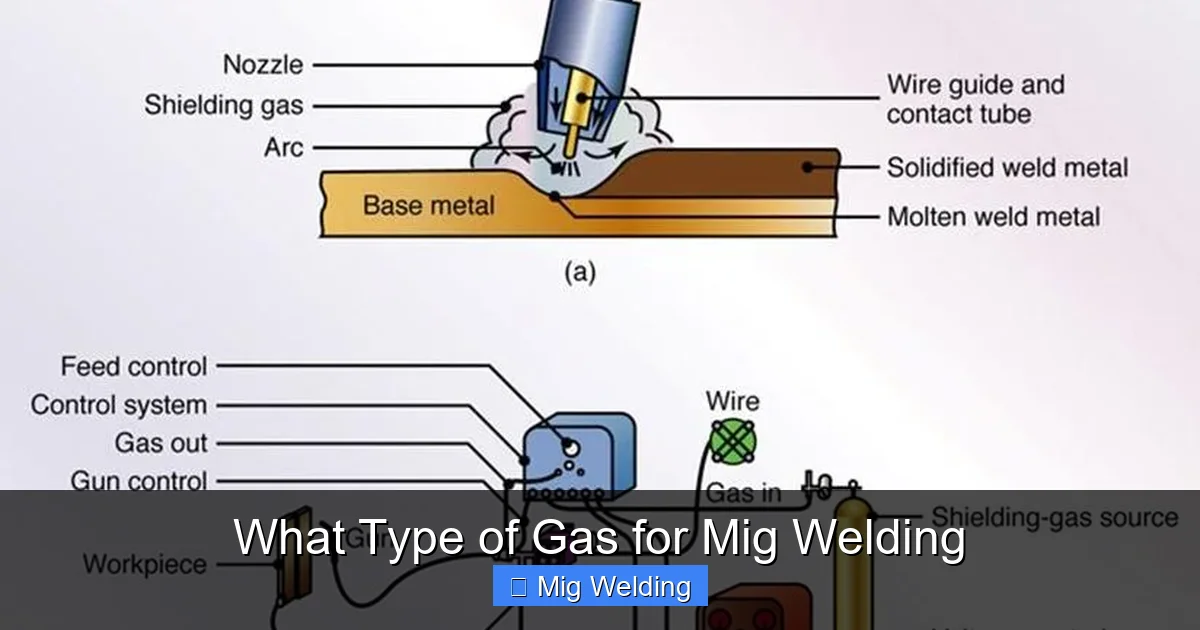
Visual guide about What Type of Gas for Mig Welding
Image source: kovinc.com
Choosing the right gas depends on the metal you’re welding, desired weld characteristics, and your budget. Let’s explore the main types of gases used in MIG welding.
Common Types of Gases for MIG Welding
1. Pure Argon (Ar)
Pure argon is an inert gas that provides excellent arc stability and smooth welds. It is primarily used for welding non-ferrous metals such as aluminum, copper, and magnesium. Argon creates a soft, stable arc, resulting in high-quality, aesthetically pleasing welds.

Visual guide about What Type of Gas for Mig Welding
Image source: makemoneywelding.com
Best for: Aluminum, copper, and other non-ferrous metals.
Advantages: Smooth arc, minimal spatter, excellent for thin materials.
Disadvantages: Not suitable for steel or thicker metals on its own.
2. Carbon Dioxide (CO2)
CO2 is a reactive, inexpensive gas that provides deep penetration and high weld speeds. It is often used in industrial settings because of its affordability. However, CO2 can produce more spatter and a rougher weld appearance compared to inert gases.
Best for: Steel and carbon steels, especially when cost is a concern.
Advantages: Cost-effective, deep penetration, high travel speeds.
Disadvantages: Increased spatter, less smooth welds, more post-weld cleaning needed.
3. Argon-CO2 Mixtures (Ar/CO2)
The most common MIG welding gases are blends of argon and CO2. These mixtures aim to balance the benefits of both gases, reducing spatter and improving weld quality while maintaining affordability.
Common blends include:
- 75% Argon / 25% CO2 (commonly used for steel)
- 90% Argon / 10% CO2 (provides smoother welds with some penetration)
Best for: Steel welding on thicker and thinner materials.
Advantages: Reduced spatter, good weld quality, cost-effective.
Disadvantages: Slightly higher cost than pure CO2, still produces some spatter.
4. Argon-Helium Mixtures (Ar/He)
Adding helium to argon creates a gas blend that increases heat input and improves weld penetration. Helium is a lighter, inert gas that enhances arc stability and fluidity.
Best for: Welding aluminum and other non-ferrous metals requiring deep penetration.
Advantages: Increased heat input, better fusion, and smoother welds.
Disadvantages: Higher cost, requires proper equipment adjustments.
How to Choose the Right Gas for Your MIG Welding Project
Step 1: Identify the Metal Type
Different metals require different shielding gases. For example:
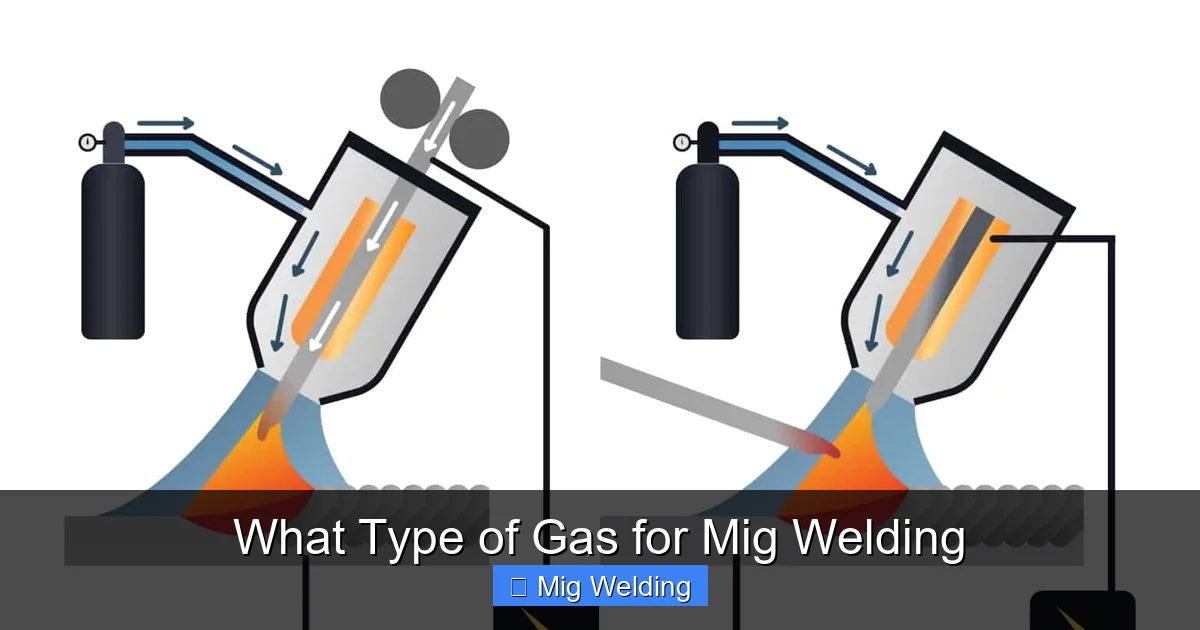
Visual guide about What Type of Gas for Mig Welding
Image source: makemoneywelding.com
- Aluminum: Pure argon or argon-helium blends.
- Steel: CO2, or argon-CO2 blends.
- Stainless Steel: Argon with small amounts of oxygen or other gases.
Step 2: Determine the Welding Application
Consider whether you need a weld with a smooth appearance, deep penetration, or high speed. For example:
- Decorative or thin materials: Pure argon.
- Structural steel: Argon-CO2 blends.
- High-penetration welding: Argon-helium blends or pure CO2.
Step 3: Budget Considerations
Inexpensive gases like CO2 are budget-friendly but may require more post-weld cleaning. Inert gases like argon are more costly but produce cleaner welds. Balance your needs and budget accordingly.
Step 4: Equipment Compatibility
Ensure your welding machine is compatible with the chosen gas. Some machines are optimized for specific mixes or pure gases. Check manufacturer recommendations.
Practical Tips for Using MIG Gases Effectively
- Proper Storage: Store gas cylinders upright in a well-ventilated area away from heat sources.
- Check for Leaks: Regularly inspect hoses and connections for leaks to prevent wastage and ensure safety.
- Use Correct Flow Rates: Typically, 20-30 CFH (cubic feet per hour) is standard. Adjust based on your welding conditions.
- Match Gas and Wire: Use the recommended wire type and diameter for your chosen gas.
- Ventilation: Always weld in a well-ventilated area to avoid gas buildup, especially with CO2.
Troubleshooting Common Gas-Related Welding Issues
Porosity in Welds
This can be caused by contaminated gas or improper flow rates. Ensure your gas cylinder is clean, and flow rates are correct.
Spatter and Poor Appearance
Using too much CO2 or improper shielding gas mixture can increase spatter. Switch to a blend or pure argon for smoother welds.
Inconsistent Arc
Check for leaks in hoses or improper regulator settings. Make sure your equipment is in good condition.
Conclusion
Selecting the right gas for MIG welding is crucial for achieving strong, clean, and professional-looking welds. Whether you choose pure argon, CO2, or a blend, understanding their properties helps you make informed decisions. Consider your metal type, application, budget, and equipment to pick the best gas. With proper handling and settings, your MIG welding projects will be more successful and enjoyable.
Final Tips
- Always use high-quality gases from reputable suppliers.
- Experiment with different gases and settings to find what works best for your specific tasks.
- Practice safety measures when handling gas cylinders to prevent accidents.
