


Key Takeaways
- Most MIG welding wires are made of steel alloys: Including carbon steel, stainless steel, and specialty alloys.
- Material composition affects weld quality: Different wires provide various levels of strength, corrosion resistance, and ductility.
- Flux core wires contain flux inside: Which helps with welding in outdoor conditions and reduces the need for external shielding gas.
- Choosing the right wire depends on the base material: For example, stainless steel wire for stainless steel, and mild steel wire for carbon steel.
- Wire diameter is important: Thinner wires (like 0.023 inch) are good for thin materials, while thicker wires (like 0.045 inch) suit heavy-duty welding.
- Proper storage extends wire lifespan: Keep wires dry and in sealed containers to prevent rust and contamination.
Introduction
If you’re new to MIG welding or looking to expand your knowledge, understanding what MIG welding wire is made of is essential. The wire is the consumable electrode that melts and fuses with the base metal, creating a strong joint. But what exactly is this wire composed of? In this guide, we’ll explore the materials that make up MIG welding wire, why those materials matter, and how to choose the right wire for your project.
What Is MIG Welding Wire?
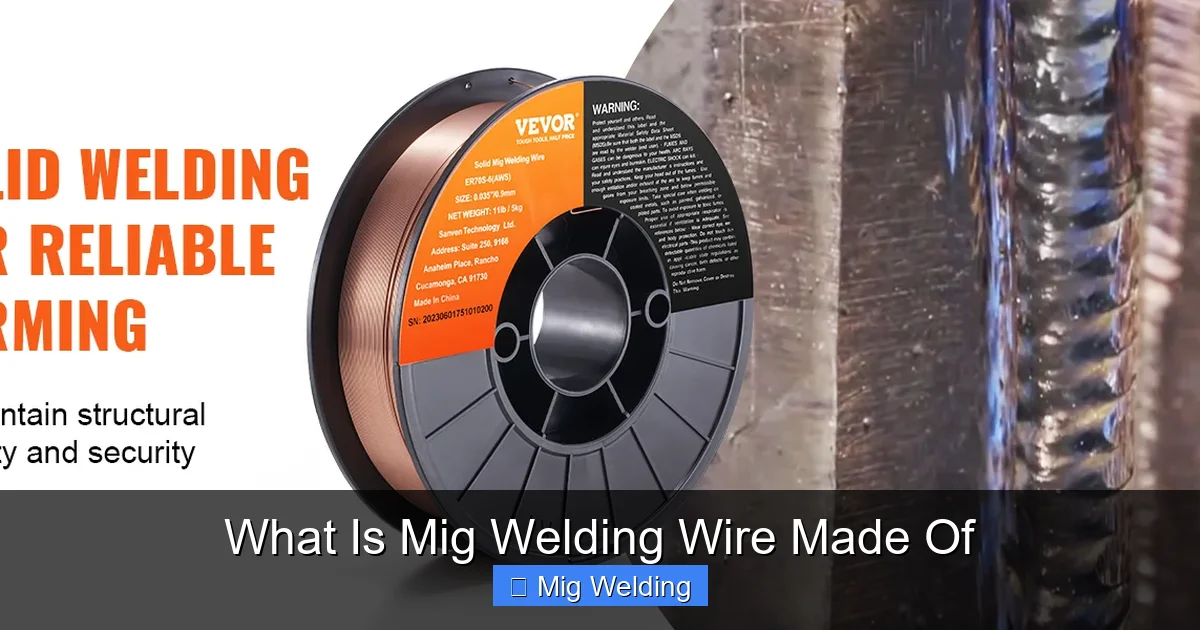
MIG welding wire is a continuous spool of metal wire used as an electrode in Metal Inert Gas (MIG) welding. During welding, the wire feeds through the welding gun, melts when electric current passes through it, and joins the base metals. The composition of this wire is crucial because it determines the strength, appearance, and corrosion resistance of the weld.
Visual guide about What Is Mig Welding Wire Made Of
Image source: d2qc09rl1gfuof.cloudfront.net
Common Materials Used in MIG Welding Wire
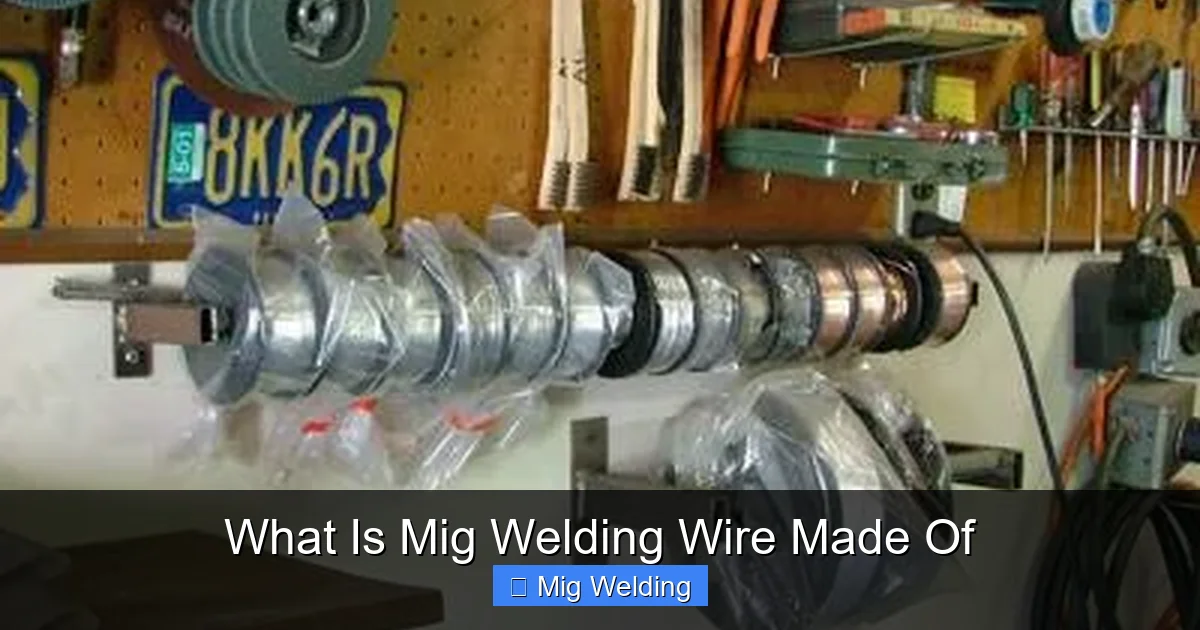
The primary materials used in MIG welding wire are various metal alloys. The choice of material depends on the type of welding, the base material, and the desired properties of the final weld. The main types include:
Visual guide about What Is Mig Welding Wire Made Of
Image source: weldingtipsandtricks.com
- Carbon Steel: The most common and economical choice, suitable for general structural work.
- Stainless Steel: Offers corrosion resistance and is used for food processing, medical equipment, and outdoor applications.
- Aluminum: Lightweight and corrosion-resistant, ideal for aircraft, automotive, and decorative projects.
- Specialty Alloys: Including nickel-based alloys, copper alloys, and other exotic metals for specific applications requiring high heat resistance or unique properties.
What Is MIG Welding Wire Made Of? In Detail
Let’s look more closely at the typical compositions of MIG welding wires:
Visual guide about What Is Mig Welding Wire Made Of
Image source: weldingmania.com
1. Carbon Steel Wire
Carbon steel wires are made primarily of iron with a small amount of carbon, usually less than 0.3%. They often contain manganese, silicon, and small traces of other elements to improve strength and weldability.
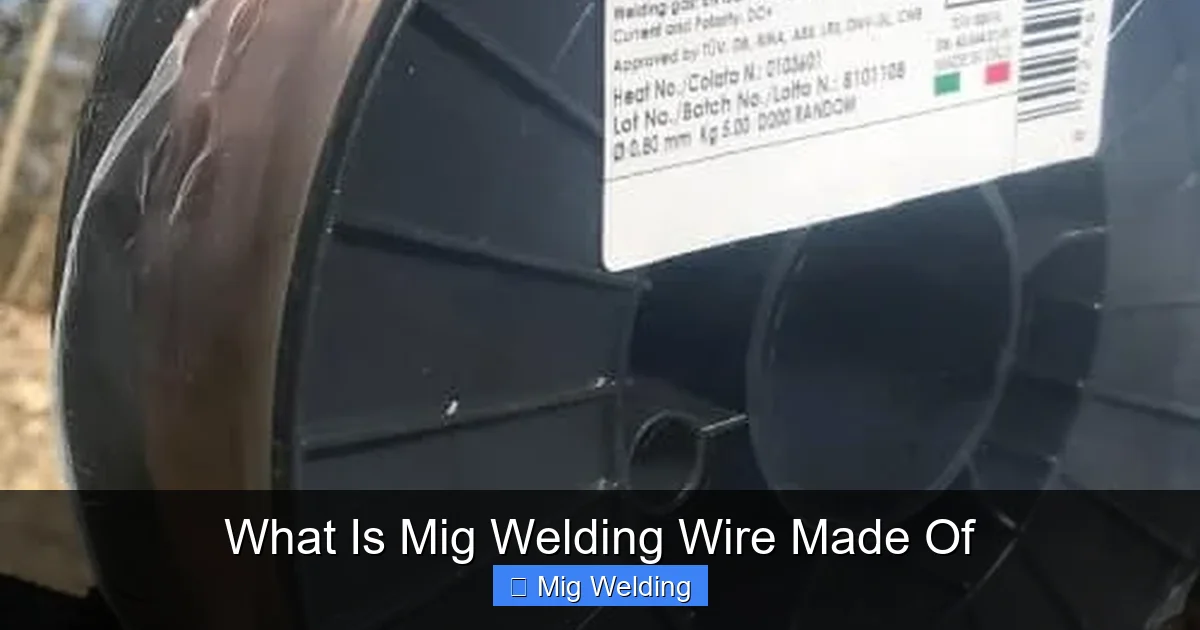
- Common grades: ER70S-3, ER70S-6
- Use cases: Structural steel, fabrication, automotive repairs
2. Stainless Steel Wire
Stainless steel wires contain iron, chromium (at least 10.5%), and often nickel, molybdenum, or other elements to enhance corrosion resistance and strength.
- Common grades: ER308L, ER316L
- Use cases: Food processing equipment, marine environments, chemical plants
3. Aluminum Wire
Aluminum MIG wires are made of pure aluminum or aluminum alloys. They are softer and more malleable, with elements like silicon, magnesium, or zinc added for specific properties.
- Common grades: ER4043, ER5356
- Use cases: Aircraft structures, automotive parts, decorative finishes
4. Flux-Cored Wires
Flux-cored wires have a hollow core filled with flux, which provides shielding and sometimes deoxidizers and alloying elements. They are often used outdoors or in windy conditions where shielding gas might be blown away.
- Self-shielded flux-cored wires: Contain flux inside, no external gas needed.
- Gas-shielded flux-cored wires: Require external shielding gas, similar to solid wires.
Factors Influencing the Composition of MIG Welding Wire
The specific alloy composition depends on several factors:
- Welding application: Structural, decorative, or specialized uses determine the alloy choice.
- Base material: Compatibility with the base metal ensures strong, clean welds.
- Environmental conditions: Outdoor welding may require flux-cored wire for better protection against contamination.
- Weld properties: Strength, ductility, corrosion resistance, and appearance are all influenced by wire composition.
How to Choose the Right MIG Welding Wire
Choosing the right wire involves understanding your project needs:
- Identify the base material: Match the wire material to the metal you’re welding.
- Determine thickness: Use thinner wires for delicate work, thicker wires for heavy-duty welding.
- Consider environmental conditions: Outdoor projects may require flux-cored wires for better protection.
- Check compatibility: Ensure the wire’s specifications match your welding machine and process.
Practical Tips for Handling MIG Welding Wire
Proper handling extends the wire’s life and improves weld quality:
- Store in a dry place: Moisture causes rust and contaminates the wire.
- Use compatible rollers and feeders: To prevent wire deformation or feed problems.
- Inspect before use: Look for rust, kinks, or damage.
- Use the correct wire diameter: Larger diameters for thick materials, smaller for precision work.
Troubleshooting Common Issues
If you encounter problems with your welds, consider these tips:
- Porosity or holes: Check for moisture in the wire or poor shielding gas coverage.
- Inconsistent welds: Inspect wire feed system and ensure proper tension.
- Cracks or weak welds: Use the correct wire type and diameter, and verify settings.
Conclusion
Understanding what MIG welding wire is made of helps you make informed choices for your projects. Whether you’re working with carbon steel, stainless steel, aluminum, or specialty alloys, selecting the right wire ensures strong, durable, and aesthetically pleasing welds. Remember to consider the application, environment, and material compatibility when choosing your wire. Proper storage and handling further ensure the best results. Happy welding!
References
For detailed specifications and recommendations, consult your wire manufacturer’s datasheets or welding standards.
