

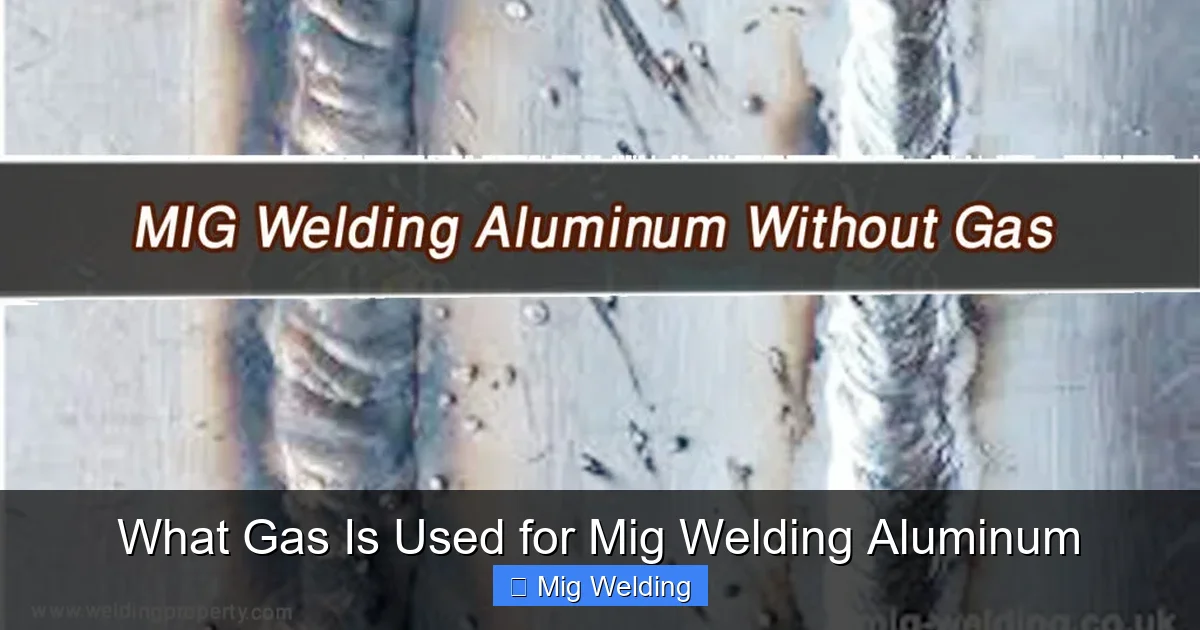
MIG welding aluminum requires specific shielding gases to ensure strong, clean welds. The most common gas used is a blend of Argon and helium, which provides excellent arc stability and weld quality. This guide walks you through selecting the right gas, setup tips, and troubleshooting for successful aluminum MIG welding.
What Gas Is Used for MIG Welding Aluminum
If you’re new to MIG welding aluminum, one of the most important factors for success is choosing the right shielding gas. Shielding gas protects the weld pool from atmospheric contamination, which can cause porosity, oxidation, and weak welds. In this guide, you’ll learn about the best gases for MIG welding aluminum, how to select the right mixture, setup tips, and troubleshooting advice to help you achieve professional-quality welds.
Key Takeaways
- Pure Argon is the most common shielding gas for MIG welding aluminum, providing excellent arc stability. It is suitable for thinner materials and general welding applications.
- Helium can be added to Argon to improve weld penetration and increase heat input, especially when working with thicker aluminum.
- Gas mixtures like 75% Argon and 25% Helium are popular for achieving high-quality welds with good bead appearance.
- Using the correct shielding gas prevents oxidation and contamination, leading to stronger, cleaner welds.
- Adjusting your welding parameters based on the gas mixture and aluminum thickness is crucial for optimal results.
- Always check for leaks and ensure proper gas flow to avoid weld defects.
Understanding MIG Welding Aluminum
MIG (Metal Inert Gas) welding, also known as Gas Metal Arc Welding (GMAW), involves feeding a continuous wire electrode into the weld pool while shielding it with an inert or semi-inert gas. Aluminum presents unique challenges because it oxidizes quickly and is highly reflective, which affects arc stability and weld quality. Proper shielding gas selection is essential to overcoming these challenges.
The Role of Shielding Gas in MIG Welding
Shielding gas serves several critical functions:
Visual guide about What Gas Is Used for Mig Welding Aluminum
Image source: weldguru.com
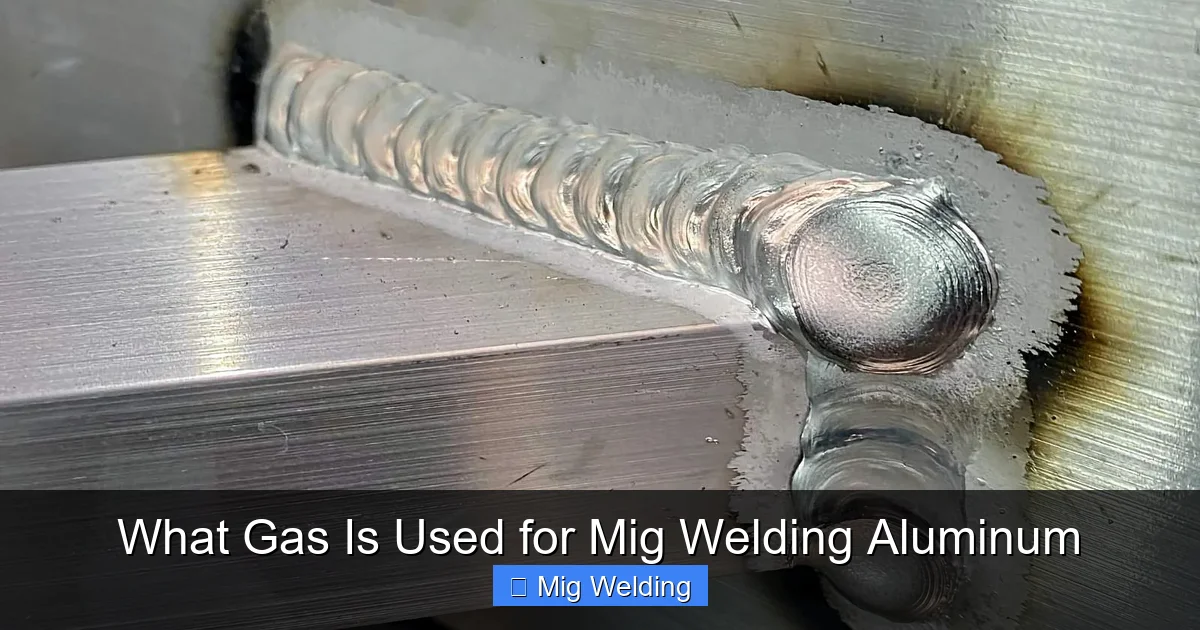
- Protection from oxidation: It shields the molten aluminum from oxygen and nitrogen in the air, preventing porosity and oxidation.
- Stabilizes the arc: It helps maintain a consistent and stable arc for smooth welding.
- Improves weld appearance: Proper gas flow results in cleaner, more aesthetically pleasing welds.
What Gas Is Used for MIG Welding Aluminum?
The most common shielding gases for MIG welding aluminum are:
Visual guide about What Gas Is Used for Mig Welding Aluminum
Image source: makemoneywelding.com
Pure Argon
Pure Argon (100%) is the most widely used shielding gas for MIG welding aluminum, especially for thinner materials and general-purpose welding. It provides excellent arc stability, a smooth weld pool, and minimal spatter. However, it may not produce as deep penetration as other mixtures, making it ideal for sheet metal and thin aluminum parts.
Argon-Helium Mixtures
Adding helium to Argon improves heat input and penetration, which is useful when welding thicker aluminum sections. Common mixtures include:
- 75% Argon / 25% Helium: Offers a good balance between arc stability and increased heat input.
- 70% Argon / 30% Helium: Provides even more penetration and is suitable for thicker or high-heat applications.
Other Gas Options
While pure Argon and Argon-helium blends are standard, some specialty gases or mixtures may be used in specific cases, but these are less common for general aluminum MIG welding.
Choosing the Right Gas for Your Aluminum Welding Project
Consider Material Thickness
For thin aluminum sheets, pure Argon is usually sufficient. For thicker materials, adding helium can improve penetration and weld quality.
Visual guide about What Gas Is Used for Mig Welding Aluminum
Image source: raxindustry.com
Understand Your Welding Goals
If you prioritize a smooth, clean bead with minimal spatter, stick with pure Argon. For stronger, deeper welds, consider an Argon-helium mix.
Cost and Equipment Compatibility
Helium is more expensive than Argon, so factor your budget into your decision. Also, ensure your welding equipment can handle the chosen gas mixture.
How to Set Up Your MIG Welder for Aluminum
Step 1: Select the Correct Gas
Choose a pure Argon or Argon-helium mixture based on your project needs.
Step 2: Install the Proper Regulator and Gas Line
Use a regulator designed for inert gases. Check for leaks and ensure the line is securely connected.
Step 3: Set the Welding Parameters
- Wire Type: Use a spool of aluminum wire, typically ER4043 or ER5356.
- Wire Diameter: 0.035″ or 0.045″ are common sizes.
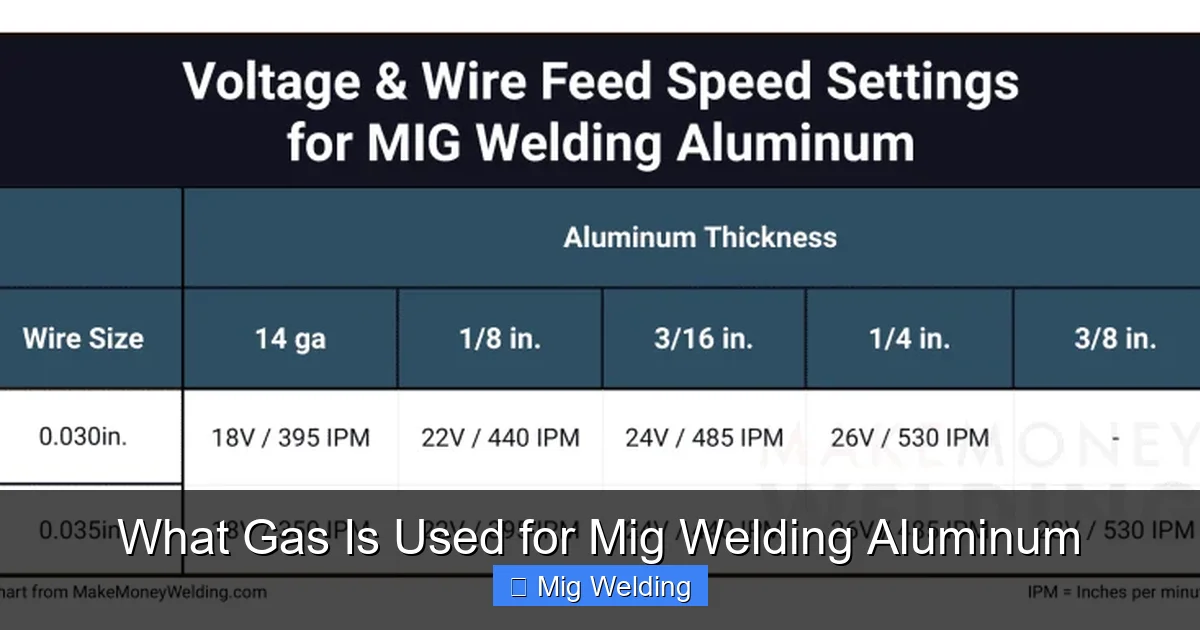
- Voltage and Amperage: Follow manufacturer recommendations for your wire and material thickness.
- Gas Flow Rate: Usually between 15-20 CFH (cubic feet per hour).
Step 4: Prepare the Aluminum Surface
Clean the aluminum thoroughly to remove any oxidation, grease, or dirt. Use a stainless steel brush dedicated to aluminum to avoid contamination.
Step 5: Begin Welding
Maintain a steady travel speed and keep the welding gun at the correct angle (about 10-15 degrees). Use a consistent arc length for even welds.
Practical Tips for Successful Aluminum MIG Welding
- Use a spool gun for larger projects: It reduces wire feeding issues and improves weld quality.
- Maintain proper shielding gas coverage: Keep the gas flow consistent and close to the weld pool without blowing molten metal away.
- Adjust the shielding gas flow rate: Too high can cause turbulence; too low can cause contamination.
- Practice on scrap pieces: Fine-tune your settings before working on your main project.
Common Troubleshooting Tips
- Porosity in welds: Check for leaks in the gas line, increase flow rate, and ensure clean surface prep.
- Inconsistent welds: Verify wire feed speed, gun angle, and proper shielding gas coverage.
- Poor penetration: Switch to a higher helium mixture or increase amperage.
- Spatter issues: Adjust voltage and wire speed, and ensure proper gas flow.
Conclusion
Choosing the right shielding gas is crucial for successful MIG welding aluminum. Pure Argon is the standard choice for many applications, but blending it with helium can improve penetration and weld strength for thicker materials. Always ensure your equipment is set up correctly, surfaces are clean, and welding parameters are optimized. With practice and proper gas selection, you can produce strong, clean, and professional-looking aluminum welds.
Additional Resources
- Consult your welding machine manual for specific settings.
- Use high-quality aluminum wire and consumables.
- Practice welding on scrap pieces before tackling your main project.
