

MIG welding requires specific shielding gases to protect the weld pool from contamination. In this guide, you’ll learn what type of gas a MIG welder uses, how to choose the right one, and practical tips for optimal welding results.
Key Takeaways
- Most common gas: MIG welders typically use a mix of argon and CO2 for effective shielding.
- Pure gases vs. blends: Pure argon or CO2 can be used, but blends often provide better weld quality.
- Choosing gas depends on: Material, thickness, and desired weld properties.
- Safety matters: Always handle shielding gases carefully and store them properly.
- Cost considerations: Different gases vary in price; blends often cost more but give better results.
- Compatibility: Make sure your MIG welder is compatible with the chosen shielding gas.
Introduction
If you’re new to MIG welding, one of the most important aspects is understanding the role of shielding gases. These gases protect the weld pool from atmospheric contamination, ensuring a clean, strong weld. But what type of gas does a MIG welder use? In this guide, we’ll explore the common gases used in MIG welding, how to select the right one for your project, and tips to get the best results. Whether you’re welding steel, aluminum, or other metals, choosing the correct shielding gas is key to success.
Understanding MIG Welding and Shielding Gases
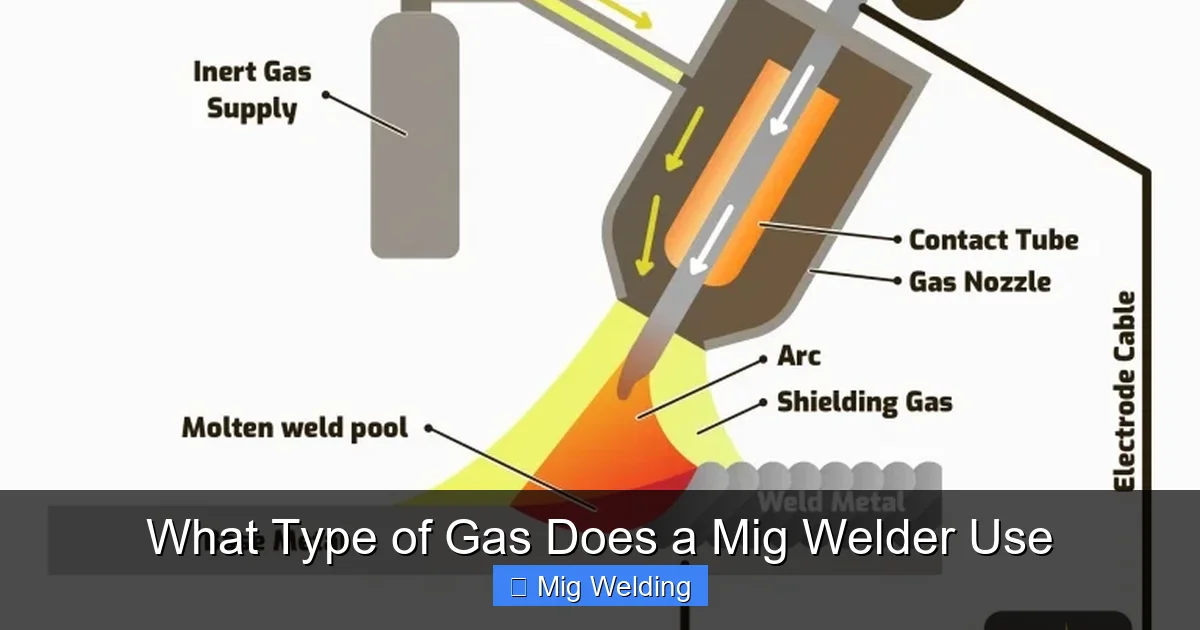
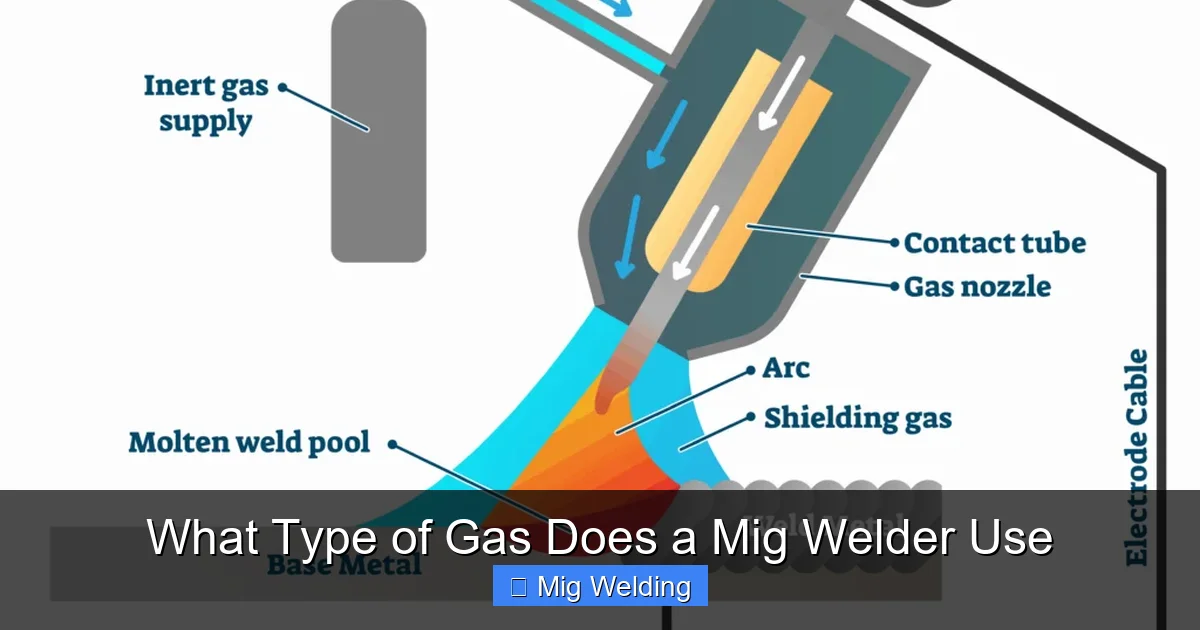
MIG welding, or Metal Inert Gas welding, uses a continuous wire electrode fed through a welding gun. As the wire melts, shielding gases surround the weld area, protecting it from oxygen, nitrogen, and other atmospheric gases that could cause defects.
Visual guide about What Type of Gas Does a Mig Welder Use
Image source: technoxmachine.com
The right shielding gas influences weld quality, appearance, penetration, and overall strength. Different gases serve different purposes, depending on the material and welding conditions.
Common Types of Gases Used in MIG Welding
1. Argon (Ar)
Argon is an inert gas, meaning it doesn’t react with the molten metal. It provides a stable arc and smooth welds, especially on non-ferrous metals like aluminum and magnesium. Pure argon is popular for welding aluminum and other reactive metals because it produces clean, high-quality welds.

Visual guide about What Type of Gas Does a Mig Welder Use
Image source: alroys.com
2. Carbon Dioxide (CO2)
CO2 is a reactive, cost-effective gas. It offers deep penetration and fast welding speeds. However, it can cause a rougher weld appearance with more spatter. CO2 is often used for welding steel in industrial settings due to its affordability and effectiveness.
3. Helium (He)
Helium is an inert gas that provides a hotter arc and deeper penetration. It is often mixed with argon for welding high-quality aluminum or stainless steel. Helium can be more expensive but is excellent for specialized applications.
4. Oxygen (O2)
Oxygen is rarely used alone in MIG welding because it can cause oxidation. However, small amounts are added to CO2 or argon blends to improve weld stability and penetration on certain steels.
5. Gas Blends
Most MIG welding uses blends of gases to optimize welding performance. The most common blend is 75% argon and 25% CO2, known as “C25,” which balances weld quality and cost. Other blends include argon with small percentages of oxygen or helium depending on specific needs.
How to Choose the Right Shielding Gas
1. Determine Your Material
Different metals require different gases. For example, pure argon works well for aluminum, while steel often uses CO2 or a mix.
Visual guide about What Type of Gas Does a Mig Welder Use
Image source: m.media-amazon.com
2. Consider the Welding Position and Speed
For high-speed, deep penetration welds on steel, CO2 is effective. For precision and clean welds on aluminum, argon or helium blends are preferred.
3. Evaluate Cost and Availability
CO2 is cheaper and widely available, making it suitable for budget projects. Argon and blends are more expensive but provide better weld quality.
4. Know Your Equipment Compatibility
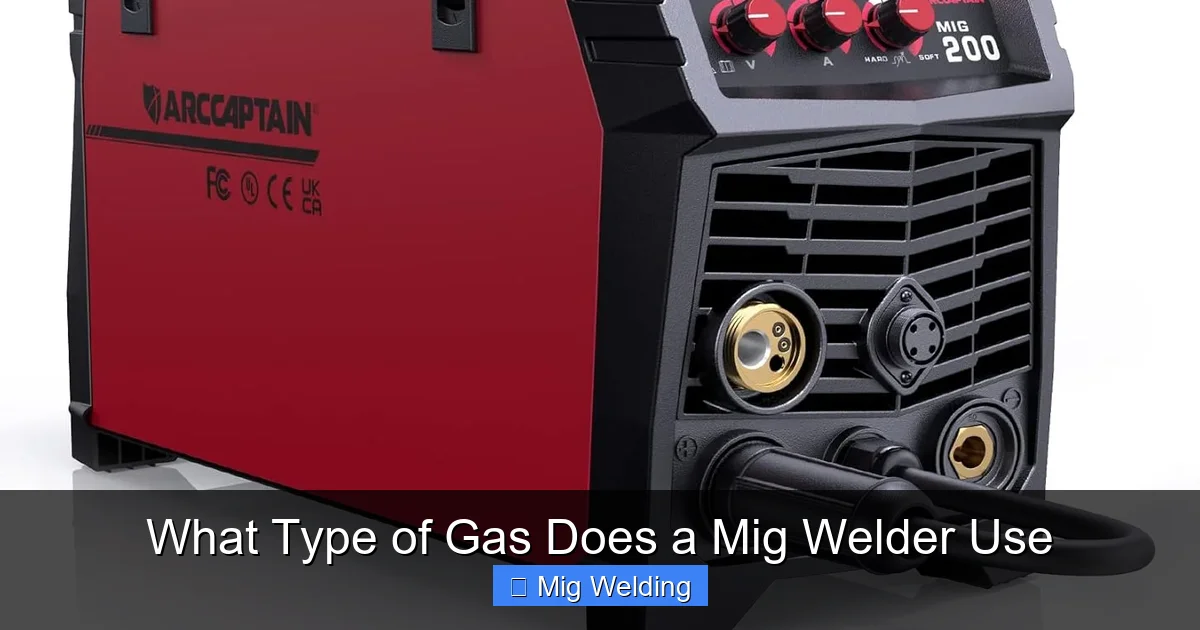
Check your MIG welder’s specifications to ensure it supports the chosen shielding gas. Some machines are optimized for specific gases or blends.
Practical Tips for Using Shielding Gases in MIG Welding
- Use the correct flow rate: Typically 20-40 CFH (cubic feet per hour), depending on environmental conditions.
- Ensure proper gas coverage: Keep the welding gun nozzle close to the workpiece without touching it to prevent contamination.
- Check for leaks: Regularly inspect hoses and connections for leaks that can affect shielding effectiveness.
- Store gases safely: Keep cylinders upright in well-ventilated areas away from heat sources.
- Practice consistency: Maintain a steady gun speed and angle to ensure even gas coverage and weld quality.
Troubleshooting Common Gases-Related Welding Issues
1. Porosity in Welds
This can happen if the shielding gas is contaminated or flows too low. Increase flow rate or check for leaks and proper gas purity.
2. Excess Spatter
Using a high CO2 content or incorrect wire feed speed can cause spatter. Try adjusting gas mixture or welding parameters.
3. Poor Penetration
Ensure you’re using the right gas blend for your material and welding position. Helium blends provide better penetration for thick materials.
Conclusion
Choosing the correct gas for your MIG welder is crucial to achieving strong, clean welds. The most common gases are argon, CO2, and their blends. Consider your material, budget, and specific project requirements when selecting a shielding gas. With proper handling and the right choice, your MIG welding results will be professional and reliable.
Remember to prioritize safety, follow manufacturer guidelines, and practice regularly to master MIG welding with the right shielding gases. Happy welding!
