

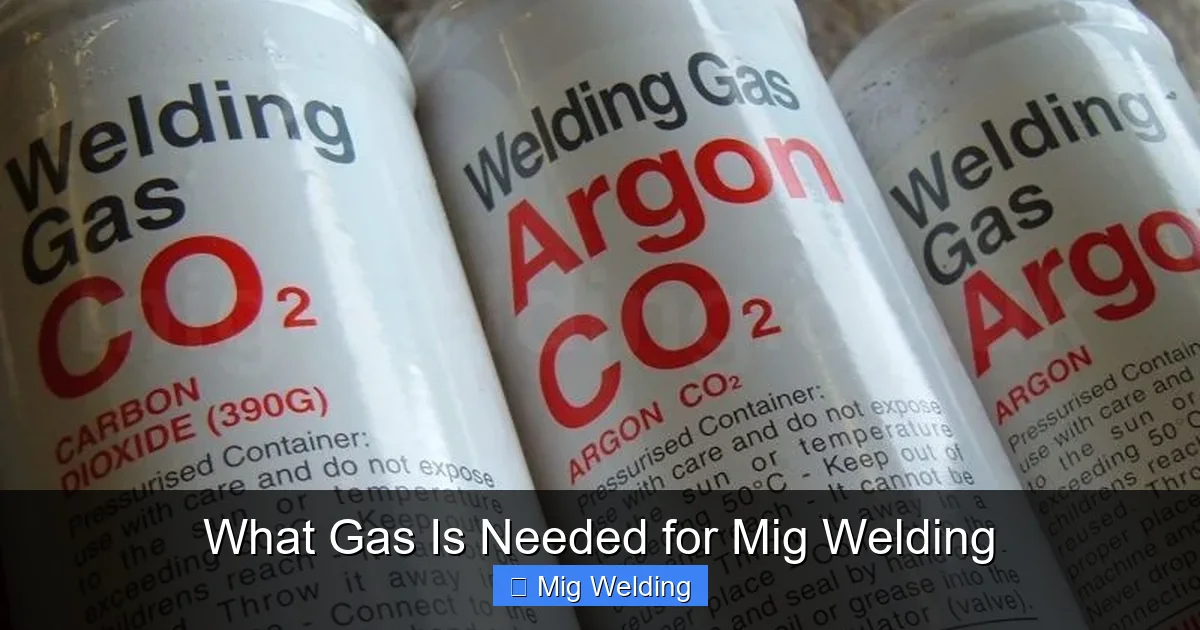
In MIG welding, the right shielding gas is essential for achieving high-quality welds. This guide explains the different types of gases used, their applications, and how to select the best gas for your welding projects.
Key Takeaways
- Argon is the most common MIG welding gas: It provides excellent arc stability and a smooth weld. It is ideal for welding non-ferrous metals like aluminum.
- Carbon dioxide (CO2) offers cost-effective shielding: It produces a slightly rougher weld but is popular for steel welding, especially in industrial settings.
- Mixtures of gases improve weld quality: Gas blends like 75% Argon and 25% CO2 combine benefits for better arc stability and reduced spatter.
- Gas selection depends on the material: Use Argon for aluminum, Helium for high-heat applications, and CO2 or blends for steel.
- Proper gas flow rate is crucial: Too much or too little can affect weld quality. Generally, 20-30 CFH (cubic feet per hour) works for most projects.
- Safety precautions are essential: Always work in well-ventilated areas and wear appropriate protective gear when handling gases.
Introduction
Welding is a skill that combines technique, equipment, and materials to create strong bonds between metals. Among these materials, shielding gas plays a critical role in MIG welding. It protects the weld pool from atmospheric contamination, ensures a stable arc, and influences the final weld quality. If you’re new to MIG welding, understanding what gas is needed is essential for success. This guide will walk you through the types of gases used, how to choose the right one, and tips for optimal results.
What Is MIG Welding?
MIG (Metal Inert Gas) welding, also known as Gas Metal Arc Welding (GMAW), uses a continuous wire feed as an electrode. During welding, a shielding gas surrounds the weld area, protecting it from oxygen, nitrogen, and other atmospheric gases that could cause defects. The choice of shielding gas significantly impacts how the weld looks, how strong it is, and how easy it is to perform.
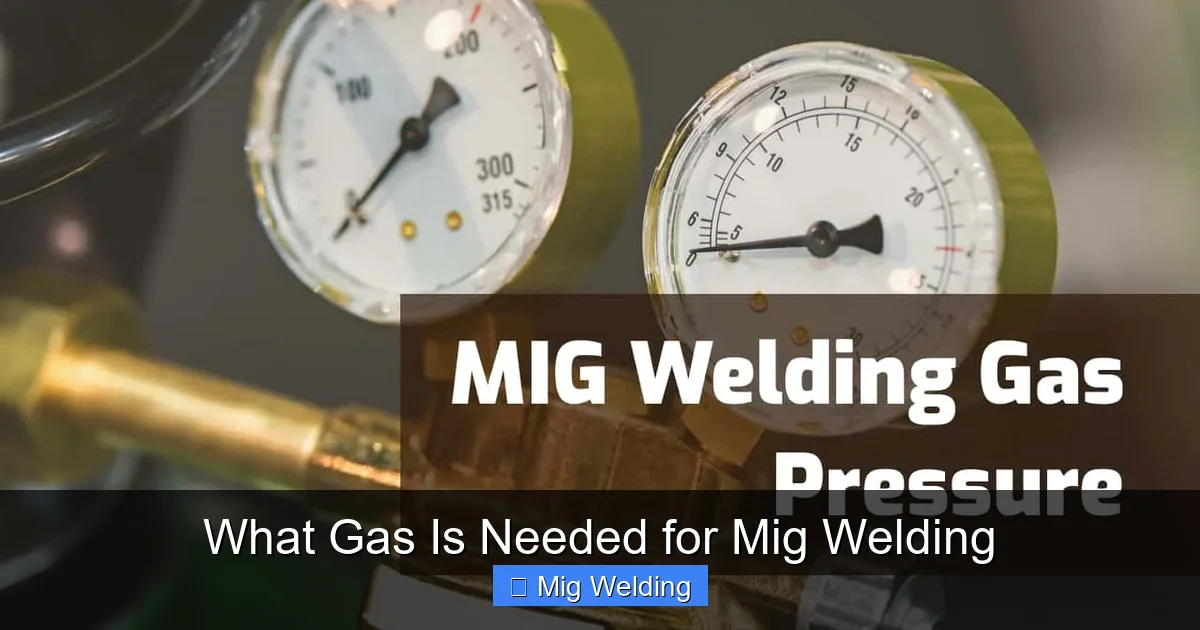
Visual guide about What Gas Is Needed for Mig Welding
Image source: weldguru.com
Understanding the Role of Shielding Gas
The shielding gas in MIG welding has two main functions:
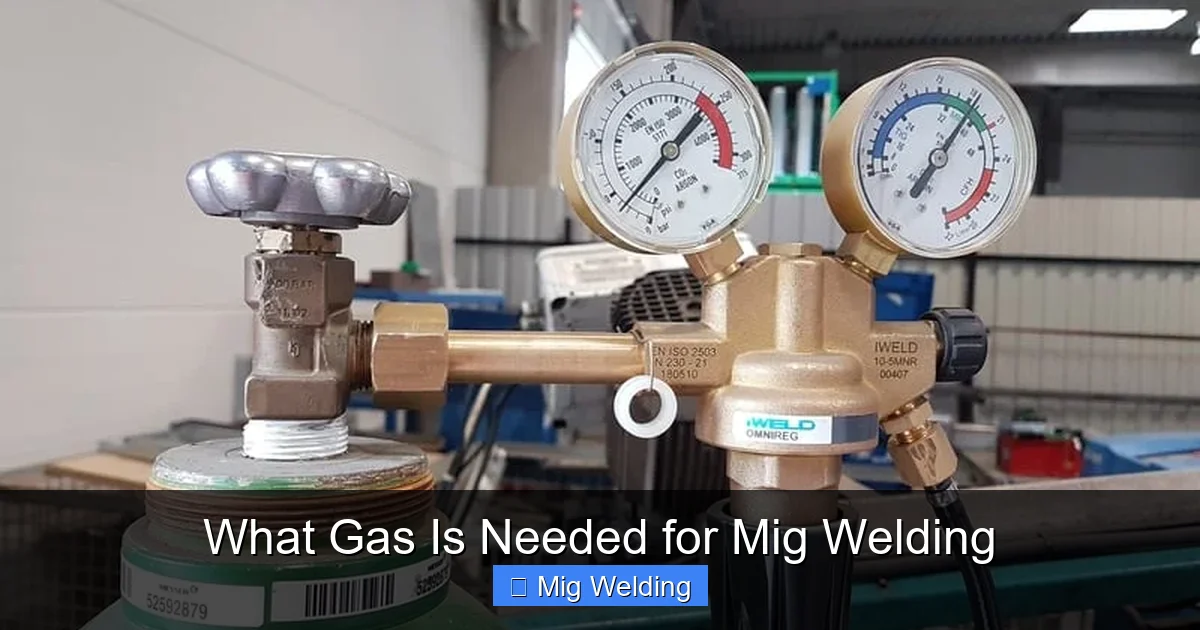
Visual guide about What Gas Is Needed for Mig Welding
Image source: weldingmastermind.com
- Protection: It prevents contamination of the molten weld pool.
- Stability: It helps maintain a stable arc and smooth weld bead.
Choosing the right gas depends on the metal you’re welding, the desired weld quality, and your budget. Let’s explore the common gases used in MIG welding.
Types of Gases Used in MIG Welding
1. Argon (Ar)
Argon is the most popular shielding gas for MIG welding, especially for non-ferrous metals like aluminum, magnesium, and copper. It provides a stable arc and a clean, smooth weld. Argon is an inert gas, meaning it doesn’t react with the metal, making it ideal for sensitive materials.
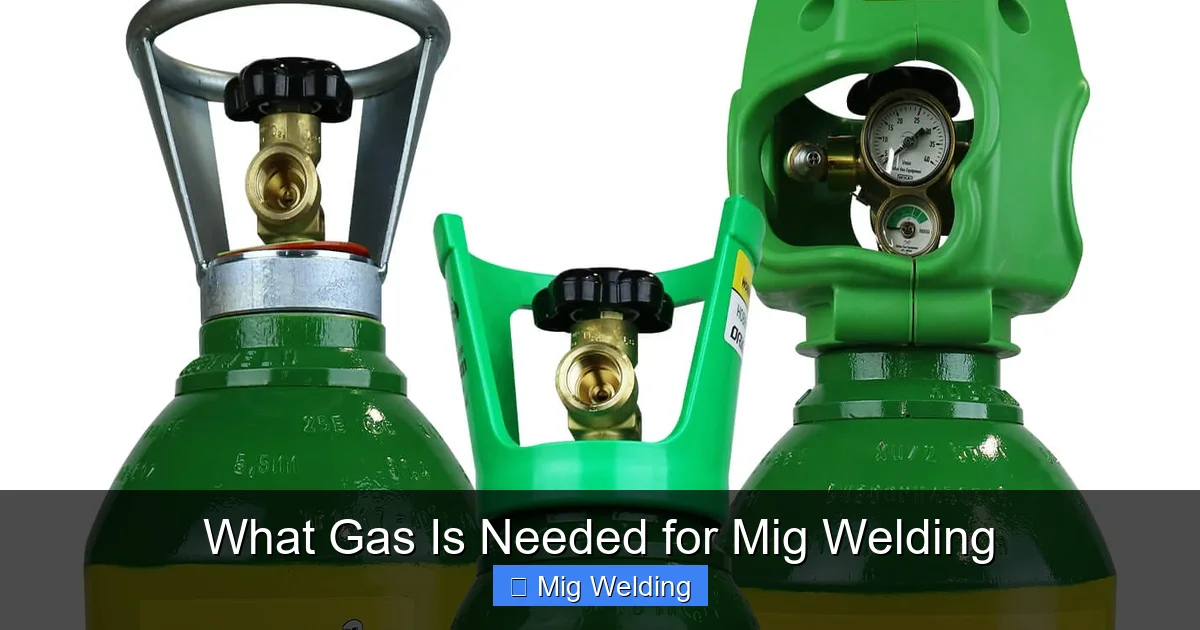
Visual guide about What Gas Is Needed for Mig Welding
Image source: hobbyweld.co.uk
2. Carbon Dioxide (CO2)
CO2 is an affordable and effective shielding gas, mainly used for welding steel. It produces a hotter arc, which can lead to faster welding but also causes more spatter and a rougher finish. Many industrial welders prefer CO2 for its cost efficiency and penetration capabilities.
3. Helium (He)
Helium is a lighter, inert gas that offers a hotter arc and deeper penetration. It is often mixed with Argon or used alone for welding high-strength alloys, titanium, and other metals requiring high heat input. Helium can be more expensive but provides excellent weld quality for specific applications.
4. Oxygen (O2)
Oxygen is rarely used alone in MIG welding but can be added in small amounts (up to 5%) to stabilize the arc and improve weld penetration on steel. Too much oxygen can cause oxidation, so it must be used carefully.
5. Gas Mixtures
Blended gases combine different benefits. For example, a common mixture is 75% Argon and 25% CO2, which balances arc stability, weld quality, and cost. Other blends include Argon with small amounts of O2 or Helium for specialized applications.
How to Choose the Right Gas for Your MIG Welding Project
Step 1: Identify the Metal Type
The material you are welding greatly influences your gas choice:
- Aluminum and non-ferrous metals: Use pure Argon or Argon-based blends.
- Steel: Use 100% CO2 or an Argon/CO2 mix.
- High-strength alloys or titanium: Use Helium or specialized blends.
Step 2: Consider the Welding Environment
Indoor or outdoor welding affects gas choice. For outdoor work, a higher flow rate or specific blends can help prevent wind contamination.
Step 3: Decide on Cost vs. Quality
Pure Argon is more expensive but provides the best quality finish. CO2 is cheaper but may produce more spatter. Blends offer a good compromise.
Step 4: Select the Appropriate Gas Flow Rate
Typically, 20-30 CFH (cubic feet per hour) is recommended. Too high a flow can cause turbulence, while too low can allow contamination. Adjust the flow based on your welding environment.
Practical Tips for Welding with the Right Gas
- Use clean gas cylinders: Always inspect your gas bottles for leaks or damage.
- Store gases properly: Keep cylinders upright and in well-ventilated areas.
- Use appropriate regulators: Ensure regulators are compatible with your gas type.
- Adjust flow rates carefully: Test your flow before welding to prevent issues.
- Be aware of safety: Always work in ventilated areas and wear protective gear.
Common Troubleshooting and Tips
Issue: Excess Spatter
Possible causes include high flow rate, contaminated gas, or incorrect welding parameters. Try reducing the flow rate or switching to a different gas blend.
Issue: Porosity or Holes in the Weld
Likely due to contaminated or insufficient shielding gas. Ensure your cylinder is full and the regulator is functioning properly.
Issue: Poor Arc Stability
Check your gas flow rate and connections. Using the correct gas for your material improves arc stability.
Conclusion
The key to successful MIG welding is choosing the right shielding gas for your project. Whether you opt for Argon, CO2, Helium, or a blend, understanding their properties helps you produce strong, clean welds. Always prioritize safety, select the appropriate flow rate, and match your gas to the metal you’re welding. With the right knowledge and practice, your MIG welding results will improve significantly.
