

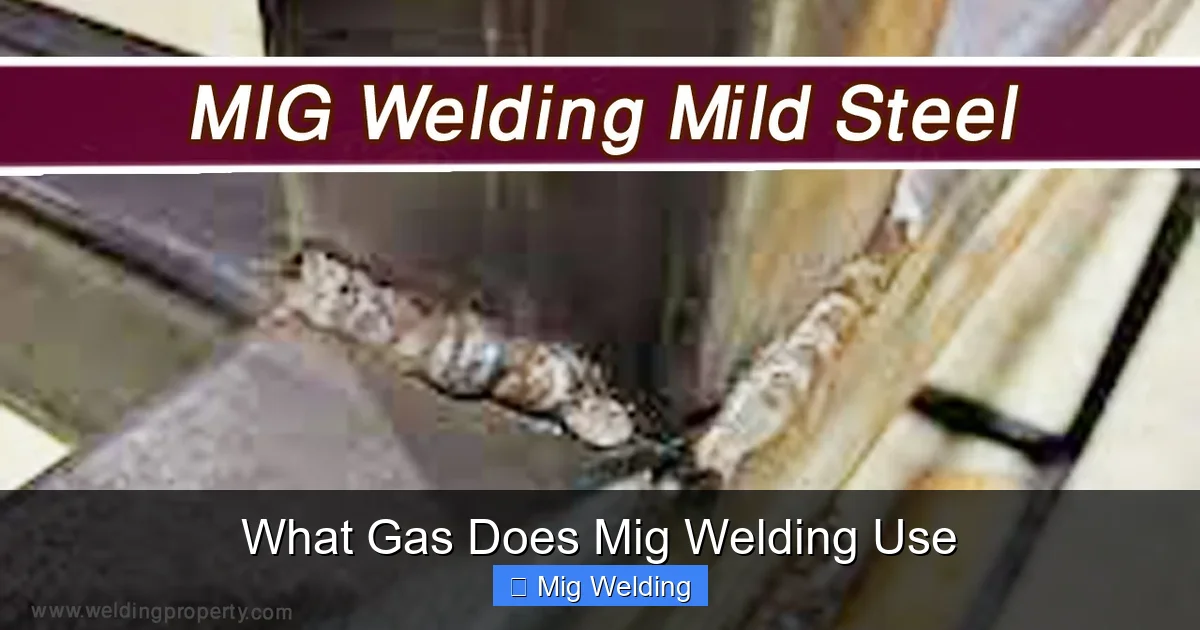
MIG welding relies on specific shielding gases to protect the weld pool from contamination. The most common gases used are argon, CO₂, and blends. Understanding which gas to use and how it affects your weld quality is essential for successful MIG welding.
Key Takeaways
- Most common gases: Argon, carbon dioxide (CO₂), and their blends are widely used in MIG welding.
- Shielding gas purpose: The gas protects the weld pool from atmospheric contamination, ensuring strong, clean welds.
- Choosing the right gas: Factors like material type, thickness, and desired weld quality influence your gas selection.
- Gas blends: Mixtures such as 75% argon/25% CO₂ are popular for balancing weld quality and cost.
- Cost considerations: Pure CO₂ is cheaper but may produce more spatter; argon-based gases tend to be cleaner.
- Safety tip: Always handle gases carefully and ensure proper ventilation when welding.
Introduction
If you’re new to MIG welding or looking to refine your skills, understanding the gases used is crucial. The shield gas you select impacts weld quality, appearance, and how easy the process is. In this guide, we’ll explore what gases are used in MIG welding, their differences, and how to choose the best option for your project.
What Is MIG Welding?
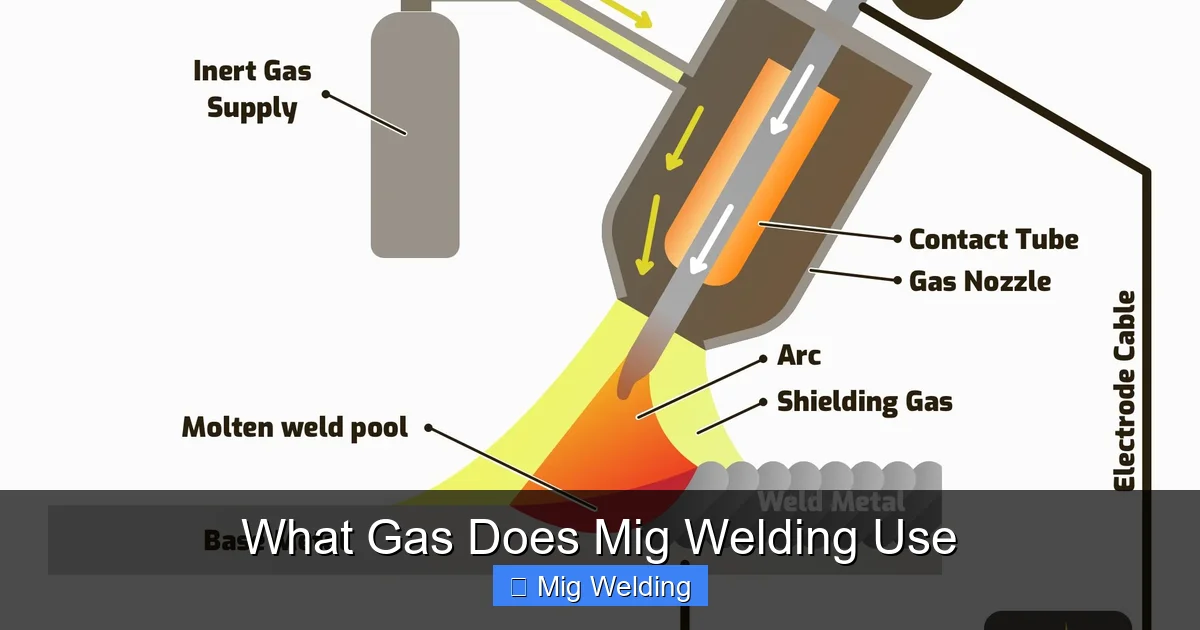
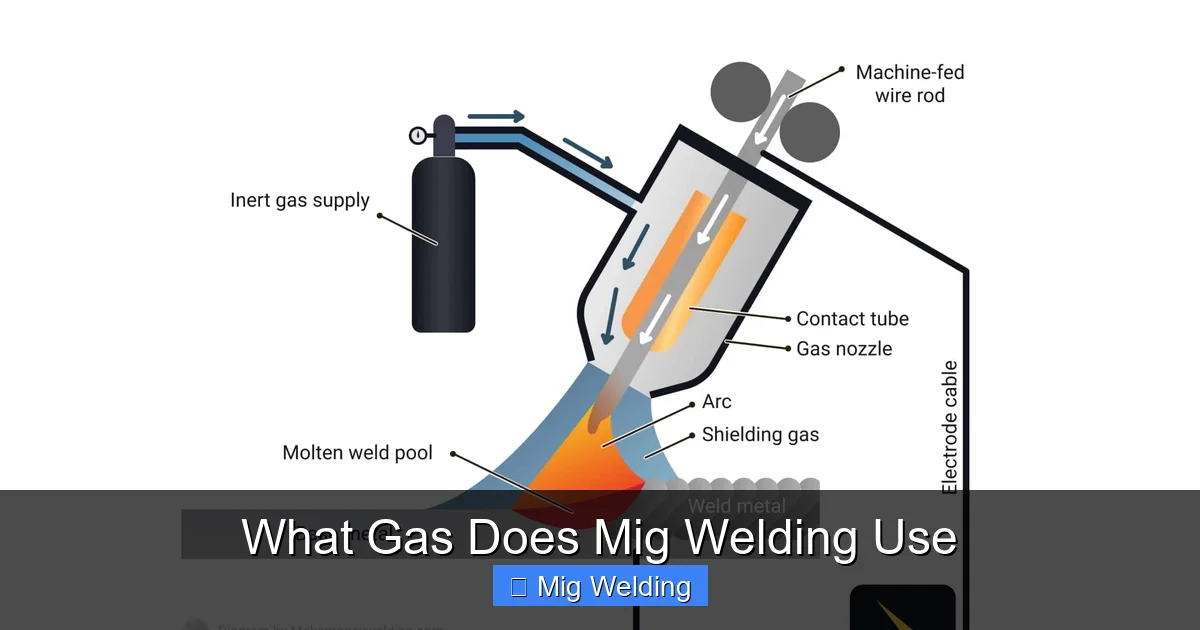
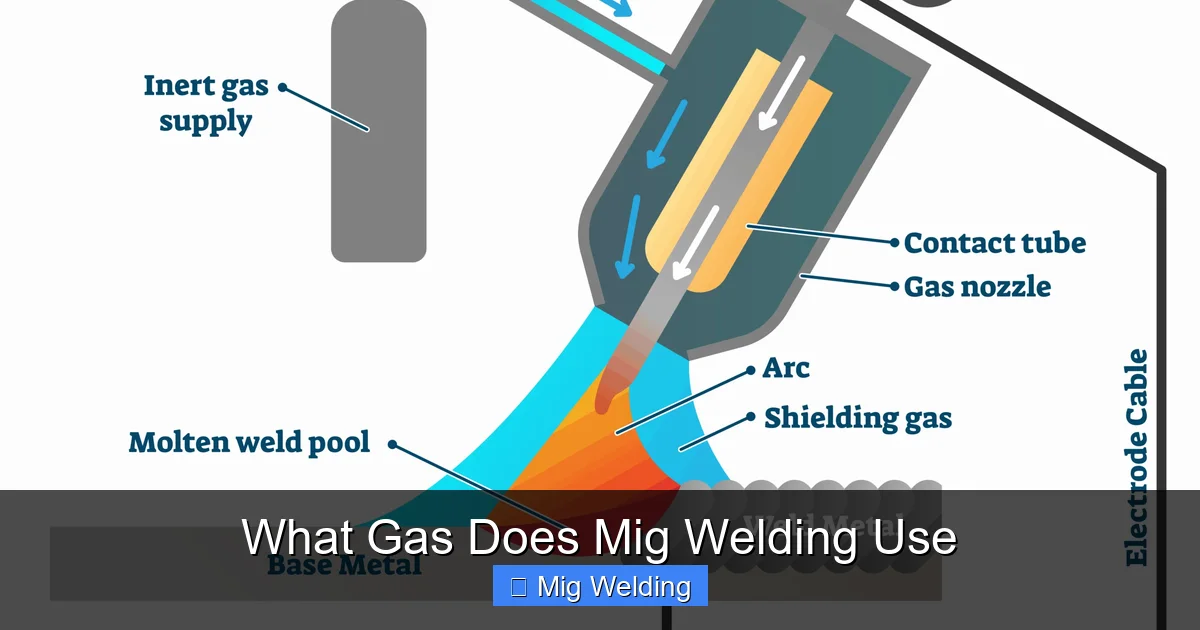
MIG welding, or Metal Inert Gas welding, is a popular arc welding process that uses a continuous wire electrode and a shielding gas. The process is favored for its speed, ease of use, and clean welds. The shielding gas plays a vital role in protecting the molten weld pool from atmospheric contamination, such as oxygen and nitrogen, which can cause weak welds or defects.
Visual guide about What Gas Does Mig Welding Use
Image source: weldguru.com
Common Gases Used in MIG Welding
1. Argon (Ar)
Argon is a noble gas, inert and stable. It provides a smooth, stable arc and produces high-quality, clean welds. Argon is widely used for welding non-ferrous metals like aluminum, magnesium, and copper. It offers excellent arc stability and minimal spatter.
Visual guide about What Gas Does Mig Welding Use
Image source: makemoneywelding.com
2. Carbon Dioxide (CO₂)
CO₂ is a reactive, inexpensive gas. It produces a deep penetrating weld with a slightly rougher surface. CO₂ is popular for welding steel because it’s cost-effective and provides good weld penetration. However, it can generate more spatter and less aesthetic welds compared to argon-based gases.
3. Oxygen (O₂)
Oxygen is rarely used alone but can be added in small amounts to other shielding gases to improve weld bead stability and penetration. It can increase spatter if used excessively.
4. Gas Blends
Blended gases combine different proportions of argon, CO₂, and sometimes oxygen. These mixtures aim to balance weld quality, ease of use, and cost.
Popular MIG Welding Gas Mixtures
- 75% Argon / 25% CO₂: Known as “C25,” this blend offers a good balance between smooth welds and cost. It’s popular for mild steel welding.
- 90% Argon / 10% CO₂: Provides very smooth, clean welds, ideal for thin metals and aluminum.
- 100% CO₂: Cheapest option, suitable for heavy steel work but with more spatter and rougher welds.
- Other blends: Variations include adding small amounts of oxygen or other gases to customize weld properties.
How to Choose the Right Gas for Your MIG Welding Project
Consider Material Type
For steel, CO₂ or blends with CO₂ are common. For non-ferrous metals like aluminum, pure argon or argon mixes are preferred for optimal results.
Visual guide about What Gas Does Mig Welding Use
Image source: technoxmachine.com
Evaluate Weld Quality Needs
If you need a high-quality, clean finish, argon-based gases are better. For fast, deep penetration welds on thick steel, CO₂ might be suitable.
Cost and Budget
Pure CO₂ is cheaper but may produce more spatter. Argon and blends are more expensive but can reduce cleanup time and improve appearance.
Equipment Compatibility
Ensure your welding machine is compatible with the gas type. Some machines are optimized for specific gases or blends.
Practical Tips for Using Shielding Gases in MIG Welding
- Use clean, dry gases: Moisture or impurities can cause weld defects.
- Proper flow rate: Set the shielding gas flow rate typically between 20-30 CFM (cubic feet per minute) for effective coverage.
- Check for leaks: Regularly inspect hoses and connections to prevent gas leaks.
- Positioning: Keep the nozzle close to the weld pool (but not touching) to protect the weld effectively.
- Practice: Experiment with different gases and settings to find what works best for your specific application.
Troubleshooting Common Issues
Excess Spatter
Likely caused by using the wrong gas or incorrect flow rate. Switching to a proper blend or reducing the flow rate can help.
Porosity in Welds
Moisture in the gas or contaminated shielding can cause holes. Use dry gases and ensure the shielding is adequate.
Poor Penetration
Adjust your welding parameters or switch to a gas blend with higher CO₂ content for better penetration.
Conclusion
Understanding what gases are used in MIG welding is key to achieving high-quality welds. Whether you choose pure argon, CO₂, or a blend, each has its advantages and best-use scenarios. Consider your material, budget, and desired finish to select the right shielding gas. With proper handling and technique, you can improve your welding results significantly.
Final Thoughts
Mastering the use of shielding gases in MIG welding opens the door to better welds, increased efficiency, and professional-looking results. Always prioritize safety, proper equipment, and correct gas choice to make your welding projects successful.
