

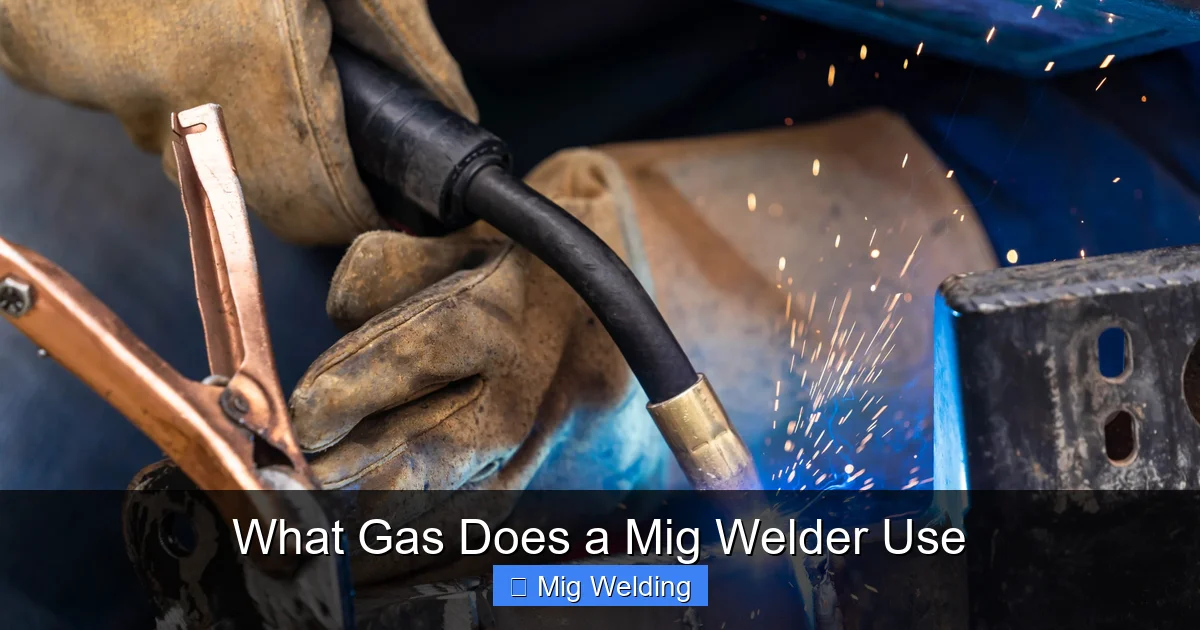
MIG welding relies on specific shielding gases to protect the weld pool from contamination. In this guide, you’ll learn what gases are used, how to select the right one, and practical tips to improve your welding results.
Key Takeaways
- Common gases used in MIG welding: Argon, CO2, and blends are the most typical shielding gases.
- Purpose of shielding gases: They protect the weld from atmospheric contamination, ensuring strong, clean welds.
- Choosing the right gas: Depends on the material, thickness, and desired weld quality.
- Gas mixtures: Blends like Argon/CO2 offer a balance of weld quality, penetration, and cost.
- Gas flow rate: Proper flow rate prevents contamination but avoids excessive turbulence.
- Troubleshooting: Incorrect gas choice can cause porosity, weak welds, or spatter issues.
Introduction
If you’re new to MIG welding, one of the first questions you’ll encounter is, “What gas does a MIG welder use?” Choosing the right shielding gas is crucial for achieving strong, clean welds. This guide will walk you through the different types of gases, how they work, and how to select the best option for your welding needs.
Understanding MIG Welding and Its Gas Requirements
MIG welding, or Metal Inert Gas welding, uses a consumable wire electrode fed through a welding gun. As the wire melts, a shielding gas surrounds it, protecting the weld from atmospheric contamination. Without proper shielding, welds can become porous, weak, or aesthetically unappealing.
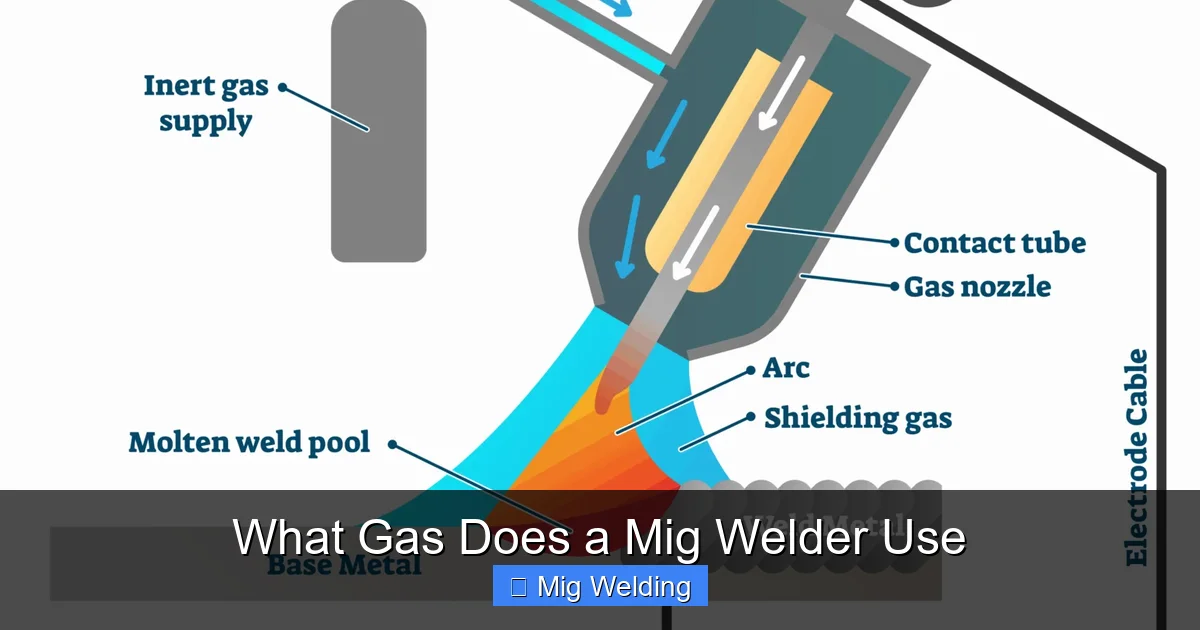
Visual guide about What Gas Does a Mig Welder Use
Image source: i.pinimg.com
The choice of shielding gas affects the weld’s appearance, strength, penetration, and spatter levels. So, understanding which gases are used and why is vital for any welder aiming for professional results.
What Gas Does a MIG Welder Use?
Common Gases Used in MIG Welding
The most frequently used gases in MIG welding are:
- Argon (Ar): An inert gas that provides a smooth, stable arc. Ideal for aluminum and other non-ferrous metals.
- Carbon Dioxide (CO2): A reactive gas that offers deep penetration and lower cost. Often used for steel.
- Argon/CO2 Blends: Mixtures combining Argon and CO2 to balance weld quality and cost.
- Other blends: Sometimes Helium or Oxygen are added for specific applications, but less common.
The Role of Each Gas
Each shielding gas has a specific role:
- Argon: Produces a clean, smooth weld with minimal spatter. Best for thin materials and non-ferrous metals.
- CO2: Promotes good penetration and fast welding speeds. Creates more spatter but is budget-friendly.
- Argon/CO2 blends: Combine benefits—smooth welds from Argon and deep penetration from CO2.
How to Choose the Right Gas for Your MIG Welding
Consider the Material
The type of metal you’re welding influences your gas choice:
- Steel: Usually uses CO2 or Argon/CO2 blends.
- Aluminum and non-ferrous metals: Require pure Argon for best results.
Think About the Weld Quality
If you want a cleaner, more precise weld with minimal spatter, Argon or a high-Argon blend is ideal. For faster, deeper welds on thicker steel, CO2 might be better.
Budget and Cost Considerations
CO2 is generally cheaper than Argon, making it attractive for large projects or budget-conscious welders. Blends offer a compromise between cost and quality.
How to Use and Set Up Your Gas Properly
Setting the Correct Gas Flow Rate
Proper flow rates typically range from 20 to 30 cubic feet per hour (CFH). Too low, and your weld may be contaminated; too high, and it can cause turbulence and spatter.
Tip: Start with 20 CFH and adjust based on weld quality and environmental conditions.
Proper Gas Cylinder Handling
Ensure your gas cylinder is upright, secured, and connected with a proper regulator. Check for leaks before welding.
Tip: Always open the cylinder slowly to prevent sudden pressure surges.
Practical Tips for Optimal Gas Use
- Use the right regulator: Match it to your gas type and cylinder size.
- Check connections: Tighten fittings to prevent leaks.
- Shield the gas: Avoid drafts or wind that can disturb the shielding gas.
- Monitor gas levels: Replace cylinders before they run empty to avoid welding interruptions.
Common Problems and Troubleshooting
Porosity in Welds
If you notice porosity, it could be due to contaminated gas, leaks, or improper flow rate. Check for leaks, ensure the gas is pure, and adjust flow as needed.
Excess Spatter
High spatter might result from using too much CO2 or incorrect settings. Switch to a blend or adjust your parameters for smoother results.
Weak or Poor Penetration
Ensure you’re using the correct gas and setting appropriate welding parameters. Increasing voltage or wire feed speed can help.
Conclusion
Choosing the right gas for your MIG welder is essential for achieving high-quality welds. Most commonly, Argon, CO2, and their blends are used depending on the material and desired results. Always consider your project requirements, budget, and environmental conditions when selecting and setting up your shielding gas. Proper handling, setup, and troubleshooting will ensure safe, efficient, and professional welding outcomes.
Final Tips
- Use high-purity gases for the best results.
- Match your gas type to the metal you’re welding.
- Adjust your flow rate to prevent weld contamination or turbulence.
- Regularly inspect your equipment for leaks or damage.
