

Choosing the right gas for a MIG welder is crucial for quality welds. In this guide, you’ll learn about common shielding gases, their benefits, and how to select the best gas for your specific welding needs.
Key Takeaways
- Understanding shielding gases: Shielding gases protect the weld pool from contamination and influence weld quality.
- Most common gases: Argon, CO2, and their mixtures are the primary gases used in MIG welding.
- Pure Argon: Ideal for welding non-ferrous metals like aluminum and copper.
- Carbon Dioxide (CO2): Cost-effective and good for steel, but can produce more spatter.
- Gas mixtures: Combining Argon and CO2 offers a balance of quality and cost-effectiveness.
- Choosing the right gas: Depends on metal type, desired weld quality, and budget.
- Safety tips: Always handle gases carefully and store cylinders properly.
What Gas Do You Need for a MIG Welder?
If you’re new to MIG welding or looking to improve your welds, understanding the right shielding gas is essential. The shielding gas influences weld quality, appearance, and even the amount of spatter. In this guide, we’ll explore the most common gases used in MIG welding, how to choose the right one, and practical tips for getting the best results.
Introduction to MIG Welding Gases
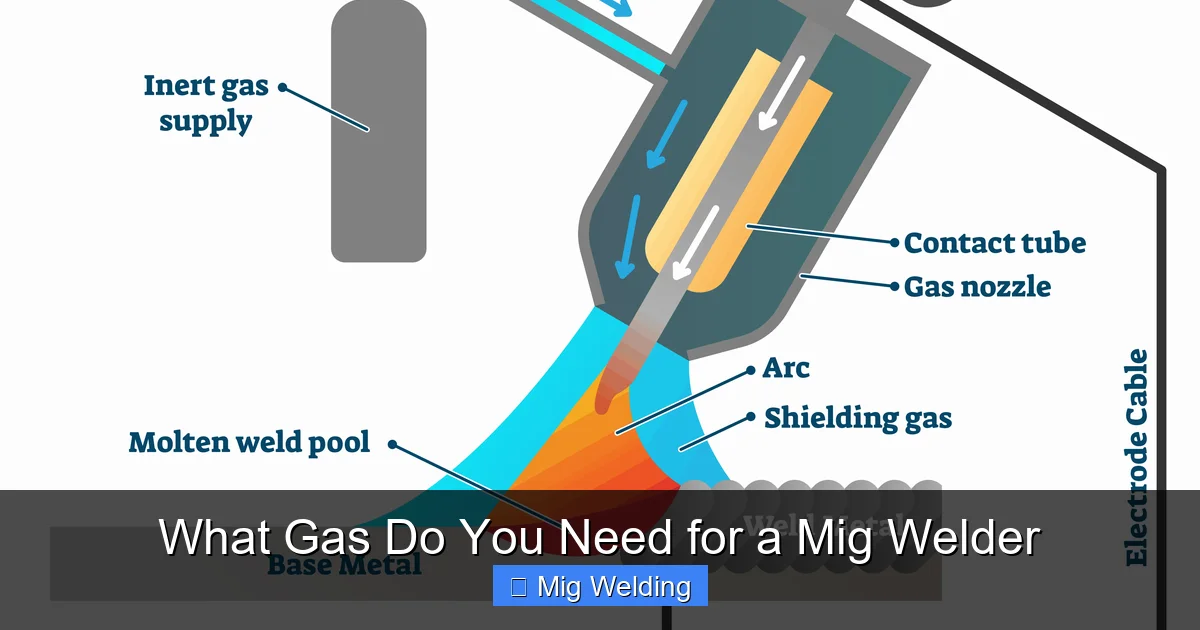
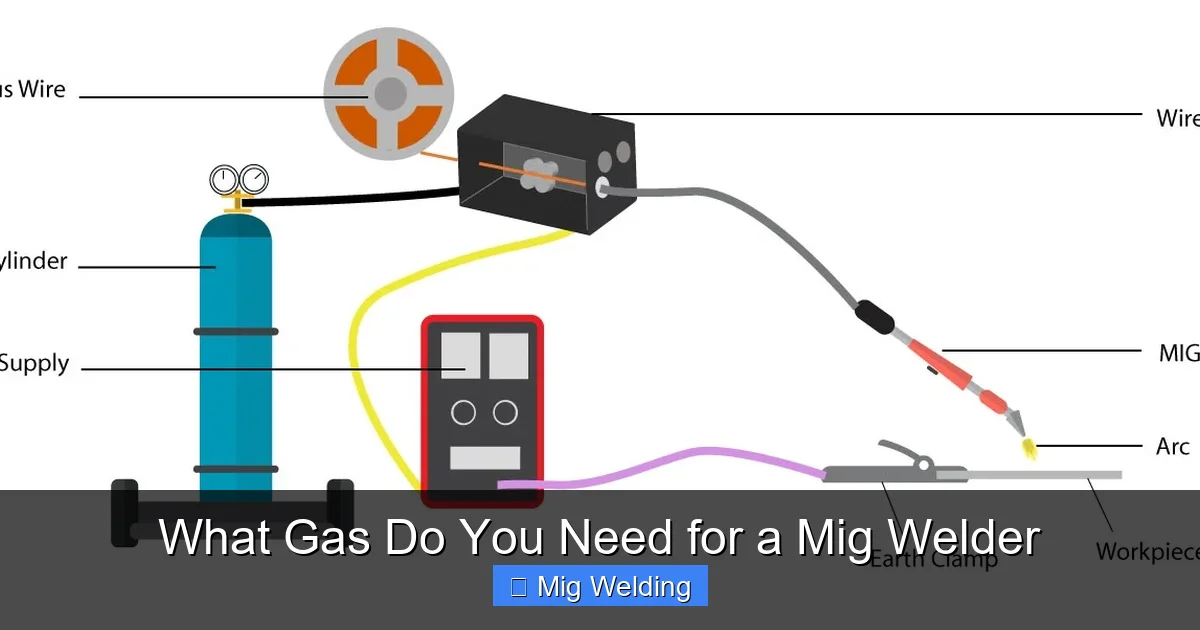
MIG (Metal Inert Gas) welding uses a shielding gas to protect the weld pool from atmospheric contamination. Without proper shielding, the weld can become weak, porous, or contaminated. The choice of gas depends on the metal you’re welding, the desired weld quality, and your budget.

Visual guide about What Gas Do You Need for a Mig Welder
Image source: i.ytimg.com
Common Gases Used in MIG Welding
1. Argon (Ar)
Argon is an inert, noble gas. It’s the most popular shielding gas for welding non-ferrous metals like aluminum, copper, and magnesium. Argon provides a smooth, stable arc and produces high-quality welds with minimal spatter.
Visual guide about What Gas Do You Need for a Mig Welder
Image source: kingsofwelding.com
2. Carbon Dioxide (CO2)
CO2 is a reactive, inexpensive gas. It’s widely used for welding steel because it produces deep penetration and fast welding speeds. However, it can generate more spatter and rougher welds compared to argon-based gases.
3. Helium (He)
Helium is an inert gas like argon but is less common. It’s used for welding certain metals like stainless steel and for deep, high-heat welds. Helium provides a hotter arc but is more expensive.
4. Oxygen (O2)
Oxygen is sometimes added in small amounts to CO2 or argon mixtures to improve arc stability. It’s rarely used alone in MIG welding because it can cause oxidation.
Gas Mixtures and Their Uses
Most MIG welding employs mixtures of gases to balance weld quality, cost, and ease of use. Common mixtures include:

Visual guide about What Gas Do You Need for a Mig Welder
Image source: m.media-amazon.com
- 75% Argon / 25% CO2: Known as C25, this is a popular mix for welding steel. It offers good weld quality and manageable spatter.
- 90% Argon / 10% CO2: Provides a smoother weld with less spatter, suitable for thin steel and stainless steel.
- 100% Argon: Best for non-ferrous metals like aluminum, providing a clean, high-quality weld.
How to Choose the Right Gas for Your MIG Welder
Step 1: Identify the Metal Type
Different metals require different shielding gases. Use argon for aluminum, copper, and other non-ferrous metals. Use CO2 or gas mixtures for steel and stainless steel.
Step 2: Decide on Weld Quality and Appearance
If you want a smooth, clean weld with minimal spatter, choose pure argon or a high-argon mixture. For deep penetration and faster welding, CO2 is effective but may produce rougher welds.
Step 3: Consider Budget
CO2 is the most economical choice, making it suitable for large projects or budget-conscious welders. Argon and blends are more expensive but provide better weld quality.
Step 4: Check Your Equipment Compatibility
Ensure your MIG welder can handle the gas type and that you have the appropriate regulators and hoses.
Practical Tips for Using MIG Welding Gases
- Use proper cylinders: Always handle gas cylinders carefully. Secure them upright and store in well-ventilated areas.
- Set correct flow rate: Typically, 20-30 cubic feet per hour (CFH) for shielding gases. Too high can cause turbulence; too low might not provide enough protection.
- Check for leaks: Regularly inspect hoses and connections for leaks to prevent contamination and ensure safety.
- Match gas to wire: Use the correct shielding gas compatible with your welding wire for optimal results.
Troubleshooting Common Issues
1. Porosity in Welds
This often indicates inadequate shielding. Check gas flow, leakages, or poor cylinder positioning.
2. Excess Spatter
May be caused by using pure CO2 inappropriately or incorrect flow rates. Adjust flow or switch to a different gas mixture.
3. Poor Arc Stability
Ensure gas purity, proper regulator function, and correct wire feed speed. Also, confirm the gas nozzle is clean.
Conclusion
Choosing the right gas for your MIG welder depends on the metal you’re working with, the weld quality you desire, and your budget. Whether you opt for pure argon, CO2, or a mixture, understanding the properties of each will help you achieve better, stronger welds. Always prioritize safety, handle gases responsibly, and fine-tune your settings through practice and experience.
Final Tips
- Always use the recommended gas for your specific welding project.
- Invest in good quality regulators and hoses to ensure safety and consistency.
- Experiment with different gas mixtures to find what works best for your application.
