

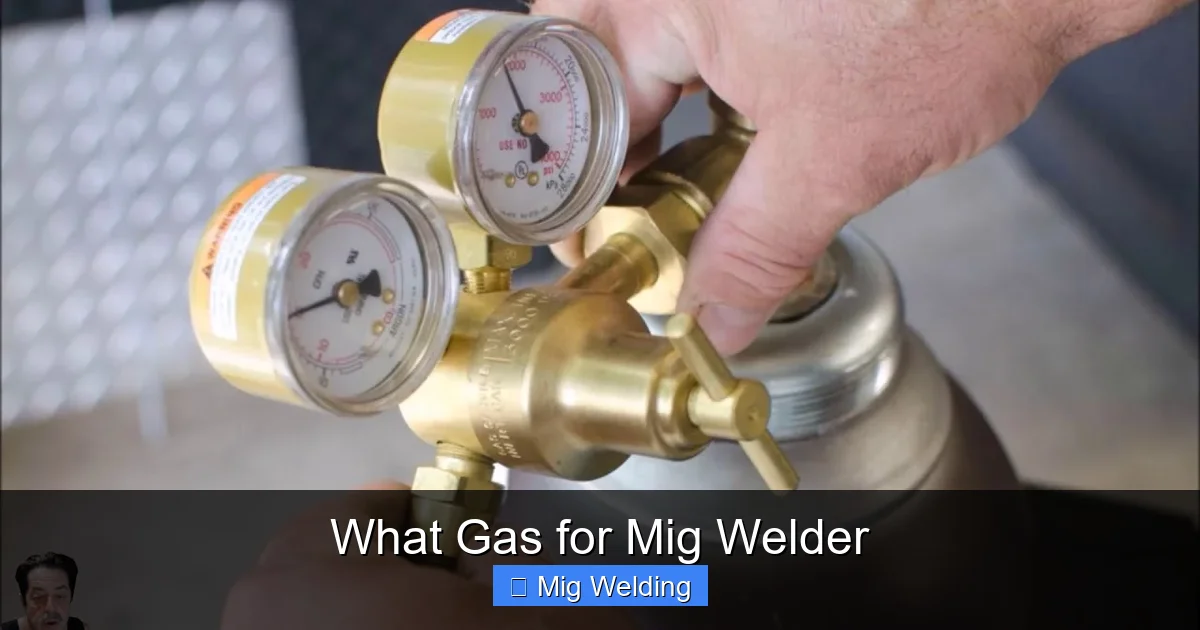
Choosing the right gas for your MIG welder is essential for quality welds. This guide explains the common shielding gases, their applications, and tips to select the best gas for different materials and projects.
Key Takeaways
- Understanding shielding gases: Shielding gases protect the weld pool from contamination and influence weld quality.
- Common gases used: Argon, CO2, and blends are the most popular gases for MIG welding.
- Material considerations: Different gases suit different metals like steel, aluminum, or stainless steel.
- Cost and availability: CO2 is budget-friendly, while argon and blends may cost more but offer better quality.
- Safety tips: Always handle gases carefully and ensure proper ventilation during welding.
- Choosing the right gas: Consider your material, welding position, and desired finish when selecting a shielding gas.
Introduction
If you’re into MIG welding, one of the most important decisions you’ll make is what gas to use. The right shielding gas can improve weld quality, reduce defects, and make your welding experience smoother. In this guide, we’ll explore the different types of gases suitable for MIG welding, how to choose the best one for your project, and practical tips to get the best results. Whether you’re a beginner or an experienced welder, understanding these details will help you weld better and safer.
What is MIG Welding and Why Does Gas Matter?
MIG welding, or Metal Inert Gas welding, uses a continuous wire feed and a shielding gas to protect the weld pool from contamination. The shielding gas plays a crucial role. It prevents oxidation, porosity, and other weld defects by shielding the molten metal from atmospheric gases like oxygen and nitrogen. Choosing the right gas impacts the weld’s appearance, strength, and overall quality.
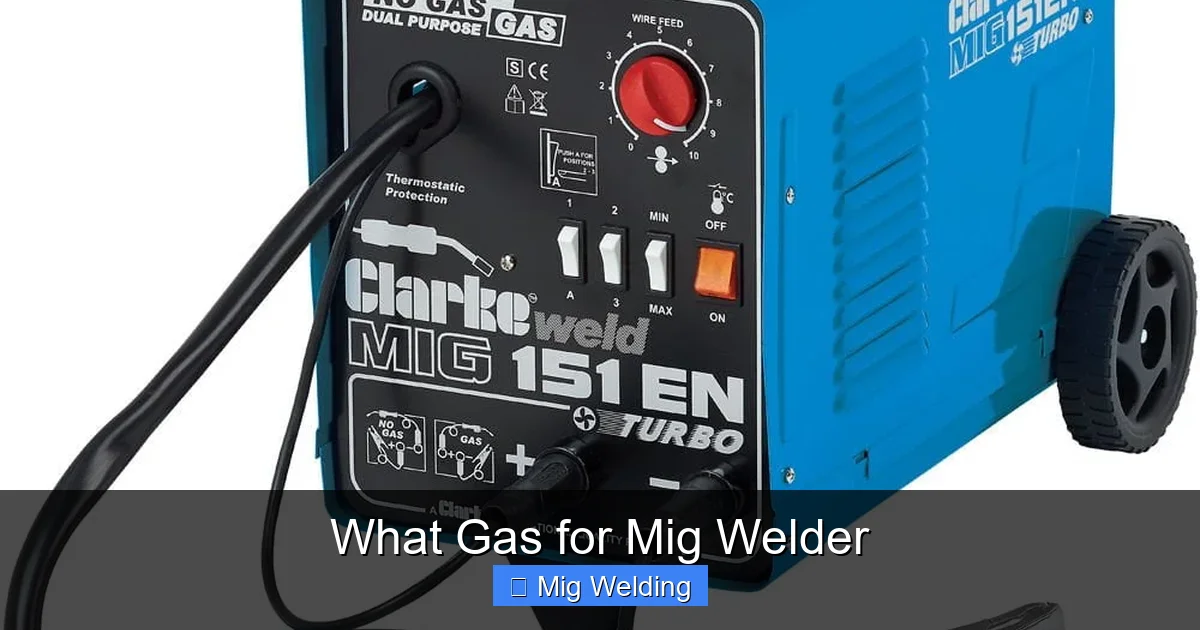
Visual guide about What Gas for Mig Welder
Image source: comparepowertools.co.uk
Types of Gases Used in MIG Welding
1. Pure Argon
Argon is an inert gas that provides a stable arc and smooth welds. It’s ideal for welding non-ferrous metals like aluminum and magnesium. Pure argon produces clean, high-quality welds with minimal spatter. It’s often used for TIG welding but also works well for MIG on certain applications.

Visual guide about What Gas for Mig Welder
Image source: m.media-amazon.com
2. Carbon Dioxide (CO2)
CO2 is a reactive gas that’s widely used in MIG welding because of its affordability. It produces deeper penetration and faster welding speeds. However, it can cause more spatter and a rougher weld finish. CO2 is great for structural steel and heavy-duty projects where appearance isn’t critical.
3. Argon-CO2 Blends
Blended gases, like 75% argon and 25% CO2, combine the benefits of both gases. They provide good arc stability, reduced spatter, and better weld appearance. These mixes are popular for mild steel welding, offering a balance of cost, quality, and ease of use.
4. Other Gas Mixtures
Some advanced blends include small amounts of oxygen or other gases to improve weld properties for specific applications such as stainless steel or aluminum. Examples include 98% argon with 2% oxygen for stainless steel or 100% helium for specialty welding.
How to Choose the Right Gas for Your MIG Welder
1. Consider the Material
- Steel: CO2 or argon-CO2 blends are common. CO2 offers cost savings, while blends provide cleaner welds.
- Aluminum: Pure argon is preferred for aluminum due to its inert properties.
- Stainless Steel: Argon with small amounts of oxygen or other gases enhances weld quality.
2. Think About the Welding Application
- Structural or heavy-duty welding: CO2 is suitable for speed and penetration.
- Detailed or aesthetic welds: Argon-CO2 blends or pure argon produce cleaner, smoother welds.
3. Budget and Cost
- CO2: Cheapest option, ideal for large-scale or less critical projects.
- Blends and Argon: Slightly more expensive but result in higher quality welds.
4. Equipment Compatibility
Make sure your MIG welder is compatible with the gas type you choose. Some machines are optimized for specific gases or blends.

Visual guide about What Gas for Mig Welder
Image source: m.media-amazon.com
Practical Tips for Using Gas in MIG Welding
- Use the correct flow rate: Typically 20-30 CFH (cubic feet per hour). Too high or low flow can cause weld defects.
- Check for leaks: Regularly inspect hoses and connections to avoid gas wastage and safety hazards.
- Store gases properly: Keep cylinders upright in well-ventilated areas away from heat sources.
- Match gas with wire and material: Consistent use of compatible wire and gas improves weld quality.
Common Troubleshooting Tips
1. Spatter and Poor Appearance
Use the correct gas mixture and flow rate. Switch to a better blend like argon-CO2 for cleaner welds.
2. Porosity in Welds
Check for leaks, ensure proper shielding, and avoid drafts. Increase gas flow if necessary.
3. Inconsistent Arc
Inspect your gas supply, check connections, and ensure the gas is pure and uncontaminated.
Conclusion
Choosing the right gas for MIG welding is key to achieving strong, clean welds. Whether you opt for economical CO2 or premium argon blends, understanding your material and project needs will guide your choice. Always prioritize safety, proper equipment, and correct settings to get the best results. With the right gas, your MIG welding projects will be more efficient and professional-looking.
Final Tips
- Use high-quality gases from reputable suppliers.
- Practice with different gases to see what works best for your specific applications.
- Maintain your equipment regularly for optimal performance.
