

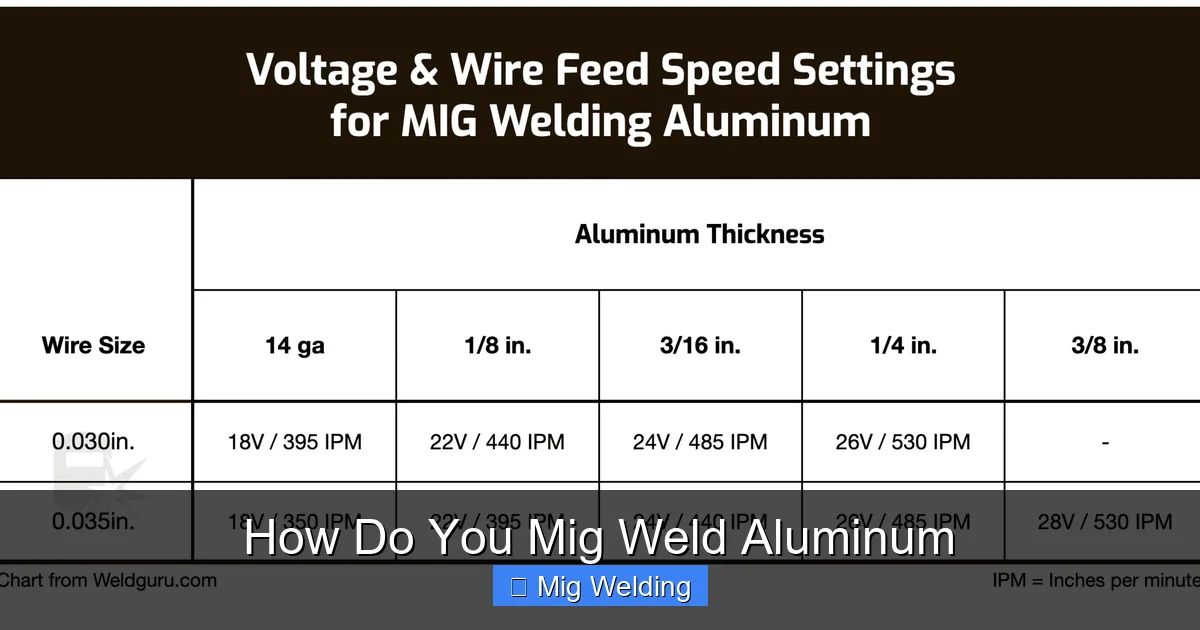
Welding aluminum with a MIG welder can be challenging but rewarding. In this guide, you’ll learn the essential steps, equipment, and techniques to achieve strong, clean welds on aluminum. Whether you’re a beginner or looking to improve your skills, this comprehensive guide will walk you through every stage of the process.
How Do You MIG Weld Aluminum?
Welding aluminum using a MIG (Metal Inert Gas) welder can seem intimidating, especially if you’re used to welding steel. However, with the right equipment, preparation, and techniques, you can produce strong, clean welds on aluminum. This guide will walk you through everything you need to know—from selecting the right materials to troubleshooting common problems. By the end, you’ll be confident in your ability to MIG weld aluminum effectively.
Key Takeaways
- Use the right wire: Select a spool of aluminum-specific MIG wire (typically 4043 or 5356 alloy) for best results.
- Set correct parameters: Adjust your MIG welder to the proper voltage, wire feed speed, and shielding gas flow for aluminum.
- Use the appropriate shielding gas: Use 100% argon or an argon mixed with helium for optimal weld quality.
- Prepare your materials: Clean the aluminum thoroughly to remove dirt, grease, and oxide layers for better welds.
- Practice proper technique: Maintain a steady travel speed, correct angle, and consistent arc length for smooth welds.
- Address common issues: Troubleshoot problems like porosity, weak welds, or burn-through with proper setup and technique.
Understanding Aluminum Welding
Aluminum is a lightweight, versatile metal used in many industries. Its unique properties, like high thermal conductivity and a thick oxide layer, make it different from steel to weld. MIG welding aluminum requires specific settings and techniques to ensure quality results. Let’s start with the basics.
Choosing the Right Equipment and Materials
1. MIG Welder Suitable for Aluminum
Not all MIG welders are capable of welding aluminum. Look for a welder that can handle higher amperage and has features suitable for aluminum welding, such as adjustable voltage and wire feed controls. A welder with a spool gun or push-pull system is highly recommended for aluminum to reduce feeding issues.
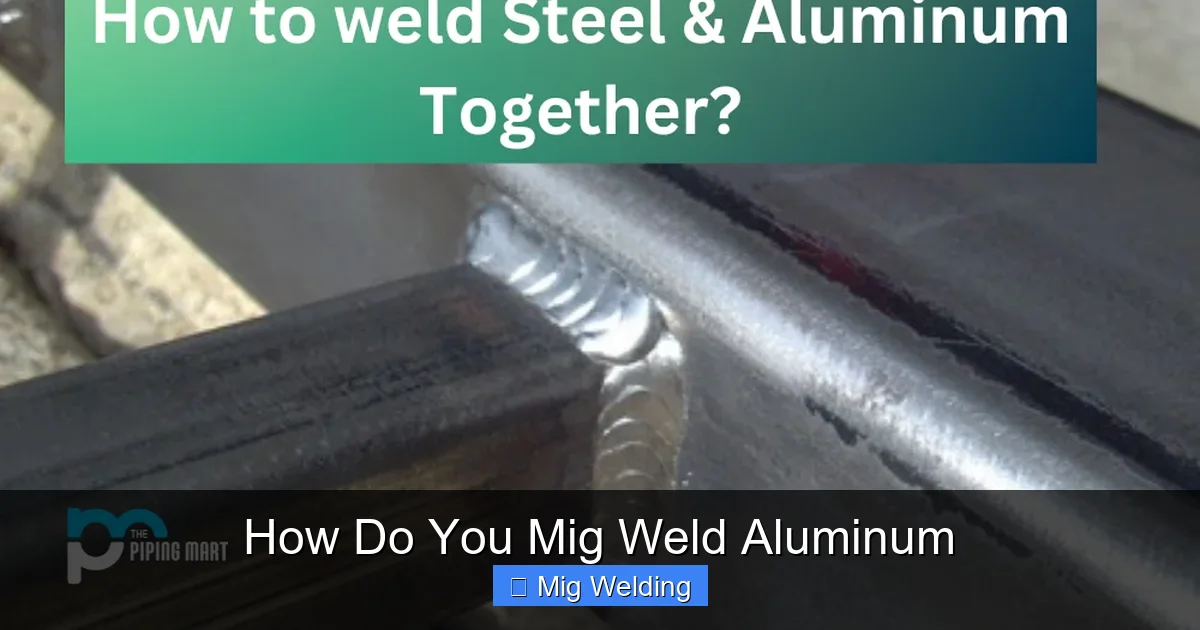
Visual guide about How Do You Mig Weld Aluminum
Image source: cdn.thepipingmart.com
2. Aluminum Welding Wire
- 4043 alloy: Easier to weld, produces smooth and aesthetically pleasing beads, suitable for most applications.
- 5356 alloy: Stronger and more corrosion-resistant, ideal for structural welding but slightly harder to weld.
Choose the wire diameter based on your project—typically 0.023” or 0.030” for thin materials, and 0.035” for thicker aluminum.
3. Shielding Gas
- 100% Argon: The most common choice for MIG aluminum welding, provides good arc stability and weld quality.
- Argon/Helium mix: Enhances penetration and improves weld bead appearance, especially on thicker materials.
Preparing Your Workspace and Materials
1. Clean the Aluminum
Aluminum forms a tough oxide layer that must be removed before welding. Use a dedicated stainless steel wire brush or a flap disc to thoroughly clean the surface. Avoid using the same brush for steel to prevent contamination.
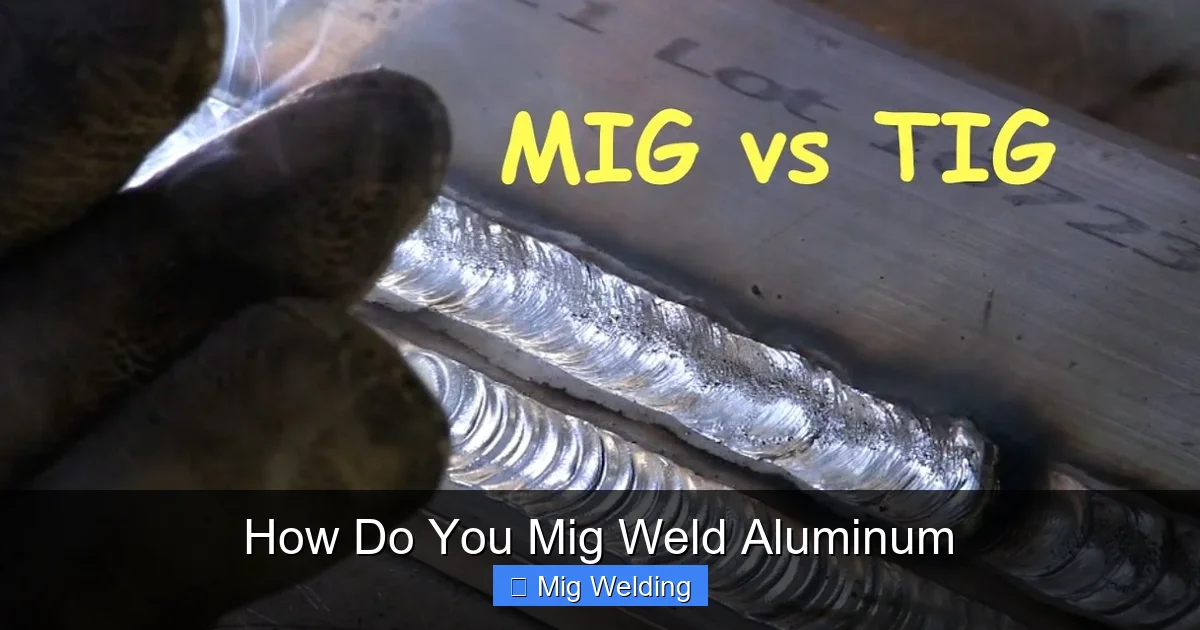
Visual guide about How Do You Mig Weld Aluminum
Image source: i.ytimg.com
2. Fit-up and Clamping
Ensure your pieces are properly aligned and securely clamped. Gaps should be minimized to prevent weak welds and burn-through. Use magnets or clamps to hold parts steady.
3. Set Up Your Equipment
- Install the correct wire spool.
- Connect the spool gun or push-pull system if available.
- Set the gas flow rate to approximately 20-30 CFH (cubic feet per hour).
- Adjust the wire feed speed based on your material thickness.
- Set the voltage according to the welder’s recommendations for aluminum.
Step-by-Step MIG Welding Aluminum
1. Striking the Arc
Begin by striking an arc just like you would with steel. Hold the gun at a 10-15 degree angle and keep a consistent arc length—about the diameter of the wire tip.
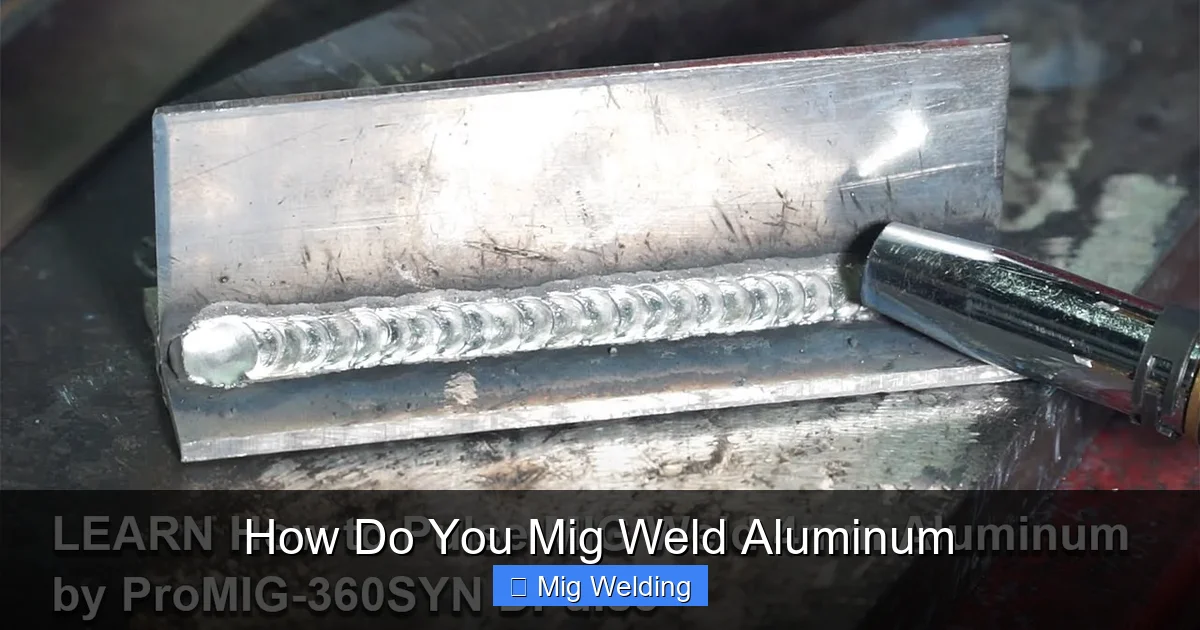
Visual guide about How Do You Mig Weld Aluminum
Image source: i.ytimg.com
2. Maintaining Proper Travel Speed
Move steadily along the joint. Moving too fast can cause poor fusion; too slow can cause burn-through. Practice to find the right balance.
3. Controlling the Heat
Adjust the voltage and wire feed speed to control heat input. Aluminum is sensitive to excess heat, which can cause warping or burn-through.
4. Using the Correct Technique
- Push technique: Push the gun forward, which helps shield the weld pool with shielding gas and produces a cleaner bead.
- Maintain a consistent angle: Keep the gun at about 10-15 degrees from perpendicular to the workpiece.
- Keep a steady hand: Focus on smooth, continuous motion.
Practical Tips for Better Aluminum MIG Welds
- Always keep the tip of the nozzle close to the workpiece—about 1/4 inch—to maintain good arc stability.
- Use a dedicated aluminum spool gun for thinner materials or complex joints.
- Practice on scrap pieces before working on your actual project to dial in your settings.
- Weld in a well-ventilated area to avoid fumes and ensure safety.
- Periodically check and replace worn contact tips to maintain a stable arc.
Troubleshooting Common Issues
Porosity in Welds
This is often caused by contaminated surfaces or inadequate shielding gas coverage. Ensure your workpiece is clean and gas flow is steady.
Weak or Cracked Welds
Check your heat settings—too low or too high can affect weld integrity. Also, ensure proper technique and clean materials.
Burn-Through
Reduce heat input by lowering voltage or wire speed. Use proper shielding gas and minimize gaps in the joint.
Conclusion
MIG welding aluminum may require some practice, but with the right equipment and techniques, you can achieve strong, professional-looking welds. Remember to prepare your materials thoroughly, set your machine correctly, and practice steady, controlled movements. Over time, you’ll develop the skills needed to weld aluminum confidently and efficiently.
Final Tips
- Stay patient and practice regularly.
- Always wear proper safety gear: gloves, helmet, and protective clothing.
- Consult your welder’s manual for specific settings and recommendations for aluminum welding.
