

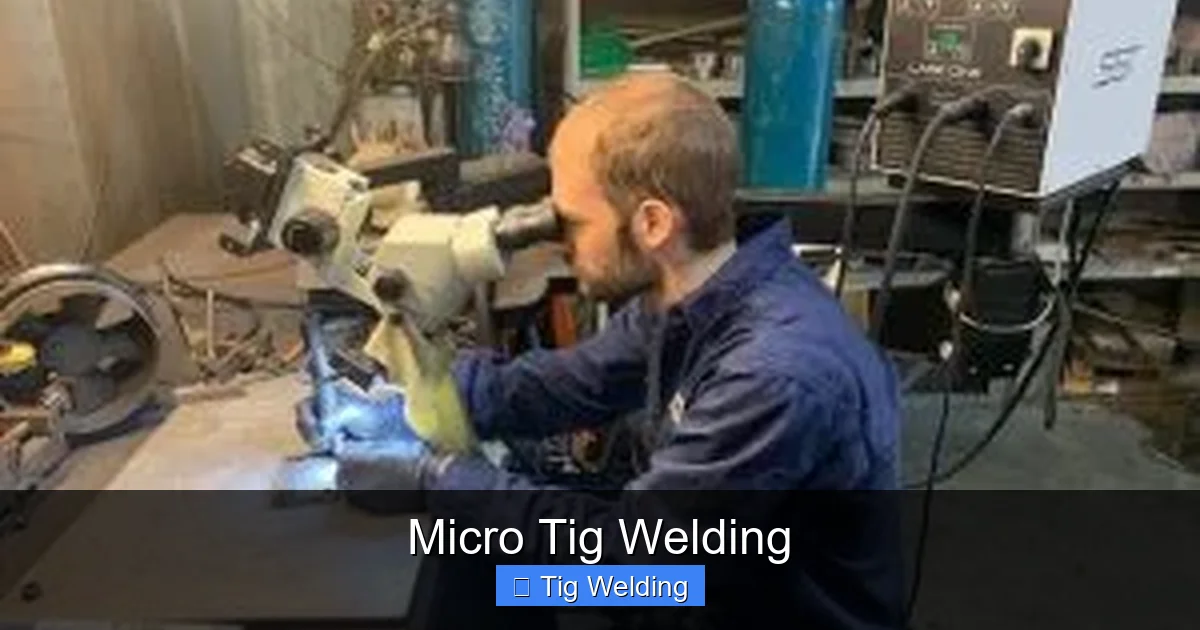
Micro TIG welding is a specialized form of tungsten inert gas welding that offers exceptional precision for small, intricate projects. Perfect for electronics, jewelry, and delicate metalwork, it provides clean, accurate welds with minimal heat impact, making it a favorite among hobbyists and professionals alike.
Key Takeaways
- Precision Welding: Micro TIG welding allows for highly accurate welds on small or delicate components.
- Suitable Materials: Ideal for thin metals like gold, silver, aluminum, and stainless steel.
- Minimal Heat Affected Zone: The process minimizes damage to surrounding materials, preserving component integrity.
- Specialized Equipment: Requires a micro TIG welder with fine control and small tungsten electrodes.
- Versatile Applications: Used in electronics, jewelry making, dental work, and miniature metal fabrication.
- Skill Level: While accessible, mastering micro TIG welding demands practice and steady hands.
Quick Answers to Common Questions
Question 1?
What is micro TIG welding?
Micro TIG welding is a precise welding technique that uses a tiny tungsten electrode and controlled arc to join small or delicate metal components with high accuracy.
Question 2?
What materials can be welded with micro TIG?
Micro TIG is suitable for thin metals like gold, silver, aluminum, stainless steel, and other delicate materials where precision is crucial.
Question 3?
Is micro TIG welding difficult to learn?
It has a steep learning curve and requires practice to master, especially in controlling heat and maintaining steady hand movements.
Question 4?
What equipment is needed for micro TIG welding?
A micro TIG power supply, small tungsten electrodes, a miniature torch, inert shielding gases, and magnification tools are essential for micro TIG welding.
Question 5?
What are common applications of micro TIG welding?
Common applications include jewelry making, electronics repair, dental devices, miniature art, and prototype fabrication.
📑 Table of Contents
Introduction to Micro TIG Welding
If you’ve ever worked on tiny jewelry pieces, delicate electronics, or miniature prototypes, you know how critical precision is. Traditional welding methods can be too bulky or heat-intensive for such detailed work. That’s where micro TIG welding shines. It’s a specialized technique that combines the precision of TIG welding with tiny, controlled welds perfect for small-scale projects.
Micro TIG welding is a subset of TIG (Tungsten Inert Gas) welding, designed for intricate applications. Unlike standard TIG welding, which can handle larger parts, micro TIG uses a smaller torch, fine tungsten electrodes, and precise control systems to create clean, detailed welds without damaging sensitive materials.
What is Micro TIG Welding?
Definition and Explanation
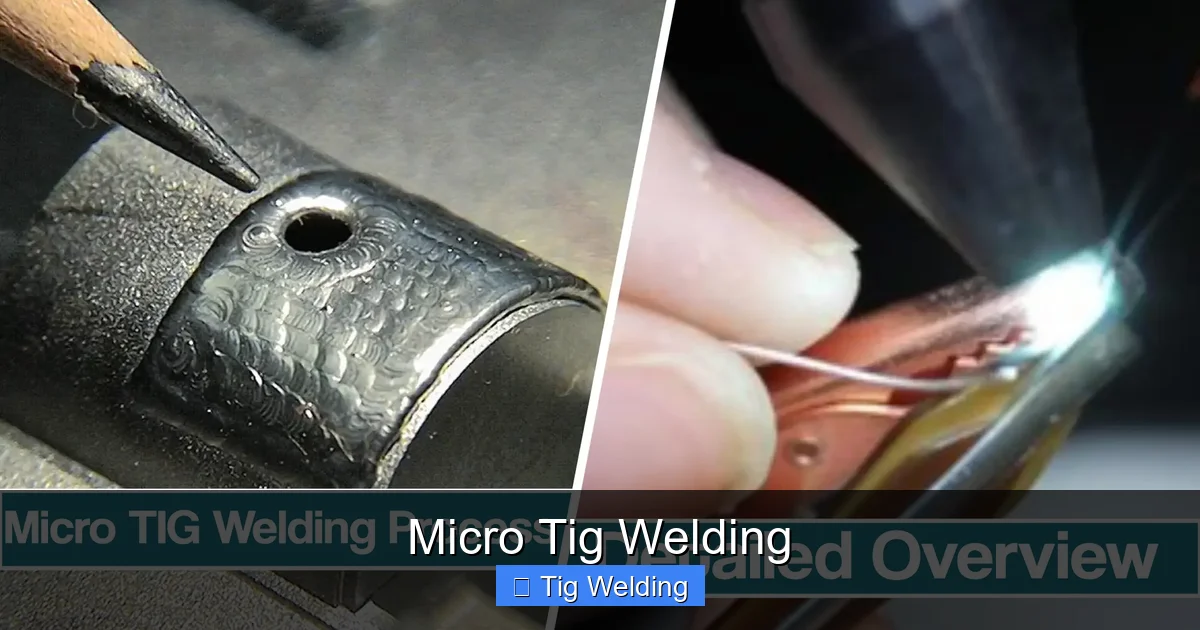
Micro TIG welding, also known as micro TIG or micro GTAW (Gas Tungsten Arc Welding), is a welding process that uses a small, focused electric arc to fuse tiny areas of metal. It employs a tungsten electrode held close to the workpiece, with inert gas (usually argon) shielding the weld zone. The “micro” aspect refers to the miniature scale of the equipment and welds, often involving electrodes less than 1 mm in diameter.
Visual guide about Micro Tig Welding
Image source: weldingpros.net
This process is highly precise, allowing welders to work on extremely small components with minimal heat input. The result is a strong, clean weld with a tiny heat-affected zone, which is crucial when working with delicate or heat-sensitive materials.
How Does Micro TIG Welding Differ from Standard TIG Welding?
Size and Equipment
Standard TIG welding uses larger torches and electrodes, suitable for thicker materials and larger joints. Micro TIG, on the other hand, employs miniature torches and electrodes, often less than 1 mm in diameter, for fine detail work.
Heat Control
Micro TIG offers superior control over heat input, reducing the risk of warping or damage. This makes it ideal for working on thin or fragile materials where excessive heat could cause distortion.
Applications
While standard TIG welding is common in construction and heavy fabrication, micro TIG is favored in electronics, jewelry, and dental industries, where precision is paramount.
Equipment Needed for Micro TIG Welding
Micro TIG Power Supply
A stable, adjustable power source capable of delivering low amperage (often as low as 1-20 amps) with precise control is essential. Some units come with pulse features to further refine heat input.
Miniature Torch and Electrode
The torch must be small and maneuverable. Tungsten electrodes usually range from 0.5 to 1 mm in diameter, with options like thoriated, lanthanated, or cerium electrodes based on material and application.
Shielding Gas and Delivery System
Inert gases like argon or helium are used to protect the weld pool. The gas flow must be carefully regulated to prevent contamination and ensure a clean weld.
Additional Accessories
Fine-tipped tungsten holders, foot pedals for control, and magnification tools like microscopes or loupes are often used for better precision.
Applications of Micro TIG Welding
Jewelry Making
Micro TIG is perfect for joining tiny pieces of gold, silver, or platinum. It allows jewelers to create seamless joins and intricate designs with minimal material loss.
Electronics and Circuit Boards
Micro TIG provides the precision needed to weld tiny electronic components without damaging sensitive parts or causing shorts.
Dental and Medical Devices
In the medical field, micro TIG is used to join small metal components in dental prosthetics and surgical tools, ensuring strength and biocompatibility.
Miniature Metal Art and Prototypes
Artists and engineers use micro TIG to build detailed models, prototypes, or artistic sculptures that require fine, clean welds.
Tips for Successful Micro TIG Welding
- Maintain a steady hand: Practice steady movements to avoid accidental overlaps or gaps.
- Use appropriate shielding gas: Ensure consistent gas flow to prevent oxidation and contamination.
- Adjust amperage carefully: Start with low settings and increase gradually as needed.
- Focus on cleanliness: Keep materials free from oils, dirt, and oxidation for the best welds.
- Utilize magnification: Use microscopes or loupes for better visibility of tiny weld zones.
- Practice on scrap: Before working on your actual project, test your settings on scrap pieces.
Advantages and Challenges of Micro TIG Welding
Advantages
- High precision: Ideal for delicate and intricate work.
- Minimal heat distortion: Small heat-affected zone preserves material integrity.
- Clean welds: Produces aesthetically pleasing, smooth joints without spatter.
- Versatile materials: Suitable for various metals, including precious metals and thin alloys.
Challenges
- Steep learning curve: Requires practice and skill to master.
- Specialized equipment: Micro TIG setups can be pricey and delicate.
- Limited thickness: Not suitable for heavy or thick materials.
- Time-consuming: Fine detail work can take longer than traditional welding.
Conclusion
Micro TIG welding is a game-changer for anyone needing precise, clean, and delicate welds. Whether you’re crafting jewelry, repairing electronics, or creating detailed prototypes, this technique offers unparalleled control and quality. While it requires skill and specialized equipment, the results are well worth the effort. With practice, micro TIG welding can become an invaluable tool in your craftsmanship arsenal, opening doors to intricate projects you might have thought impossible.
So, if precision matters in your work, explore micro TIG welding — it’s the perfect solution for delicate and detailed metalwork projects.
Frequently Asked Questions
What is the main advantage of micro TIG welding?
The primary advantage is its ability to produce highly precise, clean welds on tiny or delicate components, minimizing heat damage and distortion.
Can I do micro TIG welding at home?
Yes, with the right equipment and some practice, hobbyists can perform micro TIG welding at home, especially for jewelry or small repairs. However, proper safety precautions are essential.
What types of metals are best suited for micro TIG welding?
Thin and soft metals like gold, silver, aluminum, and stainless steel are ideal due to their ease of welding at small scales.
How do I improve my micro TIG welding skills?
Practice on scrap pieces, use magnification tools, start with low amperage, and gradually increase as you gain confidence and control over the process.
Is micro TIG welding expensive?
The initial investment in specialized equipment can be high, but for small-scale or precision work, the benefits often outweigh the costs.
What safety precautions should I take?
Always wear protective gear, work in a well-ventilated area, and handle electrodes and gases carefully to prevent injuries or accidents.
