

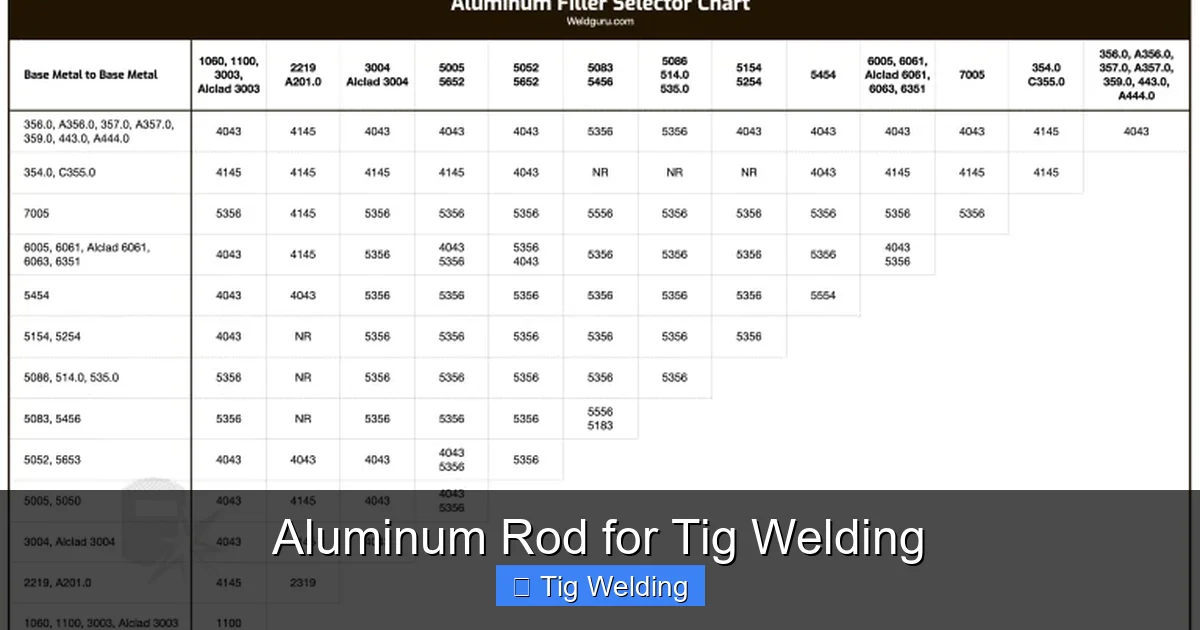
Aluminum rods for TIG welding are essential for creating strong, precise aluminum joints. Choosing the right rod ensures optimal weld quality and durability, making it a key component for both hobbyists and professionals.
Key Takeaways
- High-quality aluminum rods: Critical for achieving strong, clean welds in TIG welding.
- Types of aluminum welding rods: Different alloys suit various applications, from pure aluminum to alloyed options.
- Diameter considerations: Selecting the right diameter impacts weld control and penetration.
- Storage tips: Proper storage extends rod shelf life and prevents contamination.
- Welding techniques: Proper preparation and technique ensure optimal results with aluminum TIG rods.
- Common applications: Widely used in aerospace, automotive, and decorative projects.
Quick Answers to Common Questions
Question 1?
What is the best aluminum rod for TIG welding?
The best aluminum rod depends on your project, but ER4043 and ER5356 are the most commonly used for their versatility and properties.
Question 2?
How do I choose the right diameter of aluminum rod?
Choose a diameter based on your weld size and access. Smaller diameters (1/16 inch) are better for detailed work, while larger ones (1/8 inch) suit heavier applications.
Question 3?
Can I weld different aluminum alloys with the same filler rod?
It’s best to match the filler rod to your base metal’s alloy for optimal strength and corrosion resistance, but some common alloys can be mixed with compatible rods.
Question 4?
How should I store aluminum welding rods?
Store them in a dry, airtight container away from moisture and contaminants to prevent oxidation and maintain weld quality.
Question 5?
What are common mistakes when TIG welding aluminum?
Common mistakes include poor surface preparation, incorrect settings, and using incompatible filler rods. Proper prep and technique are key to good welds.
📑 Table of Contents
Introduction to Aluminum Rods for TIG Welding
If you’re into metalwork or manufacturing, you’ve probably heard about TIG welding. Known for its precision and clean results, TIG welding is perfect for working with aluminum. But to get those perfect welds, you need the right consumables — and aluminum rods are a big part of that. Choosing the right aluminum rod for TIG welding can make all the difference between a weak joint and a strong, seamless weld.
Aluminum is a favorite in many industries because of its lightweight, corrosion resistance, and strength. However, welding aluminum requires specific materials and techniques. The aluminum rod, also called filler rod, supplies the metal that fuses with the base material to form a solid joint. Picking the right type of rod depends on your project, the aluminum alloy, and your welding skills.
In this article, we’ll explore everything you need to know about aluminum rods for TIG welding — from types and specifications to tips for the best welding results. Whether you’re a beginner or a seasoned pro, this guide will help you make informed choices.
Understanding Aluminum Rods for TIG Welding
What Are Aluminum Welding Rods?
Aluminum welding rods are consumable filler materials used in TIG welding to add material to the joint. They are made from aluminum alloys that match or complement the base metal. The rods melt during welding, blending seamlessly with the base metal to create a strong, corrosion-resistant joint.
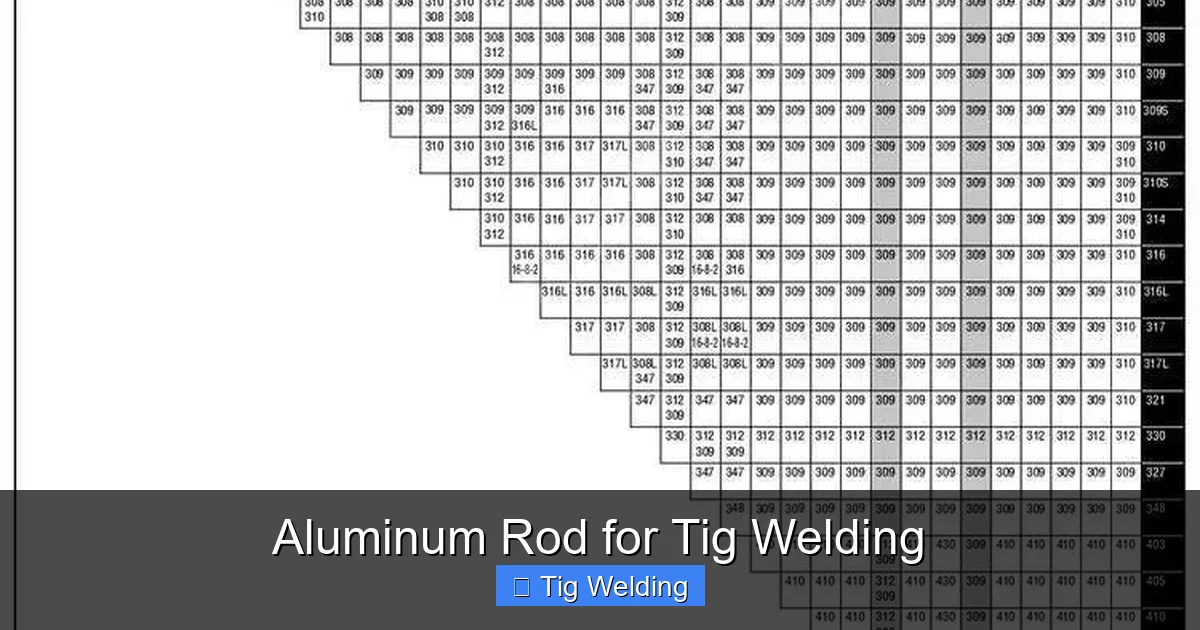
Visual guide about Aluminum Rod for Tig Welding
Image source: materialwelding.com
Unlike MIG welding, where the wire continuously feeds, TIG welding uses a separate filler rod manually fed into the weld pool. This allows for greater control and precision, especially in delicate or detailed projects.
Why Use Aluminum Rods in TIG Welding?
When welding aluminum, using the correct filler rod ensures good weld integrity and appearance. Aluminum rods are designed to match the properties of aluminum alloys, which have specific melting points and behaviors. Proper rod selection prevents issues like cracking, porosity, or weak joints.
Additionally, aluminum rods help maintain the overall strength and corrosion resistance of the welded piece. They are available in various alloys to suit different applications, from decorative art to structural components.
Types of Aluminum Rods for TIG Welding
Pure Aluminum (ER1100)
Pure aluminum rods, like ER1100, are made from 99% aluminum. They are soft, highly malleable, and excellent for welding pure aluminum and aluminum alloys with similar compositions. These rods are ideal for applications where electrical conductivity or corrosion resistance is critical.
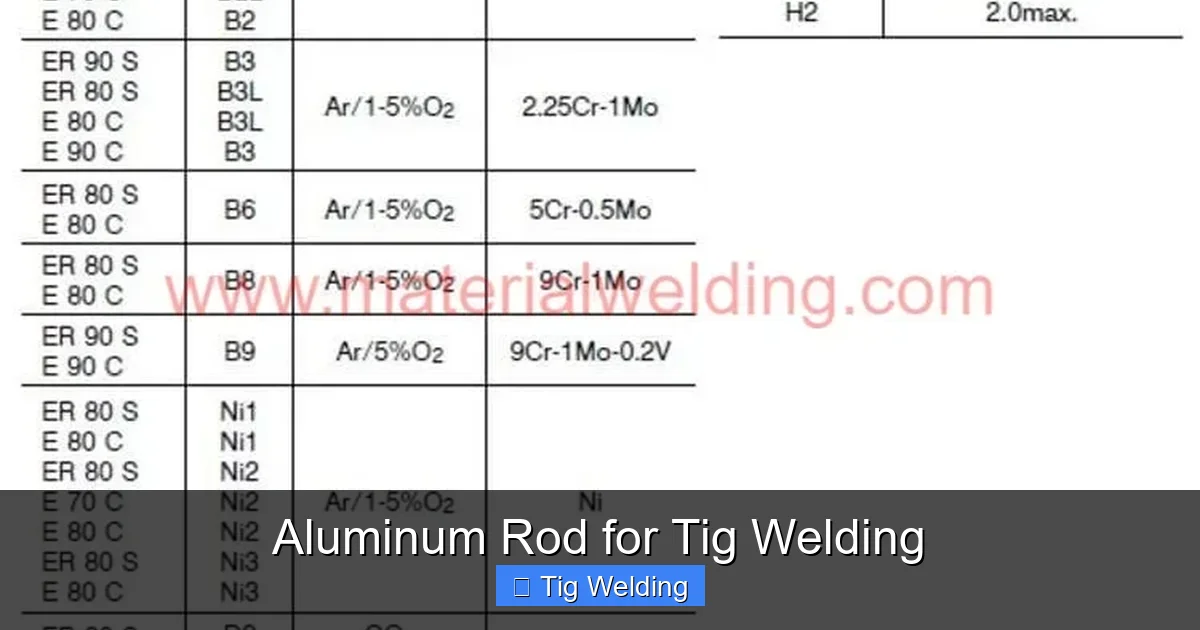
Visual guide about Aluminum Rod for Tig Welding
Image source: materialwelding.com
Typical uses include electrical conductors, decorative items, and thin-walled aluminum components.
Aluminum Alloys (ER4043 and ER5356)
- ER4043: An aluminum-silicon alloy, known for its excellent wetting action and smooth welds. It’s widely used for welding cast and rolled aluminum, especially in automotive and structural applications. It has good corrosion resistance but slightly lower strength than ER5356.
- ER5356: An aluminum-magnesium alloy, valued for its higher strength and better corrosion resistance compared to ER4043. It’s commonly used in structural welds, marine environments, and applications requiring higher mechanical properties.
Choosing the Right Alloy
The choice between ER4043 and ER5356 depends on your project needs. ER4043 offers easier welding and a better appearance, while ER5356 provides higher strength and durability. Always match the filler rod to your base metal’s alloy for the best results.
Factors to Consider When Choosing an Aluminum Rod for TIG Welding
Material Compatibility
Ensure the filler rod alloy matches your base aluminum. For pure aluminum, use ER1100; for 6000-series alloys, ER4043 is suitable; and for 5000-series, ER5356 is often preferred.
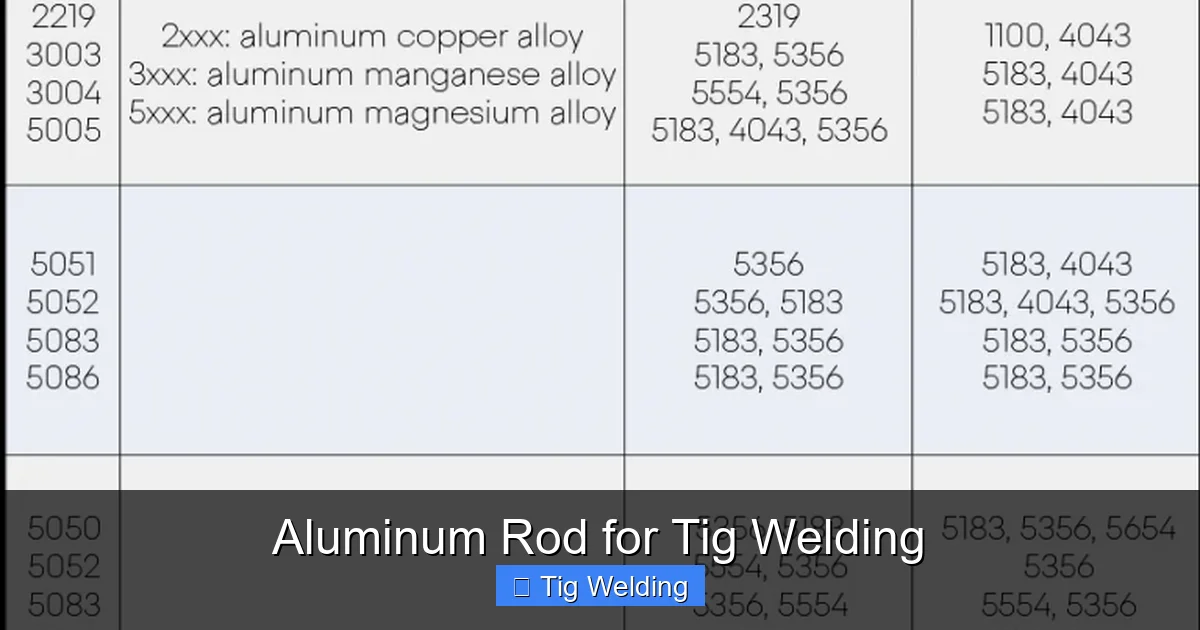
Visual guide about Aluminum Rod for Tig Welding
Image source: vietmfg.com
Rod Diameter
Rod diameter typically varies from 1/16 inch (1.6 mm) to 1/8 inch (3.2 mm). Thinner rods offer better control for delicate work, while thicker rods provide higher filler material for heavy-duty welding.
Welding Position and Access
Consider the ease of feeding the rod in different positions. Smaller diameters are better for tight spots, while larger ones are suitable for flat or horizontal welds.
Storage and Shelf Life
Keep aluminum rods in a dry, airtight container to prevent oxidation. Proper storage extends their shelf life and maintains weld quality.
Practical Tips for Welding Aluminum with TIG
Preparation is Key
Thoroughly clean the aluminum surface to remove oil, dirt, and oxide layers. Use a dedicated stainless steel wire brush or chemical cleaner. Cleanliness is crucial for strong welds.
Set Appropriate Welding Parameters
Maintain a consistent arc length, set the right amperage, and use the appropriate filler rod. Usually, 100-200 amps are suitable for most aluminum TIG welding tasks.
Control Heat Input
Aluminum is sensitive to heat distortion. Use proper heat settings to prevent warping or burn-through. Preheating can help in thicker sections.
Technique and Speed
Keep a steady hand, move at a consistent pace, and maintain a smooth arc. Use short, controlled welds to avoid excess heat buildup.
Cooling and Post-Weld Care
Allow welded parts to cool gradually. Inspect welds for porosity, cracks, or weak spots. Clean the weld area to remove any oxidation.
Applications of Aluminum TIG Welding Rods
- Aerospace: Precision parts requiring strong, lightweight joints
- Automotive: Repairing aluminum engine parts, rims, and chassis
- Marine: Building or repairing boat hulls and marine equipment
- Art and Decoration: Creating intricate aluminum sculptures and jewelry
- Structural: Aluminum frameworks, supports, and architectural features
Choosing the right aluminum rod for TIG welding depends on your specific application, alloy compatibility, and desired weld qualities. With proper selection and technique, you can achieve professional-quality results.
Conclusion
In summary, the aluminum rod for TIG welding is a vital component for producing high-quality aluminum welds. Understanding the different types, alloys, and factors influencing your choice helps you optimize your welding process. Remember to prioritize cleanliness, proper settings, and technique for the best results. Whether you’re doing repairs, fabrication, or artistic work, selecting the right filler rod ensures your project’s success and longevity.
Investing in good-quality aluminum rods and practicing proper welding techniques will elevate your skills and the quality of your work. So next time you pick up your TIG torch, make sure your filler material is up to the task. Happy welding!
Frequently Asked Questions
What is the main difference between pure aluminum and alloyed rods?
Pure aluminum rods (like ER1100) are soft and highly conductive, ideal for electrical or decorative purposes. Alloyed rods, such as ER4043 and ER5356, offer enhanced strength, corrosion resistance, and better weldability for structural applications.
Can I use the same aluminum rod for all TIG welding projects?
No, it’s best to select a filler rod that matches your base material’s alloy and the specific requirements of your project. Different alloys have different melting points and mechanical properties.
What welding parameters should I set for aluminum TIG welding?
Typically, set your amperage based on the rod diameter and thickness—around 100-200 amps. Use a steady arc, keep the torch at a consistent distance, and preheat thicker sections if necessary.
Is it necessary to clean aluminum before welding?
Yes, cleaning is crucial. Remove oxide layers, oil, and dirt with a stainless steel brush or chemical cleaner to ensure strong, clean welds with minimal porosity.
What safety precautions should I follow when TIG welding aluminum?
Always wear appropriate protective gear, including a welding helmet, gloves, and protective clothing. Ensure proper ventilation and avoid inhaling fumes or exposure to UV radiation from the arc.
How does the choice of filler rod affect weld appearance?
The right filler rod, especially ER4043, produces smooth, clean welds with minimal oxidation. Proper technique and clean surfaces also contribute to a professional-looking weld.
