

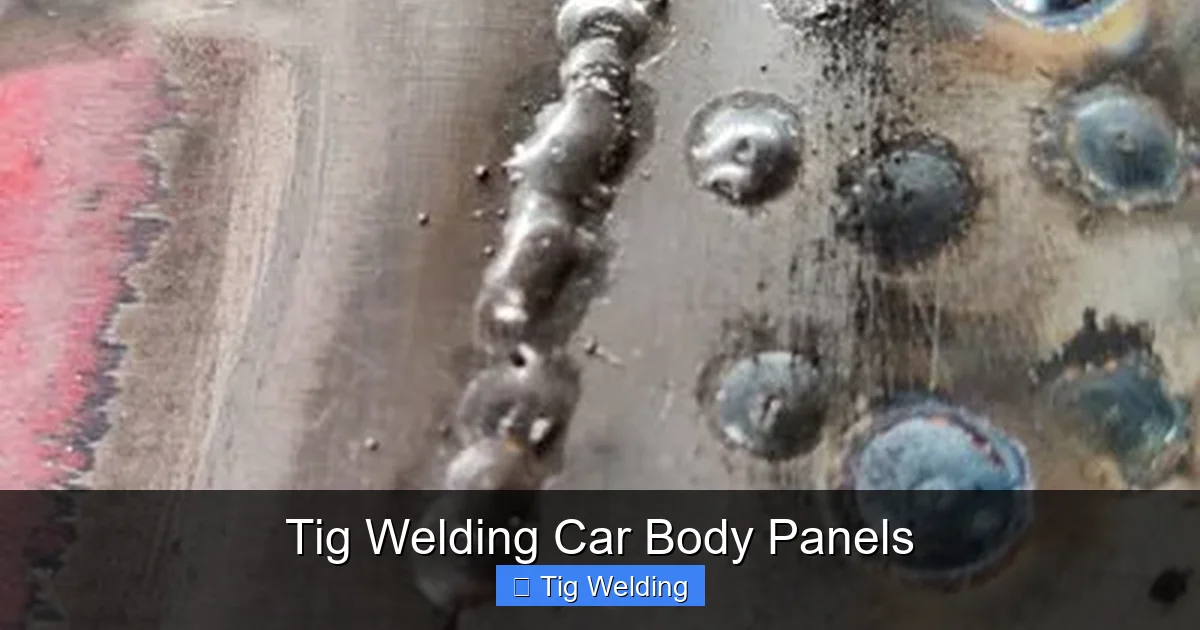
Tig welding car body panels is a precise and versatile method for auto repair enthusiasts and professionals alike. It allows for clean, strong welds that are perfect for restoring or customizing vehicle bodies, ensuring durability and a seamless finish.
Key Takeaways
- Precision is key: Tig welding offers excellent control, making it ideal for delicate auto body work.
- Clean welds: This method produces smooth, aesthetically pleasing welds suitable for visible panels.
- Suitable materials: Tig welding works best on thin sheet metals like aluminum and steel used in car bodies.
- Proper preparation: Clean, degrease, and fit panels accurately to ensure quality welds.
- Skill level needed: While beginner-friendly, mastering tig welding requires practice for professional results.
- Safety matters: Always use appropriate safety gear and proper ventilation during welding.
Quick Answers to Common Questions
Question 1?
Can I tig weld aluminum car panels?
Yes, tig welding is excellent for aluminum, especially thin panels, because it offers precise control and produces clean welds.
Question 2?
What safety gear do I need for tig welding car panels?
Always wear a welding helmet, gloves, protective clothing, and ensure proper ventilation to stay safe during tig welding.
Question 3?
Is tig welding suitable for beginners working on car bodies?
Yes, with proper training and practice, tig welding can be learned by beginners, though mastering it takes time.
Question 4?
What thickness of metal is ideal for tig welding car panels?
Thin sheets, typically 18-22 gauge (1.2-0.8 mm), are ideal for tig welding due to its precision and control.
Question 5?
How do I prevent warping when tig welding car panels?
Use lower amperage, intermittent welding techniques, and ensure panels are properly clamped and cooled gradually.
📑 Table of Contents
- Introduction to Tig Welding Car Body Panels
- Why Choose Tig Welding for Car Body Panels?
- Tools and Equipment Needed for Tig Welding Car Body Panels
- Steps to Successfully Tig Weld Car Body Panels
- Tips for Perfect Tig Welding Car Body Panels
- Common Challenges and How to Overcome Them
- Conclusion: Mastering Tig Welding for Car Body Panels
Introduction to Tig Welding Car Body Panels
If you’re into auto restoration or bodywork, you’ve probably heard about tig welding. The term “TIG” stands for Tungsten Inert Gas, a welding process that uses a non-consumable tungsten electrode to produce precise welds. When it comes to car body panels, tig welding is often the go-to method due to its ability to create clean, strong, and visually appealing welds.
Whether you’re repairing rusted panels, customizing your vehicle, or restoring an old classic, understanding how to tig weld car body panels can make a big difference. Unlike other welding methods, tig welding offers excellent control, which is essential for working with thin sheet metal commonly found in cars. Plus, its neat finish makes it ideal for visible areas where aesthetics matter.
Why Choose Tig Welding for Car Body Panels?
Precision and Control
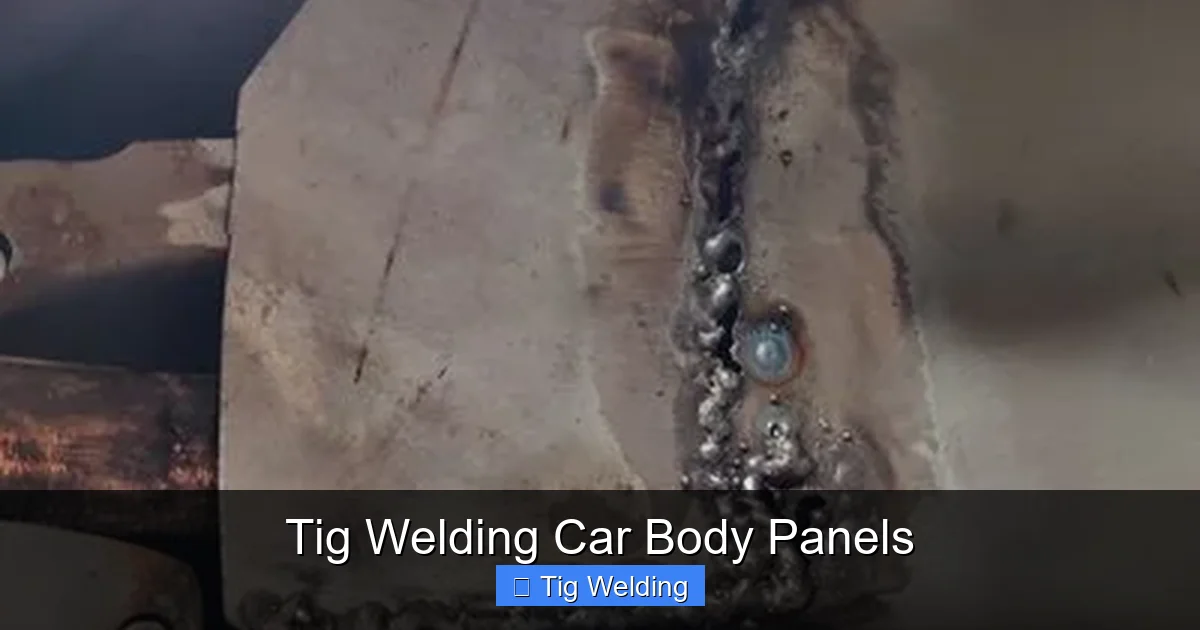
Tig welding provides unmatched control over heat input and weld puddle size. This precision minimizes warping and burn-through on thin panels, helping you achieve a professional look. It’s especially useful when working on delicate parts like door skins, quarter panels, or custom panels.
Visual guide about Tig Welding Car Body Panels
Image source: mig-welding.co.uk
Clean and Aesthetic Finish
The process produces smooth, neat welds with minimal spatter. For auto body work, this means less grinding and finishing, saving time and preserving the integrity of the panels. Plus, the high-quality welds can be painted or coated over directly.
Versatility with Materials
Tig welding excels on various metals like aluminum, stainless steel, and mild steel—common materials in car bodies. Aluminum, in particular, benefits from tig welding because of its thinness and heat sensitivity.
Tools and Equipment Needed for Tig Welding Car Body Panels
Basic Tig Welding Setup
- TIG Welder: A machine capable of delivering steady DC or AC current, depending on the material.
- Tungsten Electrodes: Choose the right type (thoriated, lanthanated, or cerium) for your material.
- Shielding Gas: Typically argon or a mix of argon and helium to protect the weld area.
- Filler Rods: Thin filler wires matching your metal type, such as aluminum or steel rods.
- Protective Gear: Welding helmet, gloves, apron, and eye protection for safety.
Additional Accessories
- Clamps and Fixtures: To hold panels steady during welding.
- Grinders and Files: For preparing and finishing welds.
- Cleaning Supplies: Degreasers, wire brushes, and solvents to ensure clean metal surfaces.
Steps to Successfully Tig Weld Car Body Panels
1. Preparation is Crucial
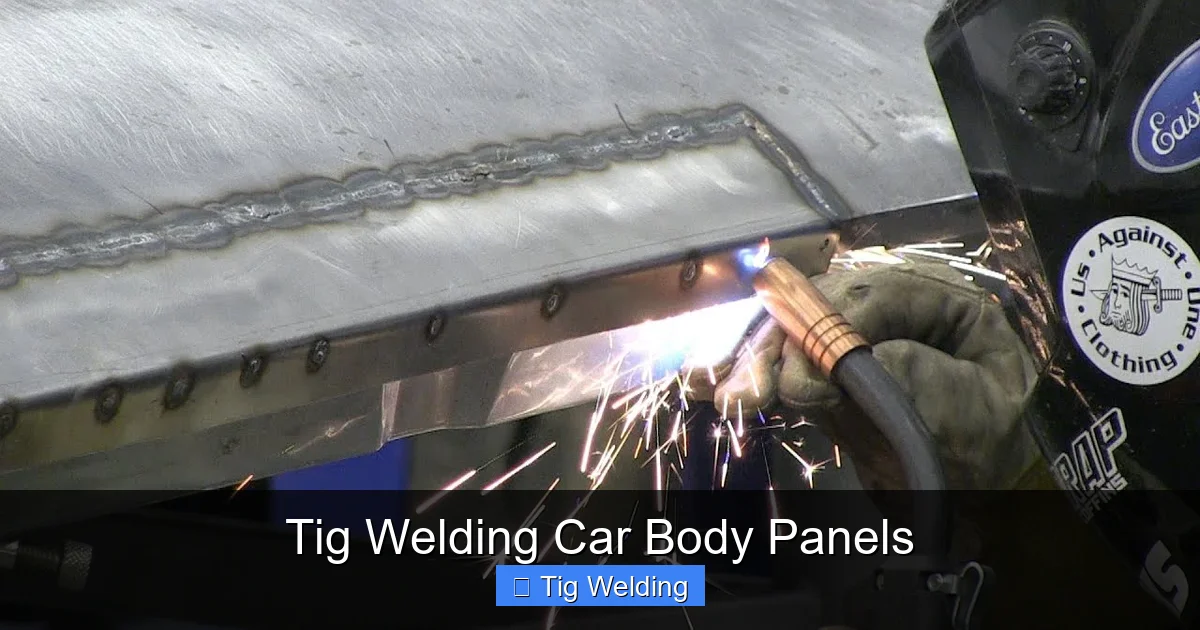
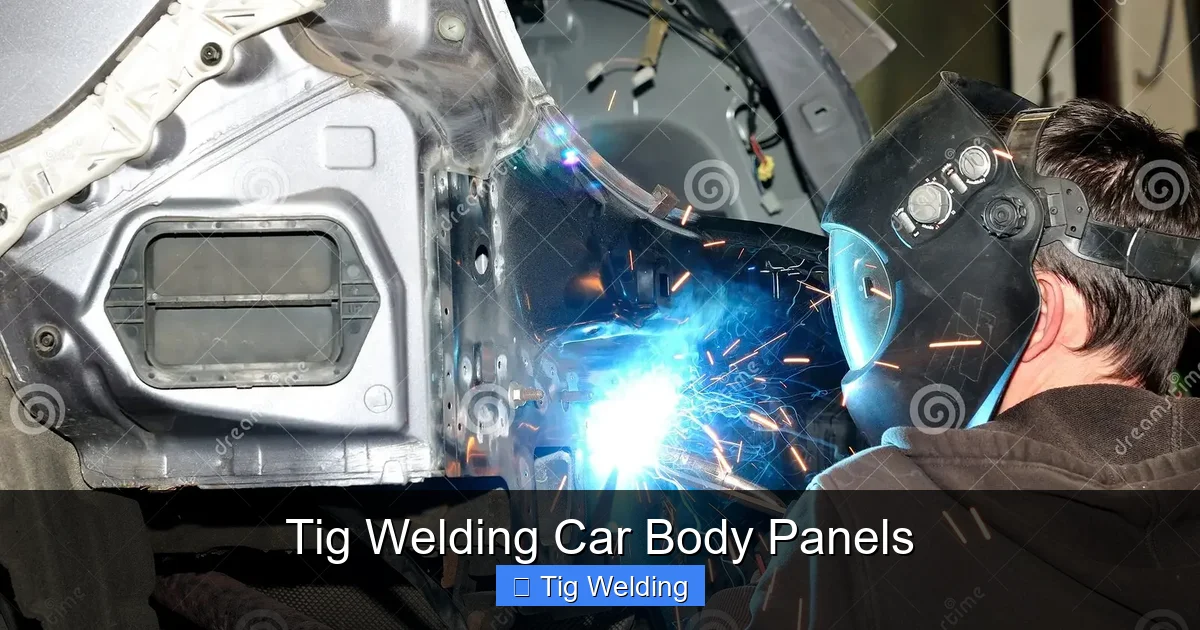
Clean all panels thoroughly to remove dirt, grease, and rust. Use a wire brush or grinder to remove paint and oxidation. Proper preparation prevents contamination that can weaken welds.
Visual guide about Tig Welding Car Body Panels
Image source: i.ytimg.com
Visual guide about Tig Welding Car Body Panels
Image source: thumbs.dreamstime.com
2. Fit and Clamp Panels
Ensure panels are aligned correctly and clamped tightly. Gaps should be minimal; if needed, use filler strips for larger gaps. Secure fixtures prevent movement during welding, improving weld quality.
3. Set Up Your Tig Welder
Adjust the amperage based on material thickness—generally, 50-150 amps for auto body panels. Use a smooth, steady pedal or torch movement to control heat input, preventing warping.
4. Welding Technique
Hold the torch at a 70-80 degree angle, with a steady hand. Start with a small tack weld at key points to hold panels in place. Then, proceed with slow, deliberate welds, overlapping small beads to build a strong, clean joint.
5. Finishing Touches
Allow welds to cool naturally. Use a grinder or sanding tools to smooth out weld beads. For visible panels, apply body filler and sanding for a seamless finish before painting.
Tips for Perfect Tig Welding Car Body Panels
- Practice on scrap metal: Before working on your panels, hone your technique on scrap pieces.
- Maintain consistent travel speed: Steady movement prevents uneven welds and excessive heat.
- Use the right filler rod: Match your filler material to the base metal for optimal weld strength and appearance.
- Control heat input: Too much heat causes warping; too little results in weak welds.
- Stay comfortable and steady: Good posture and a stable hand improve weld quality.
Common Challenges and How to Overcome Them
Warping and Distortion
Use lower amperage, intermittent welding, and proper clamping to minimize heat buildup. Allow panels to cool between welds.
Porosity and Contamination
Ensure surfaces are clean and free of oil or rust. Use proper shielding gas flow and check for leaks in your setup.
Inconsistent Welds
Practice steady torch movement and maintain consistent arc length. Use a foot pedal or torch control for better heat management.
Conclusion: Mastering Tig Welding for Car Body Panels
While tig welding car body panels requires patience and practice, the results are worth it. The ability to produce clean, precise welds makes it an ideal choice for auto body repair, restoration, and customization. Remember, preparation, proper technique, and safety are key to achieving professional results. With time, you’ll be able to weld panels confidently, creating a durable and visually stunning finish that stands the test of time.
Happy welding!
Frequently Asked Questions
What is the best type of tungsten electrode for tig welding car panels?
Thoriated, lanthanated, or cerium electrodes are commonly used. For aluminum, an AC-compatible tungsten like thoriated or lanthanated is recommended.
Can I weld different metals in the same panel?
Welding different metals together is challenging and not recommended for auto panels, as it can weaken the weld. Use compatible materials for best results.
How long does it take to learn tig welding for car panels?
It varies, but with consistent practice, most beginners can produce decent welds within a few months. Mastery takes longer and depends on dedication.
Do I need a special type of filler rod for auto body work?
Yes, use filler rods designed for the specific metal you’re welding, such as aluminum filler rods for aluminum panels and steel rods for steel panels.
Is tig welding better than MIG for auto body panels?
Both have advantages, but tig welding offers more control and cleaner welds, making it preferable for delicate or visible panels.
Can I weld through paint or rust?
No, surfaces should be thoroughly cleaned and free of paint, rust, or grease to ensure strong, clean welds.
