

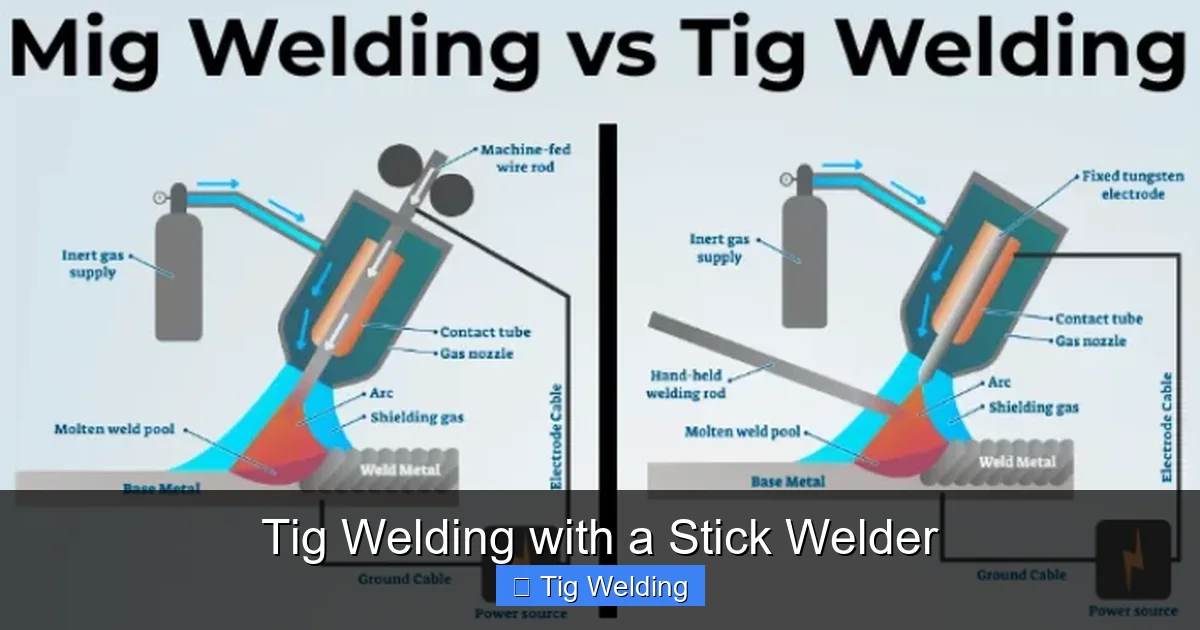
Welding with a stick welder for TIG applications is an unconventional but achievable method. While it requires some adaptation, understanding the process can help you expand your welding versatility and tackle unique projects with confidence.
Key Takeaways
- Understanding Equipment: Using a stick welder for TIG welding involves modifications and specific techniques to manage different equipment capabilities.
- Electrode Selection: Choosing the right electrode, typically a TIG-specific tungsten, is crucial for successful welding.
- Proper Setup: Adjusting amperage and shielding gas flow is essential for quality welds when using a stick welder for TIG.
- Technique Adaptation: Maintaining the correct torch angle and travel speed helps produce cleaner, stronger welds.
- Limitations and Benefits: While not ideal for all applications, this method offers a cost-effective way to perform TIG-like welds with existing equipment.
- Safety First: Always wear appropriate PPE and ensure proper ventilation when welding, regardless of the method.
Quick Answers to Common Questions
Question 1?
Can I use my stick welder for TIG welding? Yes, with modifications and proper technique, you can perform TIG-like welding using a stick welder.
Question 2?
What equipment do I need to do TIG welding with a stick welder? Besides your stick welder, you’ll need a tungsten electrode, a gas supply (argon), a suitable torch or holder, and safety gear.
Question 3?
Is this method suitable for welding thick metals? No, it’s best for thin materials and small, precise welds. For thick metals, dedicated TIG or MIG welders are better.
Question 4?
What are the main challenges of welding with a stick welder for TIG? Controlling the arc, maintaining gas coverage, and adapting equipment are some of the main challenges.
Question 5?
Is the weld quality comparable to traditional TIG welding? While it can produce decent welds, it generally won’t match the cleanliness and precision of a dedicated TIG machine.
📑 Table of Contents
Introduction
If you’re a welder, you probably know that TIG (Tungsten Inert Gas) welding is renowned for its precision and clean welds. But what if you don’t have a dedicated TIG welder? Can you still achieve quality TIG-like welds using a stick welder? The answer is yes, with some creativity, patience, and understanding of the techniques involved.
Many hobbyists and professionals find themselves in situations where their equipment options are limited. Whether you’re working on a tight budget or just experimenting on a project, knowing how to do TIG welding with a stick welder can open new doors. This article will guide you through the process, equipment considerations, tips, and tricks to help you succeed with this unconventional method.
Understanding the Basics: Why Use a Stick Welder for TIG?
What Is a Stick Welder?
A stick welder, also known as shielded metal arc welding (SMAW), uses a consumable electrode coated in flux. It’s a versatile, portable welding method suitable for many applications, especially outdoors or in rough environments.
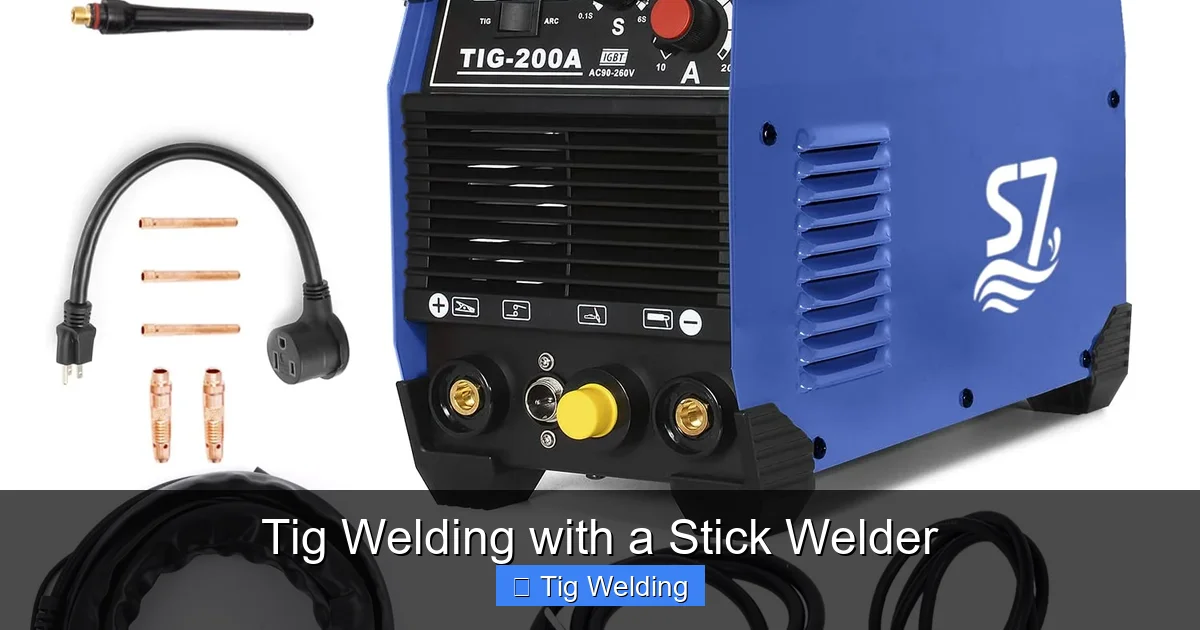
Visual guide about Tig Welding with a Stick Welder
Image source: m.media-amazon.com
What Makes TIG Welding Different?
TIG welding uses a non-consumable tungsten electrode and inert shielding gases like argon. It provides precise control, minimal splatter, and high-quality welds. Traditional TIG welders are specialized machines with specific controls for current, gas flow, and electrode position.
Why Combine the Two?
Using a stick welder for TIG welding might seem counterintuitive, but it can be useful for those who already own a stick machine and want to experiment or perform light TIG-like welds. It’s also a way to understand the fundamentals of arc control and shielding in a different context.
Equipment Modifications and Setup
Choosing the Right Electrode
Since a stick welder is designed for coated electrodes, using a specialized tungsten electrode for TIG is challenging. However, you can use a small, high-quality tungsten rod—like 2% thoriated or ceriated—secured in a regular electrode holder. The key is to keep the tungsten sharp and properly grounded.
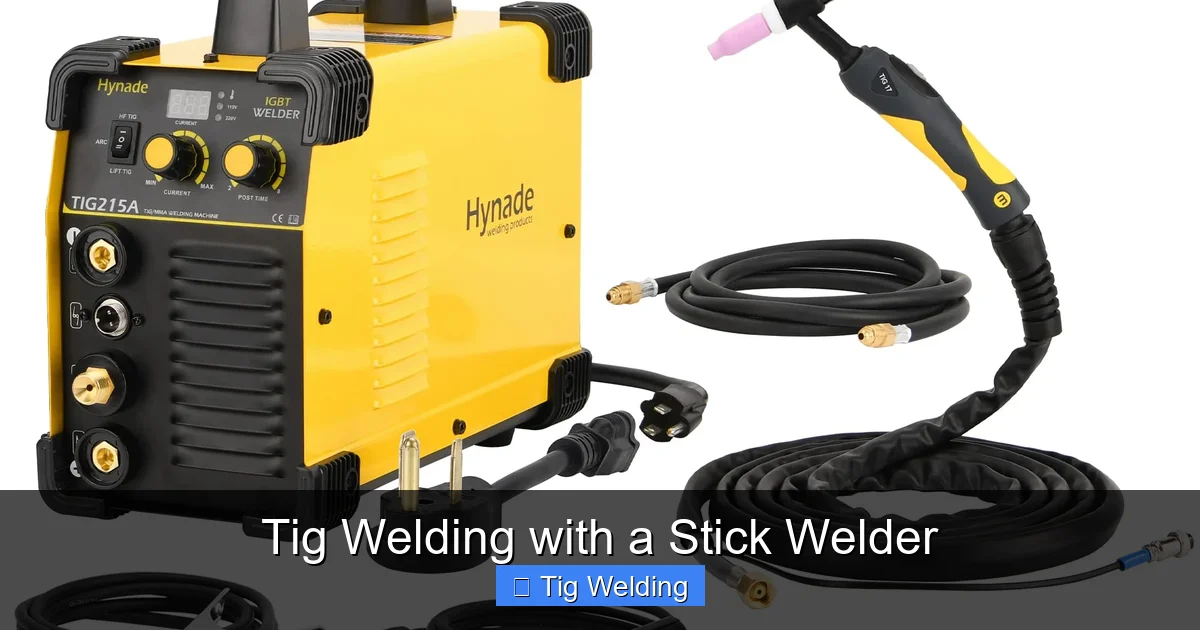
Visual guide about Tig Welding with a Stick Welder
Image source: m.media-amazon.com
Adjusting the Power Source
Set your stick welder to a low to medium amperage, depending on the material thickness. For thin metals, start around 50-80 amps. Use the lowest setting that produces a stable arc without excessive spatter.
Shielding Gas Considerations
Since stick welders don’t have built-in gas controls, you’ll need to shield the weld area with a separate inert gas source, like a small argon cylinder with a hose and regulator. Maintaining a steady flow (around 15-20 CFH) is crucial for clean TIG-like welds.
Electrode Holder and Torch Setup
Replace or modify your electrode holder to securely hold a tungsten rod. Use a dedicated TIG torch or a modified stick electrode holder to guide the tungsten. Maintain a steady hand and a consistent angle, usually around 75-80 degrees.
Techniques for Welding with a Stick Welder as a TIG
Striking an Arc
Use a gentle scratch or tap to strike the arc on the workpiece, similar to TIG. Keep the tungsten close but not touching the metal, about 1/8 inch away, to avoid contamination.
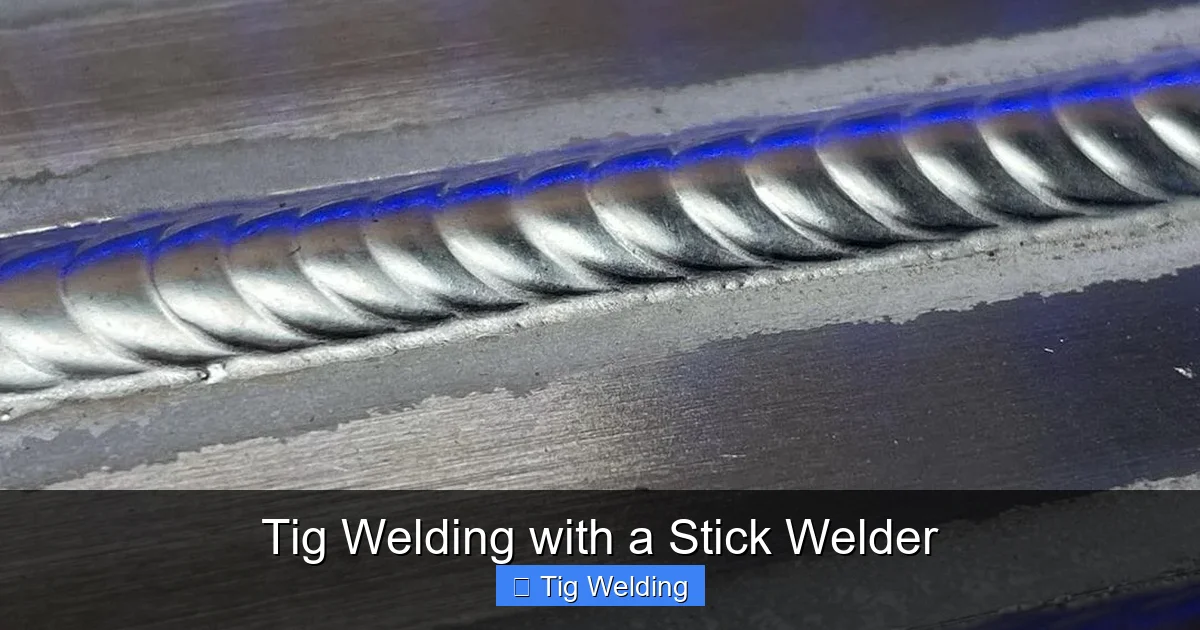
Visual guide about Tig Welding with a Stick Welder
Image source: yeswelder.com
Controlling the Arc and Heat
Maintain a steady arc length to ensure consistent heat and weld quality. Too long an arc causes spatter, while too short may cause sticking or tungsten contamination.
Travel Speed and Filler Metal
Use a slow, controlled travel speed for precision. For filler, feed a small rod of similar material into the weld pool, just like in TIG welding. Keep the filler rod within the gas shielded area for clean deposits.
Maintaining Gas Coverage
Ensure the inert gas flows smoothly to prevent oxidation and porosity. Use a dedicated gas nozzle or a modified torch setup for better coverage.
Practical Examples and Tips
- Thin Metal Welding: Perfect for small, delicate welds on thin sheets, such as automotive panels or art projects.
- Repair Work: Use this method to weld on materials where clean, precise welds are needed without the bulk of a traditional stick weld.
- Practice Makes Perfect: Start with scrap pieces to get a feel for controlling the arc and maintaining gas coverage.
- Safety: Always wear proper PPE—gloves, helmet, and protective clothing—and ensure good ventilation, especially when introducing external shielding gases.
Limitations and When to Use This Method
While welding with a stick welder for TIG applications offers flexibility, it has limitations. The process requires more setup and skill, and the weld quality may not match that of a dedicated TIG machine. It’s best suited for light, detail-oriented work, repairs, or experimental projects rather than heavy industrial applications.
Conclusion
Welding with a stick welder for TIG purposes is an innovative way to make the most of your existing equipment. While it’s not a perfect substitute for a dedicated TIG welder, it allows for precision welding on thin materials and small projects. With patience, practice, and some modifications, you can achieve clean, strong welds that rival traditional TIG results. Remember, safety always comes first—protect yourself and your workspace, and enjoy the process of expanding your welding skills!
Frequently Asked Questions
Can I use my existing stick electrode holder for TIG welding?
Yes, but you may need to modify or replace it to securely hold a tungsten electrode. A dedicated TIG torch provides better control and gas coverage.
Do I need special gas for TIG welding with a stick welder?
Yes, a supply of inert gas like argon is essential to shield the weld area from oxidation. You’ll need a regulator and a way to direct the gas over the weld zone.
What material thickness is suitable for this method?
This method works best on thin materials, typically 16 gauge or thinner. Thicker metals are better welded with dedicated TIG or MIG equipment.
Is this process safe?
Safety is always important. Wear proper PPE, ensure good ventilation, and handle gases carefully. The process can produce intense heat and UV radiation.
Can I perform color-sensitive or artistic welding with this method?
Yes, the precision and control offered can be suitable for artistic projects or decorative welding, provided you practice and control the arc well.
What are the main benefits of welding with a stick welder for TIG?
It’s a cost-effective way to perform TIG-like welds without investing in a dedicated TIG machine. It also offers portability and versatility for small or delicate projects.
