

Perfect TIG welding is all about precision, control, and technique. With the right equipment and proper technique, you can produce clean, strong welds suitable for a variety of metals and projects. Whether you’re a beginner or experienced welder, mastering TIG welding ensures professional-quality results.
Key Takeaways
- Consistent Technique: Maintaining steady hand movements is crucial for clean, uniform welds.
- Proper Equipment: Using the right TIG torch, filler rods, and shielding gas significantly impacts weld quality.
- Correct Settings: Adjusting amperage, polarity, and gas flow ensures optimal welding conditions.
- Preparation Matters: Clean, well-prepared metal surfaces lead to better welds and fewer defects.
- Safety First: Wearing appropriate protective gear and working in a safe environment is essential.
- Practice Makes Perfect: Regular practice helps develop steady hand control and a good welding rhythm.
Quick Answers to Common Questions
Question 1?
What is the key to achieving perfect TIG welds?
The key is maintaining a steady hand, proper equipment settings, and thorough preparation of the materials.
Question 2?
What type of tungsten electrode is best for TIG welding?
It depends on the metal, but 2% thoriated or lanthanated electrodes are common for most applications due to their durability and performance.
Question 3?
Why is cleanliness important in TIG welding?
Clean surfaces prevent porosity and contamination, resulting in stronger, cleaner welds.
Question 4?
Can TIG welding be used on thin metals?
Yes, TIG welding is ideal for thin metals because of its precise control over heat input and bead formation.
Question 5?
What safety equipment should I use when TIG welding?
Always wear a welding helmet, gloves, protective clothing, and ensure proper ventilation to stay safe from fumes and UV radiation.
📑 Table of Contents
Introduction
If you’ve ever tried welding, you know it’s both an art and a science. Among the various welding techniques, TIG welding (Tungsten Inert Gas welding) stands out for its precision and clean results. Achieving perfect TIG welding isn’t just about having fancy equipment—it’s about knowing how to use it correctly, understanding the process, and practicing consistently.
Whether you’re working on delicate jewelry, automotive parts, or heavy-duty structures, mastering TIG welding allows you to produce high-quality, durable welds. In this article, we’ll explore everything you need to know to achieve perfect TIG welds, from the right tools and settings to tips and troubleshooting. Let’s dive in!
Understanding TIG Welding Basics
What is TIG Welding?
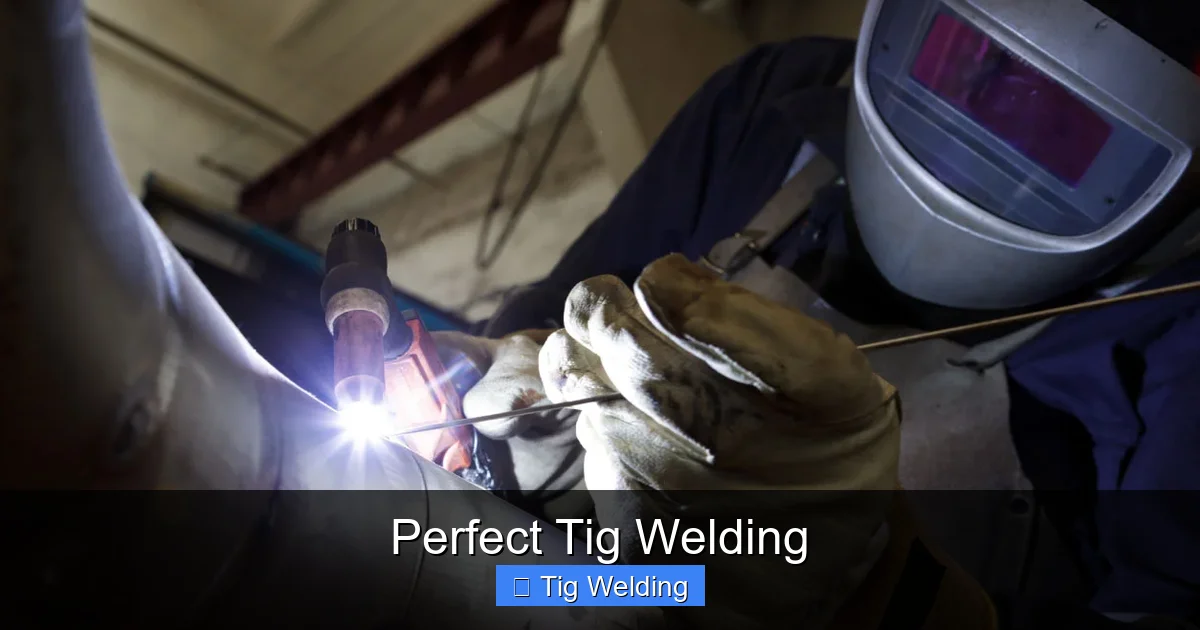
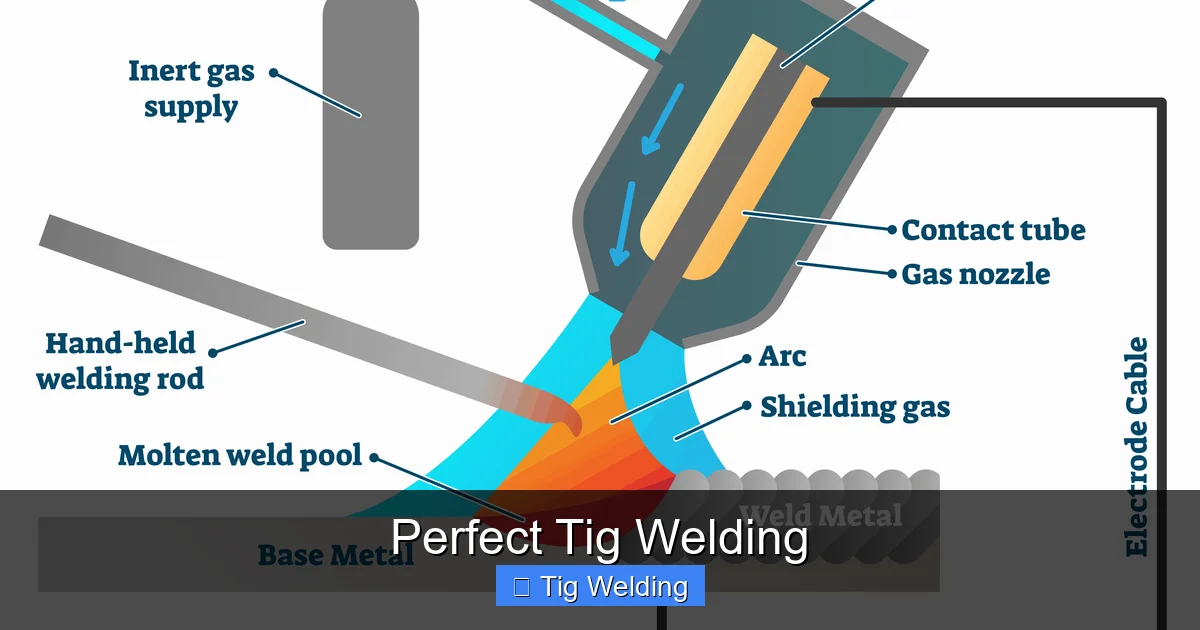
TIG welding uses a non-consumable tungsten electrode to create an arc that melts the base metal. Filler rod can be added manually for build-up or joining thicker materials. The process is shielded by an inert gas, usually argon, which protects the weld from contamination.
Visual guide about Perfect Tig Welding
Image source: pipemasters.pt
This method is highly valued for producing clean, precise welds with minimal spatter. It’s suitable for welding thin materials, exotic metals like titanium, and applications requiring high aesthetic quality.
Why Choose TIG Welding?
- Precision: Ideal for detailed work and thin materials.
- Clean Results: Minimal splatter and post-weld cleanup.
- Versatility: Works on various metals including steel, aluminum, stainless steel, and more.
- Control: Offers excellent control over heat input and weld bead formation.
Essential Equipment for Perfect TIG Welding
Welding Machine
A good TIG welder should have adjustable amperage, polarity, and a steady current. For beginners, a machine with pulse control and high-frequency start is recommended. Advanced welders benefit from digital controls for precise adjustments.
Visual guide about Perfect Tig Welding
Image source: perfectwelders.com
TIG Torch and Consumables
- TIG Torch: Usually 17 or 26 series, with flexible necks for accessibility.
- Tungsten Electrode: Types include 2% thoriated, 2% ceriated, 2% lanthanated, or pure tungsten, depending on the application.
- Filler Rods: Match the base metal in composition and diameter.
Shielding Gas and Gas Flow
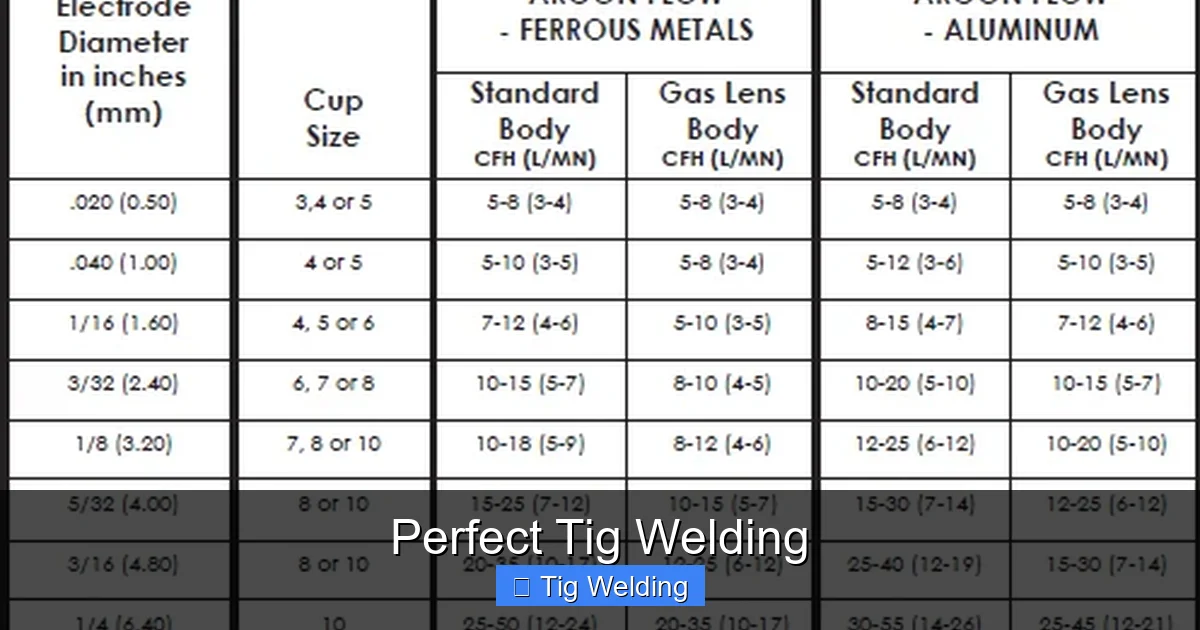
Pure argon is most common, but other gases like helium can be used for specific metals. Maintaining the correct gas flow rate (typically 10-20 CFH) ensures adequate shielding without turbulence.
Setting Up for Perfect TIG Welding
Preparing the Materials
Cleanliness is key. Remove dirt, rust, oil, and paint from the metal surface. Use a wire brush or grinder to prep the area thoroughly, ensuring a smooth, contaminant-free surface.
Visual guide about Perfect Tig Welding
Image source: perfectwelders.com
Choosing the Right Settings
- Amperage: Use lower amperage for thin materials; higher for thicker metals.
- Polarity: DCEN (Direct Current Electrode Negative) is common for most metals; AC is used for aluminum and magnesium.
- Filler Metal: Add filler slowly and consistently to control weld shape and penetration.
Mastering Technique for Perfect TIG Welds
Steady Hands and Movement
Keep a relaxed grip on the torch and move at a steady pace. Too fast can cause weak welds; too slow can cause burn-through. Practice maintaining a consistent speed.
Controlling Heat and Penetration
Adjust your amperage and travel speed to control how deep the weld penetrates. Use lower heat for thin materials and higher heat for thicker ones. Always test on scrap metal first.
Adding Filler Metal
Feed the filler rod into the leading edge of the weld pool at a consistent rate. Keep the arc steady and avoid overheating the filler or the base metal.
Common Mistakes and How to Avoid Them
- Porosity: Caused by contaminated surfaces or insufficient shielding gas. Always clean metals and verify gas flow.
- Undercut: Too high amperage or slow travel speed creates grooves along the weld edge. Adjust settings and technique accordingly.
- Inconsistent Bead: Jerky movements or inconsistent speed. Practice smooth, continuous motion.
Practical Tips for Achieving Perfect TIG Welds
- Practice on scrap pieces before working on your actual project.
- Use a foot pedal or remote control for adjusting amperage during welding.
- Maintain proper torch angle—typically 15-20 degrees from vertical.
- Stay relaxed; tense muscles cause shaky movements.
- Keep the work area well-lit and free of drafts that could disturb shielding gas.
Conclusion
Achieving perfect TIG welding is a combination of the right equipment, proper setup, technique, and practice. It’s not an overnight process, but with patience and perseverance, you can master this high-precision welding method. Remember to prioritize safety, stay consistent, and keep practicing. With time, your welds will become cleaner, stronger, and more professional-looking.
Whether you’re working on hobby projects or professional fabrication, perfect TIG welding opens the door to high-quality, aesthetically pleasing welds that stand the test of time. Keep refining your skills, and you’ll soon be welding with confidence and precision every time.
Frequently Asked Questions
What is the main advantage of TIG welding?
TIG welding provides high precision and produces clean, high-quality welds with minimal spatter, making it ideal for detailed and aesthetic projects.
Is TIG welding suitable for beginners?
While it requires some skill, beginners can learn TIG welding with patience and practice. It’s often recommended to start with basic techniques and gradually progress.
Can I weld aluminum with TIG?
Yes, TIG welding is one of the best methods for welding aluminum, especially when using AC polarity and appropriate filler metals.
How do I prevent porosity in my welds?
Ensure your metal surfaces are thoroughly cleaned, verify proper shielding gas flow, and avoid drafts that can disturb the gas shield.
What’s the best way to practice TIG welding?
Start with scrap metal, focus on maintaining steady movement, and gradually increase complexity as you develop your technique.
Is it necessary to use a foot pedal?
Using a foot pedal allows for dynamic control of amperage during welding, helping you adapt to different heat requirements and improve weld quality.
