

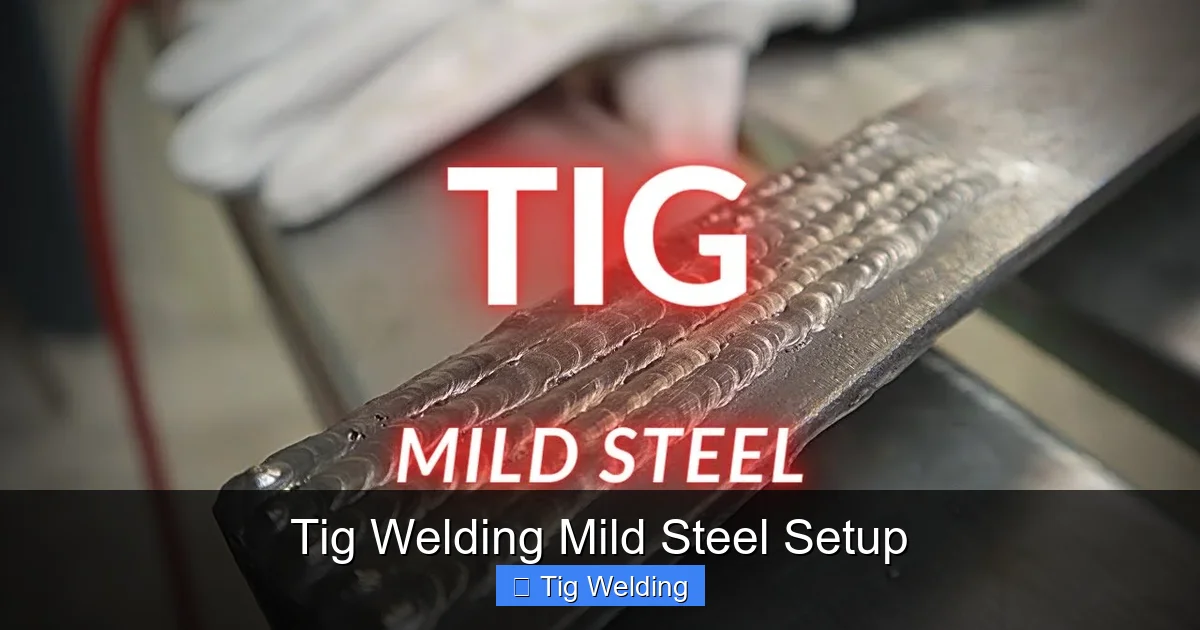
Setting up for TIG welding mild steel is essential for achieving high-quality welds. This guide covers the equipment needed, proper settings, and best practices to ensure success in your welding projects.
Key Takeaways
- Choose the right TIG welder: Select a machine capable of providing stable, adjustable amperage suitable for mild steel.
- Use appropriate shielding gas: Pure argon or a mix with helium ensures clean, strong welds on mild steel.
- Prepare your materials: Clean and bevel the steel to remove rust, paint, and mill scale for optimal welding conditions.
- Set correct parameters: Adjust amperage, shielding gas flow, and electrode type based on material thickness.
- Practice proper technique: Maintain a steady hand, correct torch angle, and consistent travel speed for quality welds.
- Safety first: Wear appropriate PPE and work in a well-ventilated area to stay safe during welding.
Quick Answers to Common Questions
Question 1?
What is the best shielding gas for TIG welding mild steel?
Pure argon is the most common and effective shielding gas for TIG welding mild steel, providing a stable arc and clean welds.
Question 2?
What amperage should I use for welding 1/8 inch mild steel?
Start around 70-100 amps, adjusting as needed based on weld quality and specific project requirements.
Question 3?
How do I prepare my mild steel before welding?
Clean the surface thoroughly with a wire brush or grinder to remove rust, paint, oil, and mill scale for optimal results.
Question 4?
What type of tungsten electrode is best for mild steel?
2% thoriated or lanthanated tungsten electrodes are recommended for their stability and durability during mild steel TIG welding.
Question 5?
How can I prevent porosity in my welds?
Ensure your materials are clean, use steady gas flow, and avoid drafts to prevent contamination and porosity formation.
📑 Table of Contents
Introduction
If you’re diving into TIG welding mild steel, you’re on the path to creating clean, precise, and high-strength welds. TIG (Tungsten Inert Gas) welding, also known as GTAW (Gas Tungsten Arc Welding), is favored for its ability to produce professional-quality joints with minimal spatter and excellent control. But, to get those perfect welds, you need to understand how to set up your equipment correctly.
Whether you’re a hobbyist or a professional, mastering the TIG welding setup for mild steel will improve your results and boost your confidence. In this guide, we’ll walk through everything you need—from selecting the right equipment to fine-tuning your settings—so you can weld with precision and ease.
Choosing the Right TIG Welding Equipment for Mild Steel
Selecting a Suitable TIG Welder
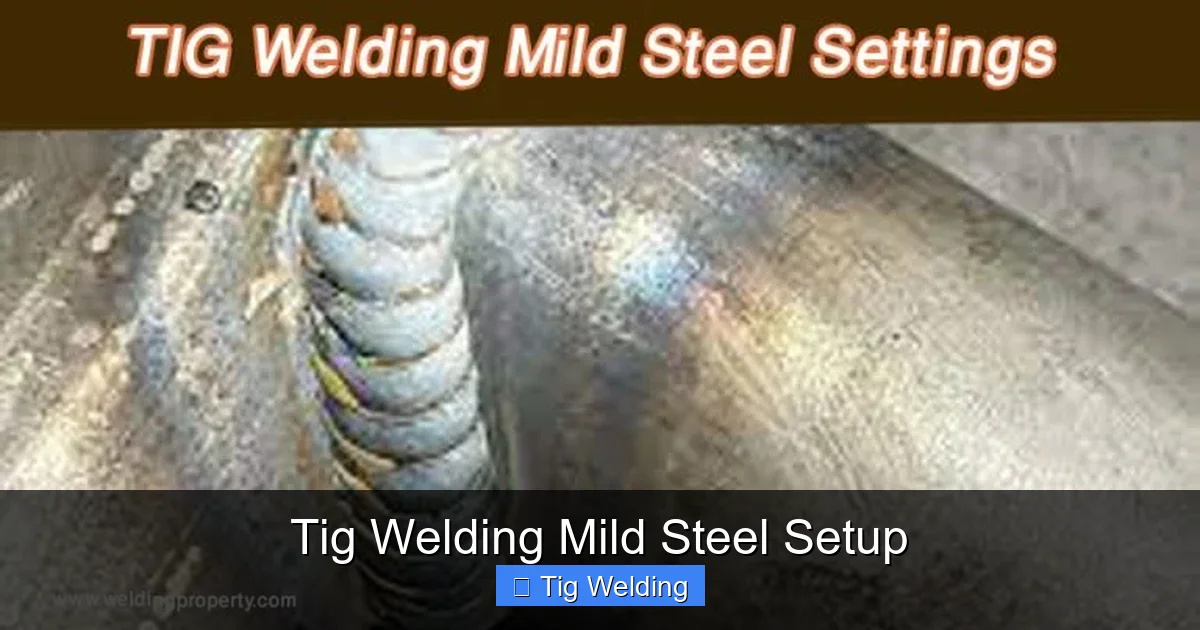
The first step is choosing a TIG welder that suits your project needs. For mild steel, a machine with adjustable amperage ranging from 10 to 200 amps is typically sufficient. Look for features like:
Visual guide about Tig Welding Mild Steel Setup
Image source: weldinginto.com
- High frequency start: Ensures a smooth arc initiation without touching the tungsten to the workpiece.
- AC/DC capability: While DC is common for mild steel, some welders offer AC for aluminum, so ensure your machine is DC capable for steel.
- Pulse welding: Useful for controlling heat input and reducing warping on thicker sections.
Popular brands like Lincoln Electric, Miller, and Everlast offer reliable models suitable for mild steel TIG welding.
Electrode and Filler Metal Selection
For mild steel, the most common tungsten electrodes are 2% thoriated (red tip) or lanthanated (gold tip). These electrodes provide good arc stability and longevity. As for filler metal, use ER70S-6 or ER70S-3 filler rods, matching the steel’s grade and thickness.
Preparing Materials and Workspace
Cleaning and Surface Preparation
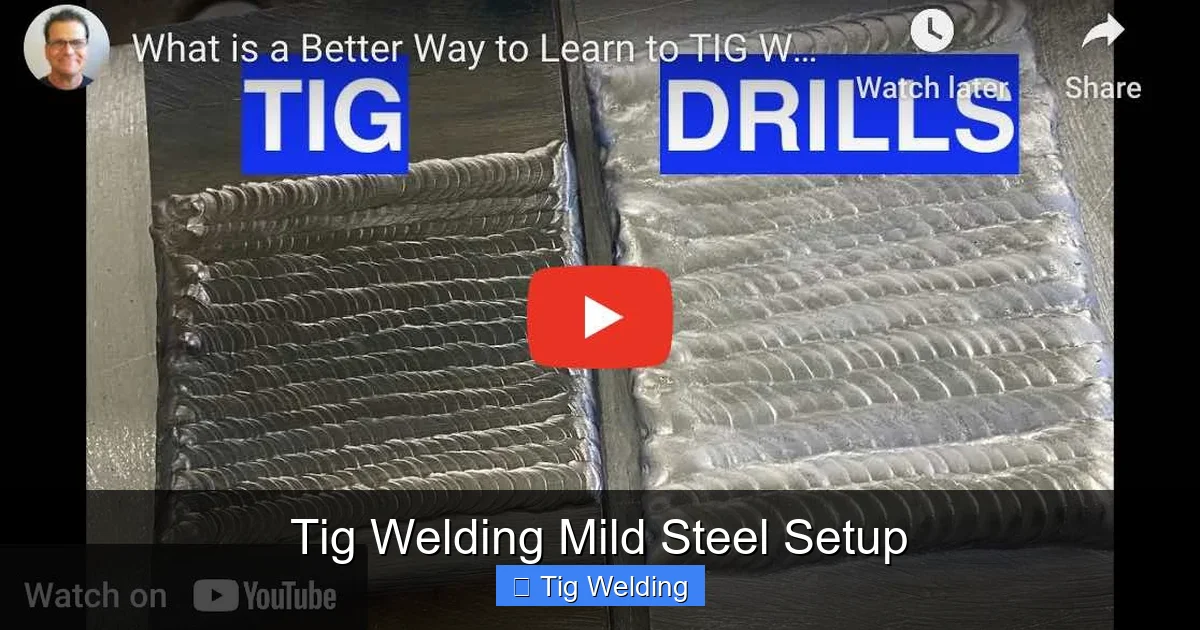
Cleanliness is key in TIG welding. Remove rust, paint, oil, and mill scale from the steel surface using a wire brush, grinder, or chemical cleaner. A clean, smooth surface ensures better arc stability and weld quality.
Visual guide about Tig Welding Mild Steel Setup
Image source: weldingtipsandtricks.com
For thicker or more challenging materials, bevel the edges at a 30-45 degree angle to promote full penetration and strong welds.
Work Environment Setup
Set up your workspace in a well-ventilated area. Use a sturdy welding table, clamp your workpiece securely, and keep the area free of contaminants. Proper lighting and ergonomic positioning also contribute to better control and results.
Configuring Your TIG Welding Setup
Adjusting the Power and Current
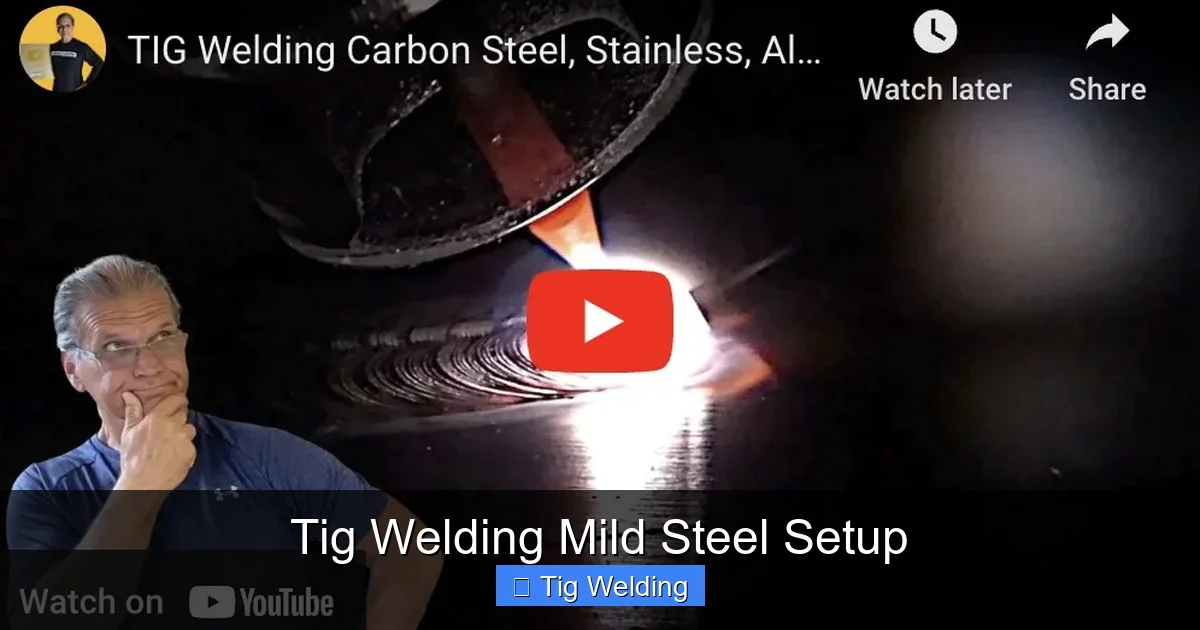
Set your welder to a suitable amperage based on your material thickness. A good rule of thumb is approximately 1 amp per 0.001 inch of material thickness. For example, welding 1/8 inch (3.2 mm) mild steel might require around 70-100 amps.
Visual guide about Tig Welding Mild Steel Setup
Image source: weldingtipsandtricks.com
Start with a lower setting and increase gradually to avoid burn-through or excessive heat input.
Gas Selection and Flow Rate
Use pure argon for most mild steel TIG welding. It provides a stable arc and good weld quality. Flow rate should be set between 15-20 cubic feet per hour (CFH). Too high a flow can cause turbulence, while too low may lead to contamination.
Electrode and Filler Metal Placement
Maintain a consistent distance of about 1/8 inch (3 mm) between the tungsten electrode and the workpiece. Keep the filler rod in your other hand, feeding it into the weld pool at a steady pace. Practice maintaining a smooth, consistent motion for uniform weld beads.
Executing the Welding Process
Starting the Arc
Use the high-frequency start feature if available. Bring the tungsten close to the workpiece without touching, then activate the arc. Maintain a steady arc length—roughly equal to the diameter of the tungsten—for consistent heat and fusion.
Techniques for Quality Welds
- Maintain proper torch angle: Keep it around 15-20 degrees from perpendicular to the workpiece.
- Travel speed: Move steadily to prevent melting through or weak welds.
- Filler metal addition: Feed filler smoothly into the leading edge of the weld pool.
- Shielding gas coverage: Keep the torch moving to protect the weld zone from contamination.
Common Challenges and Solutions
- Porosity: Ensure your gas flow is steady and your material is clean.
- Inconsistent welds: Practice maintaining a steady hand and consistent torch angle.
- Burn-through: Use lower amperage or reduce travel speed on thinner materials.
Post-Welding Tips and Cleanup
Once your weld is complete, turn off the gas and carefully inspect your work. Clean the weld area to remove any slag or oxidation. If needed, grind the weld to smoothness, then apply protective coatings to prevent rust.
Practice makes perfect. Keep experimenting with settings and techniques to refine your skills in TIG welding mild steel.
Conclusion
Setting up for TIG welding mild steel involves selecting the right equipment, preparing your materials, and fine-tuning your settings. With patience and practice, you’ll be producing clean, strong welds that stand up to scrutiny. Remember, safety always comes first—wear proper PPE and work in a well-ventilated space. Happy welding!
Frequently Asked Questions
What is the ideal torch angle for TIG welding mild steel?
Maintain a torch angle of about 15-20 degrees from perpendicular to ensure proper penetration and bead shape.
How do I choose the right filler rod for mild steel?
Use ER70S-6 or ER70S-3 filler rods, matching your steel’s grade and thickness for strong, compatible welds.
Can I TIG weld stainless steel and mild steel with the same setup?
While similar, stainless steel requires different filler metals and shielding gases. For mild steel, stick to the recommended settings and materials.
What safety precautions should I follow during TIG welding?
Wear appropriate PPE, including gloves, welding helmet, and protective clothing. Work in a well-ventilated area to avoid fumes and protect your eyes and skin.
How do I prevent warping when TIG welding thick mild steel?
Use controlled heat input, proper clamping, and occasional cooling to minimize distortion. Pulsed TIG welding can also help manage heat.
Is TIG welding suitable for thin mild steel sheets?
Yes, TIG welding is ideal for thin sheets due to its precision and low heat input, helping prevent burn-through and warping.
