

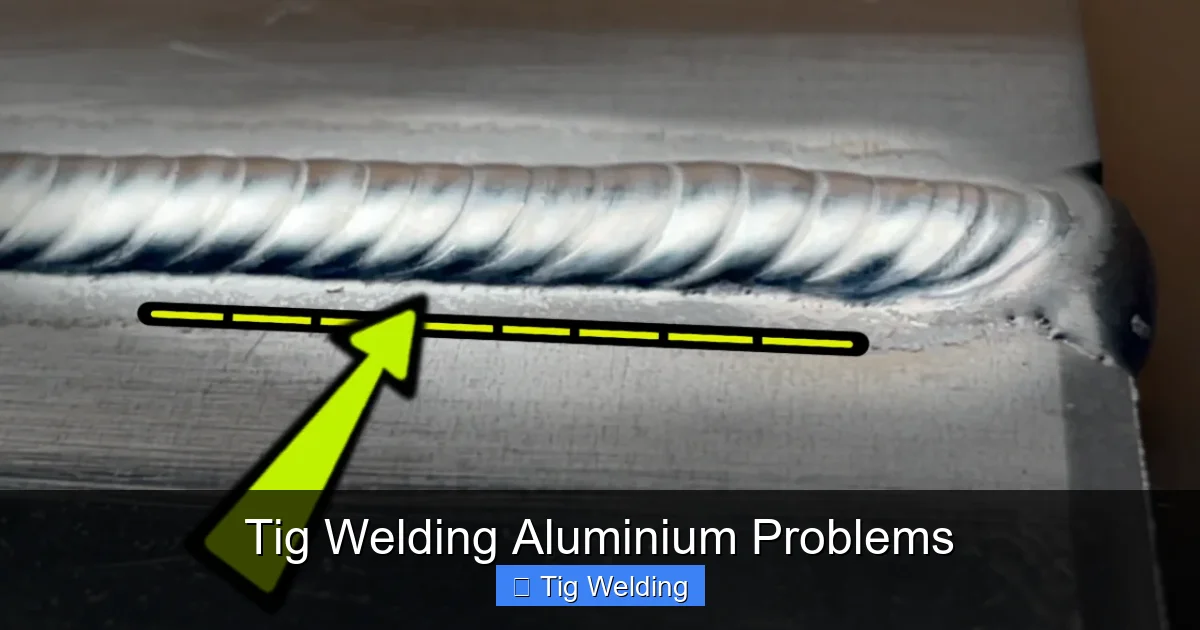
TIG welding aluminium can be tricky due to issues like porosity, warping, and contamination. Understanding these problems and their solutions can help you achieve cleaner, stronger welds. This guide explains common challenges and practical tips to overcome them.
Key Takeaways
- Porosity is a common issue: caused by contamination or improper shielding gas coverage.
- Cleanliness matters: aluminium must be thoroughly cleaned before welding to prevent defects.
- Heat control is crucial: too much heat can cause warping, while too little may lead to poor penetration.
- Proper shielding gas is essential: pure argon or helium mixes help prevent oxidation and porosity.
- Filler rod selection impacts quality: use compatible, clean filler material to ensure strong welds.
- Technique consistency helps: steady motion and correct torch angle improve weld appearance and strength.
Quick Answers to Common Questions
Question 1?
What causes porosity in TIG welding aluminium?
Porosity is mainly caused by contamination from oil, grease, dirt, moisture, or inadequate shielding gas coverage.
Question 2?
How do I prevent oxidation during aluminium TIG welding?
Use pure argon or helium shielding gases, ensure complete coverage, and thoroughly clean the surface before welding.
Question 3?
Why does aluminium tend to warp during welding?
Because aluminium conducts heat quickly, excessive heat input causes warping and distortion, especially on thin materials.
Question 4?
What filler rods are best for aluminium TIG welding?
Common choices include 4043 and 5356 rods, depending on the alloy and application. Always use clean, compatible filler material.
Question 5?
How can I improve penetration in aluminium TIG welds?
Maintain proper torch angle, increase heat input gradually, and ensure good technique to achieve better fusion.
📑 Table of Contents
Introduction: Navigating TIG Welding Aluminium Challenges
TIG welding aluminium is a popular choice for many fabricators because it produces clean, precise welds. However, welding aluminium comes with its own set of challenges that can frustrate even experienced welders. Problems like porosity, warping, contamination, and difficulty achieving proper penetration are common. But don’t worry — understanding these issues and how to address them can significantly improve your results.
Whether you’re a hobbyist or a professional, mastering aluminium TIG welding requires patience and practice. This article explores the most common aluminium TIG welding problems, their causes, and practical solutions to help you weld confidently and efficiently.
Understanding the Nature of TIG Welding Aluminium
Why Aluminium Is Different
Aluminium has unique properties that make it more challenging to weld than steel or other metals. It’s highly reactive, forming a thin oxide layer almost instantly when exposed to air. This oxide layer has a higher melting point than the base metal, which can cause issues like poor fusion if not properly removed.
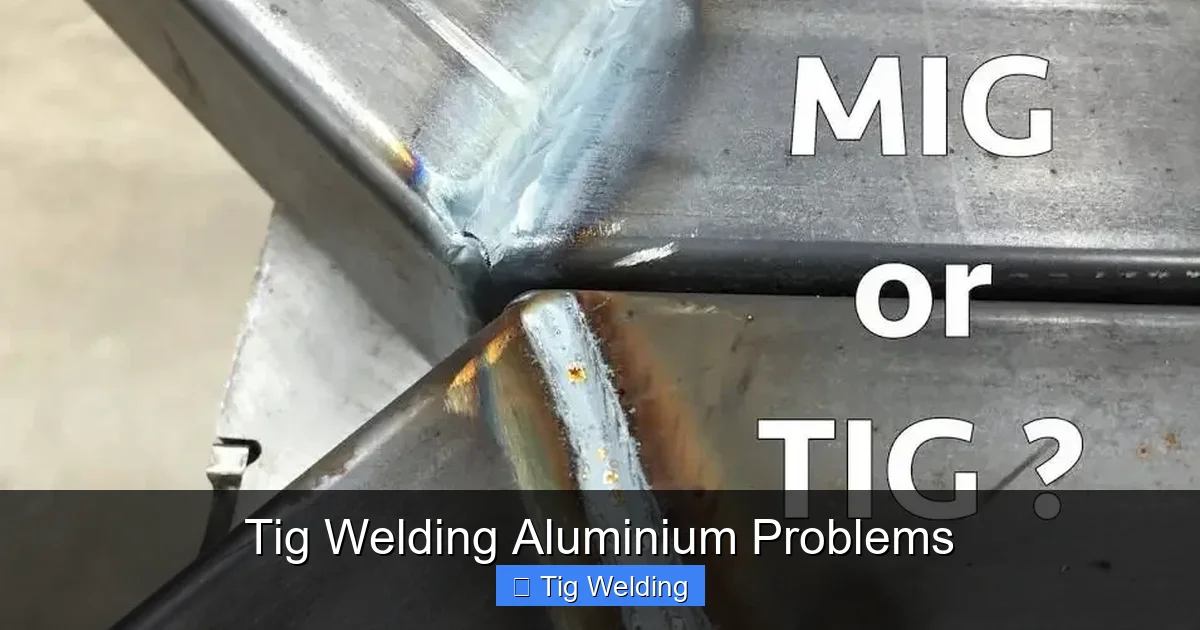
Visual guide about Tig Welding Aluminium Problems
Image source: weldgears.com
Additionally, aluminium conducts heat quickly and is prone to warping or distortion during welding. Its softness and low melting point demand precise control over heat input and shielding to avoid defects.
Common TIG Welding Aluminium Problems
1. Porosity in the Weld
Porosity appears as small holes or cavities in the weld bead. It’s one of the most frequent problems faced by aluminium welders. Porosity weakens the weld and can cause leaks or failure in structural applications.
The main causes include contamination from oil, grease, dirt, or moisture; inadequate shielding gas coverage; and improper cleaning of the aluminium surface.
2. Oxide Contamination
The aluminium oxide layer forms rapidly and must be removed before welding. If not properly cleaned, the oxide can melt and create inclusions or rough welds, reducing strength and appearance.
Contamination also occurs if the shielding gas isn’t pure or doesn’t fully cover the weld zone, allowing oxidation during welding.
3. Warping and Distortion
Because aluminium conducts heat so well, it heats up quickly and cools just as fast. Excessive heat input causes warping, distortion, or even cracking. This is especially problematic on thin materials.
Controlling heat input with proper technique and tooling can help manage these issues.
4. Poor Penetration
Poor penetration results in weak welds that don’t fuse fully with the base metal. This often occurs due to incorrect torch angle, improper filler rod addition, or insufficient heat.
Achieving proper penetration is key to strong, durable welds, especially on thicker aluminium parts.
5. Cracks and Weak Welds
Cracks can develop if the aluminium is overheated or if the weld cools too quickly. Also, using incompatible filler material or poor technique can contribute to weak welds prone to cracking over time.
Maintaining proper heat control and using suitable filler rods helps prevent this problem.
Practical Tips to Overcome TIG Welding Aluminium Problems
Cleaning and Surface Preparation
- Thorough Cleaning: Use a dedicated aluminium cleaner or etchant to remove oil, grease, and oxidation. Mechanical cleaning with a stainless steel brush (designated for aluminium) just before welding is highly effective.
- Remove the Oxide Layer: Use a clean, abrasive pad or chemical treatments to eliminate the oxide film completely.
Choosing the Right Shielding Gas
- Pure Argon: The most common shielding gas for aluminium TIG welding. It provides excellent coverage and reduces oxidation.
- Helium Mixes: Adding helium can improve heat input and weld penetration but may increase the risk of porosity if not managed properly.
Controlling Heat and Technique
- Adjust Amperage: Use the lowest possible current that achieves proper fusion to prevent warping.
- Maintain Steady Travel Speed: Consistent motion minimizes heat accumulation and distortion.
- Use Proper Torch Angle: Keep the torch at about 15-20 degrees from perpendicular for optimal control.
Filler Material Selection
- Use Compatible Filler Rods: 4043 or 5356 filler rods are common choices for aluminium, depending on the alloy and application.
- Keep Filler Clean: Ensure filler rods are free from dirt and oxidation.
Prevention and Troubleshooting
- Consistent Gas Coverage: Use a properly fitted torch and check for leaks or drafts that could disrupt shielding.
- Monitor Temperature: Use a heat sink or clamp to control heat in thin sections.
- Practice Makes Perfect: Experiment with settings and techniques on scrap pieces to develop consistent welds.
Conclusion: Mastering aluminium TIG welding
Welding aluminium with a TIG torch can be challenging, but with proper technique and preparation, you can overcome common problems like porosity, contamination, and warping. Focus on cleanliness, shielding, heat control, and technique to produce high-quality welds. Remember, patience and consistent practice are your best tools for success in aluminium TIG welding.
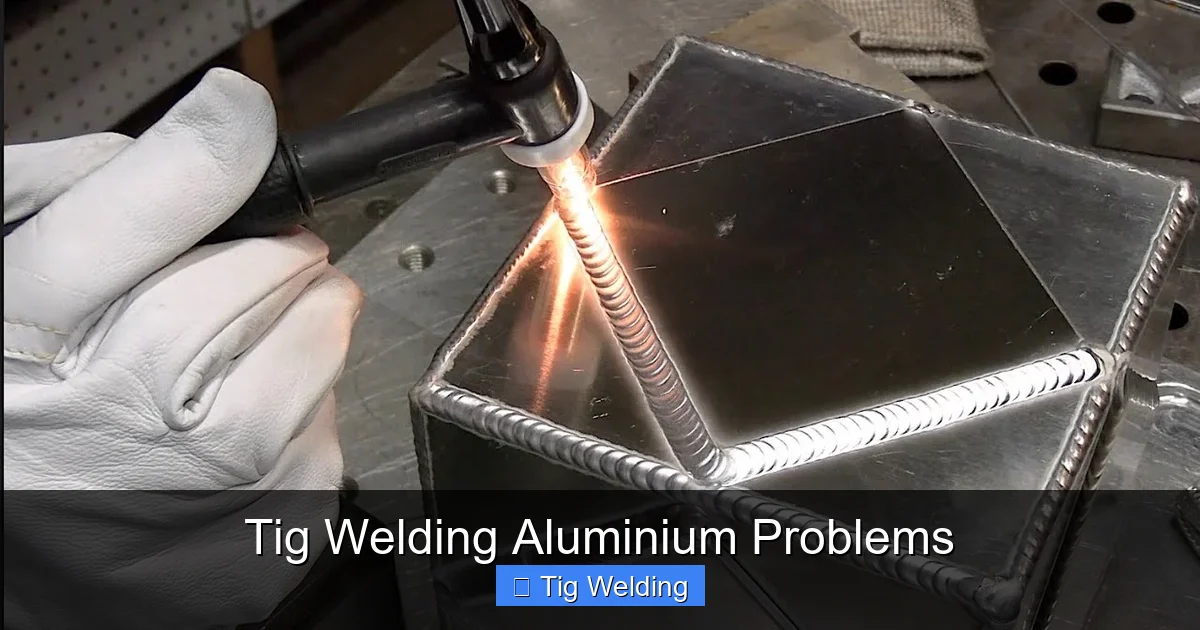
Visual guide about Tig Welding Aluminium Problems
Image source: i.ytimg.com
Keep experimenting, stay vigilant about contamination, and always use the right materials and settings. With time, you’ll weld aluminium confidently and create professional, durable joints.
Frequently Asked Questions
Why is cleaning important before TIG welding aluminium?
Cleaning removes oils, dirt, and oxide layers that can cause porosity and weak welds. Proper surface prep is vital for a strong, clean weld.
What shielding gas should I use for aluminium TIG welding?
Pure argon is most commonly used because it provides excellent coverage and reduces oxidation. Helium mixes can be used for deeper penetration but require careful handling.
How does heat control affect aluminium welding?
Proper heat control prevents warping, cracks, and porosity. Too much heat causes distortion; too little results in poor penetration. Adjust settings accordingly.
Can poor technique cause weld defects?
Yes, inconsistent motion, wrong torch angle, or improper filler addition can lead to defects like porosity, weak welds, or cracking. Practice helps improve technique.
What are common signs of contamination in TIG welds?
Signs include porosity, rough surface finish, or inclusions. Regular cleaning and proper shielding help prevent contamination issues.
How do I fix porosity in an aluminium weld?
Address contamination, ensure complete shielding coverage, and improve cleaning procedures. Adjust gas flow and technique for better results.
