

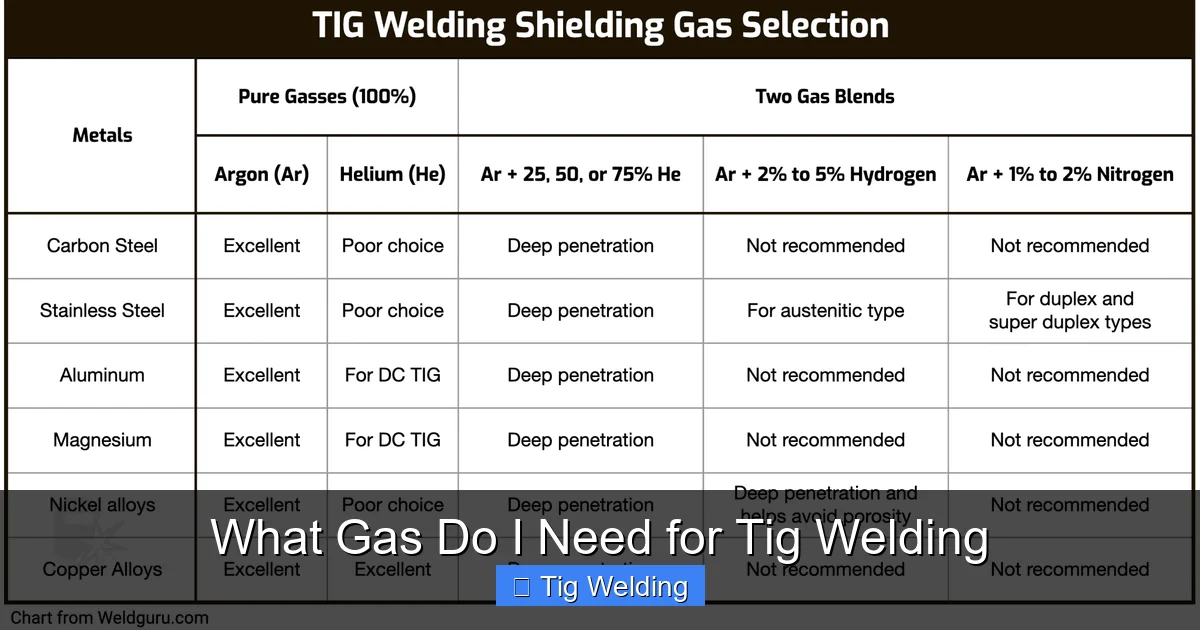
Choosing the right gas for TIG welding is essential for quality results. Most TIG welding projects use argon, but other gases like helium and mixtures can enhance performance. Understanding the options helps you select the best shielding gas for your specific application.
Key Takeaways
- Argon is the most common TIG welding gas: It provides excellent shielding and is suitable for most metals.
- Helium offers higher heat: Ideal for thicker materials or when a hotter arc is needed.
- Gas mixtures can improve weld quality: Combining argon with other gases enhances arc stability and reduces defects.
- Gas purity matters: Use high-purity gases (99.99%) for the best results to prevent contamination.
- Adjust gas flow rates: Typically between 15-20 CFH; proper flow prevents oxidation and weld porosity.
- Specialized gases are available: For specific metals like aluminum or stainless steel, choose the appropriate shielding gas for optimal welds.
Quick Answers to Common Questions
What is the most common gas used for TIG welding?
Argon is the most common shielding gas for TIG welding because of its stability, ease of use, and excellent weld quality on most metals.
Can I use helium instead of argon?
Yes, helium can be used for TIG welding, especially on thicker materials or when higher heat input is needed. It produces a hotter arc but can be more challenging to control.
Are gas mixtures better than pure gases?
Gas mixtures, such as argon with helium, can improve weld penetration, arc stability, and welding speed, making them ideal for specific applications.
How do I choose the right flow rate for shielding gas?
Typically, 15-20 CFH is suitable. Adjust based on your setup, material, and environmental conditions to prevent contamination or turbulence.
Does gas purity affect weld quality?
Yes, using high-purity gases (99.99%) reduces contamination, porosity, and weld defects, ensuring the best possible results.
📑 Table of Contents
- Introduction: The Importance of Choosing the Right Gas for TIG Welding
- What Is TIG Welding and Why Does Gas Choice Matter?
- Common Gases Used for TIG Welding
- Choosing the Right Gas for Different Metals
- Practical Tips for Using Shielding Gases in TIG Welding
- Conclusion: Making the Right Choice for Perfect TIG Welds
Introduction: The Importance of Choosing the Right Gas for TIG Welding
If you’re into TIG welding, you already know that the right shielding gas can make or break your weld. It’s not just about filling in the gap — the gas protects your molten weld pool from contamination, oxidation, and porosity. But what gas do you need for TIG welding? That’s a common question, especially for beginners or those working on specialized projects.
While argon is the most popular and versatile choice, other gases and gas mixtures can enhance your welding, depending on the material and the desired outcome. Understanding your options allows you to achieve cleaner, stronger, and more precise welds. In this guide, we’ll cover everything you need to know about TIG welding gases, their uses, and tips for getting the best results.
What Is TIG Welding and Why Does Gas Choice Matter?
Understanding TIG Welding
TIG welding, or Tungsten Inert Gas welding, uses a non-consumable tungsten electrode to create the weld. The process involves creating an arc between the tungsten electrode and the workpiece, melting the metal precisely. Filler material can be added manually if needed.
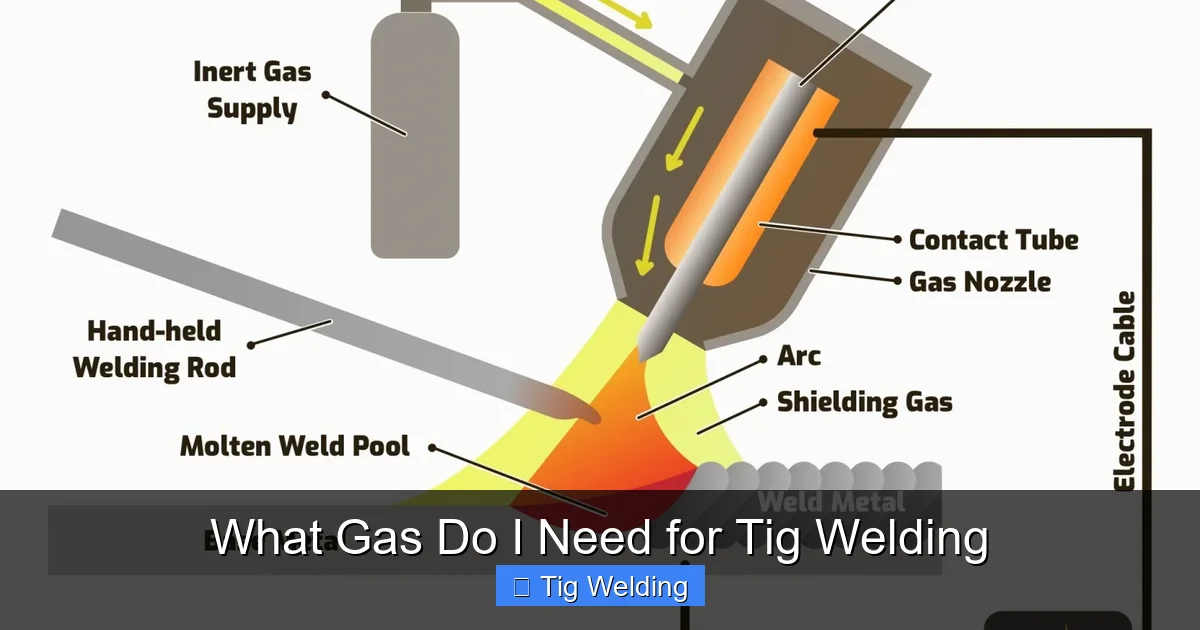
Visual guide about What Gas Do I Need for Tig Welding
Image source: weldguru.com
The key to a successful TIG weld is shielding gas. It surrounds the weld area with an inert or semi-inert gas that prevents the molten metal from reacting with air. Without proper shielding, your weld can become porous, weak, or contaminated.
The Role of Shielding Gas
The shielding gas acts as a protective barrier, preventing oxygen, nitrogen, and other atmospheric gases from entering the weld pool. This ensures a clean, strong weld with minimal spatter and defects. The choice of gas influences arc stability, heat input, weld appearance, and even the ability to weld certain metals effectively.
Common Gases Used for TIG Welding
1. Argon – The Go-To Shielding Gas
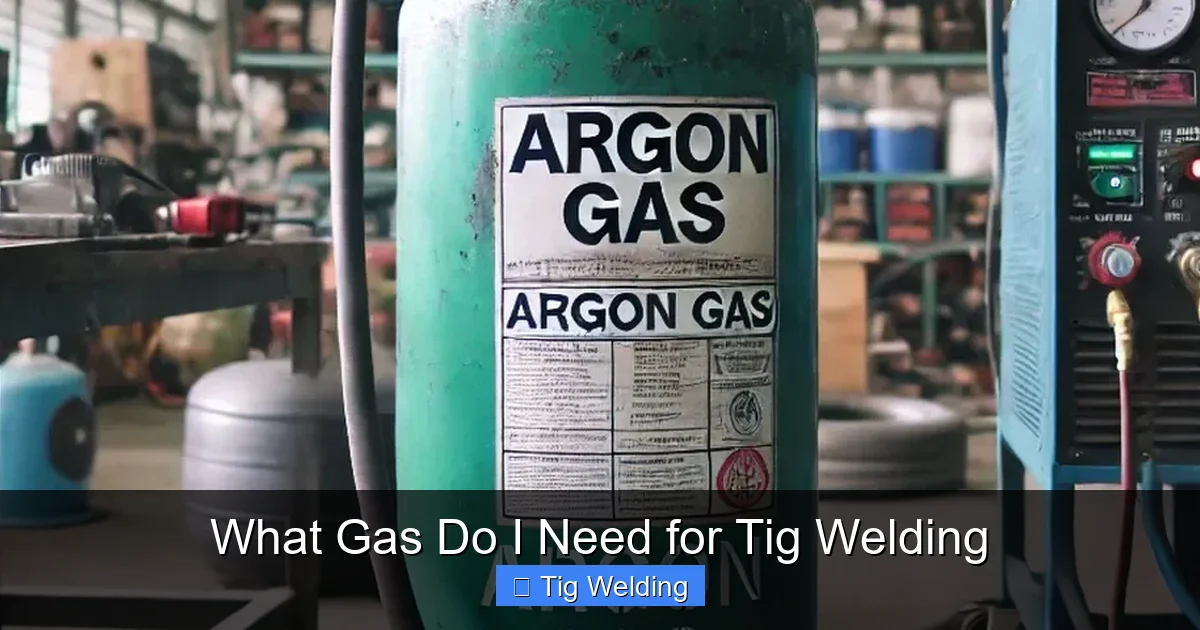
Argon is by far the most popular shielding gas for TIG welding. It’s an inert noble gas, meaning it doesn’t react with the metal, providing a stable arc and excellent weld quality. Argon is suitable for welding a variety of metals, including stainless steel, aluminum, copper, and more.

Visual guide about What Gas Do I Need for Tig Welding
Image source: weldingproperty.com
Its advantages include easy arc starting, minimal spatter, and a smooth weld bead. For most TIG welding applications, pure argon (99.99%) is recommended to ensure high purity and consistent results.
2. Helium – For Higher Heat and Faster Welding
Helium is another inert gas that can be used for TIG welding. Unlike argon, helium has a higher thermal conductivity, which produces a hotter arc. This makes it ideal for welding thicker materials or when increased heat input is needed.
Helium tends to produce a lighter, brighter arc and can improve weld penetration. However, it’s often more expensive and can make the arc harder to control, especially for beginners. It’s commonly mixed with argon to balance ease of use with performance.
3. Gas Mixtures – Combining Gases for Better Results
Many TIG welders use blends of argon and helium or other gases to optimize the welding process. For example, an 80% argon / 20% helium mix combines the stability of argon with helium’s heat properties, resulting in improved weld quality on thicker materials.
Some specialty mixtures include argon with small amounts of hydrogen or other gases for specific applications, such as welding certain stainless steels or reactive metals.
Choosing the Right Gas for Different Metals
Welding Aluminum
Aluminum requires a shielding gas that can prevent oxidation effectively. Pure argon is the most common choice because it provides excellent coverage and a stable arc. Some welders prefer a mixture of 100% argon or a small addition of helium for better penetration and a smoother finish.
Visual guide about What Gas Do I Need for Tig Welding
Image source: a-us.storyblok.com
Welding Stainless Steel
For stainless steel, pure argon works well, but sometimes a mixture containing 2-5% oxygen or nitrogen can improve weld quality and reduce porosity. Using pure argon often results in cleaner, more consistent welds on stainless steel.
Welding Copper and Other Metals
Copper and other high-thermal-conductivity metals benefit from helium-rich shielding gases. Helium’s higher heat input allows for better penetration and weld bead control on these materials.
Practical Tips for Using Shielding Gases in TIG Welding
- Use high-purity gases: Always opt for 99.99% pure gases to prevent contamination of your weld.
- Set correct flow rates: Typically, 15-20 CFH (cubic feet per hour) is ideal. Too high flow can cause turbulence, and too low may lead to contamination.
- Check for leaks: Ensure your gas lines and connections are secure to prevent loss of shielding gas and potential weld defects.
- Match gas to application: Choose argon for most general purposes, helium for thicker metals or higher heat, and blends for specialized needs.
- Adjust based on material and thickness: Thicker materials may require higher flow rates and possibly helium mixes for better penetration.
Conclusion: Making the Right Choice for Perfect TIG Welds
Choosing the right gas for TIG welding is crucial for achieving high-quality, strong welds. While argon is the default and most versatile option, understanding when and why to use helium or gas mixtures can elevate your welding game. Always consider the type of metal, thickness, and desired weld quality when selecting your shielding gas.
With the right gas and proper technique, you can produce clean, precise, and durable welds every time. Experimenting with different gases and flow rates can help you find the perfect setup for your specific projects. Happy welding!
Frequently Asked Questions
What gas do I need for TIG welding aluminum?
Pure argon is the best choice for welding aluminum. It provides excellent coverage and arc stability, resulting in clean, defect-free welds.
Can I mix gases for TIG welding?
Yes, mixing gases like argon and helium can enhance weld penetration and heat input. The right mixture depends on the material and project requirements.
Is it necessary to use high-purity gases for TIG welding?
Absolutely. High-purity gases (99.99%) help prevent contamination and ensure a clean, strong weld, especially on sensitive materials.
What are the disadvantages of using helium for TIG welding?
Helium is more expensive, produces a hotter arc, and can be harder to control, especially for beginners. It’s often best mixed with argon for easier handling.
How does gas flow rate affect weld quality?
Proper flow rate prevents weld oxidation and porosity. Too high a flow causes turbulence, while too low risks contamination. Adjust according to your setup and conditions.
