

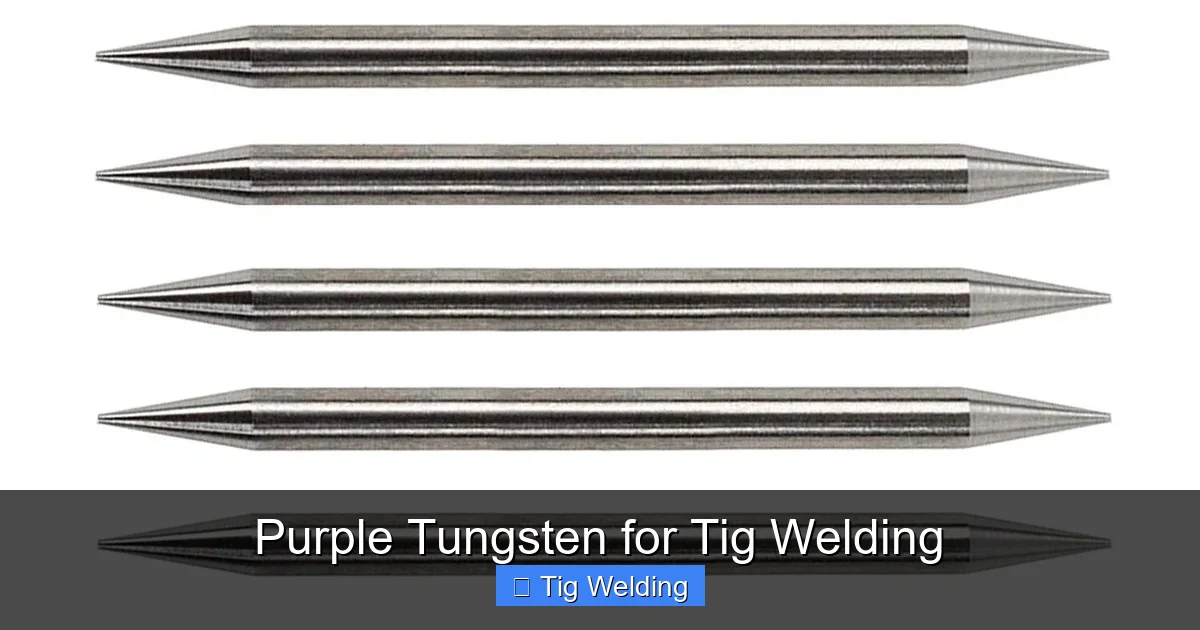
Purple tungsten for TIG welding is a popular choice among welders due to its durability and performance. It offers excellent arc stability and is ideal for various materials, making it a versatile electrode for professional and hobbyist welders alike.
Key Takeaways
- Color coding: Purple tungsten indicates a 2% lanthanated electrode, suitable for a wide range of TIG welding tasks.
- Enhanced arc stability: Provides a smooth and consistent arc, reducing spatter and improving weld quality.
- Versatility: Ideal for welding aluminum, stainless steel, and other ferrous and non-ferrous metals.
- Durability: Longer electrode life compared to pure tungsten, saving money and time.
- Ease of use: User-friendly for both beginners and experienced welders.
- Compatibility: Works well with AC and DC welding machines.
Quick Answers to Common Questions
Question 1?
What does the purple color mean in tungsten electrodes?
The purple color indicates a 2% lanthanated tungsten, which offers good arc stability and versatility for TIG welding.
Question 2?
Can purple tungsten be used with both AC and DC welding machines?
Yes, purple tungsten is suitable for both AC and DC TIG welding, making it ideal for a wide range of projects.
Question 3?
Why is purple tungsten considered durable?
Its lanthanum oxide content extends electrode life by resisting contamination and erosion during welding.
Question 4?
How should I sharpen purple tungsten electrodes?
Use a dedicated tungsten grinder to achieve a fine, pointed tip for optimal arc focus and stability.
Question 5?
What materials can I weld with purple tungsten?
It works well with aluminum, stainless steel, mild steel, and other metals, offering good performance across diverse applications.
📑 Table of Contents
- Introduction to Purple Tungsten for TIG Welding
- What is Purple Tungsten? Understanding the Basics
- Advantages of Using Purple Tungsten for TIG Welding
- How to Use Purple Tungsten Effectively
- Common Challenges and Solutions with Purple Tungsten
- Practical Examples and Applications
- Conclusion: Is Purple Tungsten the Right Choice?
Introduction to Purple Tungsten for TIG Welding
If you’ve ever dived into the world of TIG welding, you’ve probably noticed the different colors of tungsten electrodes. Among these, purple tungsten stands out as a favorite for many welders. Its distinctive color isn’t just for looks — it signals specific properties that make it highly effective for various welding applications.
In this article, we’ll explore what purple tungsten is, why it’s popular, and how to use it properly to get the best results. Whether you’re a seasoned professional or just starting out, understanding the role of purple tungsten can help you improve your welds and work more efficiently.
What is Purple Tungsten? Understanding the Basics
Color Coding in Tungsten Electrodes
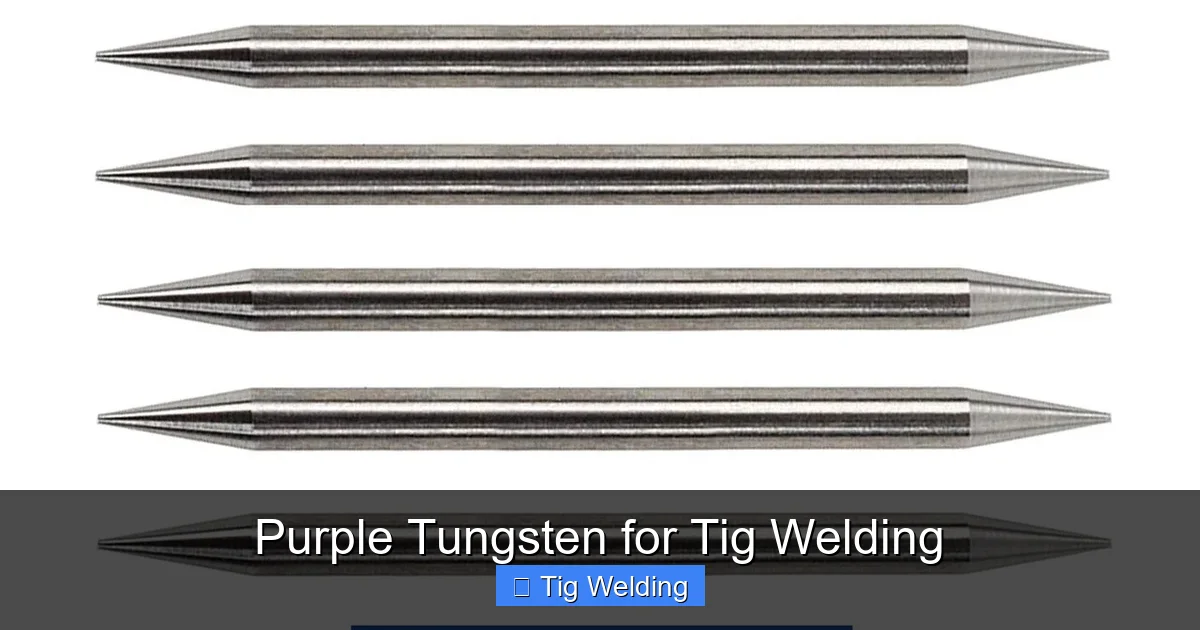
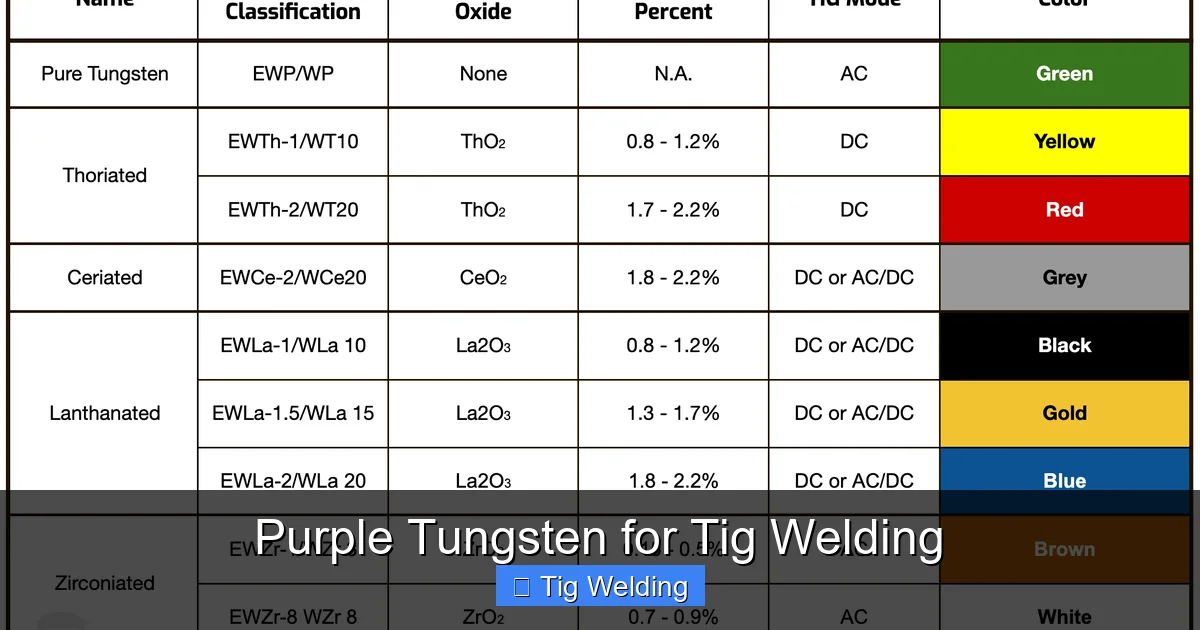
Tungsten electrodes are color-coded to indicate their composition and properties. This color coding helps welders quickly identify the right electrode for their specific needs. Purple tungsten is typically a 2% lanthanated tungsten, which is a versatile and widely used type.
Visual guide about Purple Tungsten for Tig Welding
Image source: cdn11.bigcommerce.com
The purple color signifies a lanthanum oxide addition, which improves arc stability and reduces contamination. This makes purple tungsten suitable for both AC and DC TIG welding.
Properties of Purple Tungsten
- Composition: 2% lanthanum oxide (La2O3)
- Melting Point: Around 2,470°C (4,478°F)
- Arc Stability: Very good, especially on AC currents
- Durability: Longer lifespan compared to pure tungsten
- Ease of Use: Suitable for a broad range of metals and welding positions
Advantages of Using Purple Tungsten for TIG Welding
Enhanced Arc Stability
One of the main benefits of purple tungsten is its ability to provide a stable arc. This stability helps produce cleaner welds with less spatter and fewer imperfections. It’s especially helpful when welding thin materials or intricate joints.
Visual guide about Purple Tungsten for Tig Welding
Image source: weldguru.com
Versatility Across Materials
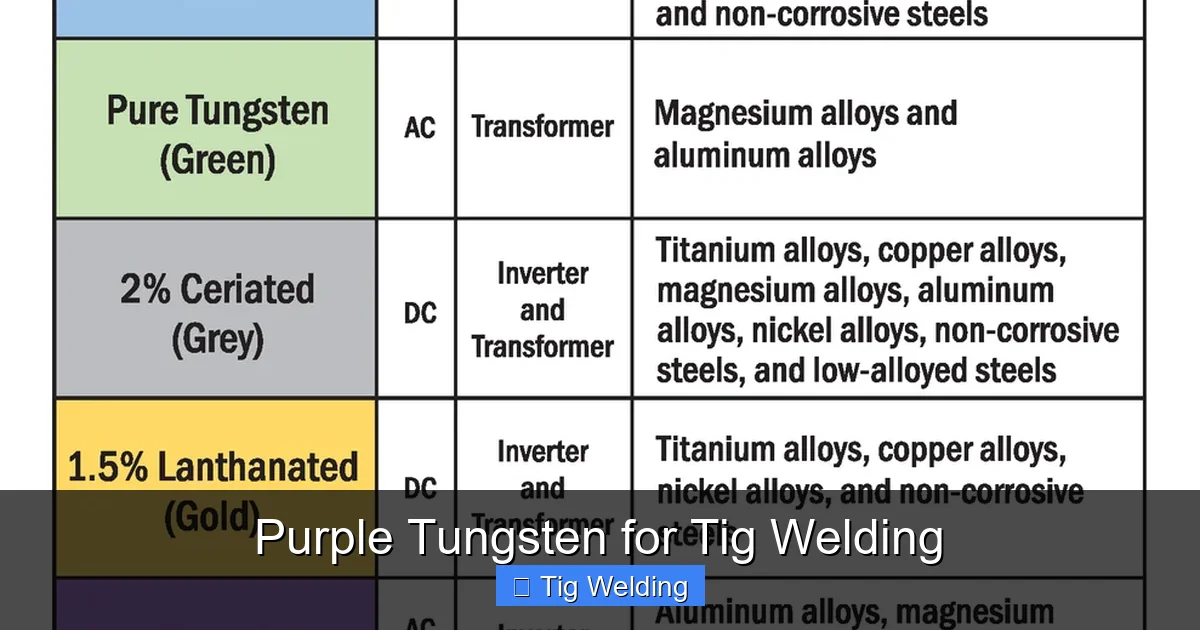
Purple tungsten works well with many metals, including aluminum, stainless steel, and mild steel. Its ability to handle both AC and DC makes it a go-to choice for diverse projects.
Longer Electrode Life
Compared to pure tungsten, purple tungsten lasts longer because of its lanthanum oxide content. This means fewer electrode changes and more consistent weld quality over time.
Ease for Beginners and Professionals
Its forgiving nature makes purple tungsten easier to strike and maintain an arc, which is great for beginners. Experienced welders also appreciate its reliability for demanding tasks.
How to Use Purple Tungsten Effectively
Proper Preparation and Handling
Before welding, ensure your tungsten electrode is properly sharpened to a fine point. A sharp tip concentrates the arc and improves precision. Use a dedicated tungsten grinder — never use your angle grinder or a bench grinder for tungsten, as contamination can affect weld quality.
Visual guide about Purple Tungsten for Tig Welding
Image source: cdn11.bigcommerce.com
Correct Welding Parameters
- Current: Purple tungsten is suitable for a wide range of amperages, but always check manufacturer recommendations.
- AC vs. DC: It performs well on both, but ensure your machine’s settings match your material and thickness.
- Electrode Position: Keep the electrode close to the workpiece, with a consistent angle (usually 15-20 degrees).
Tips for Better Results
- Start with a low amperage and gradually increase to find the optimal setting.
- Maintain a steady hand to produce smooth, even beads.
- Keep the tungsten pointed towards the weld pool for precision.
- Use a dedicated tungsten grinder for sharpening to avoid contamination.
Common Challenges and Solutions with Purple Tungsten
Contamination and Arc Blow
Contamination occurs if the tungsten is touched to the workpiece or if dirty surfaces are used. To prevent this, handle the tungsten with clean gloves and keep your work area tidy.
Arc blow, caused by magnetic fields, can be mitigated by proper grounding and adjusting the workpiece or torch alignment.
Welding Thick Materials
For thicker materials, increase amperage and use a larger diameter tungsten electrode. Purple tungsten is versatile but may require adjustments for heavy-duty tasks.
Practical Examples and Applications
Let’s look at some real-world scenarios where purple tungsten shines:
- Aluminum Frames: Its stability on AC makes it perfect for fabricating lightweight aluminum structures.
- Stainless Steel Pipes: Produces clean, strong welds with minimal spatter.
- Automotive Repairs: Suitable for welding various metals in car bodywork and chassis repairs.
Always tailor your settings and technique based on the specific project. Practice makes perfect, so spend some time testing on scrap pieces to fine-tune your approach.
Conclusion: Is Purple Tungsten the Right Choice?
In the world of TIG welding, purple tungsten offers a great balance of performance, durability, and versatility. Its excellent arc stability and longer lifespan make it a favorite among both beginners and seasoned professionals. When used correctly, purple tungsten can significantly improve your weld quality and efficiency.
If you’re looking for an all-around electrode that handles various metals and welding conditions, purple tungsten is definitely worth considering. Remember to handle it with care, sharpen it properly, and adjust your settings for the best results. Happy welding!
Frequently Asked Questions
What is purple tungsten used for?
Purple tungsten, or 2% lanthanated tungsten, is used primarily for TIG welding various metals like aluminum, stainless steel, and mild steel. Its versatility makes it suitable for both AC and DC welding processes.
How does purple tungsten compare to other tungsten types?
Compared to pure tungsten, purple tungsten offers better arc stability and longer electrode life. It also performs well with both AC and DC, unlike some other types that are limited to one.
Is purple tungsten suitable for beginners?
Yes, its forgiving nature and stable arc make purple tungsten a good choice for beginners learning TIG welding. It’s easier to strike and maintain an arc with this electrode.
How do I choose the right size of purple tungsten?
Select the electrode diameter based on your material thickness and the amperage of your welder. Thinner electrodes are suitable for delicate work, while thicker ones handle heavier tasks.
Can I use purple tungsten for outdoor welding?
Yes, purple tungsten performs well in outdoor settings, especially when combined with proper shielding and grounding to prevent contamination and arc blow.
What safety precautions should I take when handling tungsten electrodes?
Always wear gloves and eye protection when handling and grinding tungsten to avoid contamination and injury. Use a dedicated tungsten grinder and work in a well-ventilated area to avoid inhaling fine particles.
