

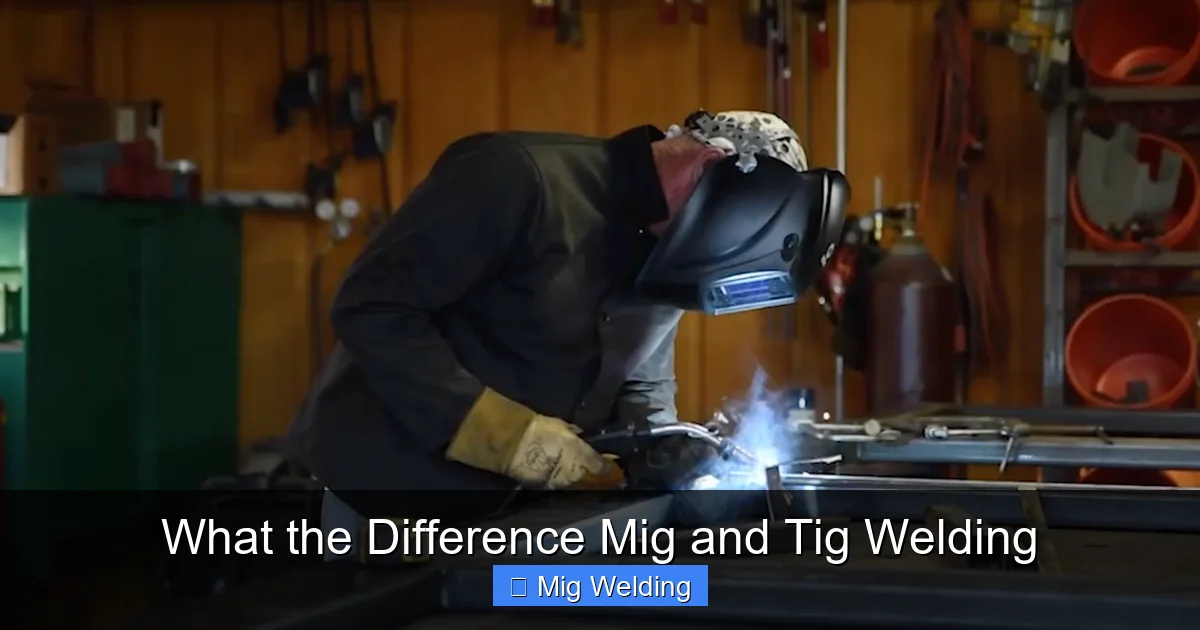
In this guide, we explore the main differences between MIG and TIG welding, two popular welding methods. You’ll learn about their unique features, applications, and which one is best suited for your needs. Whether you’re a beginner or experienced welder, understanding these differences helps you choose the right technique.
What the Difference MIG and TIG Welding
Welding is a vital skill in metal fabrication, repairs, and manufacturing. Among the various welding techniques, MIG (Metal Inert Gas) and TIG (Tungsten Inert Gas) welding are two of the most popular. Both methods have their strengths and ideal applications, but they differ significantly in process, equipment, and results. In this guide, we will explore what makes these welding techniques unique, their advantages and disadvantages, and help you decide which one suits your project best.
Key Takeaways
- MIG welding uses a continuous wire feed, making it faster and easier for beginners. It’s ideal for large projects and quick repairs.
- TIG welding employs a tungsten electrode with separate filler metal, offering precision and cleaner welds. Perfect for detailed work and thin materials.
- The equipment for MIG is simpler and more affordable, while TIG setups are more complex and costly.
- MIG is suitable for welding thicker materials and outdoor environments, thanks to its versatility. TIG excels in welding delicate, thin, or high-quality projects.
- Practicing proper safety measures is essential for both methods, including protective gear and proper ventilation.
- Choosing between MIG and TIG depends on the project type, material, budget, and desired weld quality.
Understanding MIG and TIG Welding
Before diving into the differences, it’s essential to understand what each process involves.
MIG Welding
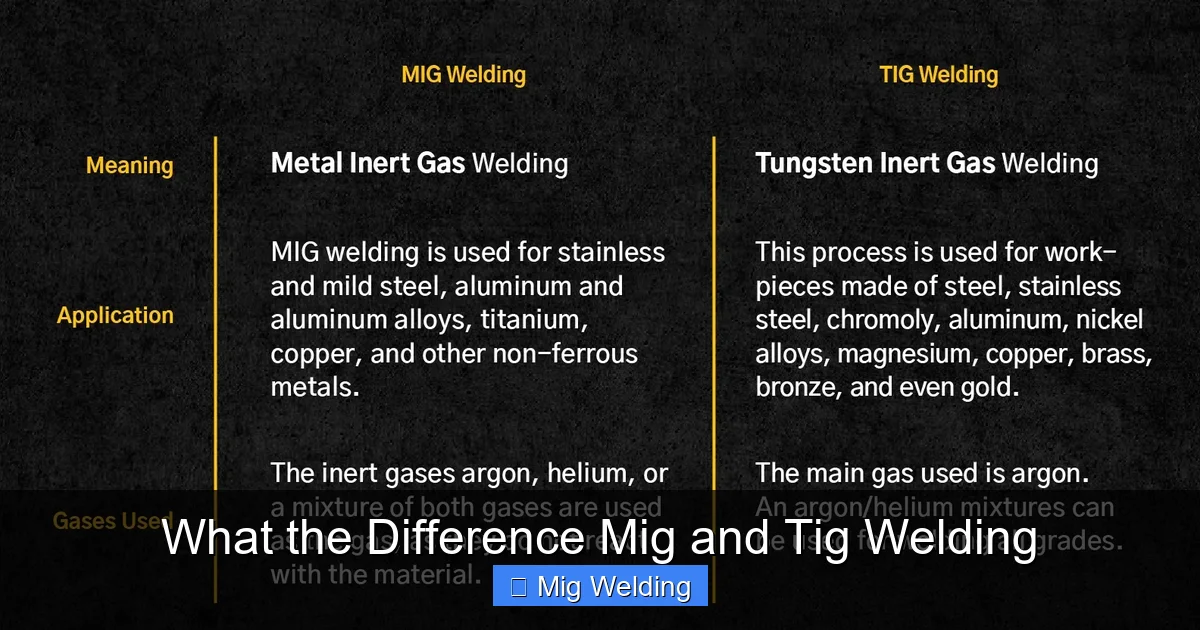
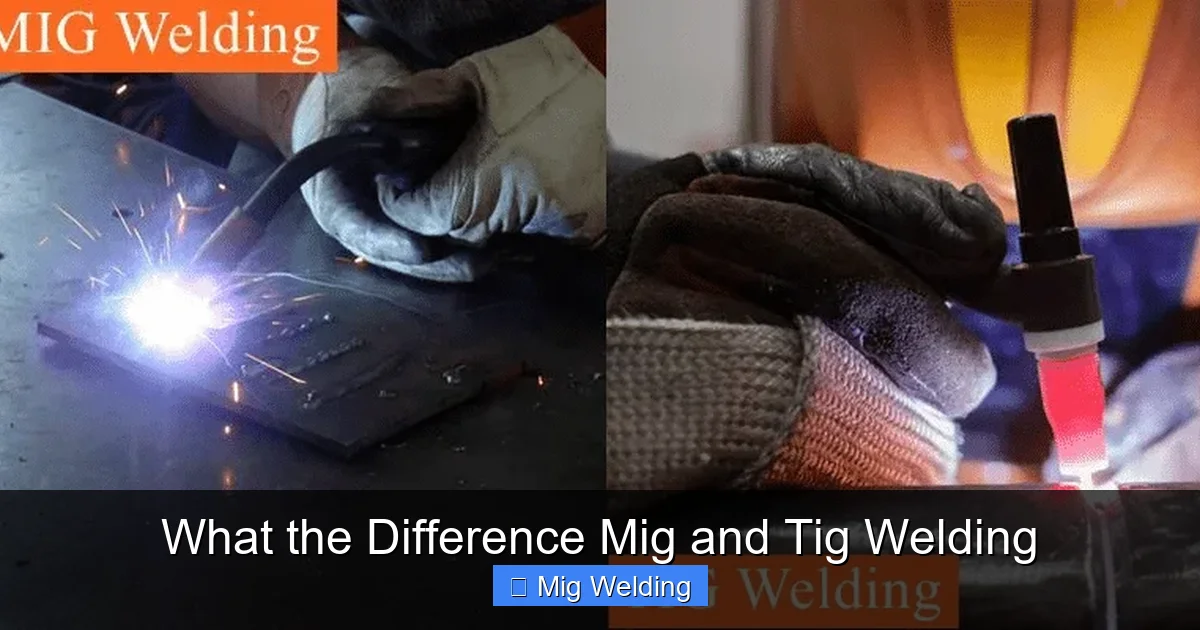
MIG welding, also known as Gas Metal Arc Welding (GMAW), uses a continuous wire electrode fed through a welding gun. The wire melts and fuses with the base metal, creating a weld. An inert shielding gas, usually argon or a mixture, protects the weld pool from contamination.
TIG Welding
TIG welding, or Gas Tungsten Arc Welding (GTAW), employs a non-consumable tungsten electrode to produce the weld. Filler metal is added manually if needed. A shielding gas, typically argon or helium, protects the weld area, resulting in highly precise and clean welds.
Step-by-Step Comparison of MIG and TIG Welding
1. Equipment Setup
MIG Welding Setup
- Choose a MIG welder suitable for your project size and material thickness.
- Install the spool of wire in the wire feeder.
- Connect the shielding gas cylinder (usually argon or a mix).
- Adjust wire feed speed and voltage according to material type.
TIG Welding Setup
- Select a TIG welder with a high-frequency start feature for better arc initiation.
- Insert the tungsten electrode into the torch.
- Attach the ground clamp securely to the workpiece.
- Set the correct amperage based on material thickness.
- Prepare and feed the filler rod manually as needed.
2. Preparing the Workpiece
Regardless of the method, proper preparation ensures a quality weld.
Visual guide about What the Difference Mig and Tig Welding
Image source: cdn.shopify.com
- Clean the metal surface thoroughly to remove dirt, rust, or oil.
- Cut and fit the pieces precisely for tight joints.
- Clamp or secure the workpiece to prevent movement.
3. Welding Technique and Execution
MIG Welding
- Hold the gun at a consistent angle, usually 10-15 degrees.
- Maintain a steady travel speed to ensure uniform bead formation.
- Use short or spray transfer modes depending on material and position.
TIG Welding
- Hold the torch at about 70-80 degrees to the workpiece.
- Maintain a steady hand for precise control.
- Feed the filler rod smoothly into the weld puddle when needed.
- Adjust amperage as you progress for consistent heat.
4. Finishing the Weld
- Inspect the weld for defects like porosity, cracks, or incomplete fusion.
- Clean the weld area with a wire brush or grinder to remove slag or oxidation.
- Perform any necessary post-weld treatments like grinding or polishing.
Practical Tips for Effective MIG and TIG Welding
- Practice makes perfect: Spend time practicing on scrap metal before working on your main project.
- Wear proper safety gear: Use gloves, welding helmet, protective clothing, and ensure good ventilation.
- Adjust settings carefully: Start with recommended parameters and fine-tune based on the results.
- Maintain your equipment: Regularly check and clean your welding tools for optimal performance.
Common Troubleshooting Tips
- Porosity in welds: Check shielding gas flow; leaks or contamination can cause porosity.
- Inconsistent welds: Ensure steady hand movement and proper settings.
- Burn-through: Reduce amperage or increase travel speed for thin materials.
- Porous or weak welds: Clean the workpiece thoroughly and verify gas coverage.
Choosing Between MIG and TIG
Deciding whether to use MIG or TIG depends on several factors:
Visual guide about What the Difference Mig and Tig Welding
Image source: i.ytimg.com
Visual guide about What the Difference Mig and Tig Welding
Image source: zintilon.com
- Project complexity: MIG is better for quick, large-scale projects; TIG excels in detailed, high-quality work.
- Material type: Thin metals like aluminum or stainless steel often require TIG for precision.
- Skill level: MIG is easier for beginners; TIG requires more practice and skill.
- Budget: MIG equipment tends to be less expensive and easier to set up.
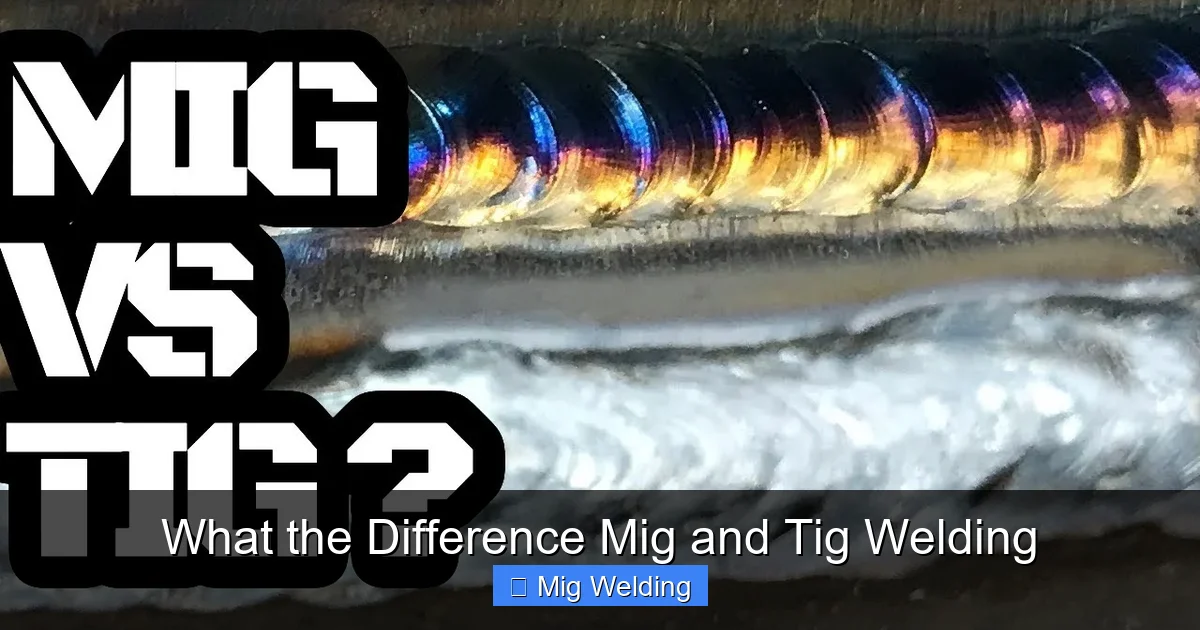
- Weld quality: TIG produces cleaner, more precise welds suitable for aesthetic finishes.
Conclusion
Understanding the differences between MIG and TIG welding helps you choose the right process for your project. While MIG welding offers speed and ease, TIG provides precision and cleaner results. Consider your material, project complexity, budget, and skill level when making your choice. Whichever method you choose, proper setup, safety, and practice are key to achieving excellent welds.
Final Thoughts
Welding is a valuable skill that opens many possibilities for metalwork projects. By mastering both MIG and TIG techniques, you expand your capabilities and produce professional-quality results. Keep learning, practicing, and prioritizing safety to become a proficient welder.
