

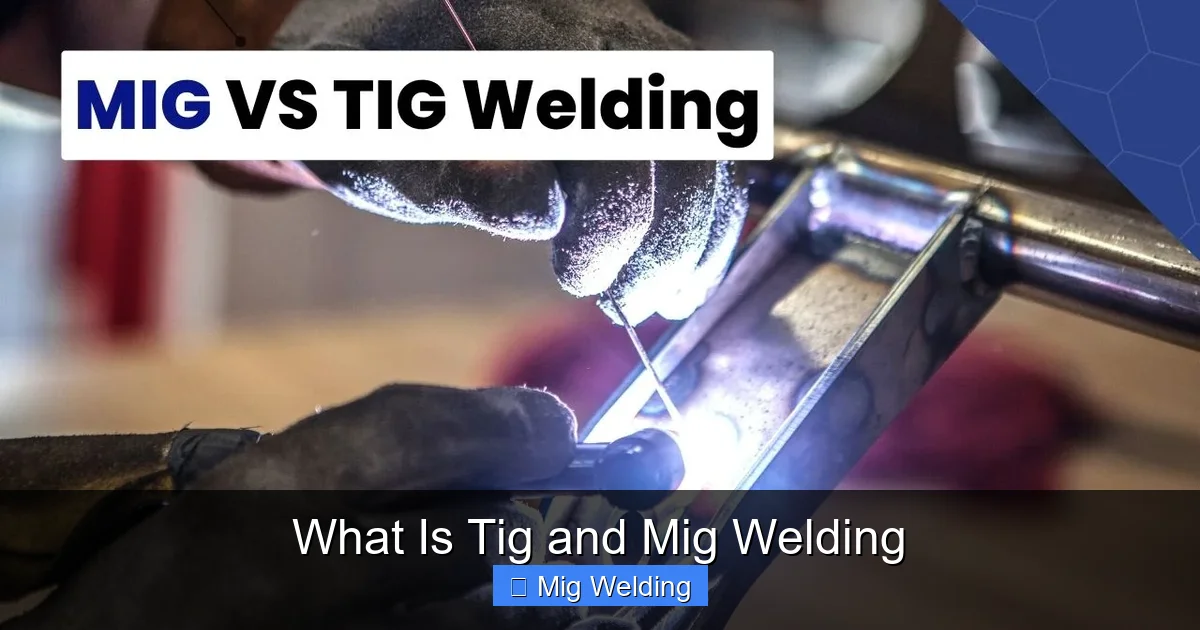
In this guide, we’ll explore what TIG and MIG welding are, their key differences, and how to choose the right method for your needs. Whether you’re a beginner or experienced welder, understanding these processes is essential for safe and successful projects.
What Is TIG and MIG Welding
If you’re interested in welding, you’ve probably heard of TIG and MIG welding. Both are popular techniques used to join metals, but they work differently and are suited for different tasks. In this guide, we’ll break down what each process involves, how they differ, and how you can get started with them. By the end, you’ll understand which method is best for your project and how to use it safely and effectively.
Key Takeaways
- What is MIG welding: A welding process that uses a continuous wire feed and shielding gas to join metals quickly and efficiently.
- What is TIG welding: A precise welding method that uses a tungsten electrode and shielding gas for high-quality, clean welds.
- Differences: MIG is faster and easier for beginners, while TIG offers greater control and cleaner finishes.
- Applications: MIG is ideal for quick repairs and thicker metals; TIG is better for detailed, high-precision work.
- Safety tips: Always wear protective gear, ensure proper ventilation, and handle equipment carefully.
- Choosing the right process: Consider project size, metal type, and desired finish when selecting between MIG and TIG welding.
Introduction to Welding
Welding is a process of joining metals by melting and fusing them together. It’s used in construction, manufacturing, automotive repair, and many DIY projects. The two most common types are MIG (Metal Inert Gas) and TIG (Tungsten Inert Gas) welding. Both require specific equipment, techniques, and safety measures. Let’s dive into each one to see how they work.
What Is MIG Welding?
Definition and Overview
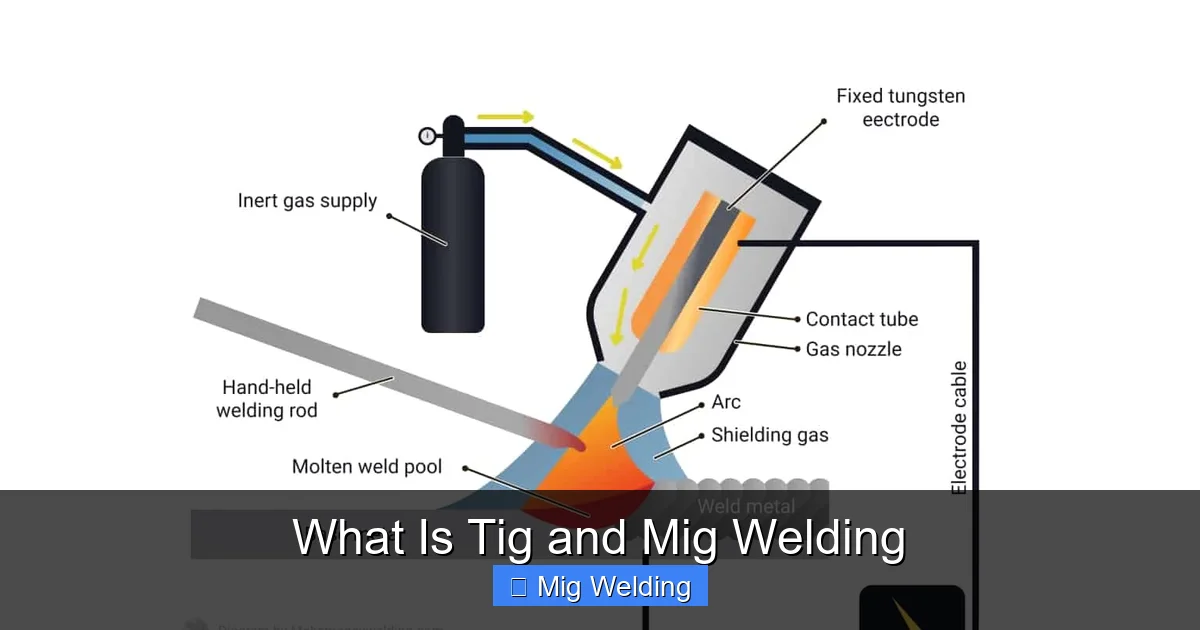
MIG welding, also called Gas Metal Arc Welding (GMAW), uses a continuously feeding wire that acts as both the electrode and the filler material. A shielding gas, usually argon or a mix, protects the weld from contamination. It’s known for its speed, ease of use, and versatility.
Visual guide about What Is Tig and Mig Welding
Image source: makemoneywelding.com
How MIG Welding Works
In MIG welding, the welder holds a gun that emits a wire electrode. When activated, the wire melts and fuses with the base metal. The shielding gas protects the molten weld from oxygen and other contaminants, ensuring a strong bond. This process is often used on steel, aluminum, and other metals.
Pros and Cons of MIG Welding
- Pros: Fast, easy for beginners, good for thick materials, minimal cleanup.
- Cons: Less precise, more equipment needed, not ideal for outdoor work with wind or drafts.
Common Uses of MIG Welding
- Automotive repairs
- Fabrication of metal frames
- Industrial manufacturing
- Home DIY projects
What Is TIG Welding?
Definition and Overview
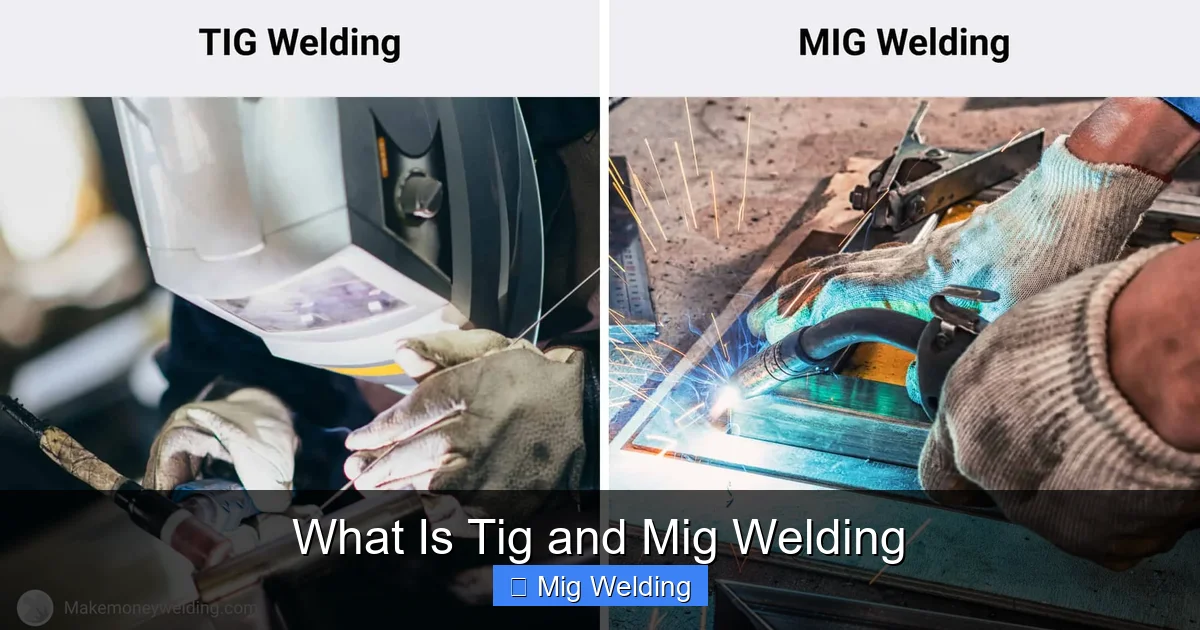
TIG welding, or Gas Tungsten Arc Welding (GTAW), uses a tungsten electrode to produce the weld. It offers high precision and produces clean, high-quality welds. It requires more skill but is favored for detailed or delicate work.
Visual guide about What Is Tig and Mig Welding
Image source: makemoneywelding.com
How TIG Welding Works
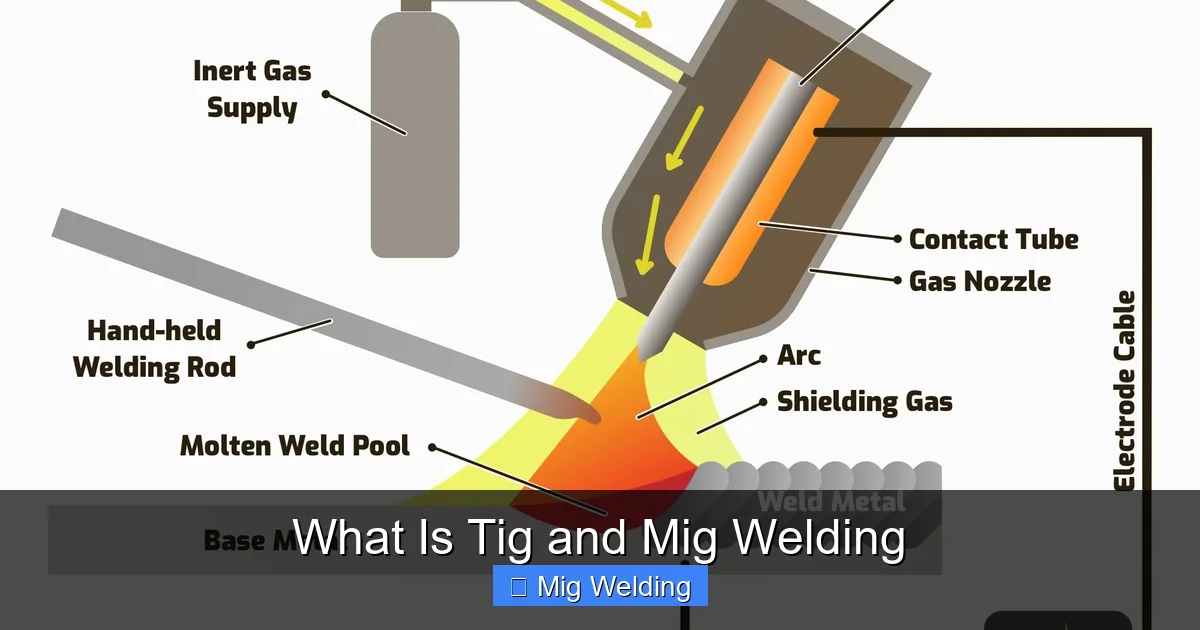
In TIG welding, the welder holds a torch with a tungsten electrode. No filler metal is added unless needed; if so, it’s fed manually. The process uses shielding gas (usually argon) to protect the weld area. The welder controls the heat with a foot pedal or torch trigger, allowing for precise heat control.
Pros and Cons of TIG Welding
- Pros: High-quality, clean welds; excellent control; suitable for thin metals and detailed work.
- Cons: Slower process; requires more skill; equipment is more expensive.
Common Uses of TIG Welding
- Jewelry making
- Aircraft and aerospace components
- Artistic projects
- Thin metal sheets and delicate parts
Key Differences Between TIG and MIG Welding
- Speed: MIG is faster; TIG takes longer but offers greater control.
- Skill Level: MIG is easier for beginners; TIG requires more training and practice.
- Finish Quality: TIG produces cleaner, more precise welds; MIG may leave more spatter.
- Application: MIG suits quick repairs and thicker metals; TIG is ideal for detailed, high-precision work.
- Equipment: MIG uses a spool of wire and a simple gun; TIG uses a tungsten electrode and more complex setup.
How to Choose Between TIG and MIG Welding
When deciding which process to use, consider these factors:
Visual guide about What Is Tig and Mig Welding
Image source: weldguru.com
- Project Type: For quick repairs or thicker materials, MIG is better. For detailed work or thin metals, choose TIG.
- Skill Level: Beginners might prefer MIG due to its simplicity.
- Finish Quality: TIG provides cleaner and more precise welds.
- Budget: TIG equipment can be more expensive, and it takes more time to master.
Getting Started with MIG Welding
Required Equipment
- MIG welder machine
- Wire spool (steel, aluminum, or other metals)
- Shielding gas (argon, CO2, or mix)
- Welding helmet and protective gear
- Clamps and work surface
Step-by-Step Instructions
1. Set Up Your Equipment
Attach the wire spool to your MIG welder. Connect the gas cylinder and set the flow rate (typically 20-30 CFH). Wear protective gear, including a welding helmet, gloves, and apron.
2. Prepare Your Workpiece
Clean the metal surface thoroughly to remove rust, oil, and dirt. Use a wire brush or grinder if needed. Secure your workpiece with clamps.
3. Adjust Settings
Set the wire feed speed and voltage according to the thickness of your metal. Consult your welder’s manual for recommended settings.
4. Start Welding
Hold the welding gun at a 15-20 degree angle. Pull the trigger to start the wire feed. Move steadily along the joint, maintaining a consistent speed and arc length.
5. Finish and Inspect
Release the trigger and let the weld cool. Inspect your weld for proper fusion and look for any defects. Clean up any spatter if necessary.
Getting Started with TIG Welding
Required Equipment
- TIG welder machine
- Pure tungsten or thoriated tungsten electrodes
- Shielding gas (argon)
- Filler rod (if needed)
- Welding helmet with a clear lens
- Protective gloves and apron
Step-by-Step Instructions
1. Set Up Your Equipment
Install the tungsten electrode into the torch. Connect the gas line and set the flow rate (around 15-20 CFH). Wear all protective gear.
2. Prepare Your Metal
Clean the workpiece thoroughly. Remove rust, oil, and dirt. Clamp or secure the metal in place.
3. Adjust Settings
Set the amperage based on metal thickness. Practice controlling the torch and pedal (if available) for smooth heat control.
4. Initiate the Arc
Hold the torch close to the metal surface and touch it briefly to create an arc. Keep the tungsten tip just above the metal, not touching it.
5. Weld with Precision
Move the torch steadily along the joint. Add filler rod manually if needed. Maintain a consistent arc length and speed for a clean weld.
6. Finish and Clean
Turn off the arc, let the weld cool naturally. Inspect your work for quality. Clean any oxidation if needed.
Practical Tips for Success
- Practice: Experiment with settings on scrap metal before working on your actual project.
- Ventilation: Always weld in a well-ventilated area to avoid inhaling fumes.
- Safety gear: Never skip protective equipment. Welding produces intense UV rays, sparks, and fumes.
- Consistent movement: Keep a steady hand and consistent speed for quality welds.
- Maintenance: Regularly check and maintain your welding equipment for safety and performance.
Troubleshooting Common Welding Problems
- Porosity (holes in weld): Caused by contaminated metal or insufficient shielding gas. Clean your workpiece and check gas flow.
- Weak welds: May result from incorrect settings or poor technique. Increase heat or adjust wire feed.
- Spatter: Excess spatter indicates too much heat or improper wire speed. Adjust settings accordingly.
- Cracks: Usually due to rapid cooling or poor technique. Use proper heat control and avoid cold starts.
Conclusion
Understanding the differences between TIG and MIG welding helps you choose the right process for your project. MIG welding is perfect for quick, versatile tasks, while TIG offers precision and a cleaner finish. With proper equipment, safety measures, and practice, anyone can learn to weld effectively. Whether you’re repairing a car or creating art, mastering these techniques opens up a world of possibilities in metalwork.
Start Welding Today!
Now that you know what TIG and MIG welding are, why not try them out? Start with simple projects, follow safety guidelines, and keep practicing. Welding is a skill that improves with time and patience. Happy welding!
