

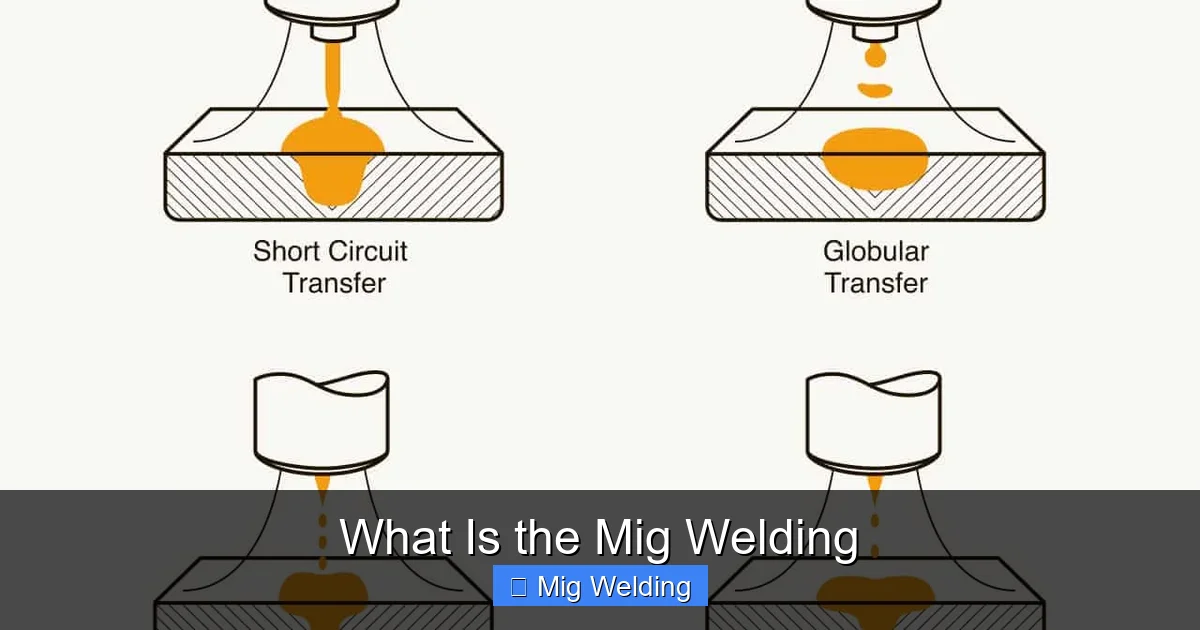
MIG welding is a popular welding process that uses a continuous wire feed and shielding gas to join metals. It’s easy to learn, versatile, and ideal for both beginners and professionals. In this guide, you’ll learn how MIG welding works, the necessary equipment, step-by-step instructions, and troubleshooting tips.
Key Takeaways
- MIG welding stands for Metal Inert Gas welding, also known as Gas Metal Arc Welding (GMAW).
- The process involves feeding a consumable wire electrode through a welding gun, which melts to join metals together.
- Shielding gas protects the weld pool from contamination, usually using argon, CO2, or a mix of both.
- Advantages include ease of use, fast welding speed, and suitability for various metals and thicknesses.
- Essential equipment includes a MIG welder, wire feed system, shielding gas, and safety gear.
- Proper technique involves maintaining the correct distance, angle, and travel speed for quality welds.
- Troubleshooting common issues like porosity, burn-through, or weak welds can often be fixed by adjusting settings or technique.
Introduction: What Is MIG Welding?
If you’re interested in metalworking or construction, you’ve probably heard of MIG welding. It’s one of the most common and easiest welding methods to learn. Whether you’re a hobbyist or a professional, understanding what MIG welding is can open up many project possibilities.
In this guide, you’ll learn exactly what MIG welding involves, the equipment needed, how to perform a weld step-by-step, and tips to improve your technique. By the end, you’ll have a solid understanding of this versatile welding process.
What Is MIG Welding? An Overview
Definition and Explanation
MIG welding, or Metal Inert Gas welding, is a type of arc welding that uses a continuous wire feed as an electrode and a shielding gas to protect the weld from contamination. It’s also called Gas Metal Arc Welding (GMAW) because of the use of shielding gas.
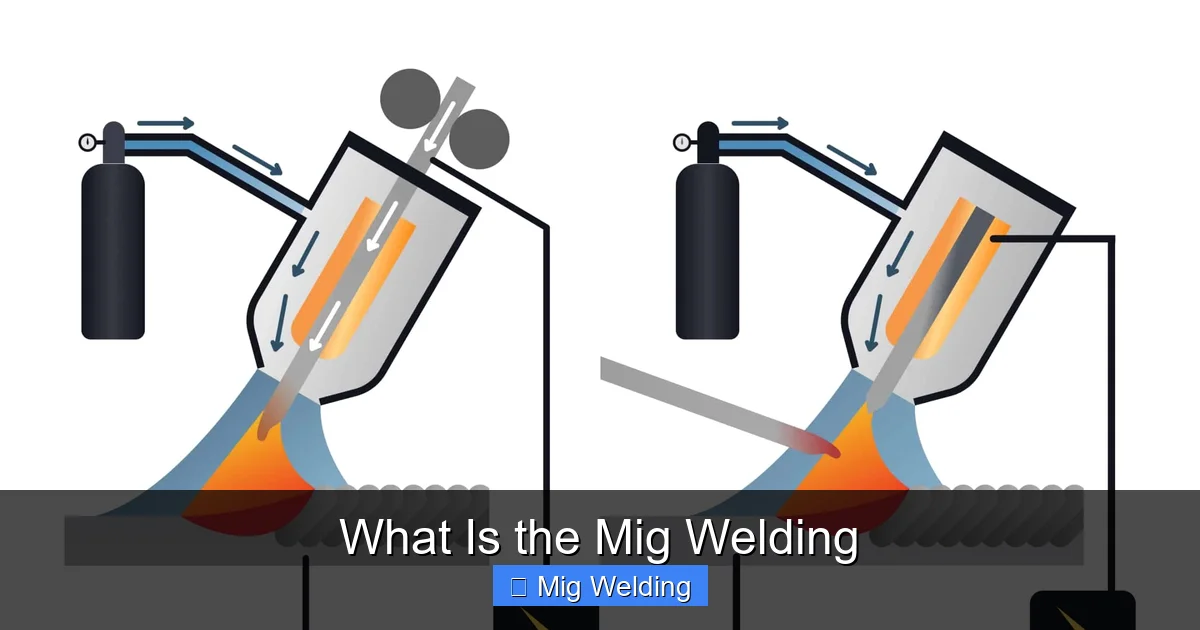
Visual guide about What Is the Mig Welding
Image source: makemoneywelding.com
This process allows for fast, clean, and strong welds, making it popular across industries like automotive, construction, and manufacturing. It’s especially valued for its ease of learning and adaptability to different metals and thicknesses.
How Does MIG Welding Work?
In MIG welding, an electric arc forms between a spool of wire and the metal workpiece. The wire melts and fills the joint, creating a strong bond. Meanwhile, a shielding gas flows around the weld area, preventing oxidation and impurities from entering the weld pool.
Think of it as a “hot glue gun” for metals, where the wire acts as the glue, and the shielding gas keeps the glue from getting contaminated.
Equipment Needed for MIG Welding
MIG Welder
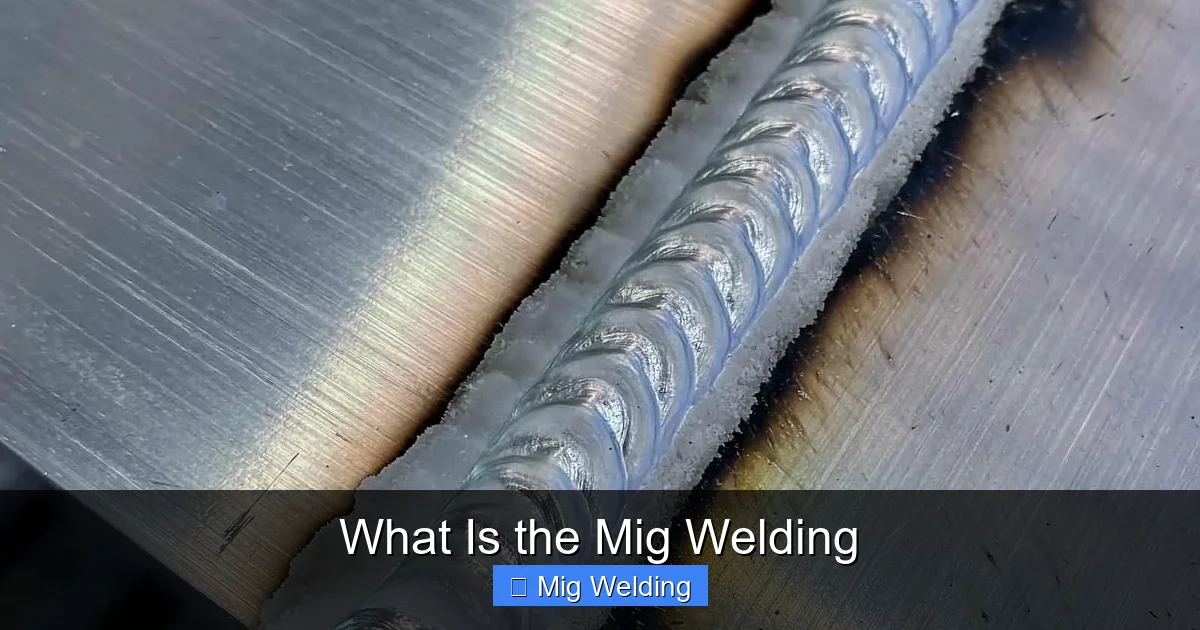
The main machine, known as a MIG welder, powers the process. It controls the current and voltage, and features a wire feed system. There are different models suitable for various projects—from lightweight home units to industrial-grade welders.
Visual guide about What Is the Mig Welding
Image source: weldguru.com
Welding Wire
The wire acts as both the electrode and filler material. Common types include ER70S-6 for steel, ER4043 for aluminum, and others depending on the metal being welded.
Shielding Gas
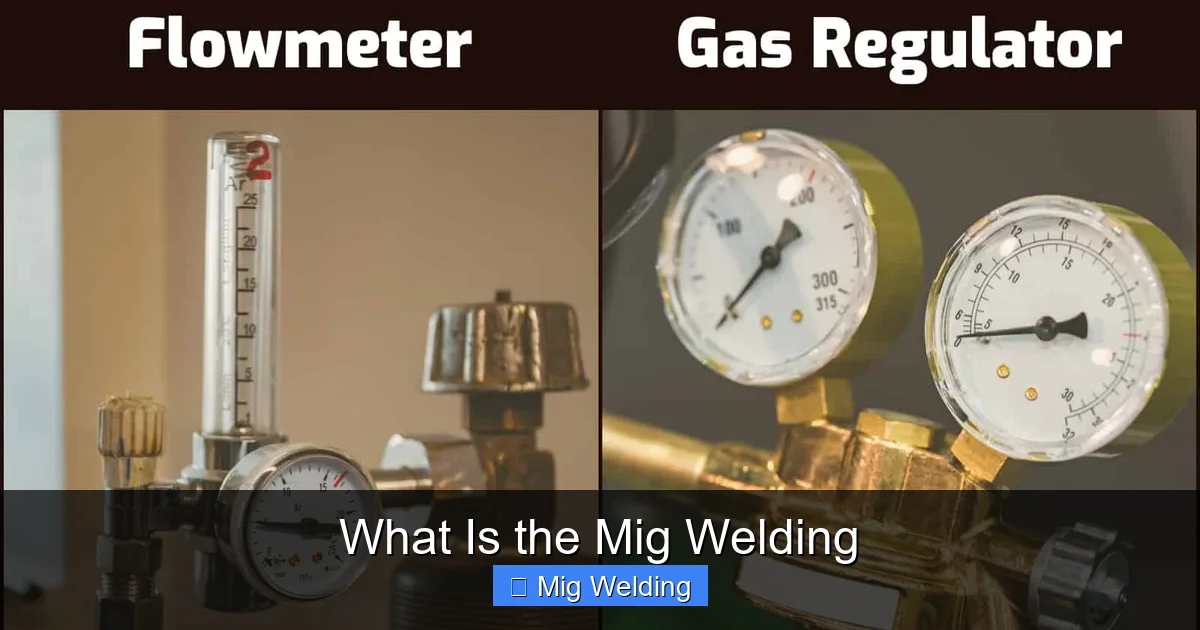
Typically, argon, CO2, or a mix of both is used. The choice depends on the metal and the desired weld quality. For example, pure argon works well with aluminum, while a CO2 mix offers deeper penetration for steel.
Welding Helmet and Safety Gear
Always wear a proper welding helmet, gloves, long sleeves, and respiratory protection if needed. Safety comes first!
Step-by-Step Guide to MIG Welding
Step 1: Prepare Your Workspace
Choose a well-ventilated area free of flammable materials. Clear the workspace of clutter and ensure good lighting.
Visual guide about What Is the Mig Welding
Image source: weldguru.com
Set up your welding station on a stable surface. Keep a fire extinguisher nearby.
Step 2: Gather and Inspect Equipment
Check your welder, wire spool, and gas supply. Ensure all connections are secure and the equipment is in good condition.
Wear your safety gear before starting.
Step 3: Set the Welding Parameters
Adjust the wire feed speed and voltage based on your material and thickness. Consult your welder’s manual or a welding chart for guidance.
- Wire feed speed: Controls how fast the wire is fed into the weld.
- Voltage: Determines the heat of the arc.
For beginners, start with recommended settings and adjust as needed.
Step 4: Prepare the Metal
Clean the metal surface thoroughly. Remove rust, paint, oil, or dirt with a wire brush or grinder.
Clamp the pieces securely in place to prevent movement during welding.
Step 5: Set Up the Welding Gun
Insert the wire spool into the machine. Attach the grounding clamp to your workpiece. Connect the shielding gas hose.
Adjust the gun’s contact tip to ensure a smooth feed without excessive slack or tension.
Step 6: Start Welding
Put on your helmet, gloves, and protective gear. Hold the welding gun at a 15-20 degree angle.
Press the trigger to start the arc. Maintain a steady hand and consistent travel speed.
Keep the tip about 1/4 inch from the work surface—too close can cause burn-through, too far can cause weak welds.
Step 7: Monitor and Adjust
Watch the weld pool and adjust your speed accordingly. A steady, smooth motion produces the best results.
Stop periodically to check your weld for consistency and quality.
Tips for Better MIG Welding
- Practice on scrap metal: Before working on your actual project, practice to get comfortable with settings and technique.
- Maintain a consistent speed: Moving too fast or too slow can cause defects.
- Keep the nozzle clean: Remove spatter buildup for better gas coverage.
- Use proper technique: Maintain the correct gun angle and distance for a cleaner weld.
Troubleshooting Common MIG Welding Issues
Porosity or Holes in the Weld
Cause: Insufficient shielding gas or contamination.
Solution: Check for leaks, increase gas flow rate, and clean metal surface thoroughly.
Burn-Through
Cause: Excessive heat or too high voltage.
Solution: Lower the voltage or travel speed, or use a thinner weld bead.
Weak or Porous Welds
Cause: Poor technique or incorrect settings.
Solution: Improve your technique, ensure proper settings, and maintain consistent speed.
Conclusion: Mastering MIG Welding
MIG welding is a versatile, user-friendly process that can produce strong, clean welds when done correctly. With the right equipment, preparation, and technique, you can tackle a variety of projects—whether repairing a car, building a fence, or creating art. Practice regularly, stay safe, and enjoy the process of welding.
Remember, patience and attention to detail are key. Keep honing your skills and experimenting with different settings to achieve the best results. Happy welding!
