

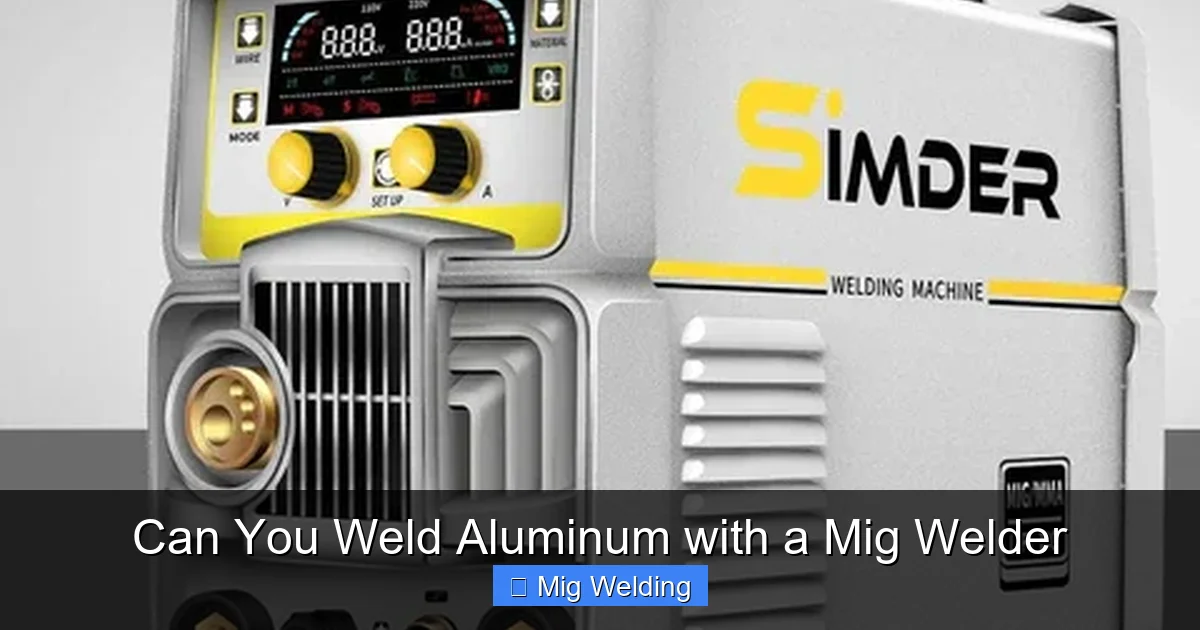
Welding aluminum with a MIG welder is possible, but it requires specific equipment, settings, and techniques. In this guide, you’ll learn step-by-step how to weld aluminum effectively using a MIG welder, along with helpful tips to ensure strong, clean welds. Whether you’re a beginner or experienced welder, mastering aluminum MIG welding opens new possibilities for your projects.
Key Takeaways
- Use a spool gun or a dedicated aluminum wire feeder: Aluminum wire is soft and tends to jam; a spool gun helps feed wire smoothly.
- Choose the right shielding gas: Pure argon or a mix of argon and helium provides optimal shielding for aluminum.
- Set proper welding parameters: Use lower voltage and faster wire feed speeds to prevent burn-through and achieve clean welds.
- Prepare aluminum surfaces thoroughly: Clean with a wire brush or chemical cleaner to remove oxidation and contaminants.
- Practice good welding techniques: Maintain a steady hand, correct torch angle, and consistent travel speed for best results.
- Address common issues: Troubleshoot porosity, weak welds, or burn-through by adjusting gas flow, wire feed speed, or cleaning properly.
Introduction
If you’re wondering whether you can weld aluminum with a MIG welder, the answer is yes—under the right conditions. Aluminum is a popular metal for many projects, from automotive parts to boat building. However, welding aluminum requires specific techniques and equipment because it behaves differently from steel. In this comprehensive guide, we’ll walk you through everything you need to know to successfully MIG weld aluminum. From choosing the right equipment to preparing your materials and troubleshooting common problems, you’ll gain the confidence to tackle aluminum welding projects.
Understanding Welding Aluminum with a MIG Welder
MIG (Metal Inert Gas) welding, also known as GMAW (Gas Metal Arc Welding), is a popular process for welding metals quickly and with minimal cleanup. While it’s straightforward for steel, aluminum presents unique challenges because of its high thermal conductivity, oxide layer, and softness. To weld aluminum with a MIG welder, you need specific equipment, settings, and techniques to get strong, clean welds.
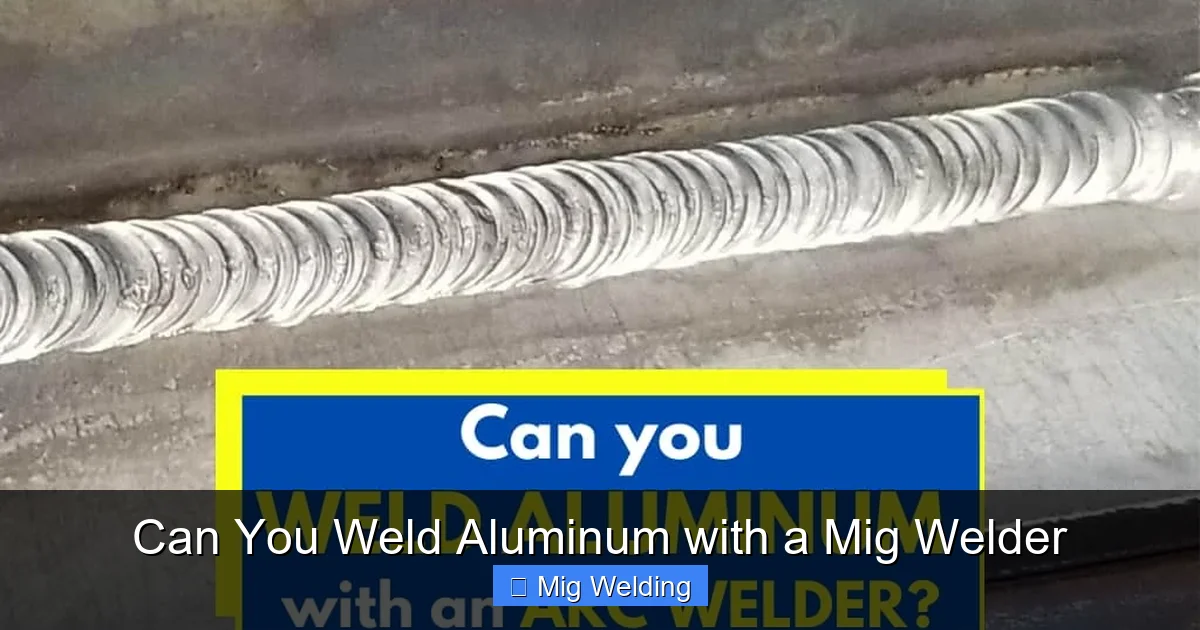
Visual guide about Can You Weld Aluminum with a Mig Welder
Image source: weldingtroop.com
Equipment Needed for MIG Welding Aluminum
1. MIG Welder with Aluminum Capabilities
Not all MIG welders are suitable for aluminum. Ensure your welder can handle thin metals and has adjustable voltage and wire feed controls. Ideally, use a welder with a spool gun or a dedicated aluminum wire feeder.
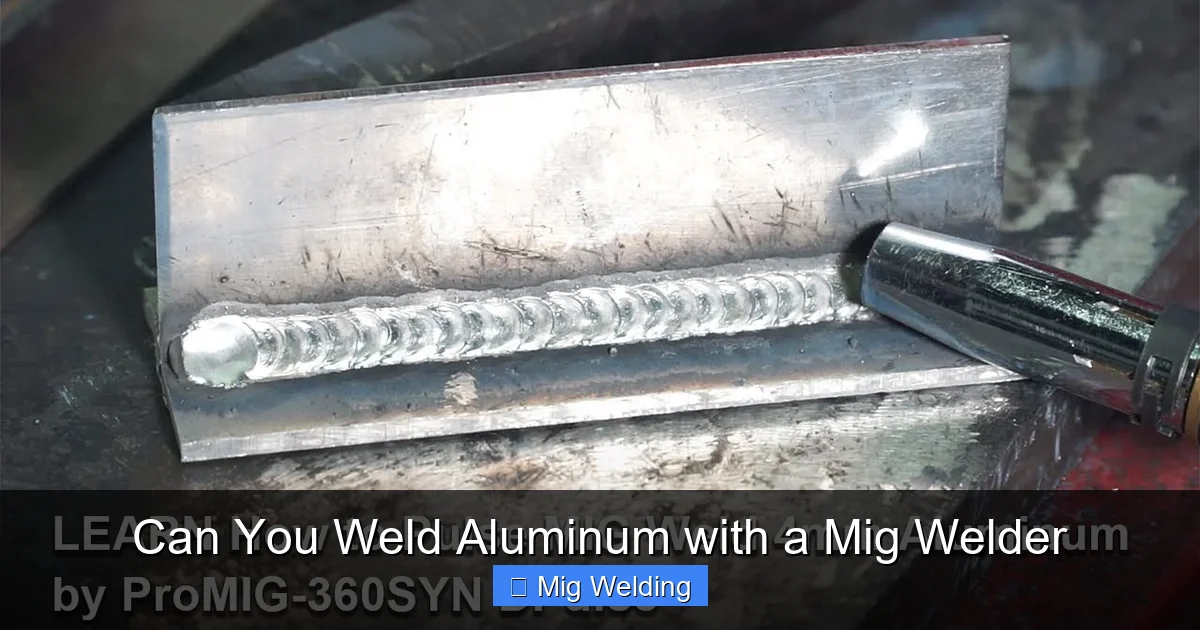
Visual guide about Can You Weld Aluminum with a Mig Welder
Image source: i.ytimg.com
2. Spool Gun or Dedicated Aluminum Wire Feeder
Aluminum wire is soft and tends to jam in standard feeders. A spool gun feeds the wire directly to the weld area, reducing jams and improving control. Using a dedicated aluminum wire feeder ensures smoother operation.
3. Aluminum Welding Wire
Use a spool of aluminum wire designed for MIG welding, typically ER4043 or ER5356 alloys. ER4043 is common for general-purpose welding, while ER5356 offers higher strength and corrosion resistance.
4. Shielding Gas
Pure argon is the most common shielding gas for aluminum, providing stable arc and good weld quality. Sometimes, a mix of argon and helium (like 75% argon, 25% helium) is used for deeper penetration and faster welds.
5. Proper Safety Equipment
Always wear appropriate safety gear, including a welding helmet, gloves, apron, and eye protection.
Preparing Your Aluminum for Welding
1. Clean the Surface
Aluminum forms a stubborn oxide layer that must be removed before welding. Use a stainless steel wire brush dedicated to aluminum to scrub the surface thoroughly. Chemical cleaners like acetone or specialized aluminum cleaners can also help remove grease and dirt.
2. Remove Oxidation
Oxide layer is insulating and causes porosity if not removed. Clean the area until it shines and no oxidation remains.
3. Clamping and Fixturing
Secure the aluminum pieces firmly to prevent movement during welding. Use clamps that won’t contaminate the metal surface.
Setting Up Your MIG Welder for Aluminum
1. Adjusting Voltage and Wire Feed Speed
Start with lower voltage settings and a higher wire feed speed than you’d use for steel. For example, around 16-18 volts and 300-400 inches per minute (IPM) wire feed, but always refer to your welder’s manual.
2. Selecting the Right Shielding Gas
Set your gas flow rate to around 20-30 CFH (cubic feet per hour). Ensure no drafts are present to avoid contamination.
3. Using the Spool Gun
Attach the spool gun to your welder, load the aluminum spool, and ensure it feeds smoothly without jams.
Welding Technique for Aluminum MIG Welding
1. Positioning and Preparation
Hold the torch at a 15-20 degree angle, pointing the tip toward the weld pool. Keep a consistent distance of about 1/2 inch from the workpiece.
2. Maintaining a Steady Travel Speed
Move at a steady pace to prevent burn-through or weak welds. Practice on scrap pieces to find the optimal speed.
3. Using Short Circuits or Spray Transfer
For thin aluminum, short circuit transfer is common. For thicker materials, spray transfer provides deeper penetration and smoother welds.
4. Welding in Short Passes
For best results, weld in small sections, letting the material cool slightly between passes to prevent warping.
Practical Tips for Successful Aluminum MIG Welding
- Always clean the surface before welding.
- Use a dedicated spool gun for better wire feed control.
- Adjust your settings based on the thickness of the aluminum.
- Practice on scrap pieces to refine your technique.
- Maintain a consistent arc length and travel speed.
- Ensure proper shielding gas coverage to prevent porosity.
Troubleshooting Common Issues
Porosity or Holes in the Weld
This often results from contaminated surface or insufficient shielding gas. Clean thoroughly and check for leaks or drafts.
Weak or Cracked Welds
Adjust voltage and wire feed settings. Ensure proper technique and that the material is clean.
Burn-Through
Reduce heat input by lowering voltage and increasing travel speed. Use thinner wire and avoid excessive heat buildup.
Wire Jamming
Switch to a spool gun or check for debris or tangles in the wire spool.
Conclusion
MIG welding aluminum is achievable with the right equipment, preparation, and technique. It opens up many possibilities for your metalworking projects. Remember to keep the surface clean, use proper shielding gas, and practice regularly. With patience and attention to detail, you’ll be welding aluminum confidently in no time.
Final Tips
- Invest in a dedicated aluminum spool gun if you plan to do frequent aluminum welding.
- Always wear safety gear and work in a well-ventilated area.
- Practice on scrap before working on your main project to dial in your settings.
