

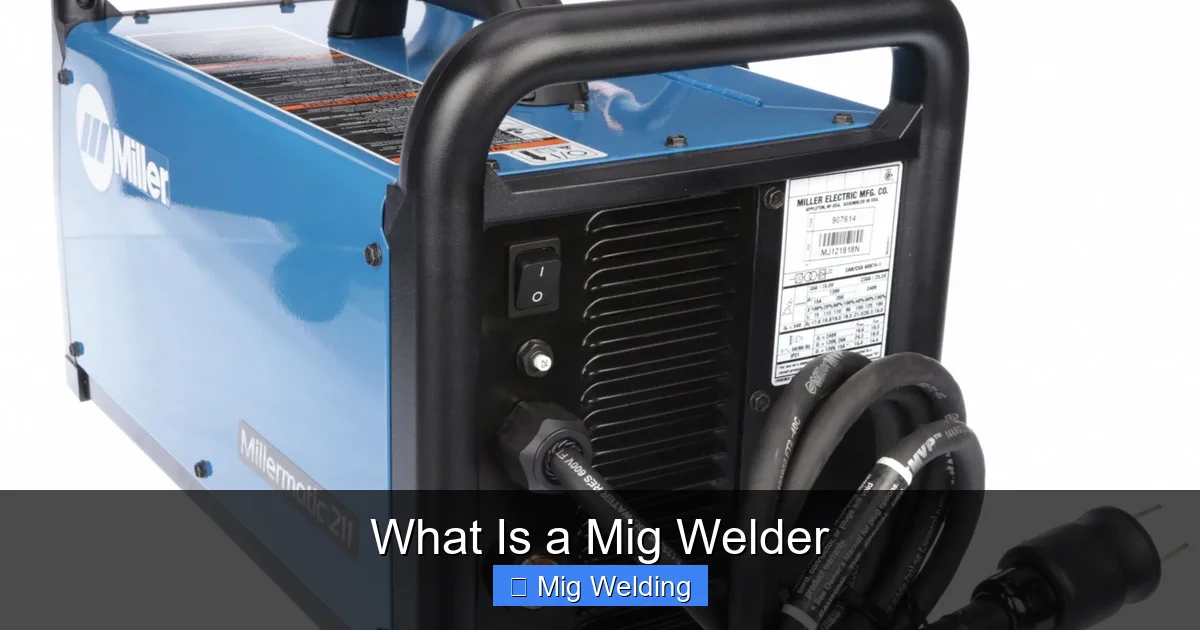
A MIG welder is a popular welding machine that uses a continuous wire feed and shielding gas to create strong, clean welds. This guide explores what a MIG welder is, how it works, and how to use it efficiently for various projects.
Key Takeaways
- What is a MIG welder: A welding machine that uses a wire feed and shielding gas to join metals quickly and cleanly.
- How it works: It melts a continuously fed wire with an electric arc, protected by shielding gas, to create strong welds.
- Common uses: Ideal for automotive, construction, and DIY metal projects due to ease of use and speed.
- Advantages: Fast, versatile, produces clean welds, and is beginner-friendly with practice.
- Safety tips: Always wear protective gear and work in well-ventilated areas to stay safe.
- Choosing the right MIG welder: Consider power, wire types, and project size when selecting a MIG welder.
What Is a MIG Welder? A Complete Guide
If you’re new to welding or looking to expand your toolkit, understanding what a MIG welder is can be a great first step. MIG, or Metal Inert Gas welding, is one of the most popular welding methods today. It’s known for being user-friendly, fast, and producing high-quality welds. In this guide, we’ll explore what a MIG welder is, how it works, its benefits, and tips for using it effectively.
What Is a MIG Welder?
A MIG welder is a type of welding machine that uses a continuous wire feed as the electrode and a shielding gas to protect the weld from contaminants. This method is also called Gas Metal Arc Welding (GMAW). It’s widely used in industrial, automotive, and DIY projects because of its ease of use and efficiency.
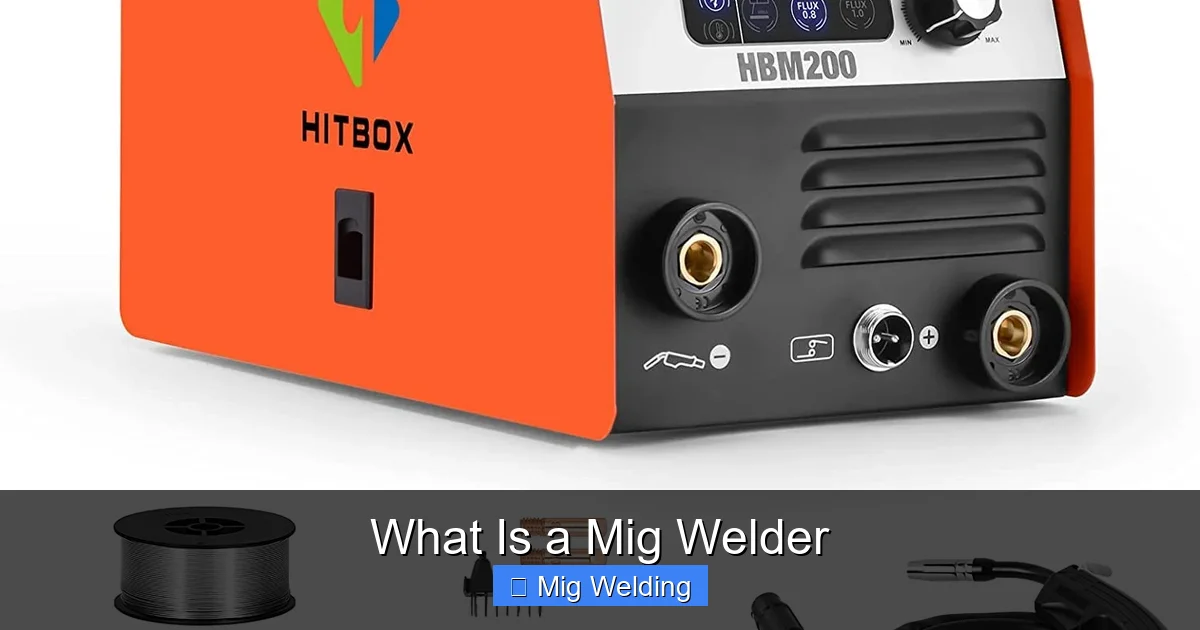
Visual guide about What Is a Mig Welder
Image source: m.media-amazon.com
How Does a MIG Welder Work?
The Basic Process
In MIG welding, an electric arc forms between a spool of wire (the electrode) and the workpiece. The wire melts, filling the joint with weld metal. Simultaneously, a shielding gas is released around the weld area to prevent oxidation and contamination.
Visual guide about What Is a Mig Welder
Image source: i2.wp.com
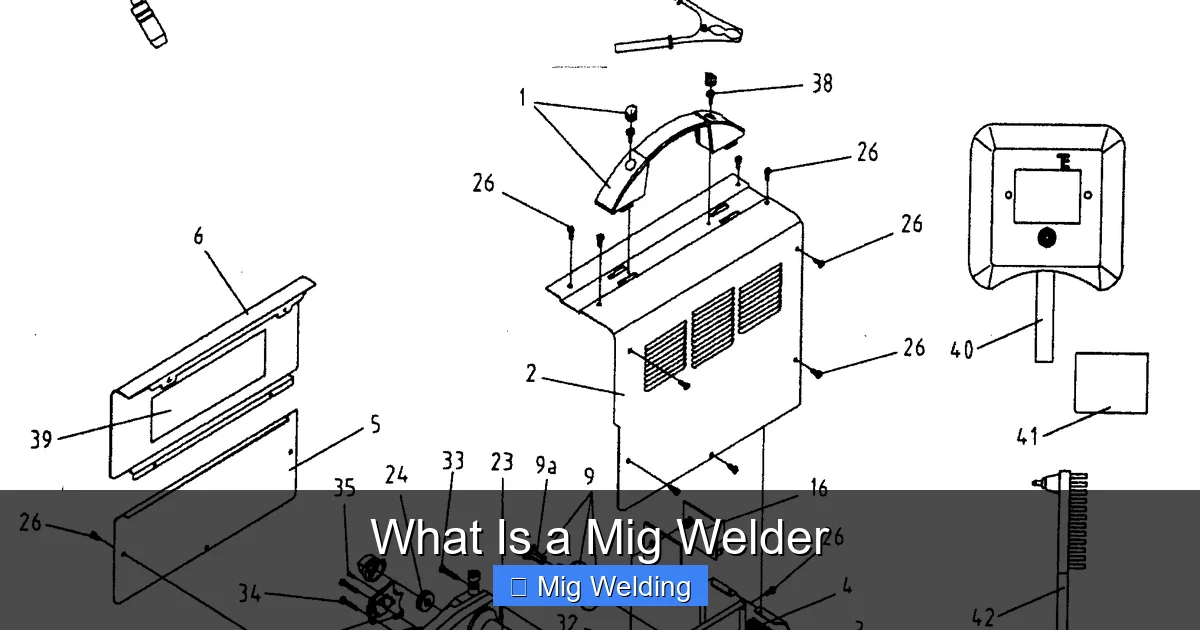
Key Components of a MIG Welder
- Wire Feed System: Feeds the continuous wire to the welding area.
- Electrode Wire: The consumable wire that melts to form the weld.
- Power Source: Provides the electrical energy needed to create the arc.
- Shielding Gas: Usually a mix of argon and carbon dioxide, protecting the weld pool.
- Gun/Nozzle: Directs the wire and shielding gas towards the workpiece.
Benefits of Using a MIG Welder
- Ease of Use: Its straightforward operation makes it suitable for beginners.
- Speed: Continuous wire feed allows for fast welding, ideal for large projects.
- Clean Welds: Shielding gas results in minimal spatter and a neat finish.
- Versatility: Capable of welding various metals like steel, aluminum, and stainless steel.
- Cost-Effective: Less setup time and fewer skills needed compared to other welding types.
Choosing the Right MIG Welder
Power and Size
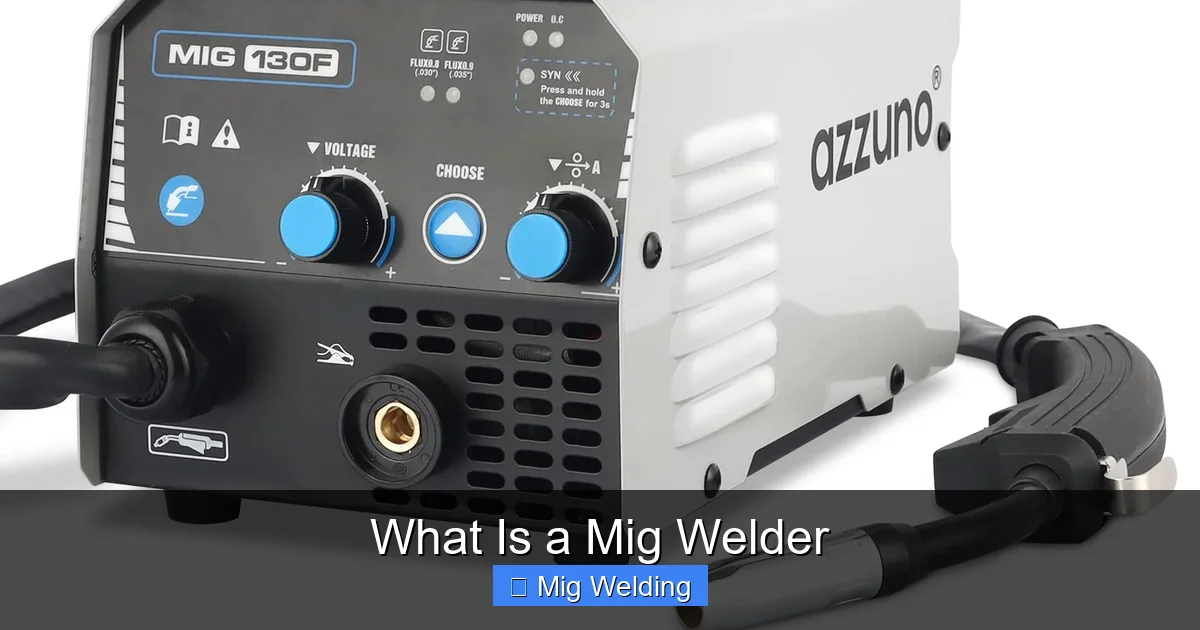
Consider the power output based on your project size. For small DIY projects, a 130-150 amp welder may suffice. For larger tasks, look for models with higher amperage.
Visual guide about What Is a Mig Welder
Image source: m.media-amazon.com
Wire Types and Compatibility
Different wires are suited for various metals. For example, ER70S-6 is common for steel, while aluminum requires a spool of aluminum wire. Ensure the welder supports the wire types you need.
Portability and Features
If you need to move your welder around, look for lightweight or portable models. Features like adjustable voltage, wire speed, and thermal overload protection can enhance usability.
Using a MIG Welder: Step-by-Step Guide
Preparation
- Gather safety gear: Wear a welding helmet, gloves, protective clothing, and eye protection.
- Set up your workspace: Work in a well-ventilated area free of flammable materials.
- Prepare your materials: Clean the metal surfaces to remove rust, paint, or dirt for better weld quality.
Setting Up the Welder
- Install the wire spool: Place the wire spool on the wire feed mechanism.
- Connect the gas supply: Attach the shielding gas cylinder and regulator.
- Adjust the settings: Set the voltage and wire speed according to the thickness of your metal and the welder’s manual.
Welding Process
Step 1: Position Your Workpiece
Clamp your metal pieces securely and position them properly. Maintain a steady hand and a comfortable stance.
Step 2: Strike the Arc
Hold the welding gun at a 10-15 degree angle and press the trigger to start the arc. Move the gun smoothly along the joint.
Step 3: Maintain Consistent Speed and Distance
Keep a steady travel speed and maintain the correct distance between the gun and the workpiece (usually about 1/4 inch). This ensures a uniform weld.
Step 4: Finish and Inspect
Once done, release the trigger and allow the weld to cool. Inspect the weld for uniformity, penetration, and any defects.
Practical Tips for MIG Welding Success
- Practice on scrap metal: Before working on your main project, practice to get the feel of the welder.
- Maintain consistent travel speed: This helps prevent weak spots or excessive spatter.
- Adjust settings as needed: Fine-tune voltage and wire speed based on your welds and material.
- Keep the gun nozzle clean: Remove any spatter or dirt regularly to prevent clogging.
- Use proper safety gear: Never neglect safety equipment to avoid injuries.
Troubleshooting Common MIG Welding Problems
- Porosity (holes in weld): Caused by contaminated gas or dirty metal. Solution: Clean your workpiece and check your gas supply.
- Spatter: Excessive spatter can result from too high voltage or improper wire feed. Solution: Adjust settings accordingly.
- Incomplete penetration: The weld doesn’t fuse properly. Solution: Increase heat or adjust the angle.
- Wire feeding issues: Jamming or uneven feed. Solution: Check the wire spool, feed rollers, and ensure proper tension.
Conclusion
A MIG welder is a versatile and user-friendly tool that’s perfect for both beginners and experienced welders. It offers fast, clean, and strong welds on various metals, making it a popular choice for many projects. By understanding how a MIG welder works, selecting the right model, and practicing proper technique, you can achieve professional-quality results. Remember to prioritize safety and keep practicing to improve your skills.
Final Thoughts
Whether you’re repairing a car, building a metal fence, or working on a DIY craft, a MIG welder can be a valuable addition to your toolkit. With patience and practice, you’ll become proficient in creating durable and attractive welds. Happy welding!
