

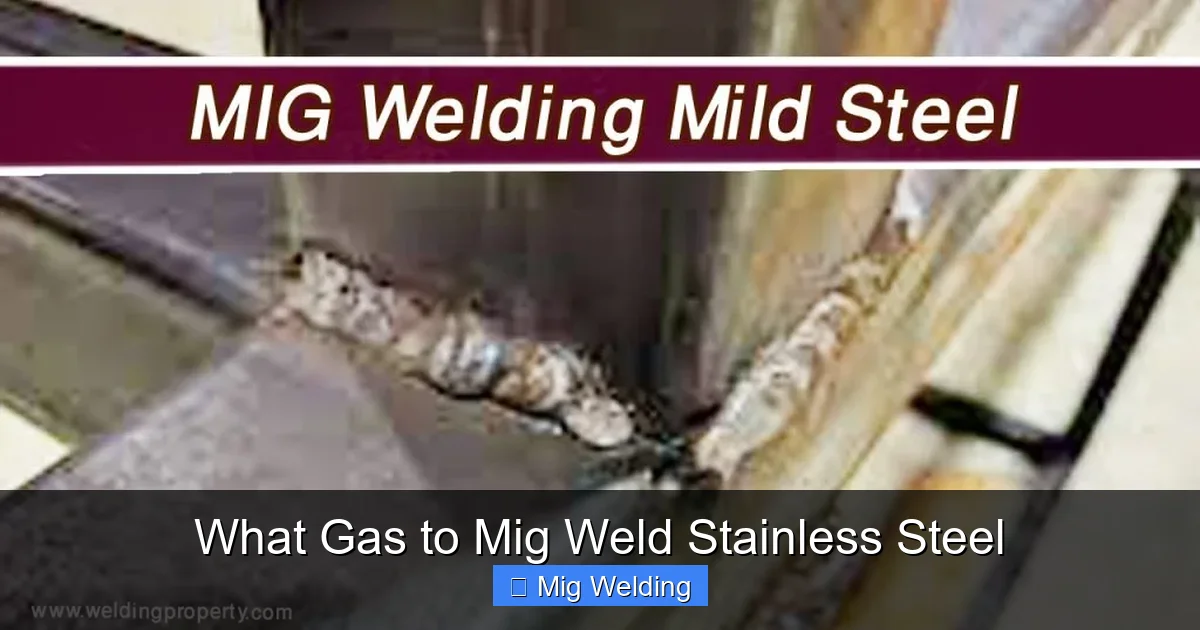
Welding stainless steel with a MIG welder requires the right shielding gas to ensure strong, clean welds. In this guide, you’ll learn which gases are best suited for stainless steel MIG welding, how to set up your equipment, and tips for perfect results.
Key Takeaways
- Use a mixture of argon and CO₂: Typically, a 98% argon and 2% CO₂ blend is ideal for MIG welding stainless steel.
- Pure argon is suitable for thin stainless steel: For delicate or thin materials, pure argon provides a smooth, clean weld.
- Adjust gas flow correctly: Typically, 20-30 CFH (cubic feet per hour) ensures proper shielding without waste.
- Consider additional gases for better results: Small amounts of oxygen or helium can improve weld characteristics depending on the project.
- Use the right equipment setup: Ensure your MIG welder is compatible with stainless steel and proper liner and wire are used.
- Troubleshoot common issues: Inadequate shielding can cause porosity; check gas connections and flow rates regularly.
What Gas to MIG Weld Stainless Steel: The Complete Guide
MIG welding stainless steel is a popular choice for many projects, from culinary equipment to industrial applications. One of the most important factors for a successful weld is selecting the right shielding gas. This guide will walk you through everything you need to know about choosing the best gas for MIG welding stainless steel, setting up your equipment, and achieving professional results.
Understanding MIG Welding of Stainless Steel
MIG (Metal Inert Gas) welding, also known as Gas Metal Arc Welding (GMAW), uses a continuous wire feed and shielding gas to protect the weld pool from contamination. For stainless steel, shielding gas plays a vital role in preventing oxidation and corrosion, resulting in a clean, strong weld.
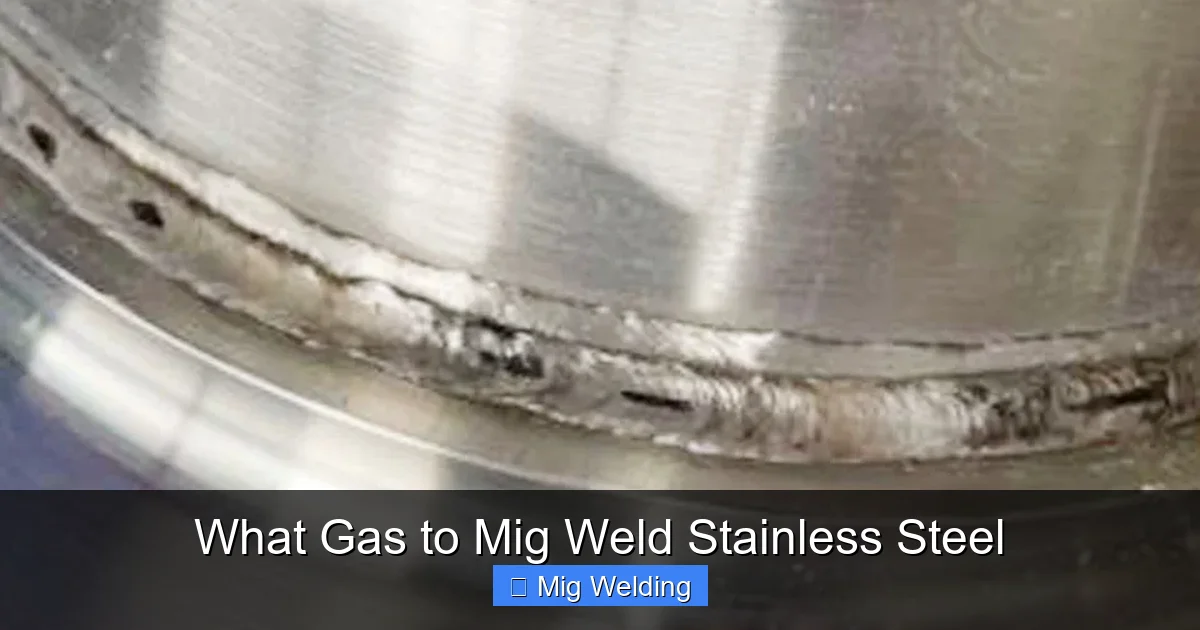
Visual guide about What Gas to Mig Weld Stainless Steel
Image source: weldingproperty.com
Choosing the right shielding gas depends on the stainless steel grade, thickness, and desired weld quality. Different gases influence the arc stability, penetration, spatter, and overall appearance of the weld.
Common Gases Used for MIG Welding Stainless Steel
1. Pure Argon
Pure argon is an inert gas that provides a smooth, stable arc. It is often used for welding thin stainless steel sheets or for applications requiring a clean, aesthetically pleasing weld. However, it may not provide enough penetration on thicker materials.

Visual guide about What Gas to Mig Weld Stainless Steel
Image source: makemoneywelding.com
2. Argon-CO₂ Mixture (Typically 98% Ar / 2% CO₂)
This is the most common shielding gas for MIG welding stainless steel. The small percentage of CO₂ helps improve arc stability and penetration while maintaining a clean weld appearance. It offers a good balance of performance and cost.
3. Argon-Helium Mixture
Adding helium (usually 25-75%) to argon can increase heat input and improve weld bead fluidity. This is especially useful for thicker stainless steel or when deep penetration is needed. Helium also enhances arc stability and reduces spatter.
4. Other Gases and Blends
- Oxygen: Small amounts (less than 2%) can improve arc stability but may increase oxidation, so use cautiously.
- Mixed gases with trace elements: Some specialty blends include trace gases for specific applications, but these are less common.
How to Choose the Right Gas for Your Stainless Steel MIG Weld
Consider the Thickness of the Material
For thin stainless steel (less than 1/16 inch), pure argon or a low percentage of CO₂ is sufficient. For thicker materials, an argon-helium mix provides better penetration and control.

Visual guide about What Gas to Mig Weld Stainless Steel
Image source: weldguru.com
Think About the Finish and Appearance
If a clean, shiny weld is important, stick with pure argon or a high-purity argon blend. For more structural welds where appearance is less critical, a 98% Ar / 2% CO₂ mix works well.
Evaluate Cost and Equipment Compatibility
Pure argon tends to be more expensive but offers superior weld quality. Ensure your MIG welder and shielding gas regulator are compatible with the chosen gas blend.
Setting Up Your MIG Welding Equipment for Stainless Steel
Step 1: Select the Correct Wire
Use a stainless steel MIG wire, such as ER308, ER309, ER316, or ER347, depending on your project. These wires contain alloys that match or complement the base material.
Step 2: Adjust Your Shielding Gas Regulator
Set your flow rate to 20-30 CFH. Too low can cause porosity; too high can cause turbulence and waste gas.
Step 3: Configure Your Welder Settings
- Voltage: Adjust based on material thickness, typically between 16-22 volts.
- Wire Feed Speed: Set according to wire diameter and welding speed.
- Wire Diameter: Use 0.030-inch or 0.035-inch wire for most stainless steel applications.
Step 4: Prepare the Workspace
Clean the stainless steel surface thoroughly to remove oil, grease, and oxidation. Use a stainless steel brush or grinder if necessary.
Welding Tips for the Best Results
- Maintain a steady travel speed: Consistent movement ensures even penetration and bead appearance.
- Use proper shielding gas coverage: Keep the torch at the correct distance (about 1/4 inch) from the workpiece.
- Avoid contamination: Keep the work area free of dirt and moisture.
- Practice on scrap: Test your settings before starting the actual project.
Troubleshooting Common MIG Welding Issues on Stainless Steel
Porosity in Welds
Caused by inadequate shielding gas or drafts. Ensure gas flow is consistent and shield the weld area well.
Spatter and Poor Appearance
Adjust wire feed speed and voltage. Check for clean, dry workpieces and correct gas flow.
Lack of Penetration
Increase heat input by raising voltage or wire feed speed. Verify proper gas mixture is used.
Conclusion
Choosing the right gas for MIG welding stainless steel is crucial for achieving strong, clean, and beautiful welds. A common and effective choice is an argon-CO₂ mixture, typically 98% argon and 2% CO₂. For specialized applications, adding helium or using pure argon can provide better results. Remember to set up your equipment correctly, prepare your materials, and practice to master your technique. With the right gas and proper technique, you can produce professional-quality stainless steel welds every time.
Happy Welding!
Mastering the art of MIG welding stainless steel takes practice. Experiment with different gases and settings to find what works best for your specific project. Keep safety in mind, wear proper protective gear, and enjoy creating durable, beautiful welds.
