

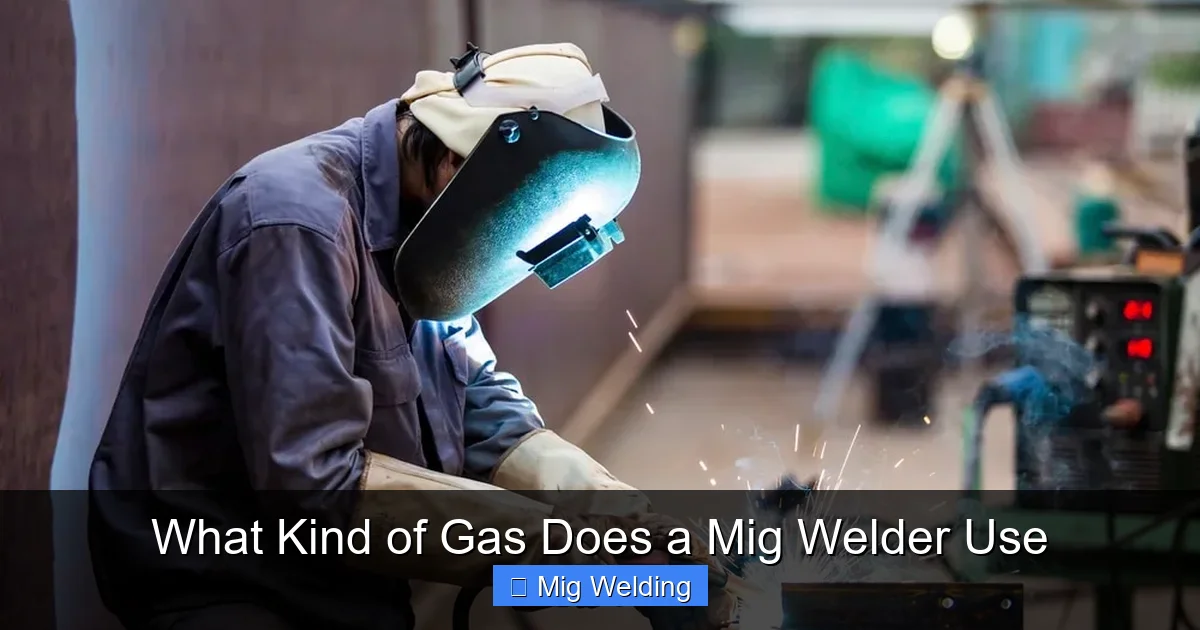
A MIG welder uses specific shielding gases to protect the weld pool from contamination. The most common gases are argon, CO2, and blends. Choosing the right gas ensures strong, clean welds and optimal welding performance.
Key Takeaways
- Most common gases: MIG welders typically use argon, CO2, or a blend of both.
- Shielding gas purpose: It protects the molten weld from atmospheric contamination, ensuring quality welds.
- Material considerations: The type of metal being welded influences the choice of shielding gas.
- Cost and availability: CO2 is generally cheaper, while argon offers cleaner welds; blends balance cost and quality.
- Setting up your MIG welder: Proper gas flow rate and regulator setup are essential for optimal welding.
- Troubleshooting: Incorrect gas type or flow can cause porosity, spatter, or weak welds.
- Safety tip: Always check for leaks and use appropriate protective gear when handling gases.
Introduction
If you’re new to MIG welding or looking to improve your skills, understanding the type of gas your welder uses is crucial. Shielding gases play a vital role in producing strong, clean welds by protecting the molten metal from the atmosphere. In this guide, you’ll learn about the different types of gases used in MIG welding, how to choose the right one, and practical tips for setup and troubleshooting. Whether you’re welding steel, aluminum, or other metals, knowing what gases to use will help you achieve professional results.
What Is MIG Welding and Why Does Gas Matter?
MIG welding, or Metal Inert Gas welding, involves feeding a wire electrode through a welding gun into the weld pool while a shielding gas surrounds the weld area. This gas shields the molten metal from oxygen, nitrogen, and other atmospheric gases that can cause defects like porosity or weak welds. The right shielding gas not only improves weld quality but also affects the ease of welding, penetration, and appearance.
Visual guide about What Kind of Gas Does a Mig Welder Use
Image source: weldguru.com
What Kind of Gas Does a MIG Welder Use?
The type of gas used in MIG welding depends on the metal being welded and the desired weld characteristics. The most common gases are:

Visual guide about What Kind of Gas Does a Mig Welder Use
Image source: arccaptain.com
1. Argon (Ar)
Argon is an inert gas that provides a smooth, stable arc. It is ideal for welding non-ferrous metals like aluminum, magnesium, and copper. Argon produces clean, precise welds with minimal spatter.
2. Carbon Dioxide (CO2)
CO2 is a reactive, cheaper gas that offers deep penetration and fast welding speeds. It is primarily used for welding steel and is popular in industrial settings. However, CO2 can cause more spatter and a rougher weld appearance compared to argon.
3. Argon-CO2 Blends
Blends like 75% argon / 25% CO2 or 90% argon / 10% CO2 combine the benefits of both gases. They deliver cleaner welds with good penetration and less spatter. These are popular choices for versatile welding applications.
4. Other Gas Mixtures
Sometimes, specialty gases like helium or oxygen are added for specific applications, such as welding thicker metals or achieving particular weld characteristics. These are less common for typical MIG welding tasks.
How to Choose the Right Shielding Gas
Selecting the proper shielding gas depends on several factors:
Visual guide about What Kind of Gas Does a Mig Welder Use
Image source: i.ytimg.com
- Material: Aluminum and other non-ferrous metals often require pure argon or argon blends. Steel can be welded with CO2 or blends.
- Weld quality: If you want minimal spatter and a clean finish, argon or a high-argon blend is best.
- Cost: CO2 is usually more affordable, making it a cost-effective option for large projects.
- Welding position and speed: Faster welds and certain positions may benefit from specific gas mixes.
Preparing Your MIG Welder for Gas Use
1. Select the Correct Gas Cylinder
Ensure you have the right type of cylinder—either filled with argon, CO2, or a blend—and that it’s compatible with your welder’s regulator.
2. Attach the Gas Regulator
Connect the regulator to the cylinder valve tightly. The regulator controls the flow of gas during welding. Make sure there are no leaks—use soap and water to check for bubbles if needed.
3. Set the Proper Gas Flow Rate
The typical flow rate is between 20-30 cubic feet per hour (CFH). Adjust the regulator to match your material and welding conditions. Too high or too low flow can lead to welding issues like porosity or excessive spatter.
4. Test the Gas Flow
Open the gas valve and observe the flow. Use a flow meter or listen for a steady stream. Make adjustments as necessary to ensure consistent coverage.
Welding Tips for Using Shielding Gases
- Maintain a proper distance: Keep the welding gun about ¼ inch from the workpiece for optimal shielding.
- Consistent travel speed: Moving at a steady pace prevents burn-through and ensures even welds.
- Use proper torch angle: Maintain a 10-15 degree angle for better penetration and bead control.
- Monitor the gas flow: Avoid fluctuations to prevent contamination and porosity.
Troubleshooting Common Gas-Related Issues
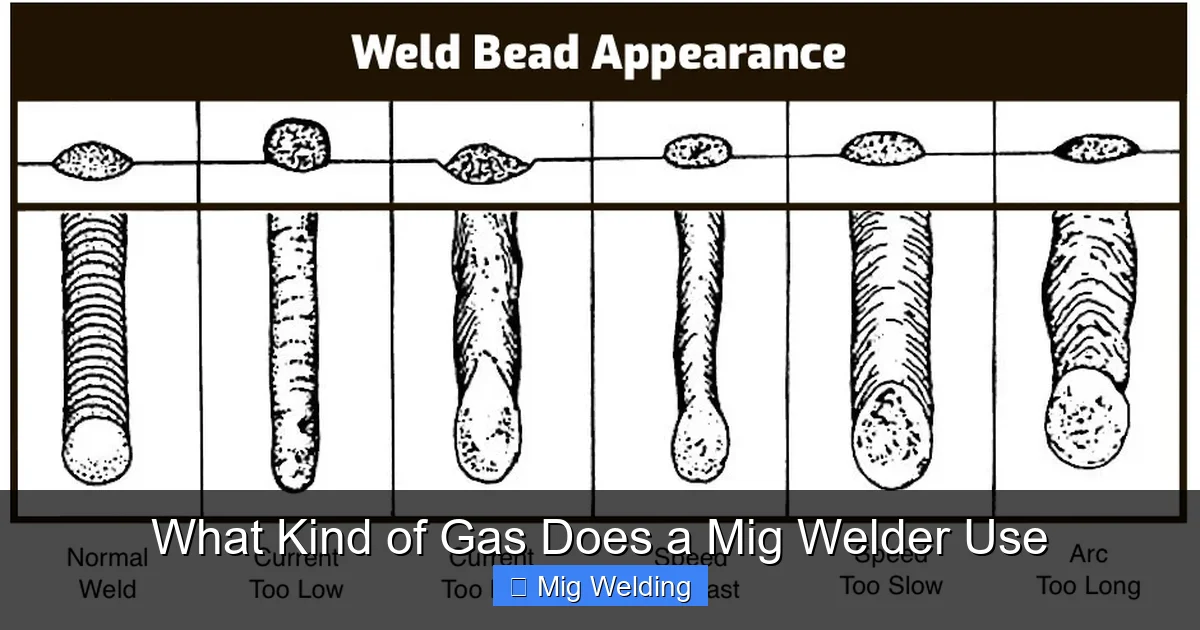
- Porosity in welds: Usually caused by insufficient gas flow or leaks. Check connections and increase flow rate if needed.
- Spatter: Excessive spatter can result from using CO2 alone or incorrect settings. Switch to a blend or adjust parameters.
- Weld appearance: A rough, uneven weld may indicate too high flow rate or contaminated gas. Clean cylinders and check equipment.
- Leaks: Always inspect hoses, regulators, and cylinders for leaks before welding.
Conclusion
Understanding what kind of gas a MIG welder uses is essential for achieving high-quality welds. The most common gases—argon, CO2, and blends—each have their benefits and applications. By selecting the right gas, setting up your equipment properly, and following best practices, you can produce strong, clean welds for any project. Remember, safety always comes first—handle gases with care and ensure your setup is leak-free.
Final Tips
- Always use the correct regulator and fittings for your gas type.
- Store gas cylinders upright in well-ventilated areas.
- Regularly check for leaks and wear on hoses and valves.
- Practice welding with different gases to understand their effects.
Happy Welding!
With the right knowledge and setup, you’ll be welding like a pro in no time. Keep experimenting, stay safe, and enjoy your welding projects!
