

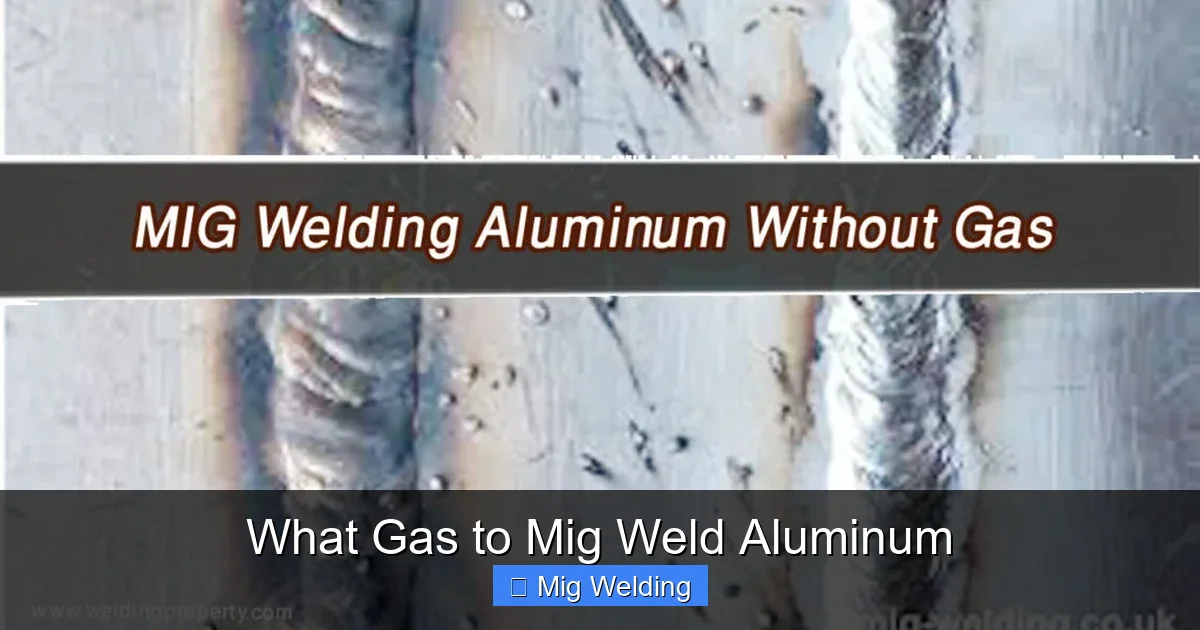
Choosing the right shielding gas is crucial for successful MIG welding of aluminum. This guide explains why argon is the go-to gas, how to set up your welder, and tips to avoid common pitfalls. Get clean, strong aluminum welds every time.
Key Takeaways
- Use 100% argon gas: Pure argon is the most common and effective shielding gas for MIG welding aluminum, providing stable arcs and clean welds.
- Avoid CO2 and oxygen: These gases react with aluminum, causing porosity and weak welds—never use them for aluminum MIG welding.
- Match gas flow rate to conditions: Use 20–30 CFH (cubic feet per hour) in calm conditions; increase slightly in drafty areas.
- Cleanliness is critical: Aluminum oxidizes quickly—always clean the base metal and wire before welding.
- Use a spool gun or push-pull system: Aluminum wire is soft and prone to birdnesting; a dedicated feeding system improves performance.
- Preheat thick aluminum: For sections over 1/4 inch, preheating reduces cracking and improves penetration.
- Troubleshoot porosity and burn-through: Adjust voltage, speed, and gas coverage to fix common issues.
What Gas to MIG Weld Aluminum: A Complete How-To Guide
If you’re new to welding aluminum, you might be surprised to learn that it behaves very differently from steel. One of the biggest differences? The shielding gas. Unlike steel, which often uses a mix of argon and CO2, aluminum requires a specific gas to produce strong, clean welds. In this guide, you’ll learn exactly what gas to MIG weld aluminum, how to set up your equipment, and how to avoid common mistakes.
By the end of this article, you’ll know:
– Why argon is the best choice for aluminum MIG welding
– How to configure your welder and gas flow
– Essential prep steps for success
– How to troubleshoot common problems
Let’s get started.
Why Gas Choice Matters for Aluminum Welding
Visual guide about What Gas to Mig Weld Aluminum
Image source: weldingproperty.com
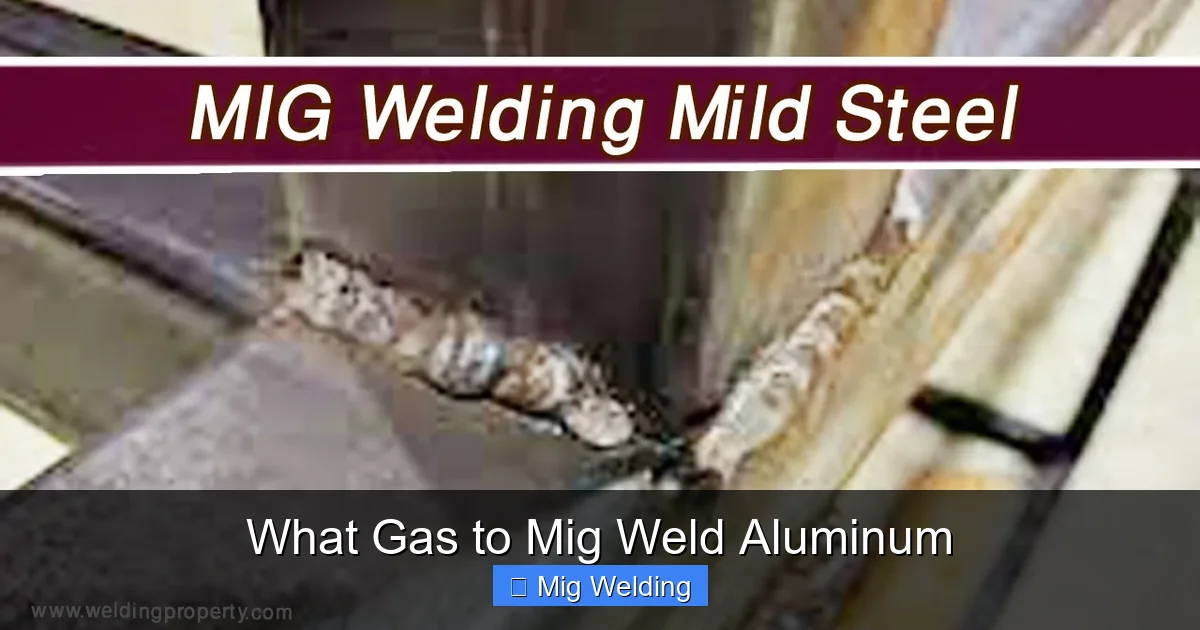
Aluminum is a reactive metal. It forms a thin oxide layer the moment it’s exposed to air. This layer has a much higher melting point than the base metal—over 3,700°F compared to aluminum’s 1,220°F. If not properly shielded, this oxide can trap contaminants and cause porosity, weak welds, or even cracking.
Shielding gas protects the molten weld pool from atmospheric gases like oxygen and nitrogen. For steel, a mix like 75% argon / 25% CO2 works well. But CO2 and oxygen react badly with aluminum, creating oxides and porosity. That’s why you must use a non-reactive, inert gas—and that gas is almost always pure argon.
The Best Gas for MIG Welding Aluminum: Pure Argon
Visual guide about What Gas to Mig Weld Aluminum
Image source: weldguru.com
Why 100% Argon?
Pure argon (also called 100% argon or straight argon) is the standard shielding gas for MIG welding aluminum. Here’s why:
– It’s inert, meaning it won’t react with aluminum.
– It provides a stable, smooth arc.
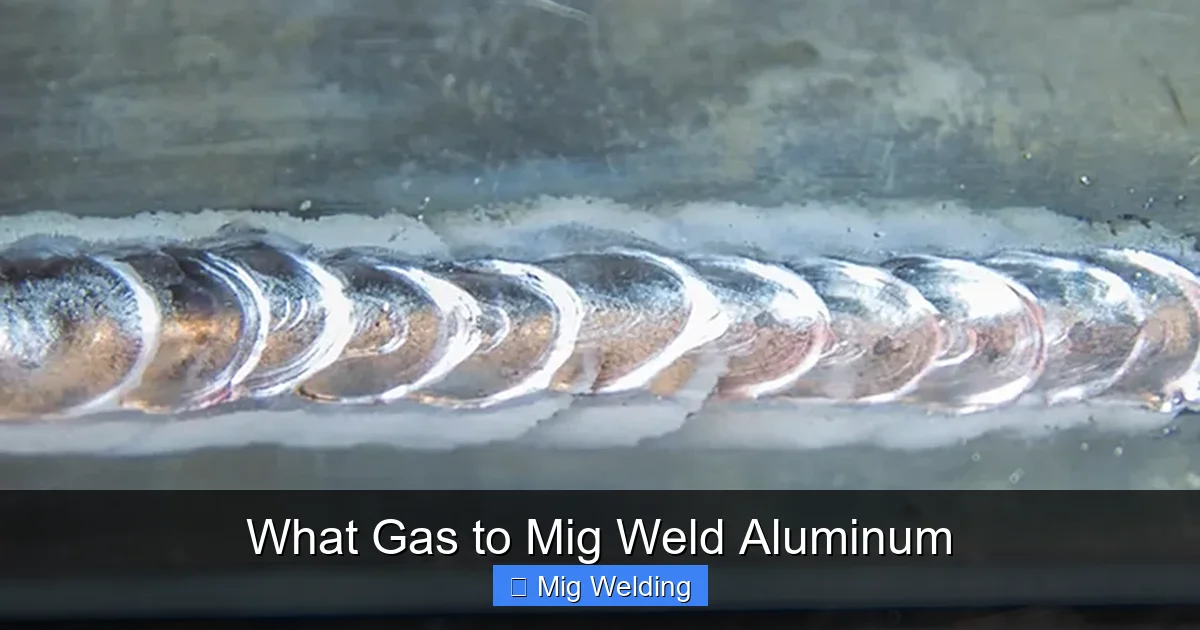
– It allows for good penetration and a clean bead appearance.
– It works well with both spray and short-circuit transfer modes.
Most manufacturers and welding experts recommend 100% argon for aluminum thicknesses from thin sheet metal up to 1/2 inch or more.
Can You Use Argon Mixes?
While pure argon is ideal, some welders experiment with small amounts of helium—typically argon-helium mixes like 75% Ar / 25% He. Helium increases heat input, which can help with thicker aluminum or faster travel speeds. However, it also raises arc voltage and can make the arc less stable, especially for beginners.
Stick with 100% argon unless you’re welding thick sections (over 1/2 inch) and have experience with helium mixes. Even then, use them cautiously and test on scrap first.
What About CO2 or Oxygen?
Never use CO2, oxygen, or any gas mix containing them for aluminum MIG welding. These gases react with aluminum to form aluminum oxide, which causes:
– Porosity (tiny holes in the weld)
– Weak, brittle welds
– Poor bead appearance
– Increased spatter
Stick to pure argon—it’s safe, effective, and widely available.
Setting Up Your MIG Welder for Aluminum
Visual guide about What Gas to Mig Weld Aluminum
Image source: millerwelds.com
Using the right gas is only half the battle. You also need the right equipment and settings.
Use a Spool Gun or Push-Pull System
Aluminum wire is soft and bends easily. If you try to feed it through a standard MIG gun and liner, it can kink, jam, or “birdnest” inside the feeder.
A spool gun holds a small spool of aluminum wire right at the gun, eliminating long feeding distances. A push-pull system uses a motor in the feeder to push the wire and another in the gun to pull it, reducing friction.
For home or light-duty welding, a spool gun is the easiest and most affordable option.
Choose the Right Wire
Common aluminum MIG wires include:
– ER4043: Good for general-purpose welding, especially on 6000-series aluminum. It has silicon added, which improves fluidity and reduces cracking.
– ER5356: Better for 5000-series aluminum and applications needing higher strength and corrosion resistance.
Match your wire to the base metal when possible. If unsure, ER4043 is a safe default.
Set the Correct Polarity
Aluminum MIG welding requires DC electrode positive (DCEP), also called reverse polarity. This is the same as steel, but it’s worth double-checking your welder’s settings.
Adjust Voltage and Wire Speed
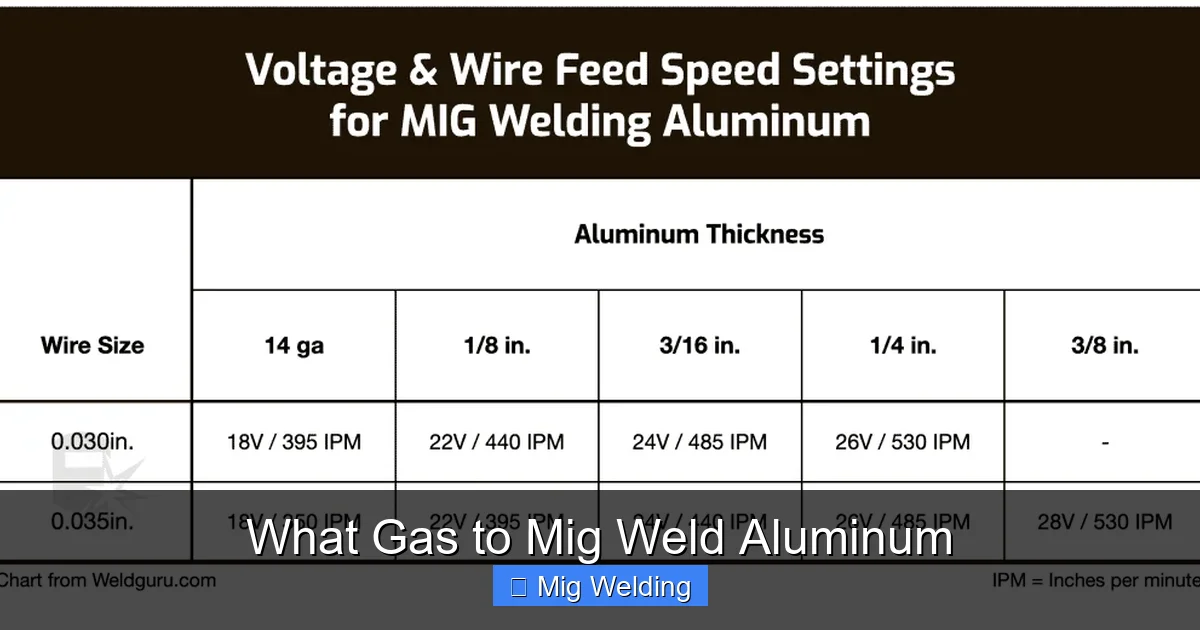
Aluminum conducts heat quickly, so you’ll need higher voltage and wire feed speed than steel. Start with:
– Voltage: 18–22 volts (depending on thickness)
– Wire speed: 200–400 inches per minute (IPM)
Use a welding calculator or your welder’s chart as a starting point, then fine-tune based on your results.
Gas Flow Rate and Coverage
Recommended Flow Rate
Use a flow rate of 20–30 CFH (cubic feet per hour). Too little gas won’t protect the weld pool; too much can cause turbulence and pull in air.
In windy or drafty areas, increase to 30–35 CFH and use a windscreen or welding tent if possible.
Check for Gas Leaks
Before welding, inspect your connections:
– Ensure the regulator is tight and functioning.
– Check hoses for cracks or leaks.
– Use soapy water on fittings—bubbles indicate a leak.
A proper seal ensures consistent gas coverage.
Position the Gas Nozzle Correctly
Keep the MIG gun nozzle 1/2 to 3/4 inch above the workpiece. Angle the gun slightly (10–15 degrees) in the direction of travel. This helps direct gas over the weld pool and prevents air from entering.
Preparing Aluminum for Welding
Clean the Base Metal
Aluminum oxidizes fast. Even a clean-looking surface may have a thin oxide layer.
Clean the joint area with:
– A stainless steel wire brush (dedicated to aluminum only—never use on steel)
– Acetone or a dedicated aluminum cleaner
– A clean, lint-free cloth
Scrub in one direction to avoid embedding contaminants.
Clean the Wire
Aluminum wire can collect oil, dirt, or moisture. Wipe it with a clean cloth before loading. Some welders use a wire cleaner or alcohol wipe.
Preheat Thick Aluminum
For aluminum over 1/4 inch thick, preheating to 250–350°F reduces thermal stress and helps prevent cracking. Use a propane torch or preheating blanket.
Welding Technique Tips
Use a Push Technique
Always push the weld pool (gun angled away from the direction of travel). This improves gas coverage and gives a cleaner, flatter bead.
Maintain a Short Arc Length
Keep the arc tight—just long enough to see the puddle. A long arc increases spatter and reduces control.
Move Steadily
Aluminum cools fast. Move at a consistent speed to avoid cold laps or burn-through. Practice on scrap first.
Use a Backing Bar for Thin Metal
For thin aluminum (under 1/8 inch), use a copper or aluminum backing bar to support the weld and prevent burn-through.
Troubleshooting Common Problems
Porosity (Tiny Holes in the Weld)
Causes:
– Contaminated base metal or wire
– Insufficient gas flow or leaks
– Drafts blowing gas away
Solutions:
– Clean thoroughly before welding
– Check gas flow and connections
– Shield the weld area from wind
Burn-Through
Causes:
– Too high voltage or wire speed
– Slow travel speed
– Thin material
Solutions:
– Reduce voltage and wire speed
– Increase travel speed
– Use a backing bar or pulse welding
Birdnesting (Wire Jamming)
Causes:
– Poor wire feeding
– Wrong liner or drive rolls
– Using a standard MIG gun
Solutions:
– Use a spool gun or push-pull system
– Ensure correct drive rolls (U-groove for aluminum)
– Keep wire straight and free of kinks
Weak or Cracked Welds
Causes:
– Contamination
– Poor fit-up
– Rapid cooling
Solutions:
– Clean joints and use proper fit-up
– Preheat thick sections
– Allow slow cooling when possible
Conclusion
So, what gas to MIG weld aluminum? The answer is clear: use 100% argon. It’s safe, effective, and widely supported by welding professionals. Avoid CO2, oxygen, and other reactive gases—they’ll ruin your welds.
But gas is just one piece of the puzzle. Success also depends on using the right equipment (like a spool gun), cleaning your materials, setting proper parameters, and mastering your technique.
With practice and attention to detail, you’ll produce strong, clean aluminum welds every time. Start with scrap metal, refine your settings, and don’t rush the prep work. Your welds will thank you.
