


MIG welding relies heavily on shielding gases to protect the weld pool from contamination. This guide explains what gases are used for MIG welding, the differences between them, and how to select the best gas for different materials and applications.
Key Takeaways
- Most common gases: Argon, carbon dioxide, and blends are the primary shielding gases used in MIG welding.
- Purpose of shielding gases: They protect the weld pool from atmospheric contamination, ensuring strong and clean welds.
- Choosing the right gas: Depends on the material, weld quality requirements, and cost considerations.
- Argon: Excellent for aluminum and non-ferrous metals, providing smooth welds.
- Carbon dioxide: Cost-effective, ideal for steel, but may produce rougher welds.
- Gas blends: Combine gases like argon and CO2 to optimize weld quality and properties.
- Practical tips: Always use the correct gas flow rate and check for leaks to ensure optimal welding results.
Introduction
If you’re new to MIG welding or looking to refine your skills, understanding the role of shielding gases is essential. These gases play a crucial role in protecting your weld from atmospheric contamination, which can weaken the weld and cause defects. In this guide, we’ll explore what gas is used for MIG welding, the most common options, and how to choose the right gas for your specific needs.
What Is MIG Welding?
MIG welding, or Metal Inert Gas welding, is a popular welding process that uses a continuous wire electrode fed through a welding gun. An electric arc forms between the wire and the workpiece, melting the metal and creating a weld. The key to a successful MIG weld is the shielding gas, which prevents oxidation and other contaminants from affecting the weld quality.
Visual guide about What Gas Is Used for Mig Welding
Image source: bottlegases.co.uk
Why Are Shielding Gases Important?
Shielding gases surround the weld pool during the welding process, creating a protective barrier. This barrier prevents oxygen, nitrogen, and moisture in the air from reacting with the molten metal. Without proper shielding, the weld can become porous, weak, or contaminated, leading to defects like cracks or spatter.
Visual guide about What Gas Is Used for Mig Welding
Image source: perfectwelders.com
Common Gases Used for MIG Welding
There are several gases used in MIG welding, but the most common are argon, carbon dioxide (CO2), and blends of these gases. Each has its own advantages and is suitable for different materials and welding conditions.

Visual guide about What Gas Is Used for Mig Welding
Image source: cruxweld.com
1. Argon (Ar)
Argon is an inert, colorless, and odorless gas. It’s the most widely used shielding gas for non-ferrous metals like aluminum, copper, and magnesium. Argon provides a smooth, stable arc and produces high-quality welds with minimal spatter.
- Best for: Aluminum, stainless steel, and other non-ferrous metals.
- Advantages: Excellent arc stability, smooth weld appearance, minimal spatter.
- Disadvantages: More expensive than CO2.
2. Carbon Dioxide (CO2)
CO2 is an active, inexpensive gas that’s widely used in steel welding. It produces a more vigorous arc and deeper penetration. However, it can also lead to increased spatter and a rougher weld surface.
- Best for: Mild and carbon steels, especially in industrial or high-volume applications.
- Advantages: Cost-effective, provides deep weld penetration.
- Disadvantages: More spatter, less smooth welds.
3. Gas Mixtures (Ar + CO2, Ar + O2, etc.)
Blended gases combine the benefits of inert and active gases. The most common mixture is 75% argon and 25% CO2, known as 75/25. These blends offer a good balance between weld quality and cost.
- Examples: 80/20 (argon and oxygen), 90/10 (argon and CO2), and custom blends.
- Advantages: Improved arc stability, reduced spatter, better weld appearance.
- Disadvantages: Slightly higher cost than pure gases.
How to Choose the Right Gas for MIG Welding
Choosing the correct shielding gas depends on several factors:
- Material: Non-ferrous metals like aluminum require pure argon, while steels often use CO2 or blends.
- Weld quality: For a smoother finish, argon or argon blends are preferred. For deep penetration, CO2 is suitable.
- Cost considerations: CO2 is cheaper, making it ideal for large-scale or budget-conscious projects.
- Welding position: Some gases provide better stability for out-of-position welding.
Step-by-Step Instructions for Using Shielding Gases in MIG Welding
Step 1: Select the Appropriate Gas
Determine your material and project requirements. For aluminum, choose pure argon. For steel, decide between CO2 and an argon blend based on your weld quality needs and budget.
Step 2: Set Up Your Gas Supply System
Connect your shielding gas cylinder to your MIG welder’s gas inlet. Ensure all connections are tight and leak-free.
- Tip: Use a regulator and flow meter to control the gas flow rate accurately.
Step 3: Adjust the Gas Flow Rate
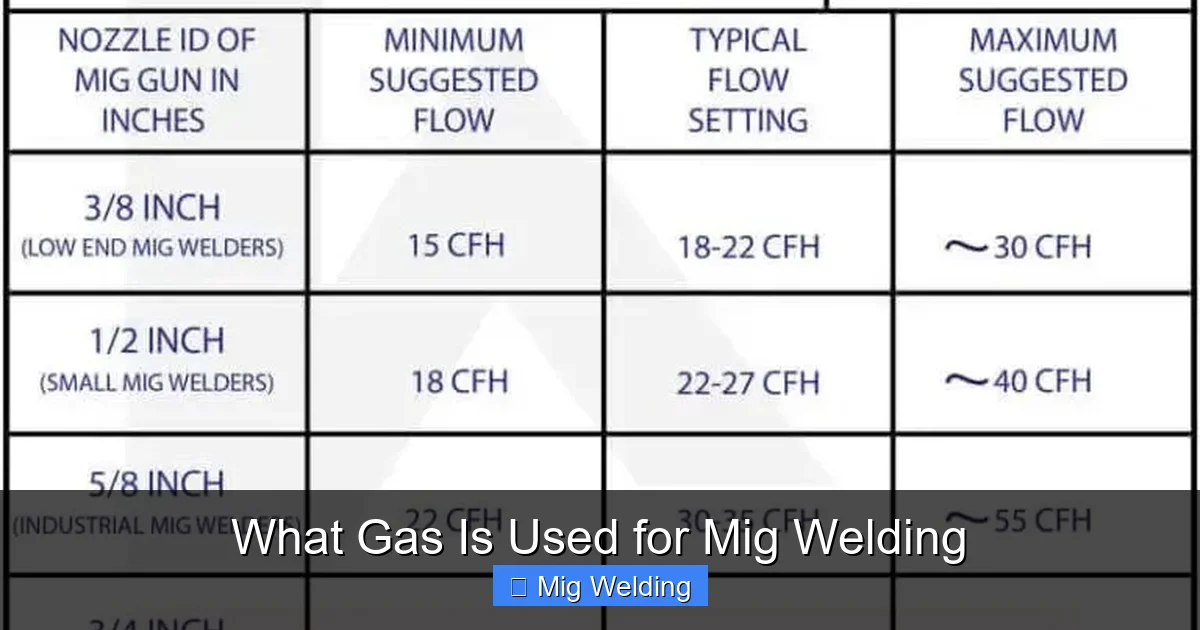
Set the flow rate according to your welder specifications, typically between 20-25 cubic feet per hour (CFH). Too high or too low flow can cause weld defects.
- Tip: Start with 20 CFH and adjust as needed based on your welds and environmental conditions.
Step 4: Perform a Test Weld
Before starting your main project, run a test weld on scrap material. Check for spatter, weld appearance, and penetration. Adjust the gas flow or welding parameters if necessary.
Step 5: Maintain Consistent Gas Coverage
Keep the welding gun at the correct distance from the workpiece (about ¼ inch). Move steadily to ensure even shielding and prevent contamination.
Practical Tips for Optimal MIG Welding with Shielding Gas
- Check for leaks: Regularly inspect hoses and connections for leaks to prevent contamination.
- Use clean cylinders: Ensure your gas cylinders are free of dirt and debris.
- Avoid drafts: Wind or air currents can disturb shielding gas coverage, leading to poor welds.
- Store gases properly: Keep cylinders upright and in a well-ventilated area.
Troubleshooting Common Issues
- Porosity in welds: Usually caused by insufficient shielding gas flow or leaks. Check connections and increase flow rate if needed.
- Spatter: Often due to using too much CO2 or improper settings. Try using an argon blend or adjusting parameters.
- Poor weld appearance: Ensure proper gas flow, correct nozzle size, and stable arc.
Conclusion
Understanding what gases are used for MIG welding and how to select the right one is key to achieving high-quality welds. Whether you choose argon, CO2, or a blend, each has its specific benefits and ideal applications. By following proper setup procedures and troubleshooting tips, you can ensure your welding projects are strong, clean, and professional-looking.
Final Tips
- Always use the recommended gas for your material.
- Regularly maintain your gas setup and check for leaks.
- Practice on scrap material to fine-tune your settings.
