

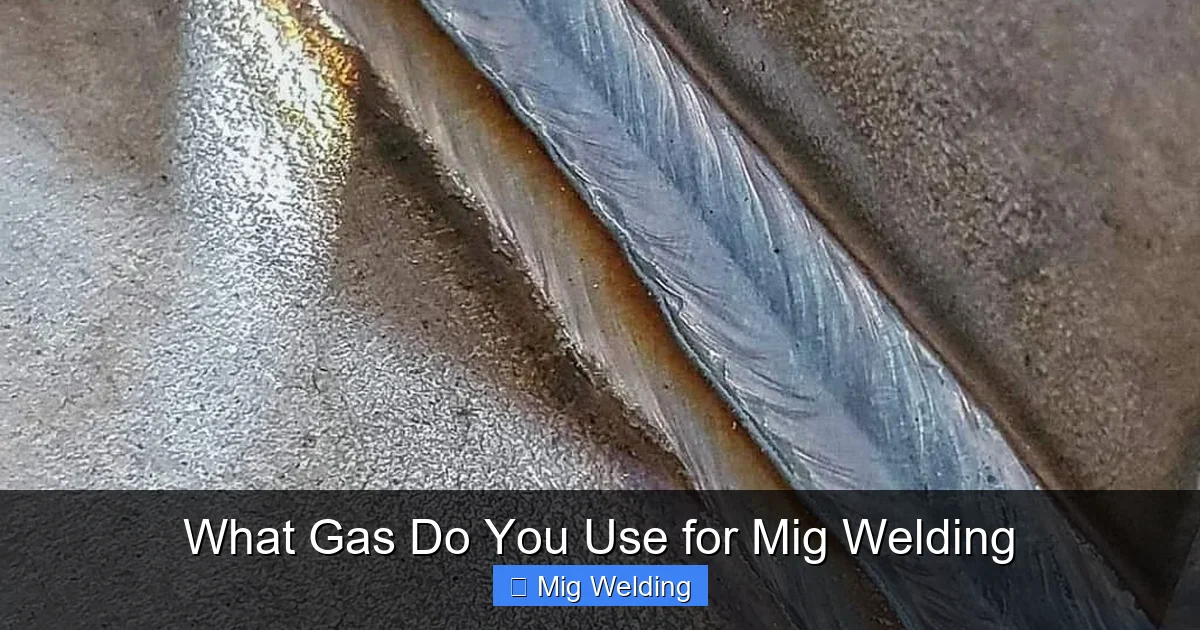
MIG welding requires the right shielding gas to protect the weld pool from contamination. In this guide, you’ll learn what gases are used, their advantages, and how to select the best one for your needs. Whether you’re a beginner or a seasoned welder, understanding gas options is key to achieving quality welds.
Key Takeaways
- Shielding gas is essential: It protects the weld pool from atmospheric contamination, ensuring strong and clean welds.
- Most common gases: Argon, CO2, and their mixes are the primary gases used in MIG welding.
- Pure Argon: Ideal for welding non-ferrous metals like aluminum and copper; provides a smooth, stable arc.
- CO2 (Carbon Dioxide): Cost-effective; produces a slightly rougher weld with more spatter, but great for steel.
- Argon-CO2 mixes: Offer the best of both worlds—good arc stability, minimal spatter, and affordability.
- Choosing the right gas: Depends on the metal type, desired weld quality, and budget.
Introduction
If you’re into MIG welding, one of the most important decisions you’ll face is choosing the right shielding gas. This gas plays a crucial role in protecting your weld from contamination, affecting the strength, appearance, and quality of your welds. But what gas do you use for MIG welding? In this comprehensive guide, we’ll explore the various gases available, their benefits, and how to select the best one for your project. Whether you’re welding steel, aluminum, or other metals, understanding the gas options will help you weld better and more efficiently.
Understanding MIG Welding and the Role of Shielding Gas
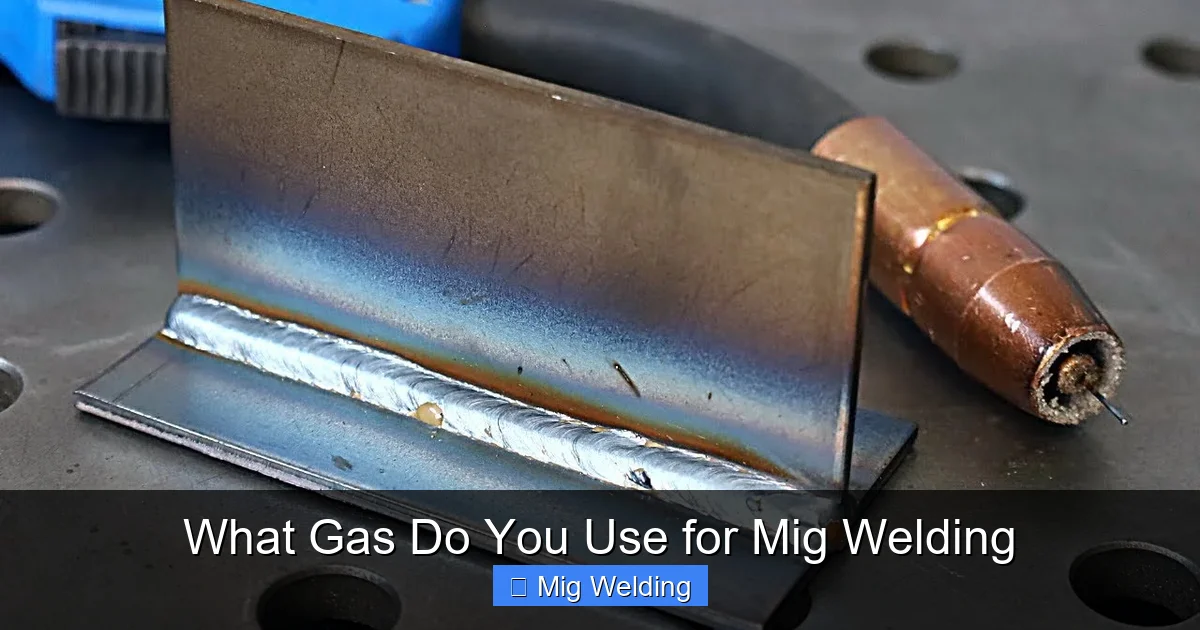
MIG (Metal Inert Gas) welding, also known as Gas Metal Arc Welding (GMAW), uses a continuously fed wire electrode and a shielding gas to create a weld. The shielding gas surrounds the arc and weld pool, preventing oxygen, nitrogen, and other atmospheric gases from contaminating the weld. Contamination can cause weak welds, porosity, and poor appearance. Therefore, selecting the right gas is essential for optimal results.
Visual guide about What Gas Do You Use for Mig Welding
Image source: i.ytimg.com
Common Gases Used in MIG Welding
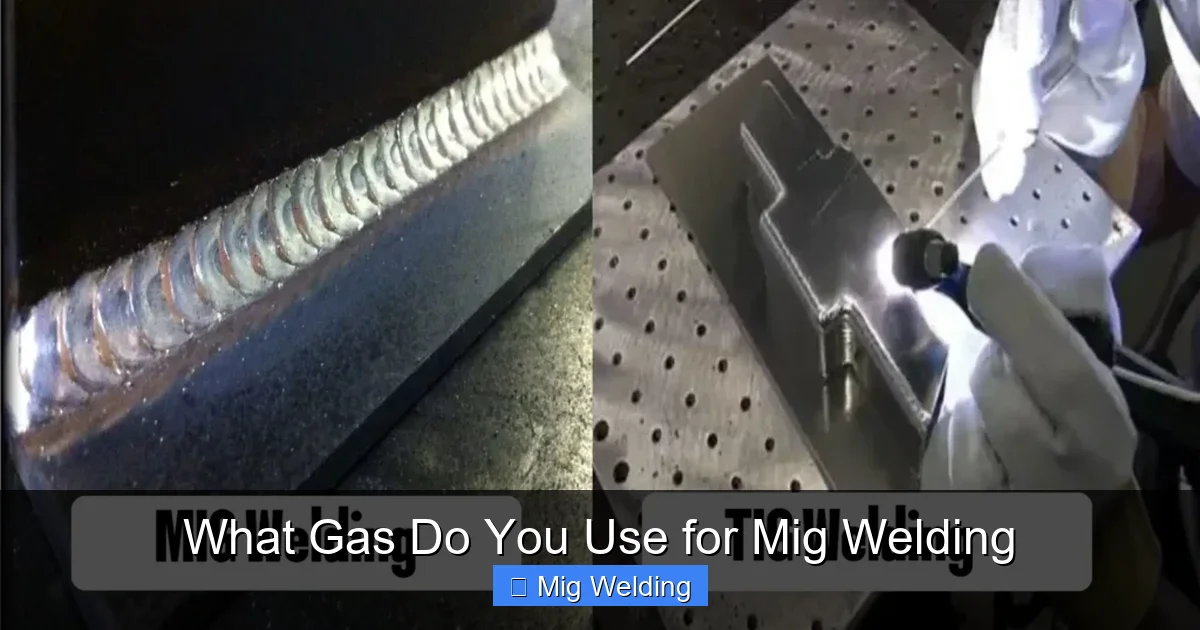
The most typical shielding gases in MIG welding are Argon, Carbon Dioxide (CO2), and Helium. Many welders also use mixes of these gases to tailor the weld characteristics. Let’s explore each in detail.
Visual guide about What Gas Do You Use for Mig Welding
Image source: hugh-aluminum.com
1. Pure Argon
What is it?
Pure argon is an inert gas that doesn’t react with the metal during welding. It is the most common shielding gas for non-ferrous metals like aluminum, copper, and magnesium.
Visual guide about What Gas Do You Use for Mig Welding
Image source: mechlesson.com
Advantages
- Provides a smooth, stable arc
- Produces high-quality, clean welds
- Ideal for welding thin materials and delicate metals
Best uses
- Aluminum
- Copper
- Magnesium
Practical tips
- Use pure argon when welding non-ferrous metals for the best finish.
- Ensure your regulator and hoses are compatible with inert gases.
2. Carbon Dioxide (CO2)
What is it?
CO2 is a reactive, inexpensive gas that offers good shielding for steel welding. It is often used alone or as part of a mix.
Advantages
- Cost-effective
- Produces a deep, penetrating weld bead
- Easy to find and widely available
Disadvantages
- Produces more spatter and a rougher weld surface
- Less stable arc compared to inert gases
Best uses
- Steel fabrication
- Structural welding
Practical tips
- Use CO2 for high-production steel welding where appearance isn’t critical.
- Adjust your welding parameters to reduce spatter.
3. Argon-CO2 Mixtures
What are they?
These are blends of argon and CO2, commonly used in MIG welding. The most popular is 75% argon / 25% CO2, often called “C25.”
Advantages
- Better arc stability than pure CO2
- Less spatter compared to straight CO2
- Cost-effective for steel welding
- Produces a cleaner weld appearance
Common blends
- 75% argon / 25% CO2 (C25)
- 90% argon / 10% CO2
Best uses
- Steel welding with good aesthetic quality
- General-purpose MIG welding
Practical tips
- Use the recommended mix for your welding machine and metal type.
- Adjust wire feed speed and voltage accordingly.
4. Helium and Other Gases
What about helium?
Helium is sometimes used in mixes for welding aluminum or for high-heat applications. It provides a hotter arc and deeper penetration but is more expensive.
Other gases
Rarely used alone, but sometimes nitrogen or mixtures are used for specialized applications.
How to Choose the Right MIG Welding Gas
Factors to consider
- Metal type: Aluminum requires pure argon, while steel can use CO2 or mixes.
- Weld quality: For a clean, professional finish, argon mixes are better.
- Budget: Straight CO2 is the most affordable, but mixes provide better quality.
- Application: Structural, artistic, or precision welding may influence your choice.
Practical Tips for Using MIG Welding Gases
- Always use a compatible regulator and hoses designed for shielding gases.
- Keep your cylinders upright and securely fastened.
- Leak check your connections before welding.
- Adjust your welding parameters based on the gas used and material.
- Store gases in a well-ventilated, cool area away from heat sources.
Troubleshooting Common Gas-Related Issues
- Porosity in welds: Check for leaks, ensure proper shielding, and use fresh gas.
- Spatter: Use the correct gas mix, adjust parameters, and clean your workpiece.
- Unstable arc: Ensure proper gas flow rate and compatible equipment.
Conclusion
Choosing the right gas for MIG welding is vital for achieving high-quality, durable welds. Whether you opt for pure argon, CO2, or an argon-CO2 mix, understanding their properties helps you make an informed decision. Experiment with different gases and settings to find what works best for your specific projects. With the right gas and technique, you’ll weld confidently and produce professional results every time.
Final Thoughts
Remember, the key to successful MIG welding is proper preparation and understanding your materials and equipment. By selecting the appropriate shielding gas, you ensure your welds are strong, clean, and aesthetically pleasing. Happy welding!
