

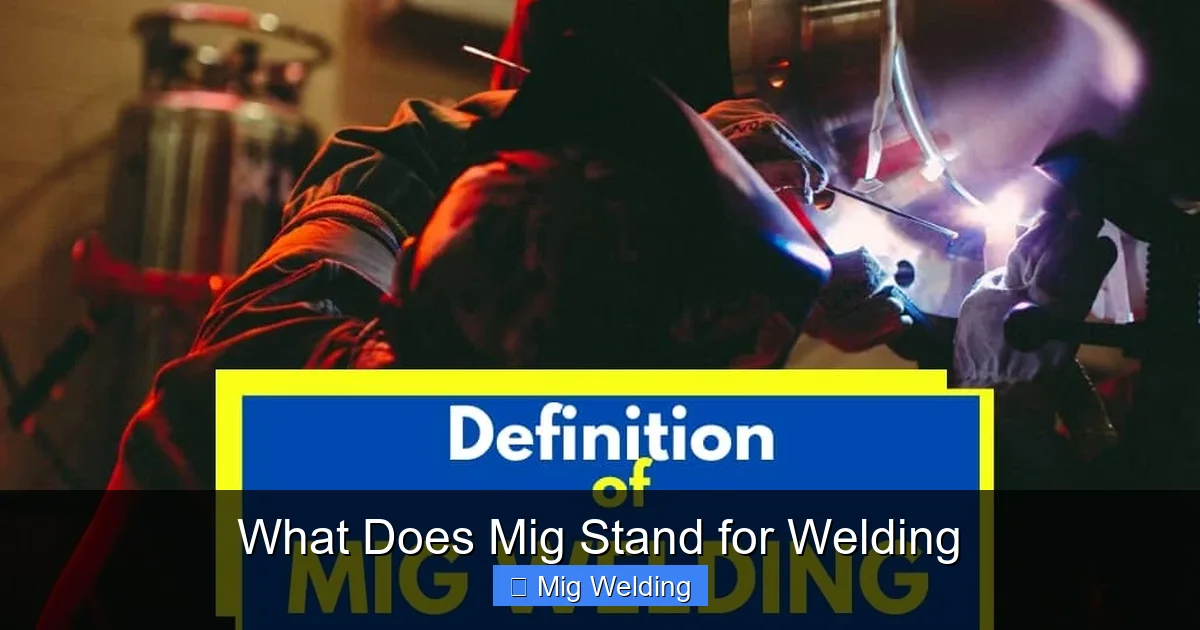
MIG welding stands for Metal Inert Gas welding. It is a popular welding method that uses a continuous wire feed and a shielding gas to join metals efficiently. This guide explores what MIG means, how it works, and tips for mastering this versatile welding technique.
What Does MIG Stand for Welding
If you’re new to welding or considering a specific method, you might have come across the term “MIG welding.” But what does MIG stand for in welding, and how does it work? In this comprehensive guide, we’ll explain everything you need to know about MIG welding, including its meaning, process, advantages, and practical tips to get started. Whether you’re a hobbyist or a professional, understanding MIG welding will help you choose the right technique for your projects.
Key Takeaways
- MIG stands for: Metal Inert Gas, a welding process that uses a shielding gas to protect the weld pool.
- Popular for: Its ease of use, speed, and suitability for beginners and professionals.
- How it works: A wire electrode is fed continuously, while shielding gas protects the weld from contamination.
- Common gases used: Argon, CO2, or a mix of both, depending on the material and application.
- Applications: Automotive, construction, art projects, and repair work.
- Advantages: Fast, clean, minimal post-weld cleanup, and versatile for various metals.
What Does MIG Stand For?
The acronym MIG stands for Metal Inert Gas. Sometimes you’ll also see it called Gas Metal Arc Welding (GMAW). The name hints at the core components of this welding process: a metal wire electrode and an inert or semi-inert shielding gas. The process is designed to produce high-quality welds quickly and efficiently, making it a favorite among welders worldwide.
Understanding the MIG Welding Process
How Does MIG Welding Work?
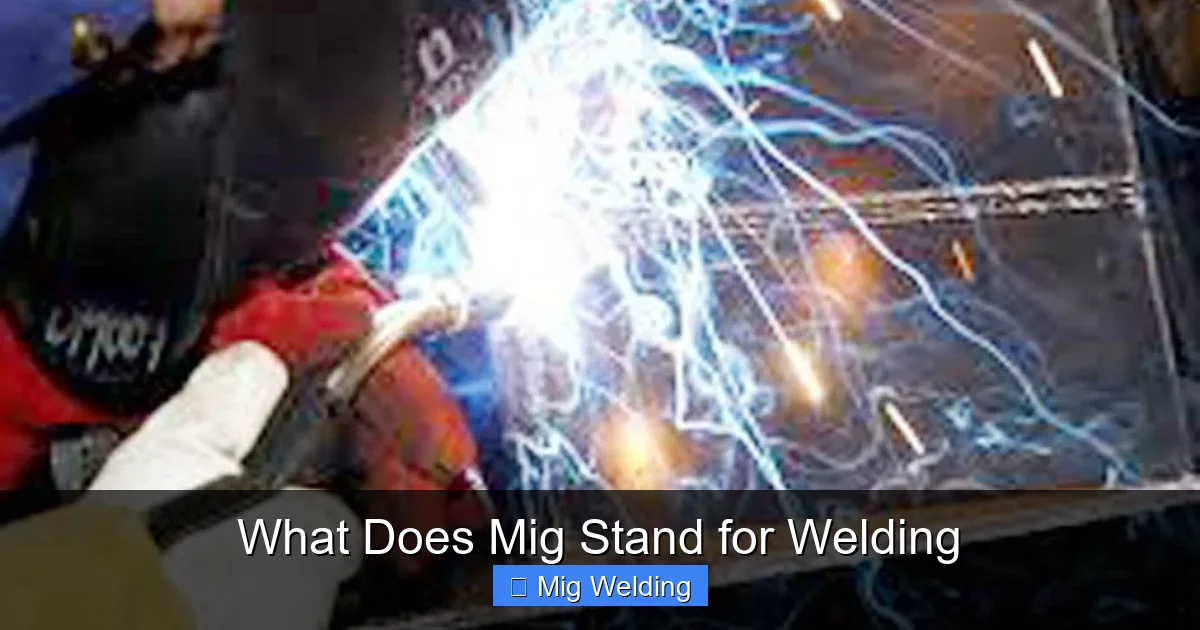
MIG welding involves feeding a continuous wire electrode through a welding gun. The wire melts as it heats up and joins the base metals together. Simultaneously, a shielding gas flows around the wire tip, protecting the weld pool from atmospheric contamination like oxygen and nitrogen. This combination creates a clean, strong weld with minimal spatter.
Visual guide about What Does Mig Stand for Welding
Image source: weldingproperty.com
Basic Components of MIG Welding
- Welding Power Supply: Provides the electrical energy needed to create the arc.
- Wire Feeder: Delivers the consumable wire electrode continuously.
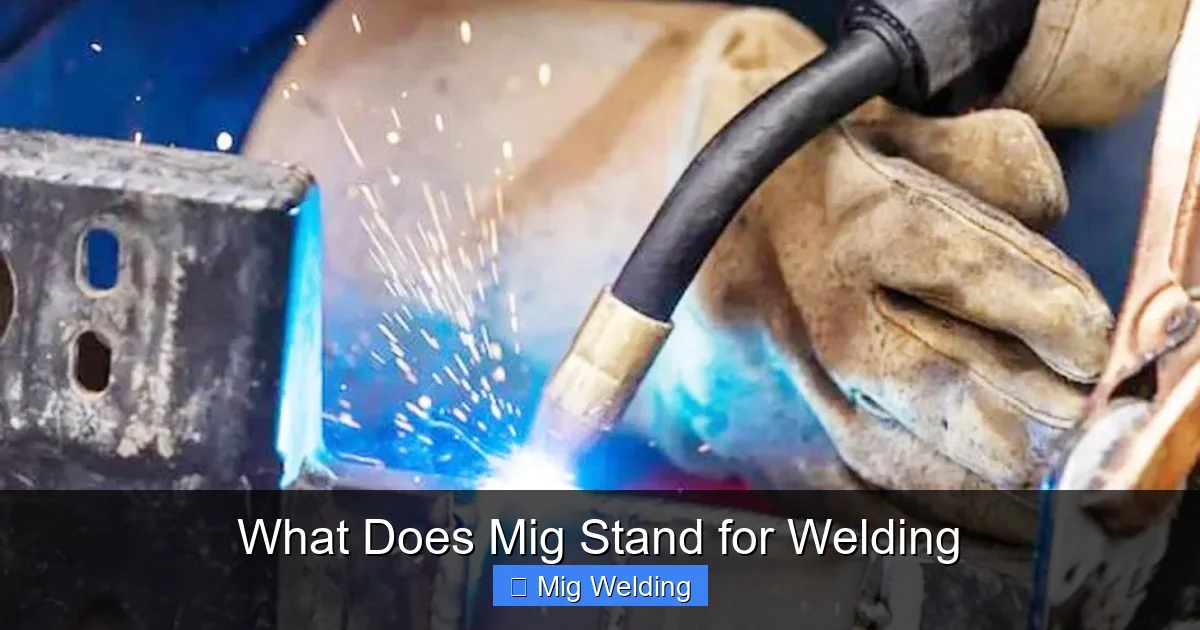
- Welding Gun: The tool held by the welder to direct the wire and shielding gas.
- Shielding Gas: Protects the weld pool from contamination.
- Ground Clamp: Completes the electrical circuit.
Types of Shielding Gases Used in MIG Welding
The choice of shielding gas impacts the quality, appearance, and strength of the weld. The most common gases include:
Visual guide about What Does Mig Stand for Welding
Image source: weldingproperty.com
Argon
Often used for welding non-ferrous metals like aluminum, it provides a smooth, clean weld.
Carbon Dioxide (CO2)
More affordable and provides deeper penetration, ideal for steel but may produce more spatter.
Mixed Gases (Ar + CO2)
A blend that balances the benefits of both gases, providing good weld quality with minimal spatter.
Steps to Get Started with MIG Welding
1. Gather Your Equipment
Ensure you have a MIG welder, appropriate welding wire, shielding gas, safety gear, and a suitable workspace.
Visual guide about What Does Mig Stand for Welding
Image source: weldingproperty.com
2. Prepare Your Workspace and Materials
- Work in a well-ventilated area.
- Clear the workspace of flammable materials.
- Clean the metal surfaces thoroughly to remove rust, oil, and dirt.
3. Set Up Your MIG Welder
- Choose the correct wire type and diameter for your project.
- Set the correct voltage and wire feed speed based on the material and thickness.
- Attach the appropriate shielding gas bottle and set flow rate (usually 20-30 CFH).
4. Wear Safety Gear
Always wear a welding helmet, gloves, protective clothing, and safety glasses to prevent injuries.
5. Practice Proper Welding Technique
- Hold the gun at a 15-20 degree angle.
- Maintain a steady hand and consistent travel speed.
- Start with short, controlled welds to get a feel for the process.
6. Make Your First Weld
Begin with a test piece to fine-tune your settings. Once comfortable, proceed to your actual project, moving steadily and maintaining proper technique.
Practical Tips for Successful MIG Welding
- Adjust your settings: Always tweak voltage and wire speed for different materials and thicknesses.
- Maintain proper distance: Keep the welding gun about ¼ inch from the workpiece for a stable arc.
- Go slow and steady: Rushing can cause poor welds or spatter.
- Practice makes perfect: Spend time practicing on scrap metal before working on your main project.
- Check your equipment regularly: Ensure wires are feeding properly, and gas flow is steady.
Troubleshooting Common MIG Welding Issues
Porosity or Holes in the Weld
This often results from contaminated surfaces or insufficient shielding gas. Clean your metal thoroughly and check for leaks in your gas line.
Spatter
Spatter occurs when settings are too high or the wire is too close to the workpiece. Adjust voltage or increase the stick-out distance.
Uneven or Weak Welds
Ensure consistent travel speed and proper gun angle. Check your wire feed for smooth operation.
Conclusion
Understanding what MIG stands for in welding is the first step toward mastering this versatile technique. MIG, or Metal Inert Gas welding, combines a continuous wire feed with shielding gases to produce clean, strong welds efficiently. With practice, proper equipment setup, and safety precautions, MIG welding can become a valuable skill for various projects—from automotive repairs to artistic creations. Start experimenting today, and unlock the full potential of MIG welding!
