

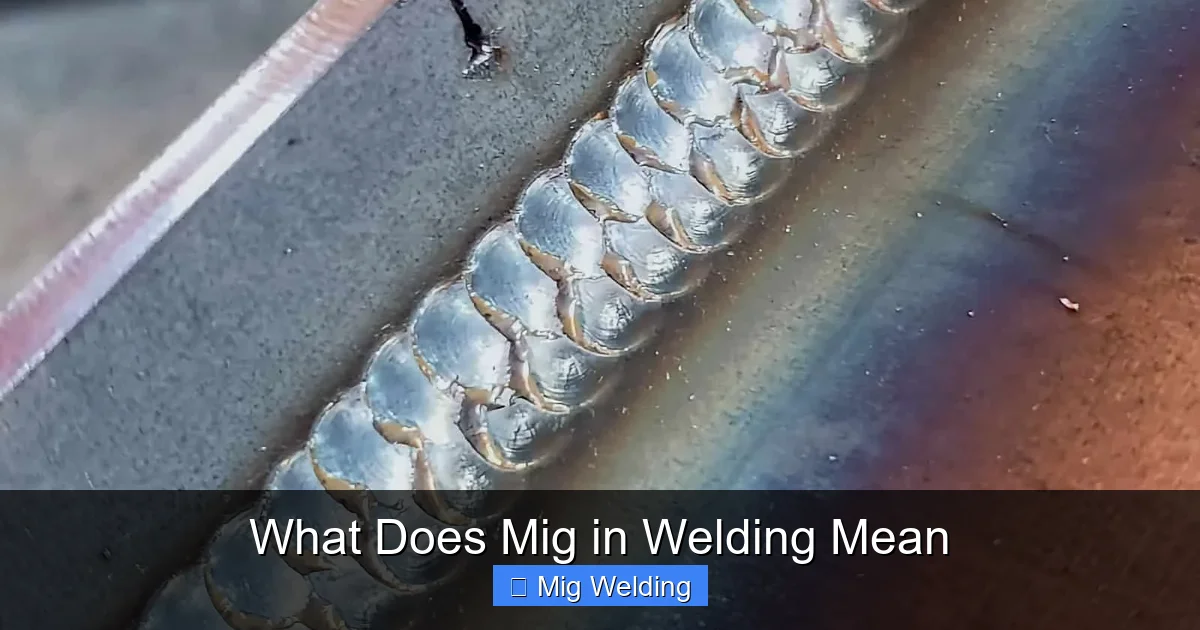
Key Takeaways
- MIG stands for Metal Inert Gas: It’s a welding process that uses a continuous wire feed and an inert gas shield.
- Versatile and beginner-friendly: MIG welding is popular because it’s easy to learn and suitable for many materials.
- Equipment involved: Includes a welding machine, a wire feeder, a shielding gas supply, and a welding gun.
- Common gases used: Typically argon, CO2, or a mix of both to protect the weld from contamination.
- Applications: Used in automotive, construction, DIY projects, and manufacturing industries.
- Key to success: Proper setup, correct wire and gas selection, and safety precautions ensure high-quality welds.
Introduction
If you’re new to welding, you’ve probably heard the term “MIG” tossed around. But what exactly does MIG in welding mean? Whether you’re interested in metal fabrication, auto repairs, or DIY projects, understanding MIG welding is essential. In this comprehensive guide, we’ll explore what MIG stands for, how the process works, the equipment involved, and tips to help you get started confidently. By the end, you’ll have a clear picture of this popular welding method and how to use it effectively.
What Does MIG in Welding Mean?
MIG in welding stands for Metal Inert Gas. It’s a type of arc welding that uses a continuous wire electrode fed through a welding gun, combined with an inert or semi-inert shielding gas to protect the weld pool from contamination. The process is also called Gas Metal Arc Welding (GMAW), but MIG is the more common term, especially among hobbyists and professionals alike.
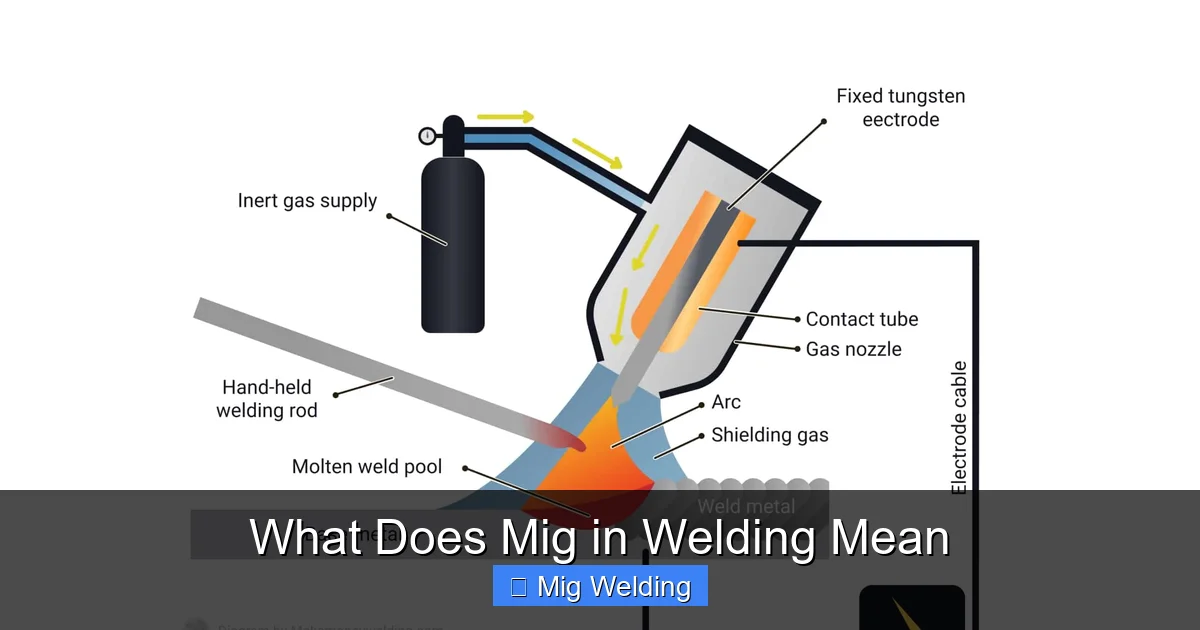
Visual guide about What Does Mig in Welding Mean
Image source: makemoneywelding.com
Understanding the MIG Welding Process
How MIG Welding Works
In MIG welding, an electric arc forms between a consumable wire electrode and the metal workpiece. The heat generated melts the wire and the base metal, creating a weld pool. Simultaneously, a shielding gas flows through the welding gun to prevent oxidation and contamination of the weld. The welder controls the process using a trigger, adjusting the wire feed speed, voltage, and gas flow for optimal results.
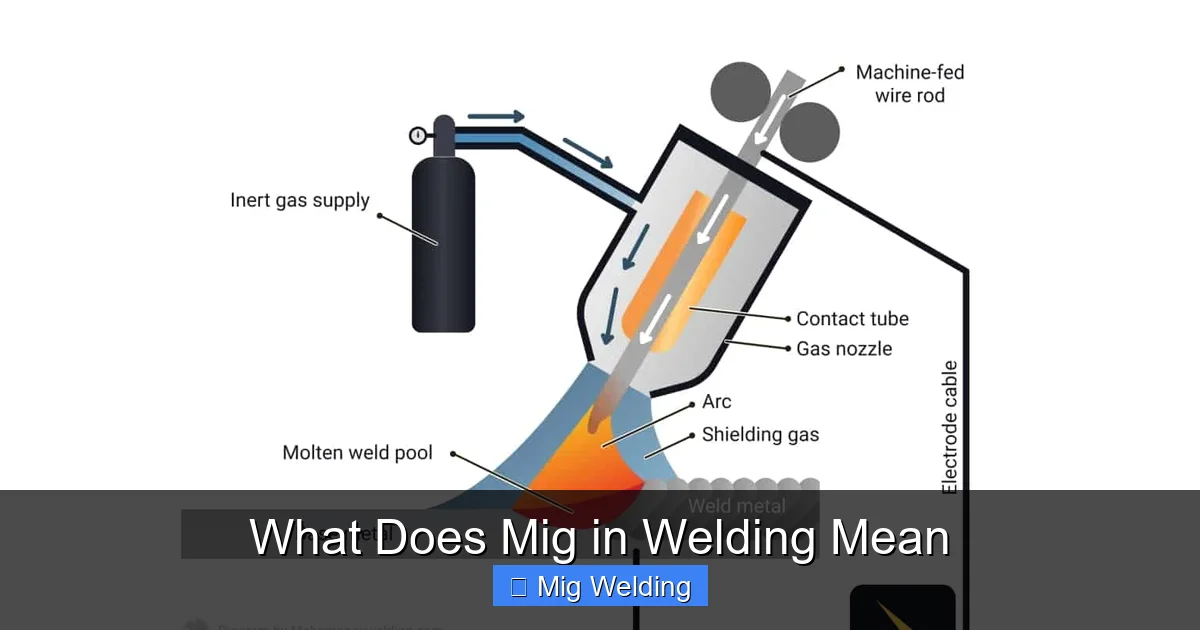
Visual guide about What Does Mig in Welding Mean
Image source: makemoneywelding.com
Why Choose MIG Welding?
- Ease of use: MIG welding is straightforward, making it ideal for beginners.
- Speed: It allows for fast, consistent welds.
- Versatility: Suitable for various metals like steel, stainless steel, and aluminum.
- Cleaner welds: The shielding gas produces minimal spatter and post-weld cleanup.
Essential Equipment for MIG Welding
1. MIG Welding Machine
This is the core of your setup. It supplies the electricity, wire feed, and controls needed for welding. Machines vary in size, power, and features, so choose one based on your project needs.
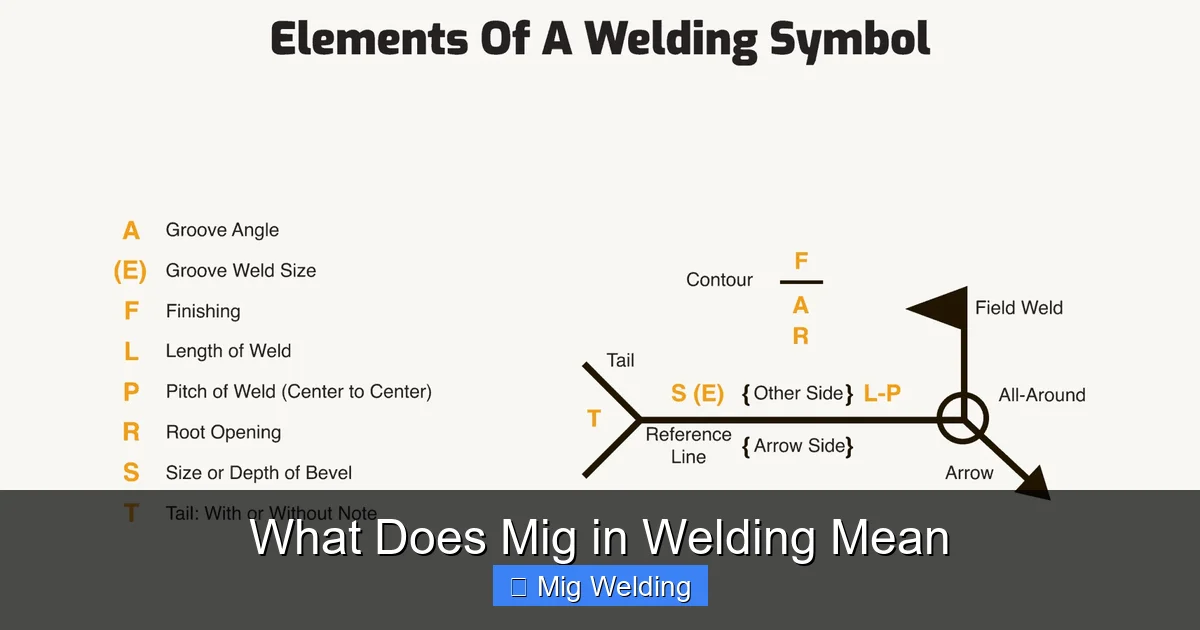
Visual guide about What Does Mig in Welding Mean
Image source: weldguru.com
2. Wire Feeder
The wire feeder supplies a continuous wire electrode. Common wire types include solid steel, stainless steel, or aluminum wire, depending on your project.
3. Shielding Gas Supply
The gas protects the weld from contamination. Typical gases include:
- Argon: Used mainly for aluminum and other non-ferrous metals.
- Carbon Dioxide (CO2): Cheaper and commonly used for steel.
- Mixed gases: Such as 75% argon and 25% CO2 for a balance of performance and cost.
4. Welding Gun
The tool you hold to direct the wire and gas to the workpiece. It often has a trigger to start/stop the welding process.
5. Safety Gear
Welding produces intense light and fumes. Always wear:
- Welding helmet: With proper shade.
- Gloves: Heat-resistant and insulated.
- Protective clothing: Long sleeves and pants.
- Ventilation: To avoid inhaling fumes.
Step-by-Step Guide to MIG Welding
Step 1: Prepare Your Workspace
Ensure your area is clean, dry, and well-ventilated. Remove any flammable materials. Set up your welding machine on a sturdy surface.
Step 2: Select and Prepare Materials
Choose the correct wire type and diameter for your metal. Clean the workpiece to remove rust, paint, or oil, which can affect weld quality.
Step 3: Set Up Your Equipment
- Install the wire spool: Make sure it unrolls smoothly.
- Connect the gas supply: Attach the gas hose and set the regulator to the recommended flow rate (usually 20-30 CFH).
- Configure the welder: Set voltage and wire feed speed according to the material thickness and wire type. Consult your machine’s manual for guidelines.
Step 4: Safety Checks
Put on your safety gear. Ensure all connections are secure and the area is free of obstructions.
Step 5: Test the Setup
Make a few test welds on scrap metal. Adjust settings if needed for cleaner, stronger welds.
Step 6: Weld!
- Position the workpiece: Clamp it firmly in place.
- Hold the gun: At a 15-20 degree angle.
- Start welding: Squeeze the trigger to feed wire and start the arc. Move steadily along the joint.
- Maintain a consistent speed: To produce even welds.
Step 7: Finish and Inspect
Release the trigger, let the weld cool, then inspect. Look for smooth, even beads and proper penetration. Clean any slag or spatter.
Practical Tips for Successful MIG Welding
- Keep the gun at the right distance: Usually 1/4 inch from the workpiece.
- Maintain a steady hand: For consistent welds.
- Adjust settings as needed: Thicker materials may require higher voltage and slower wire feed speeds.
- Use the correct wire type: For the metal you’re welding.
- Practice makes perfect: Start with scrap pieces to refine your technique.
Troubleshooting Common MIG Welding Issues
Porosity or Holes in the Weld
Often caused by contaminated gas or dirty material. Clean your workpiece thoroughly and check for leaks in your gas supply.
Inconsistent Beads
Could be due to inconsistent travel speed or incorrect machine settings. Practice maintaining a steady hand and adjust your settings accordingly.
Spatter or Excess Smoke
Usually a sign of too high voltage or improper gas flow. Reduce voltage and check your gas flow rate.
Conclusion
Understanding what MIG in welding means is the first step to mastering this versatile and user-friendly process. With the right equipment, proper setup, and practice, you can produce high-quality welds suitable for many projects. Remember to prioritize safety, take your time, and keep learning. MIG welding is a valuable skill that opens doors to numerous creative and practical applications.
Additional Resources
- Read your welding machine manual thoroughly.
- Watch online tutorials and demonstrations.
- Join local welding classes or workshops for hands-on experience.
Happy Welding!
Now that you know what MIG in welding means and how to get started, it’s time to practice and create! Whether you’re repairing a car, building a metal art piece, or just exploring a new hobby, MIG welding offers a reliable and accessible way to bring your ideas to life.
